Bellona Nuclear Digest. December 2025
A monthly analytical review offering expert insight into key developments in nuclear policy, economics, safety, and technology related to the activities of Rosatom in Russia, Ukraine, and other countries
News
Publish date: 28/05/2026
News
After Russia’s full-scale invasion of Ukraine in February 2022, Bellona ceased its activities in the aggressor country. On 18 April 2023, Russia’s Prosecutor General’s Office declared Bellona an undesirable organization in the Russian Federation.
Nevertheless, we continue to systematically monitor and analyze developments related to Rosatom’s activities that we believe are of interest to an international audience. The aim of this review is to assess the scale of Russia’s international influence in the nuclear sector, as well as the associated political, economic, and environmental risks.
This digest covers events from April 2026.
You can follow the links to read the three most recent digests covering March, February and January 2026.
Subscribe to our mailing list to stay informed about future issues. Download a PDF of this digest here.
NUCLEAR EVENTS IN UKRAINE AND THE WAR
1. The Zaporizhzhia NPP and other nuclear facilities in Ukraine. Events of April 2026
– Zaporizhzhia NPP lost all off-site power three times in April
– One person was killed in a drone attack on a transport workshop near Zaporizhzhia NPP
2. EBRD launches preparatory program for repairs to the New Safe Confinement at Chernobyl NPP
– Preparatory program for restoring the damaged NSC approved
– Fundraising campaign launched and initial financial commitments announced at the international conference in Chernobyl
INTERNATIONAL NUCLEAR EVENTS AND THEIR CONNECTION WITH RUSSIA
3. Extended maintenance underway at Metsamor NPP as part of lifetime extension program
4. Alternative fuel deployment for VVER reactors continues in Europe
4.1. Westinghouse and European VVER operators discuss fuel performance results and future plans
4.2. Framatome expands cooperation with European VVER-440 operators on new fuel project
5. Kazakhstan’s newly adopted nuclear industry development strategy envisions construction of at least three NPPs by 2050
6. Vietnam and South Korea sign agreements on nuclear cooperation
EVENTS IN THE RUSSIAN NUCLEAR SECTOR AND IN ROSATOM PROJECTS ABROAD
7. Ethiopia and Rosatom approve roadmap for further nuclear cooperation
8. Rosatom expands additive technology exports with first 3D printer delivery for India’s aerospace industry
9. First unit of Kursk II NPP commissioned
10. First hull of PEB-106 floating nuclear power unit delivered from China to St. Petersburg
11. Rosatom’s projects abroad in brief
Since March 24, Zaporizhzhia NPP has been receiving off-site power through only a single 330 kV backup power line. Negotiations on a temporary ceasefire to allow repair work on the 750 kV line continued throughout April but produced no results (the damaged section is located above the Dnipro River, where the front line runs).
The plant’s off-site power configuration remained extremely vulnerable, and in April Zaporizhzhia NPP briefly lost off-site power three times.
On April 14, according to Russian representatives of the plant, the one-and-a-half-hour outage was caused by a problem on the line transmitting power between the 330 kV switchyard of Zaporizhzhia Thermal Power Plant and the autotransformer at the 750 kV open switchyard of Zaporizhzhia NPP, through which backup power is supplied to the site. Before the outage, instability was observed in the electrical grid, which is consistent with information received by the IAEA from Ukraine’s grid operator about attacks on the electrical grid that caused a local voltage drop in the transmission system around the time of the disconnection.
The backup power line was disconnected two more times, on April 16 and 26.
On April 27, the Russian representatives of Zaporizhzhia NPP informed the IAEA about a drone attack that killed one person at a transport workshop located a few kilometers from the site in an industrial area near the plant.
A note from the Russian Permanent Mission in Vienna sent to the IAEA specified that the transport workshop is located 4.5 kilometers from the plant in Enerhodar and that at around 12:30 a.m. the drone struck a bus carrying the driver. The incident was described as posing a threat to nuclear safety and the lives of civilians.
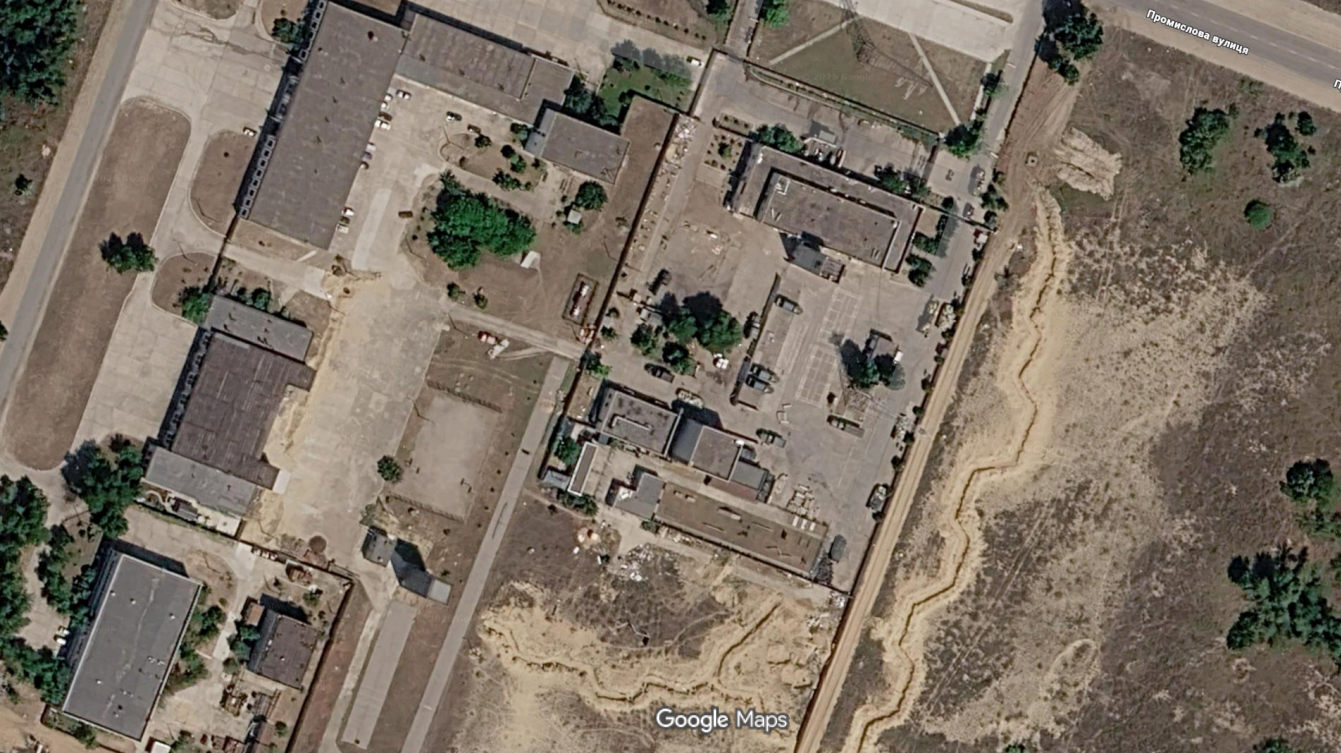
On May 8, Ukraine sent a note to the IAEA describing Russia’s statements as an attempt to manipulate nuclear safety issues. The document states that Russia portrays facilities used by the Russian military and occupation authorities as civilian infrastructure while concealing the militarization of Enerhodar and the area around Zaporizhzhia NPP.
Regarding the incident at the transport workshop, the note states that satellite imagery and attached materials indicate the presence of trenches, fortified positions, and military equipment at the site. The document also emphasizes that the incident did not affect Zaporizhzhia NPP, its safety systems, or create any risk of a radioactive release. (It should be noted that the facility whose coordinates are provided in INFCIRC/1361 is located approximately 1.5 kilometers from the plant site.)
Ukraine called on the IAEA to take these circumstances into account when preparing reports on the situation around Zaporizhzhia NPP.
On April 28, Ukraine sent a note to the IAEA stating that Russian drone activity had intensified within the observation zone of the Chernobyl NPP ahead of the 40th anniversary of the accident.
On April 30, the IAEA announced that it had deployed its seventh mission to assess the status of 14 Ukrainian electrical substations, which are essential for ensuring reliable off-site power supply to Ukraine’s operating NPPs.
On April 1, the European Bank for Reconstruction and Development, which manages the International Chernobyl Cooperation Account (ICCA), announced that donors had endorsed a plan for early engineering and procurement works to pave the way for repairs to the New Safe Confinement at Chernobyl NPP, which was damaged in a Russian drone attack in February 2025.
According to an assessment by the Novarka 2 consortium (comprising the original NSC designer-builder Bouygues Travaux Publics and Vinci Construction Grands Projets), restoring the NSC’s full functionality by 2030 could cost at least €500 million.
The program will be implemented in three phases and includes the analysis of existing technical data, development of a repair concept, preparation of engineering solutions in cooperation with the Ukrainian nuclear regulator, as well as preparation of the plan for potential implementation through detailed engineering, procurement documentation and, where justified, early procurement of long-lead items.
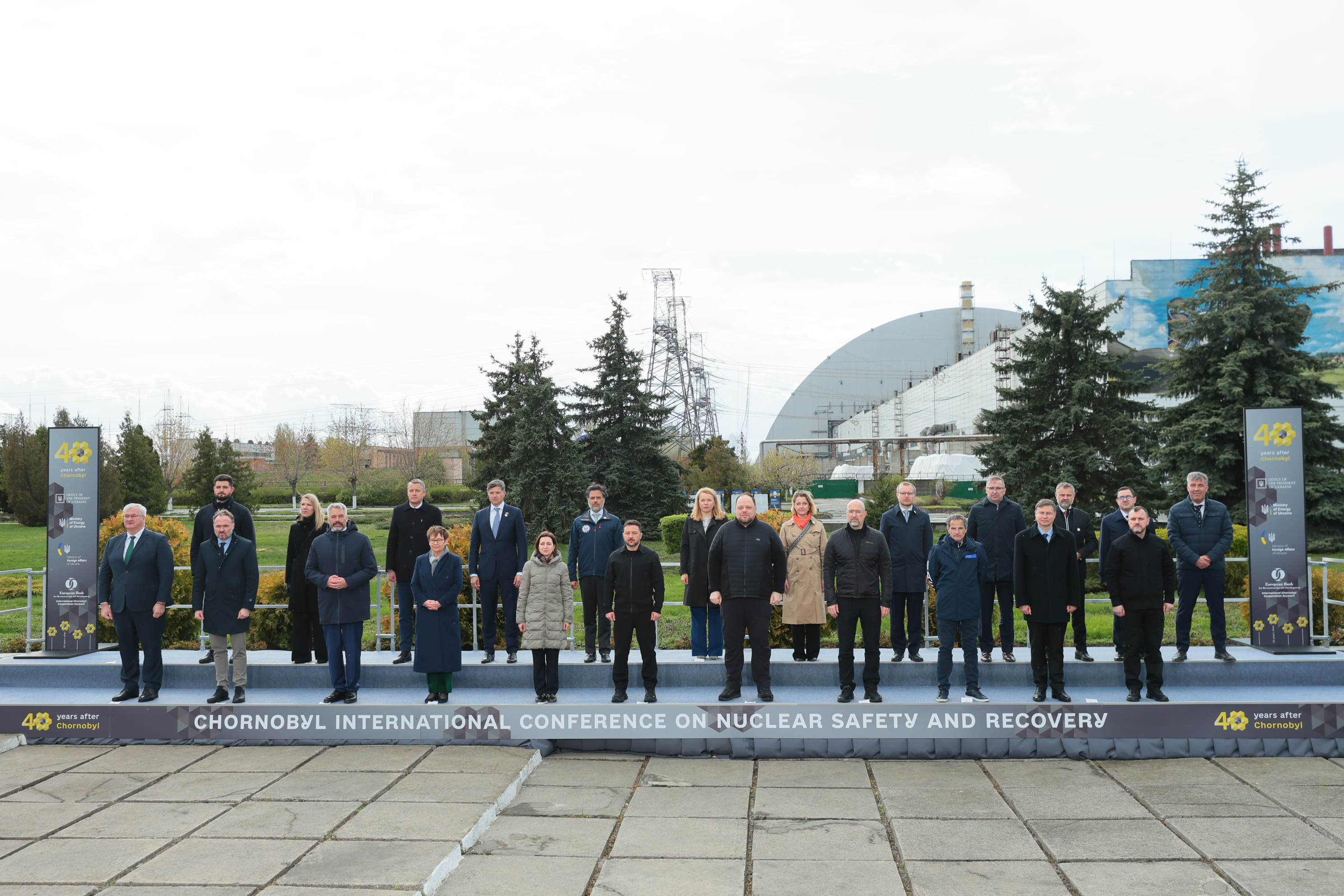
On April 26, the 40th anniversary of the Chernobyl disaster, the Chernobyl International Conference on Nuclear Safety and Recovery took place at the plant site. Participants included President of Ukraine Volodymyr Zelenskyy, President of Moldova Maia Sandu, IAEA Director General Rafael Grossi, EBRD President Odile Renaud-Basso, representatives of the European Union, and energy, finance, and foreign ministers from partner countries.
The event marked the launch of the fundraising process for the restoration of the NSC, with participants announcing initial commitments totaling approximately €100 million. In addition, SSE Chernobyl NPP and the EBRD signed a grant agreement allocating €30 million for the preparatory stage of the implementation of the above-mentioned program.
On April 29, the U.S. Department of State announced its intention to allocate up to $100 million for the restoration of the NSC.
«Judging by information from various sources, Ukraine’s nuclear facilities, including Zaporizhzhia NPP, experienced a relative lull, while Chernobyl NPP even hosted what were described as commemorative events marking the 40th anniversary of the nuclear disaster.
The relative lull at Ukraine’s nuclear facilities is reassuring on the one hand, but on the other, it raises the question of whether this is merely the calm before the storm. There is virtually no media coverage of Ukraine’s non-occupied NPPs. This is likely because winter has ended, electricity demand has declined, and many businesses and even private households have equipped themselves with backup generators of various types in case of emergency outages. As a result, what is happening in Ukraine’s electrical grid and energy infrastructure, including NPPs, currently attracts little public or media attention.
The situation at Zaporizhzhia NPP, much like the Russia-Ukraine negotiations on the war, appears to have stalled following the escalation of events in the Middle East. The lack of progress on Zaporizhzhia NPP may indicate that each side is preparing its own scenario for resolving the issue surrounding the plant.
As Bellona has previously noted, there is no simple solution that would allow this NPP to return to its intended operation. Therefore, further intense developments around Zaporizhzhia NPP should be expected, while hoping that such events do not breach the safety barriers in place at the plant.
At present, the only development observers are noting is increased Ukrainian drone activity around the city of Enerhodar. Whether this activity will intensify further and what its purpose may be remains to be seen. However, the very fact of such increased activity may indicate that the Ukrainian side has its own plans regarding this nuclear facility and the city of Enerhodar.
The Russian side, meanwhile, has long stated its position openly — Zaporizhzhia NPP is being prepared for operation and is considered a Rosenergoatom facility, as Bellona noted in previous digests.
The IAEA and other international institutions and governments, for now, remain passive observers. All sides appear to be waiting.
The organization of the International Conference on Nuclear Safety and the Recovery of Chernobyl appears to have been driven more by political considerations than by concerns about nuclear safety. Reports of active fundraising for the restoration of the NSC amid an ongoing war requiring vast resources — and in the absence of any real danger posed by the damaged confinement at Chernobyl NPP — are somewhat surprising. It is difficult to explain this activity, but it appears that there may be something — or someone — behind these efforts.»

Aleksander Nikitin
Special Nuclear Advisor
On April 1, Unit 2 of Metsamor NPP was shut down for five months instead of the usual 45 days as part of the plant’s lifetime extension program. Repair and modernization work involving Rosatom entities is expected to extend the plant’s operating lifetime through 2036.
Metsamor NPP originally operated two VVER-440 units, both of which were shut down in 1989. In 1995, Armenia restarted Unit 2. In 2011, its operating license was extended through 2021, and after modernization work carried out in 2021, it was further extended through 2026.
In December 2023, Armenia and Russia signed an agreement on further modernization and another extension of Metsamor NPP’s operating lifetime through 2036. The contract was valued at $65 million.
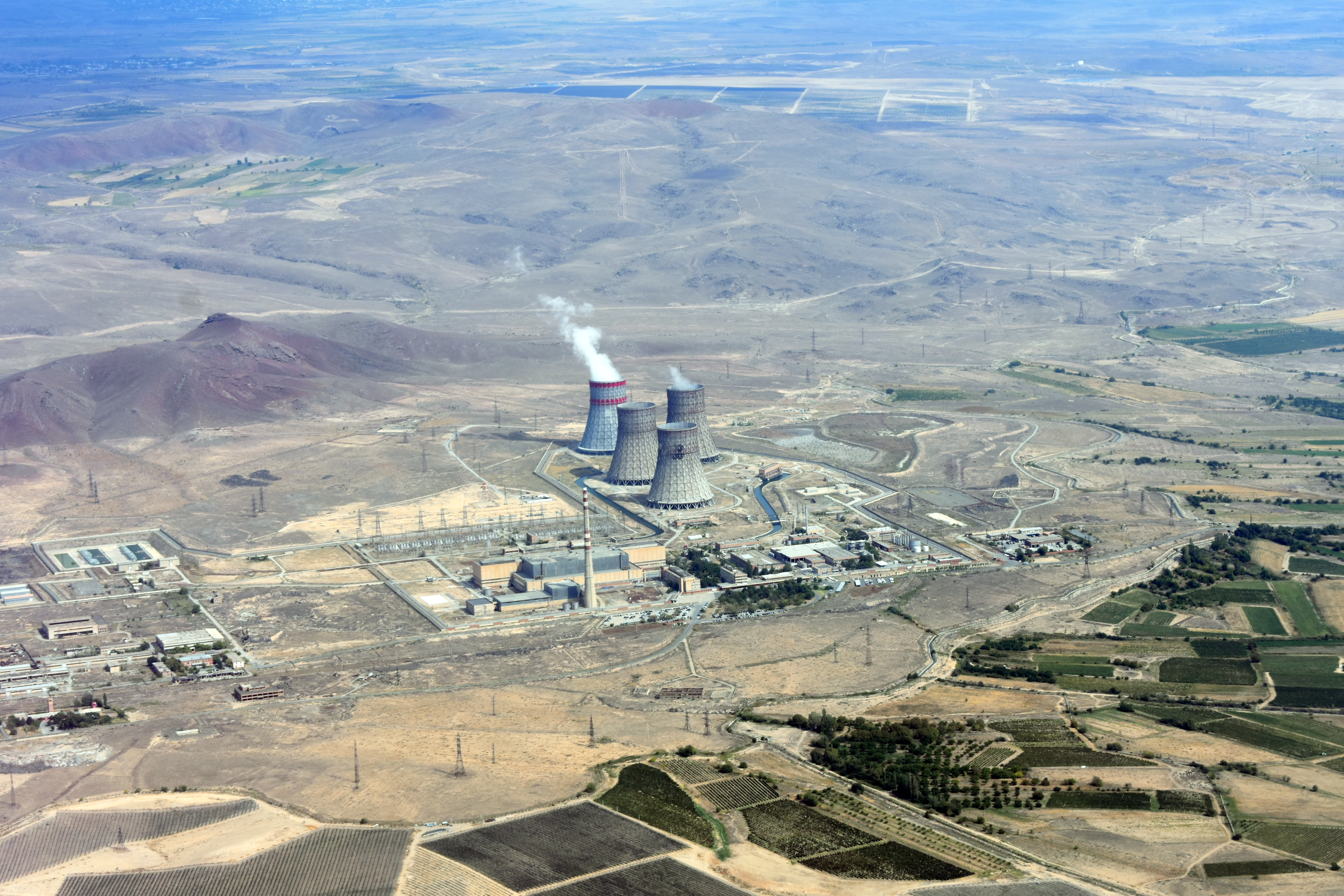
The work involves specialists from Rosatom Service JSC, Atomenergoremont, and its Novovoronezhatomenergoremont (NVAER) branch. Welding operations are being technically supported by experts from TSNIITMASH SIA JSC, while non-destructive testing of welded joints is being carried out by Belatom Service JSC. The current maintenance campaign will place particular emphasis on the modernization of Trains I and II of the reactor building’s essential service water system.
In February 2026, Armenian Prime Minister Nikol Pashinyan said that the operating lifetime of the Metsamor NPP reactor could eventually be extended by another 10 years, through 2046.
«Russia and Rosatom have traditionally played an important role in supporting Metsamor NPP through supplies of nuclear fuel, equipment, and modernization support as part of the plant’s lifetime extension efforts. However, the prospects for Rosatom’s participation in Armenia’s new nuclear program remain highly uncertain.
In recent years, Yerevan has stepped up efforts to develop a new NPP project focused on small modular reactors (SMRs), considering proposals from suppliers in the US, France, South Korea, and China. Rosatom has also expressed readiness to implement the project and submitted relevant proposals.
Nevertheless, the political context has significantly weakened Russia’s position. Relations between Russia and Armenia have deteriorated noticeably in recent years amid Yerevan’s growing alignment with the EU. A particularly clear signal of Armenia’s geopolitical orientation was the EU–Armenia summit held in May 2026, attended by dozens of EU leaders as well as Ukrainian President Volodymyr Zelenskyy, prompting a sharp reaction from Moscow.
Given the current political dynamics and the approaching elections, in which pro-European forces are widely seen as likely to prevail, we assess the prospects for Rosatom’s participation in the construction of a new NPP in Armenia as extremely low.»

Dmitry Gorchakov
Nuclear advisor
On April 8, Westinghouse announced that it had co-hosted the VVER Fuel Forum in Budapest together with MVM Paks NPP, which became the last European operator of Russian-designed NPPs to sign a fuel supply agreement with the American company.
The forum focused on the operating experience with VVER-1000 and VVER-440 fuel at operating units, as well as plans for its further deployment. It was reported that:
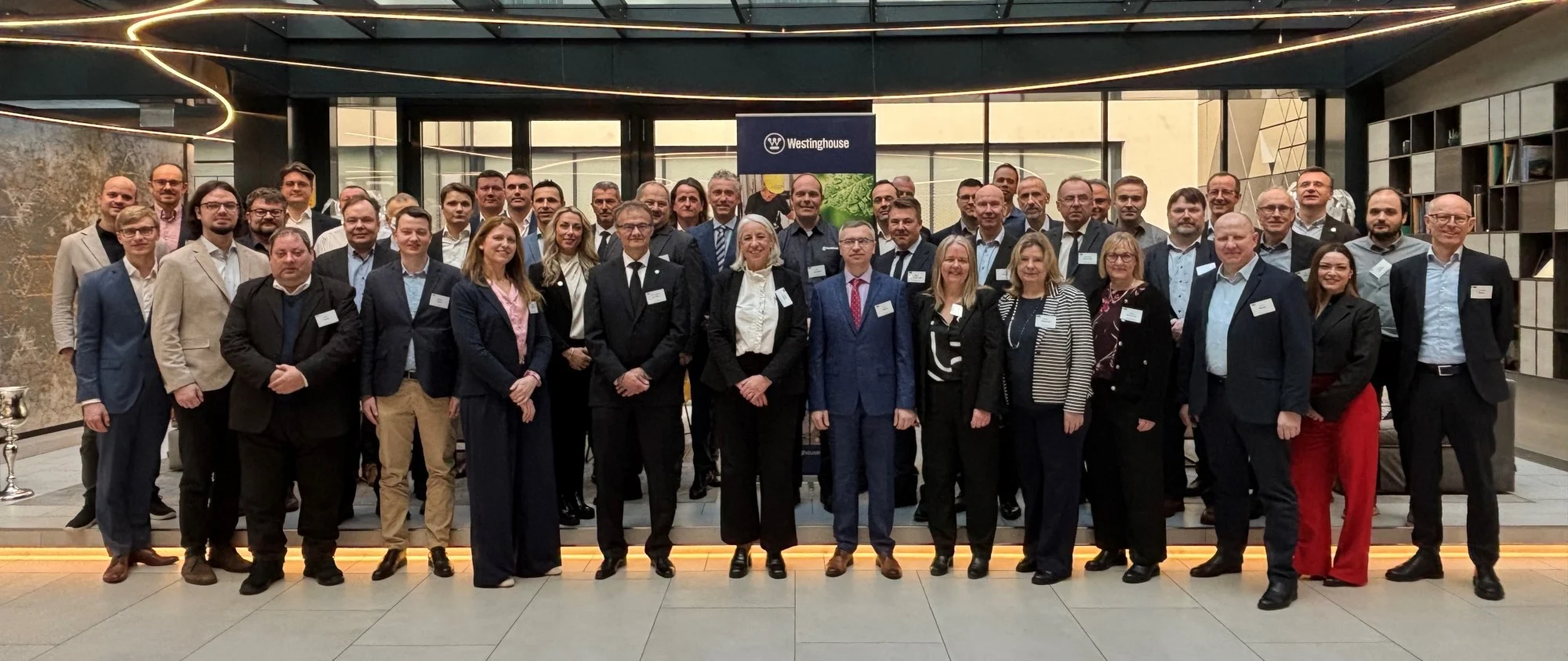
The statement also notes that Westinghouse is expanding fuel pellet production in Västerås, Sweden, which will result in a 50% increase in capacity by 2028.
Recall that Westinghouse leads the APIS (Accelerated Program for the Implementation of Secure VVER Fuel Supply) project, launched in 2023 and funded by the European Union, which also involves 11 other European companies. To date, Westinghouse has fuel supply contracts with all European operators of VVER reactors.
On April 9, Framatome announced the signing of contracts with four European energy companies operating VVER-440 reactors — ČEZ (Czech Republic), Fortum (Finland), MVM Paks NPP (Hungary), and Slovenské elektrárne (Slovakia).
According to the press release, the contracts formalize long-term cooperation within Framatome’s project to develop fully European fuel for VVER-440 reactors, which will be manufactured at facilities in France and Germany.
The project is currently in its first phase, which includes the design of a fuel assembly designated VERA-440, as well as its associated transport container. The next stage involves a Lead Test Assembly program, which is expected to support licensing for loading the fuel into reactors at the respective NPPs.
Framatome and 16 other participants, including the four companies mentioned above, are already cooperating on the development of new VVER fuel technology under the Safe and Alternative VVER European Project (SAVE), funded by the European Union.
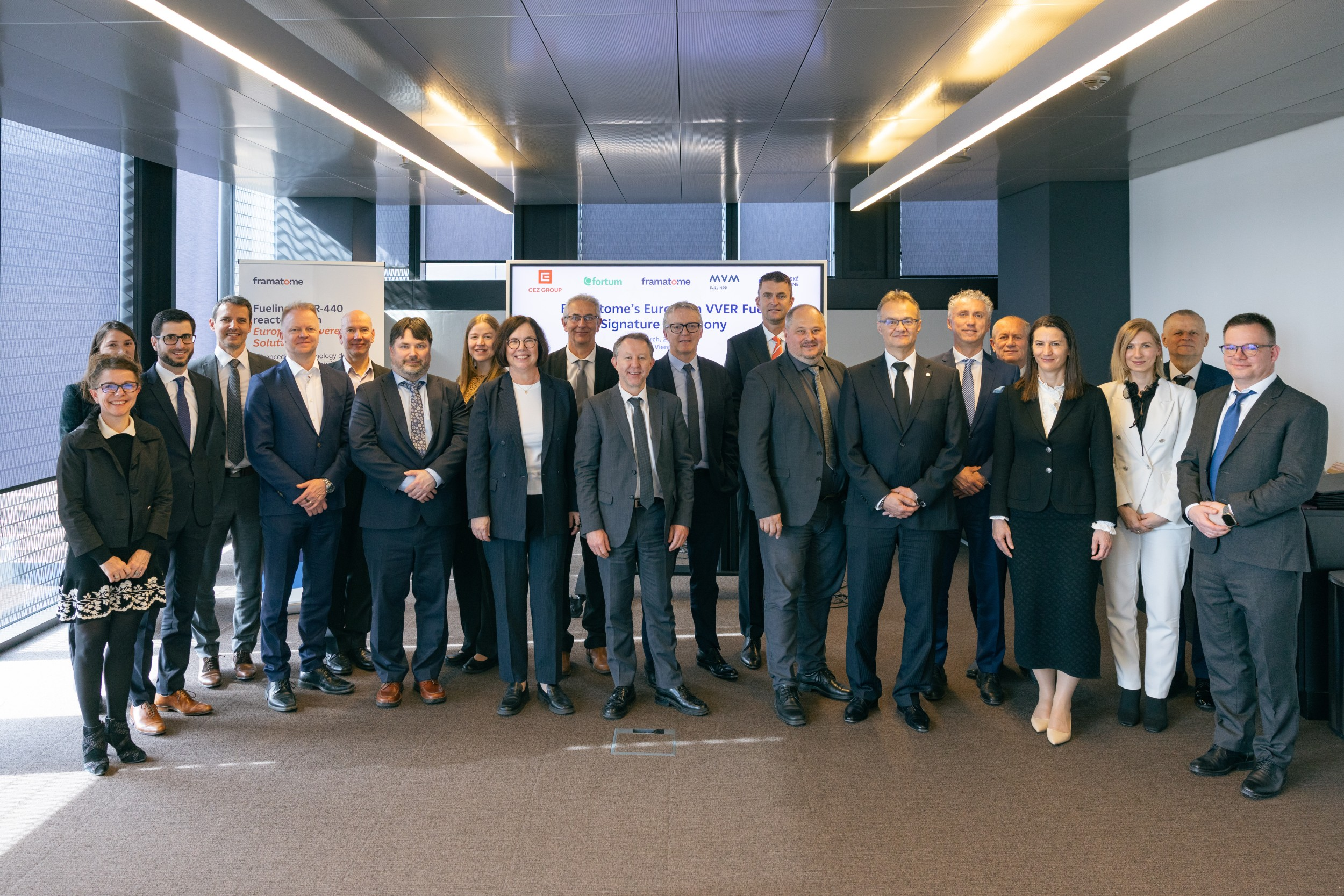
Framatome plans to begin manufacturing the first lead test fuel assemblies of its own design in 2028. Finnish utility Fortum notes that regular fuel deliveries could potentially begin in the early 2030s.
Notably, on April 13, the Prague office of the Heinrich Böll Foundation published an article titled “Dependency is not just about gas and oil, Dukovany power plant still runs on Russian nuclear fuel” examining the continued dependence of EU countries on Russian nuclear fuel and other elements of the Russian nuclear fuel cycle, despite efforts to reduce energy dependence on Russia after 2022. The article examines fuel supplies for VVER reactors in the Czech Republic, Slovakia, Hungary, Bulgaria, and Finland, the search for alternatives to TVEL fuel, as well as Russia’s continuing role in uranium conversion and enrichment.
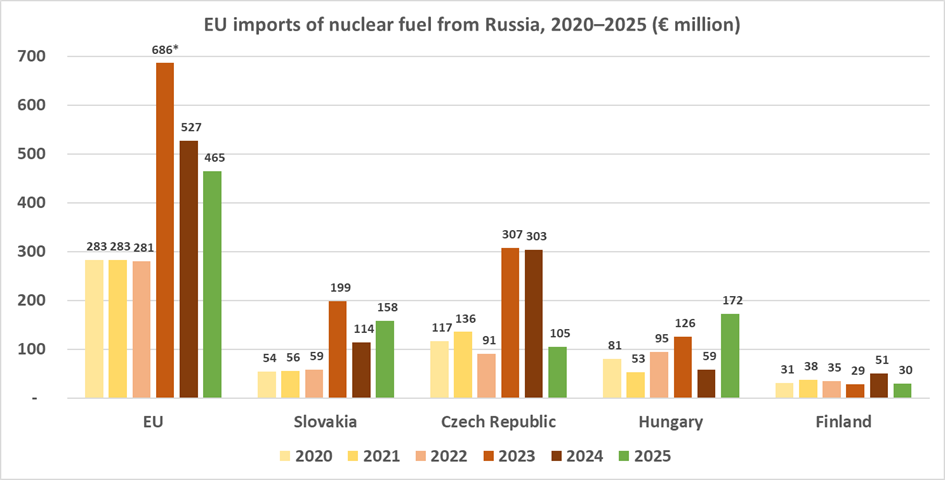
«Amid the absence of direct sanctions on Russian supplies to the civilian nuclear sector, operators of VVER reactors in EU countries continue their gradual transition to alternatives to Russian nuclear fuel.
On the one hand, after peaking in 2023, purchases of Russian fuel began to decline, and this trend continued in 2025. On the other hand, overall procurement levels still remain above pre-war figures, while between 2022 and 2025 EU countries collectively paid Rosatom 70% more for nuclear fuel than during the previous four-year period.
At least two distinct approaches are emerging within the EU. The first involves countries actively switching to alternative suppliers, primarily through cooperation with Westinghouse. In particular, the Czech Republic and Finland have already received their first deliveries of new fuel, with Finland beginning to load it into a reactor, while reducing purchases of Russian fuel under existing contracts to pre-war levels.
The second approach is characteristic of countries such as Hungary and Slovakia, which are either unwilling or unprepared to rapidly phase out Russian fuel and have instead chosen Framatome as an alternative supplier. At the same time, it is important to remember that the French company still does not possess a fully independent technology for manufacturing fuel for VVER reactors and plans in the coming years to carry out licensed assembly of Russian fuel at its facilities in Romans-sur-Isère, France, and Lingen, Germany. In practice, this would preserve dependence on Russian technology in a more indirect form.
As a result, the question of ending cooperation with Russia is no longer driven primarily by technological and regulatory constraints, as may have been the case in the first years after Russia’s invasion of Ukraine, but rather reflects the political inertia of certain governments and the dominance of purely economic considerations among a number of companies.»
Dmitry Gorchakov
Nuclear advisor
On April 15, Kazakhstan adopted a strategy for the development of its nuclear industry through 2050.
According to statements by the Atomic Energy Agency of the Republic of Kazakhstan, the strategy envisions that at least three NPPs will be operating in the country by 2050.
It was also noted that implementation of the country’s first NPP project has already begun, construction of a second plant is under consideration, and the potential use of small modular reactor (SMR) technologies is being explored as a possible option for a third station.
The strategy itself outlines the following nuclear generation development plans:
Following the selection of a Rosatom design for the country’s first NPP in June 2025, the government of Kazakhstan announced plans to build two additional plants, considering China as a potential technology supplier.
Notably, according to Atomic Energy Agency Chairman Almasadam Satkaliyev, Kazakhstan and Russia are working on a mechanism for an intergovernmental Russian loan to finance the first NPP project, named Balkhash. The loan is expected to cover 85% of the project’s cost, estimated at approximately $15 billion for two reactor units.
On April 22, during South Korean President Lee Jae-myung’s state visit to Vietnam, ministries and agencies from the two countries signed 12 cooperation agreements.
Among them were two memoranda of understanding related to the nuclear energy sector:
The main provisions of the four-party memorandum include consideration of financial support measures for new nuclear power plant projects in Vietnam, assistance in developing financial models to ensure the projects’ economic viability, and the establishment of a working group on financial support for NPP projects.
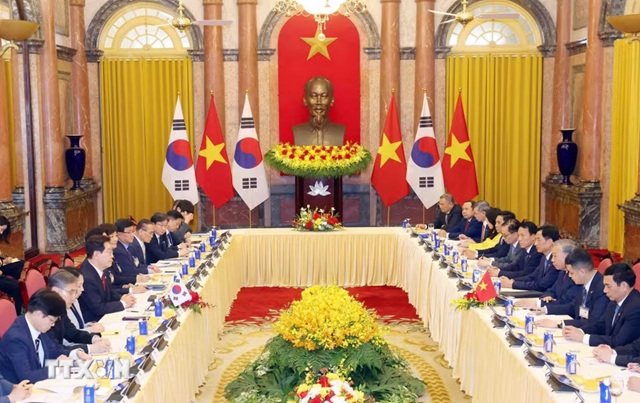
At the end of 2024, Vietnam resumed its nuclear program and returned to plans for two previously suspended NPP projects. In March, Russia and Vietnam signed an updated agreement on the construction of Ninh Thuan-1 NPP. Japan, which before 2016 had been expected to participate in the construction of Ninh Thuan-2 NPP, declined to join the revived project.
According to South Korean National Security Adviser Wi Sung-lac, Seoul and Hanoi are currently only at an early stage of discussions on possible cooperation on the Ninh Thuan-2 NPP project. He noted that the parties are examining the project as a whole, including its feasibility, risks, and the possibility of financial cooperation.
A report by Nuclear Engineering International noted that during the Korea–Vietnam Business Forum held on April 23, several South Korean companies expressed interest in participating in the construction of new NPPs in Vietnam and in developing supply chains for the country’s nuclear sector.
On March 31, Ethiopian Nuclear Energy Commission and Rosatom, represented by Deputy Director General Nikolai Spasskiy, signed a strategic roadmap for the development of nuclear energy.
The document outlines practical steps for implementing the agreement signed in September 2025 on the development of an NPP project in Ethiopia and defines the further direction of cooperation between the two countries.
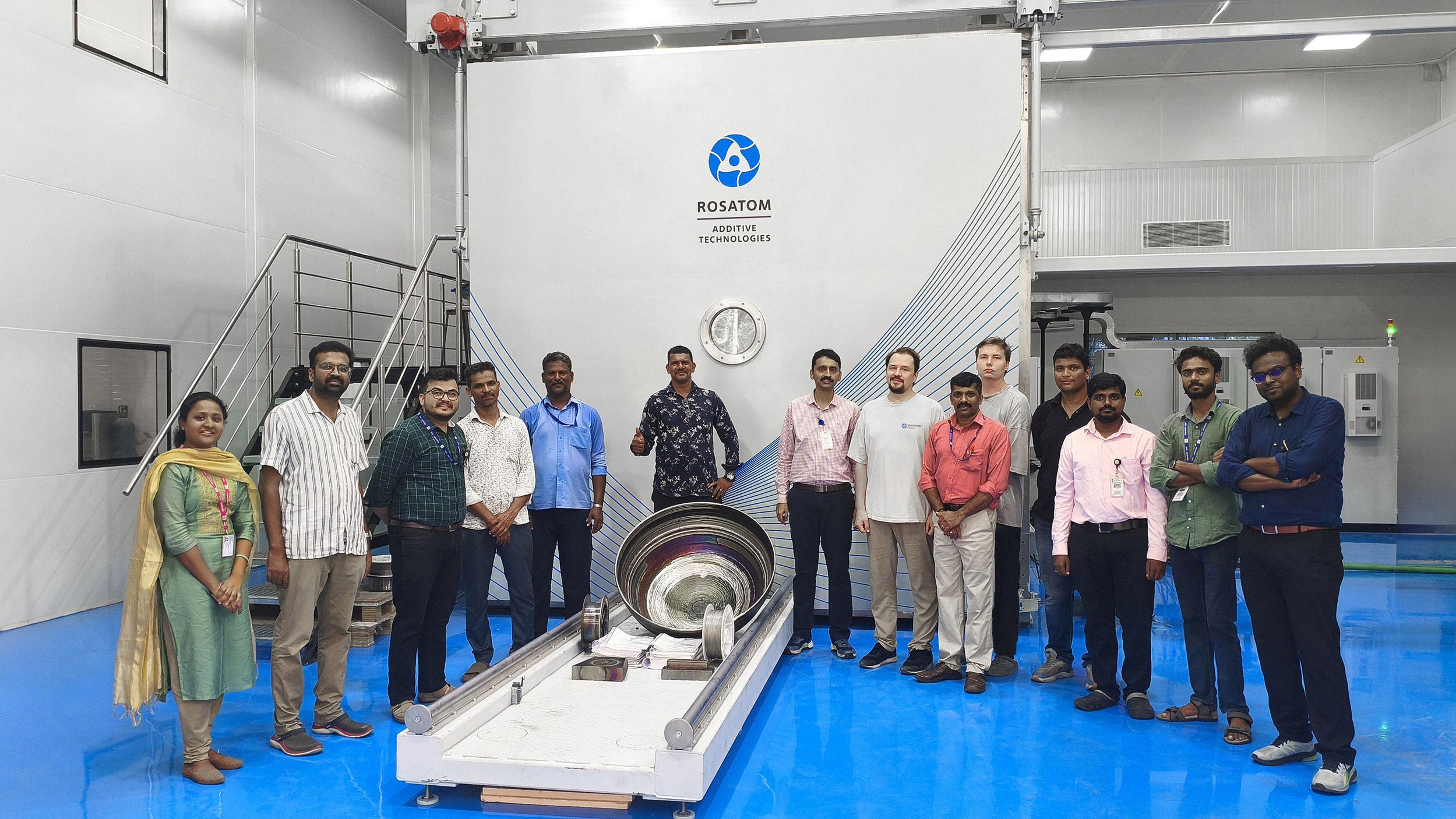
On April 28, Rosatom announced that its fuel division, which is developing the company’s additive technology business, had exported a 3D printer to a non-CIS country for the first time. The company delivered to India a RusBeam 2800 industrial 3D printing system for electron-beam wire deposition under vacuum.
The equipment has already passed acceptance testing and been commissioned at one of India’s major manufacturing centers. The system will be used to produce components for the aerospace industry.
According to Director General Alexey Likhachev, Rosatom won the international tender by offering not only the equipment itself, but also technological expertise, materials, and related services.
Notably, Rosatom Additive Technologies, which operates under TVEL’s management structure, has been placed under sanctions by the United States, the United Kingdom, and Canada.
On April 29, Unit 1 of Kursk II NPP, featuring a VVER-TOI reactor with a capacity of 1,253 MW, was commissioned and officially placed into commercial operation.
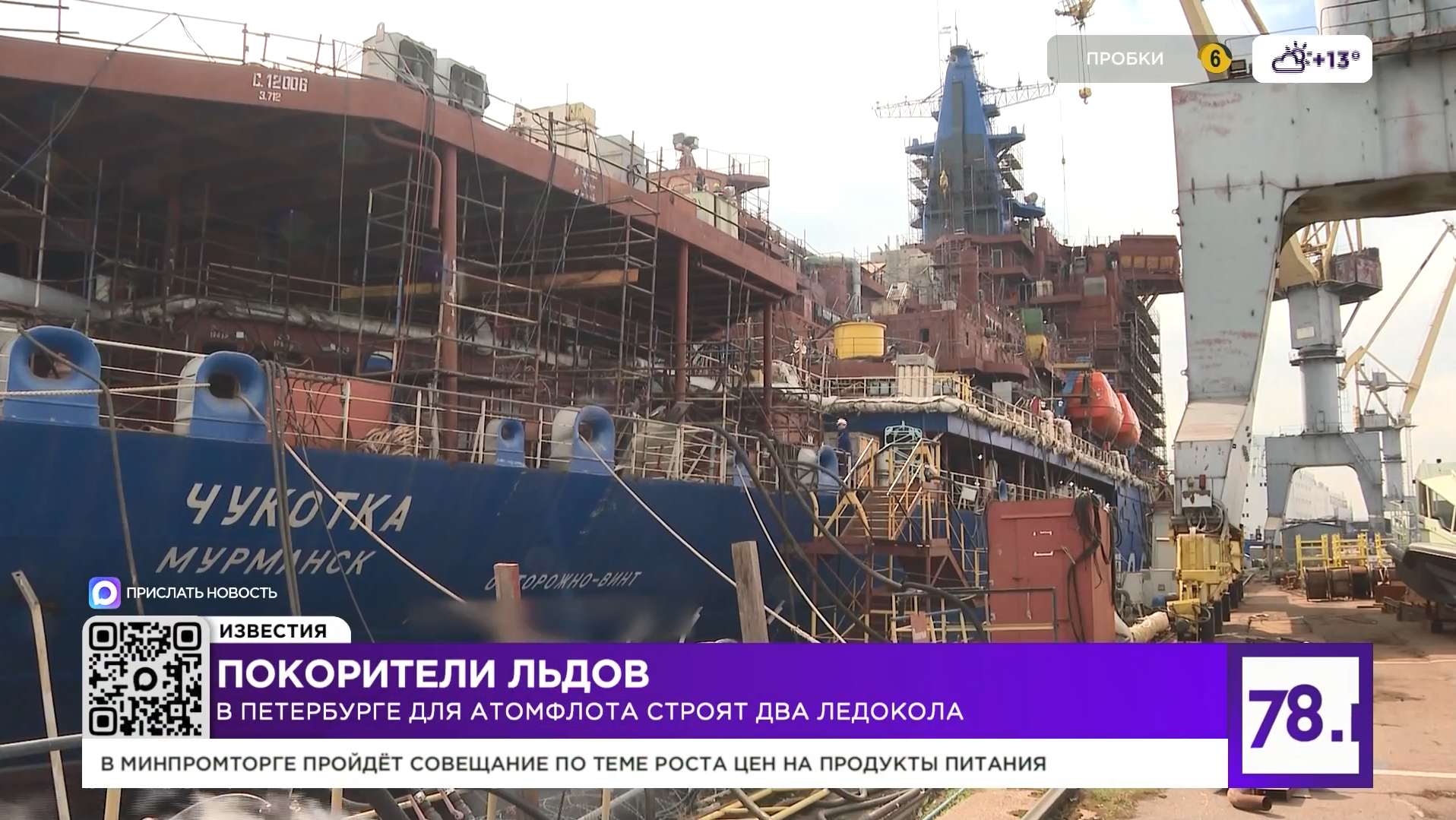
According to industry outlet SeaNews, whose publication has been preserved in the Web Archive, the hull of a PEB-106 floating nuclear power unit was delivered from China to the Baltic Shipyard in St. Petersburg in late March. According to available information, it is currently moored at the shipyard alongside the Chukotka nuclear-powered icebreaker, which is under construction.
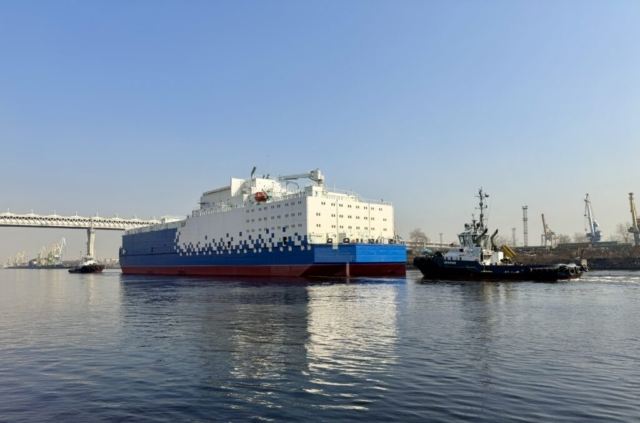
Rosatom plans to build four floating nuclear power units based on the technical solutions used for the Akademik Lomonosov floating power unit, but equipped with new RITM-200S reactors. The units are intended to supply power to the Baimskaya mining project in Chukotka.
It was previously reported that, due to the workload of Russian shipyards and their inability to complete the order within the required timeframe, the first two PEB hulls would be built by the Chinese shipyard Wison (Nantong) Heavy Industry Co Ltd. The nuclear equipment, including the RITM-200S reactors and turbines, will then be installed on the hulls at the Baltic Shipyard.
The hull of the first unit was laid down in August 2022. Under the contract signed in 2021, it was to be delivered to Russia by October 2, 2023, while the second hull was scheduled for delivery by February 2, 2024. The contract was valued at $225.8 million.
It was previously reported that the first two power units, to be deployed near Cape Nagloynyn, were scheduled to enter operation in early 2027, with the third planned for early 2028 and the fourth for early 2031. In 2024, the commissioning date for the first PEB was postponed to 2028.
In addition, a contract was signed in 2024 with the same Chinese company for the construction of the hull of the third floating power unit.
«The delivery of the first hull for a floating nuclear power unit from China took place in near-total silence from Rosatom and its affiliated entities. Information about the shipment surfaced only through local media reports and companies involved in the transportation operation, but those publications were quickly removed from the websites of the media outlets involved.
All of this points to a clear reluctance on Rosatom’s part to make the information public. The exact reasons remain unclear — whether it is due to security considerations, as in the case of the silence surrounding the construction of Unit 3 at Kursk II NPP, an effort to shield Chinese partners from potential sanctions, or propaganda considerations aimed at avoiding mention of the fact that a substantial part of this strategically important flagship project for both Rosatom and Russia was carried out with Chinese assistance.
The delay relative to the original construction schedule for the hulls is also striking — the first hull was delivered from China 2.5 years behind schedule. Overall, the time required for its construction and delivery nearly tripled: instead of the little more than one year originally allocated for the work — from August 2022 to October 2023 — the process ultimately took almost 3.5 years. The reasons for the delay remain unclear, although it is difficult to believe that Chinese shipyards were simply unable to complete the order on time.
It is possible that the war in Ukraine once again played a role, with sanctions risks leading to delays in the approval procedures and the delivery of certain components. In August 2025, the head of Rosatom stated that the installation of nuclear equipment on the first two floating power units was scheduled to begin in early 2026. This suggests that the equipment installation process is most likely already several months behind schedule and also indicates that another floating power unit hull will likely be delivered in the near future.
At the same time, it can be stated with a high degree of confidence that this floating power unit will be loaded with nuclear fuel at the Baltic Shipyard and that its reactors will also be started up there, as has been done in recent years for all Project 22220 nuclear icebreakers equipped with similar reactors. This means that the unit may ultimately be towed through the Baltic Sea and around the Scandinavian Peninsula and the coast of Norway toward the Northern Sea Route and Chukotka with nuclear fuel on board and reactors that have already undergone initial startup procedures. I discussed the associated risks in more detail in a commentary for The Barents Observer.»
Dmitry Gorchakov
Nuclear advisor
Xudapu NPP, China. On April 3, cold functional tests were completed at Unit 3 of Xudapu NPP, including containment leak-tightness and strength tests under low-temperature and high-pressure conditions.
On April 6, Rosatom’s fuel company TVEL delivered fuel for the unit’s initial core loading.
Paks II NPP, Hungary. Following Hungary’s parliamentary elections held on April 12, Viktor Orbán’s government was replaced after 16 years in power by a cabinet led by Péter Magyar and his Tisza Party.
On April 13, Magyar stated that Hungary’s new government would review all classified government decrees, contracts, and financing arrangements related to the construction of Paks II NPP under Rosatom’s project in order to determine why the project cost had doubled from the original €12.5 billion.
Later, on May 11, the incoming Minister of Economy and Energy István Kapitány said that one of his first steps in office would be to reassess the Paks II project.
In response, Rosatom Director General Alexey Likhachev stressed that he was ready to answer any questions regarding the project, including its cost.
“We understand the economics of such projects better than anyone else in the world. Numbers are rational things. We can easily explain and justify them if required by the Hungarian customer. Contracts of this kind are not public for obvious reasons: a nuclear power plant is an extraordinary facility,” he said.
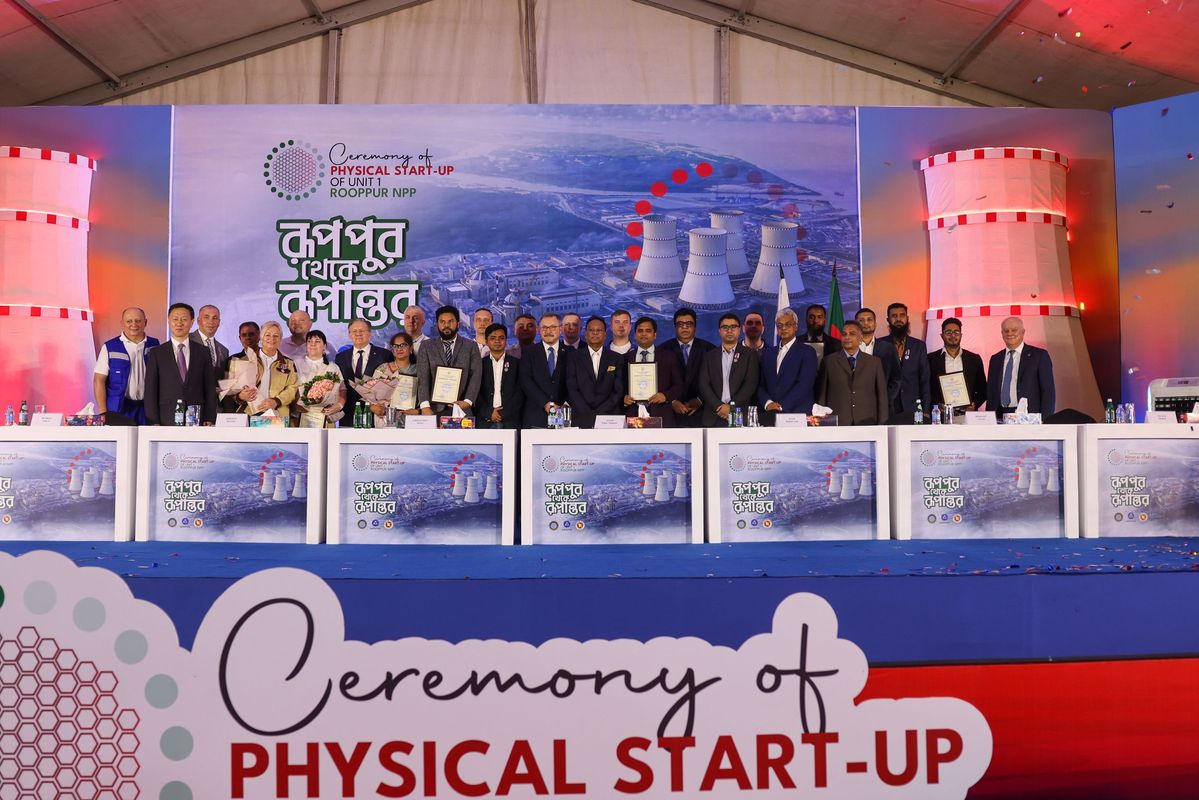
Rooppur NPP, Bangladesh. On April 16, the Bangladesh Atomic Energy Regulatory Authority (BAERA) issued an operating license for Unit 1.
On April 28, nuclear fuel loading began at the unit. The ceremony was attended by Rosatom Director General Alexey Likhachev and Bangladesh’s Minister of Science and Technology, Fakir Mahbub Anam. By May 12, 163 fuel assemblies had been loaded into the reactor core. The reactor will next be brought to the minimum controlled power level, after which power will be gradually increased.
Rosatom and Bangladesh signed an agreement on the construction of Rooppur NPP in February 2011. The $12.65 billion contract was signed in December 2015, and the construction license was issued in June 2016. Construction of Unit 1 began in November 2017, followed by Unit 2 in July 2018. The first batch of nuclear fuel was delivered to the site in October 2023.
Likhachev stated that startup operations at Unit 2 are planned to begin in 2027.
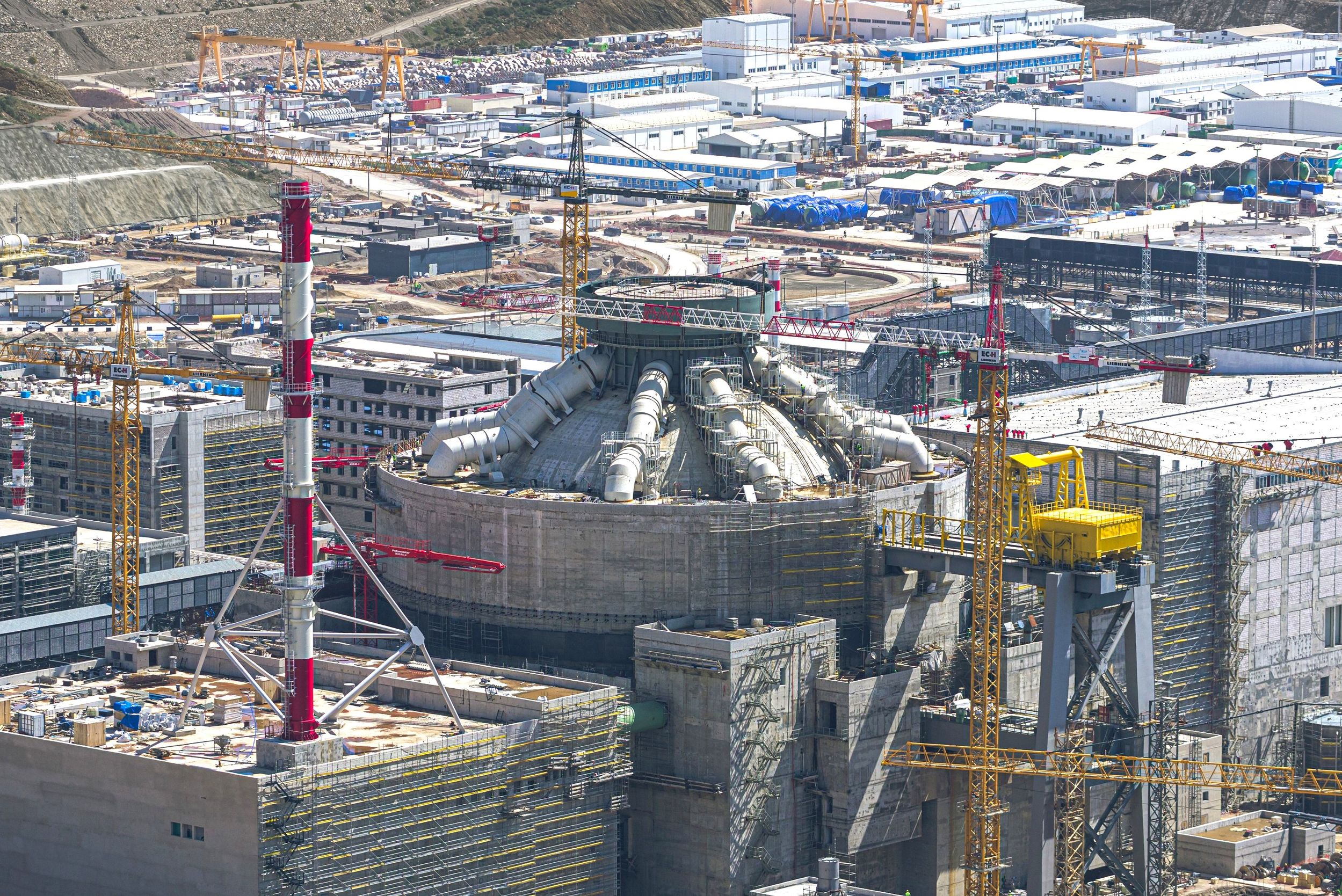
Akkuyu NPP, Turkey. On April 21, during a working visit to the Akkuyu NPP construction site, Rosatom Director General Alexey Likhachev said that Turkish companies were interested in acquiring a stake in the project and that the parties were discussing specific parameters of potential participation.
Back in July 2025, reports had already emerged about negotiations with Turkish investors regarding the sale of a 49% stake in Akkuyu NPP.
Turkish financial news portal Doviz.com, citing an unnamed source, reported that negotiations are currently underway with two or three Turkish companies. According to the report, the partner will not necessarily receive the full 49% stake, and the share could be smaller.
The outlet also noted that the cost of the Akkuyu NPP project, originally estimated at $20 billion when the agreement with Russia was signed, has risen to $27–28 billion.
Turkish media, citing sources in the country’s Energy Ministry, report that commissioning of Unit 1 is scheduled to begin in September–October of this year.
Meanwhile, on April 2, tanks of the passive core flooding system were installed in the reactor building of Unit 2 at Akkuyu NPP.
On April 29, manufacturing was completed for a set of steam generators and reactor internals for Unit 4.
On April 30, installation of components of the passive heat removal system was completed on the dome of the reactor building of Unit 1 at Akkuyu NPP.
Kudankulam NPP, India. On April 25, flushing of the safety systems to the exposed reactor began at Unit 3.
On April 13, the Prague office of the Heinrich Böll Foundation published an article titled “Dependency is not just about gas and oil, Dukovany power plant still runs on Russian nuclear fuel” on the continued dependence of EU countries on Russian nuclear fuel and other elements of Russia’s nuclear fuel cycle despite efforts to reduce energy dependence on Russia after 2022. The article examines fuel supplies for VVER reactors in the Czech Republic, Slovakia, Hungary, Bulgaria, and Finland, the search for alternatives to TVEL fuel, as well as Russia’s continuing role in uranium conversion and enrichment.
Оn April 26, The Moscow Times published an opinion piece by Bellona website editor Charles Digges about the state of Chernobyl cleanup on the 40th anniversary of the disaster, highlighting the Russian drone attack on the New Safe Confinement. The article is available on the outlet’s website (“40 Years Later, Chernobyl Remains a Lesson in the Unthinkable”).
A monthly analytical review offering expert insight into key developments in nuclear policy, economics, safety, and technology related to the activities of Rosatom in Russia, Ukraine, and other countries
A monthly analytical review offering expert insight into key developments in nuclear policy, economics, safety, and technology related to the activities of Rosatom in Russia, Ukraine, and other countries
A monthly analytical review offering expert insight into key developments in nuclear policy, economics, safety, and technology related to the activities of Rosatom in Russia, Ukraine, and other countries
A monthly analytical review offering expert insight into key developments in nuclear policy, economics, safety, and technology related to the activities of Rosatom in Russia, Ukraine, and other countries