Bellona Nuclear Digest. February 2026
A monthly analytical review offering expert insight into key developments in nuclear policy, economics, safety, and technology related to the activities of Rosatom in Russia, Ukraine, and other countries
News
Publish date: 06/05/2026
News
After Russia’s full-scale invasion of Ukraine in February 2022, Bellona ceased its activities in the aggressor country. On 18 April 2023, Russia’s Prosecutor General’s Office declared Bellona an undesirable organization in the Russian Federation.
Nevertheless, we continue to systematically monitor and analyze developments related to Rosatom’s activities that we believe are of interest to an international audience. The aim of this review is to assess the scale of Russia’s international influence in the nuclear sector, as well as the associated political, economic, and environmental risks.
This digest covers events from March 2026.
You can follow the links to read the three most recent digests covering February and January 2026, December 2025.
Subscribe to our mailing list to stay informed about future issues. Download a PDF of this digest here.
NUCLEAR EVENTS IN UKRAINE AND THE WAR
1. The Zaporizhzhia NPP and other nuclear facilities in Ukraine. Events of March 2026
1.1. Nuclear diplomacy events
– The United States did not support a Board of Governors resolution on the impact of Russia’s attacks on nuclear safety in Ukraine
– IAEA and Russian representatives held another round of consultations in Moscow on the Zaporizhzhia NPP
– IAEA shifted to more neutral wording on the Zaporizhzhia NPP in its updates
1.2. Military threats at the ZNPP and other nuclear facilities of Ukraine
1.3. Operational status of the ZNPP
2. Restoration of the NSC at Chernobyl Estimated at €500 Million
3. Cabinet of Ministers of Ukraine Approves Siting and Construction of Nuclear Fuel Assembly Production Facility
INTERNATIONAL NUCLEAR EVENTS AND THEIR CONNECTION WITH RUSSIA
4. Turkey Expands Talks on New NPPs: CANDU Among Technologies Under Consideration
EVENTS IN THE RUSSIAN NUCLEAR SECTOR AND IN ROSATOM PROJECTS ABROAD
5. Russia and Vietnam Resume Ninh Thuan 1 NPP Project
6. Rosatom and Uzatom signed an agreement on a new NPP configuration
7. Rosatom to participate in the creation of a joint venture on critical minerals in Brazil
8. Rosatom and DP World to establish a joint venture with FESCO involvement
9. Likhachev comments on Rosatom’s projects and plans
10. Start of construction of Kursk NPP-2 Unit 3 and Unit 1 reaching 100% capacity
11. Contract signed for the construction of two units at Kola NPP-2
12. Rosatom’s Projects Abroad in Brief
On March 5, IAEA Director General Rafael Grossi presented to the Board of Governors his latest report (GOV/2026/7) on nuclear safety, security, and safeguards in Ukraine, covering the period from November 12, 2025, to February 20, 2026.
The report states that throughout this period, military activity was observed and recorded in the immediate vicinity of all Ukrainian NPPs.
According to the IAEA teams at ZNPP, military activity near the Russian-occupied plant intensified compared to previous periods.
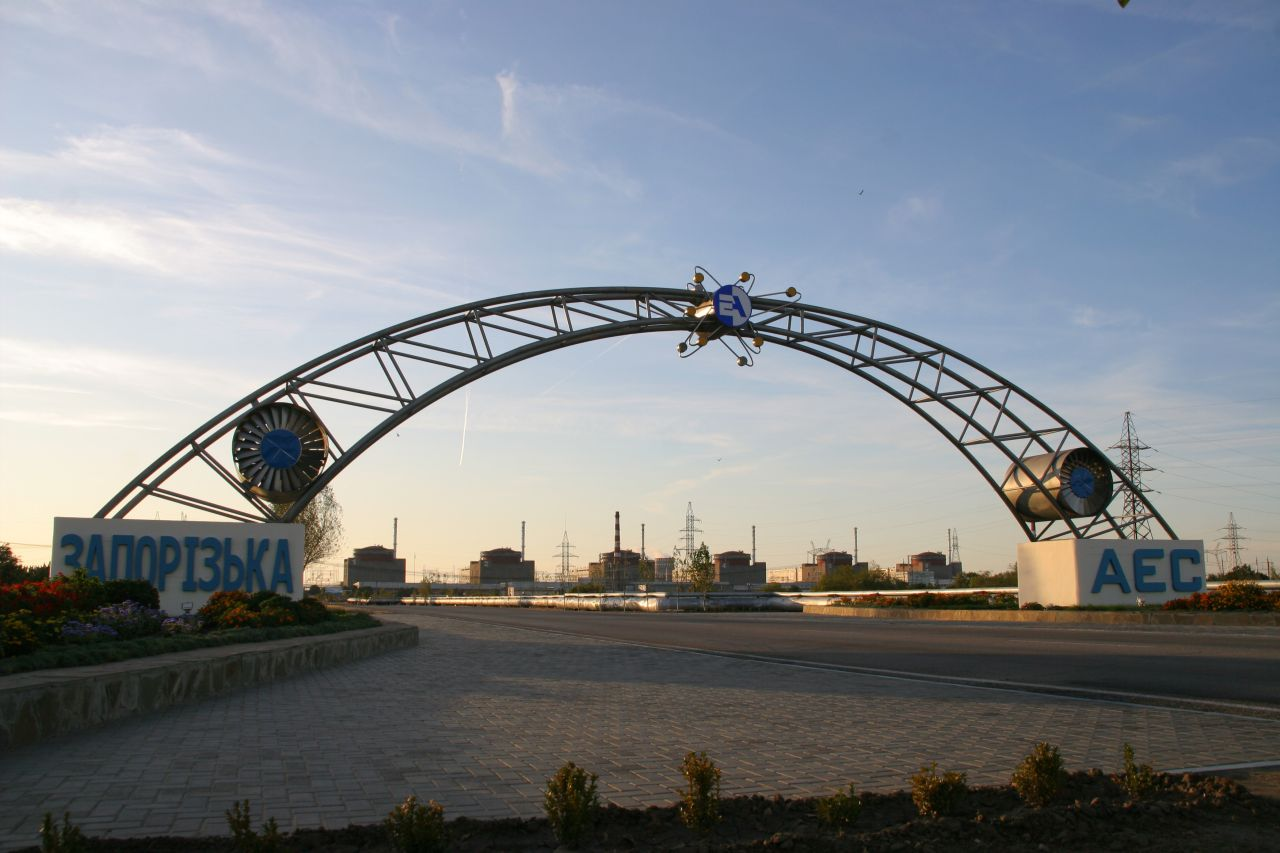
In addition, military attacks affected the stability and reliability of off-site power supply to all Ukrainian NPPs: damage to grid infrastructure was reported, along with disconnections of individual power lines, reactor shutdowns and disconnections from the grid, and frequent power reductions in response to grid instability and transmission capacity limitations.
The report provides a detailed chronology of incidents at Ukrainian NPPs related to military activity.
Regarding ZNPP, the report notes that during the reporting period the Russian nuclear regulator Rostekhnadzor issued 10-year operating licenses for Units 1 and 2. According to information provided to the IAEA by the Russian side, the license conditions stipulate that the reactors shall remain in cold shutdown until safety guarantees related to the ultimate heat sink and off-site power are resolved, and that additional safety documentation must be submitted and approved before the units can be moved to any other operational mode.
The report also describes the activities and observations of IAEA mission experts at ZNPP. It notes that IAEA access to certain areas (the western parts of the turbine halls, warehouses, and a number of infrastructure facilities) remains restricted, and that armed troops and military equipment (including armored personnel carriers, military logistics vehicles, and weapon-mounted armored vehicles) are present at the site. Equipment supplies are described as generally sufficient but subject to delays, with some shortages reported and plans to replace Western components with Russian alternatives.
The Board of Governors adopted a resolution recognizing the direct impact of Russia’s systematic attacks on Ukraine’s energy infrastructure on nuclear safety and security.
Reuters reports that the wording of the resolution is softer than in previous cases. The resolution was adopted with 20 votes in favor—including France, the United Kingdom, Australia, Canada, South Africa, and Argentina—10 abstentions, and 4 votes against, from Russia, China, Niger, and the United States.
In its statement, the United States said that while it continues to support the IAEA’s work in Ukraine and calls on all parties to refrain from actions that jeopardize nuclear safety and security, the proposed resolution is unnecessary and does not contribute to achieving peace between Ukraine and Russia.
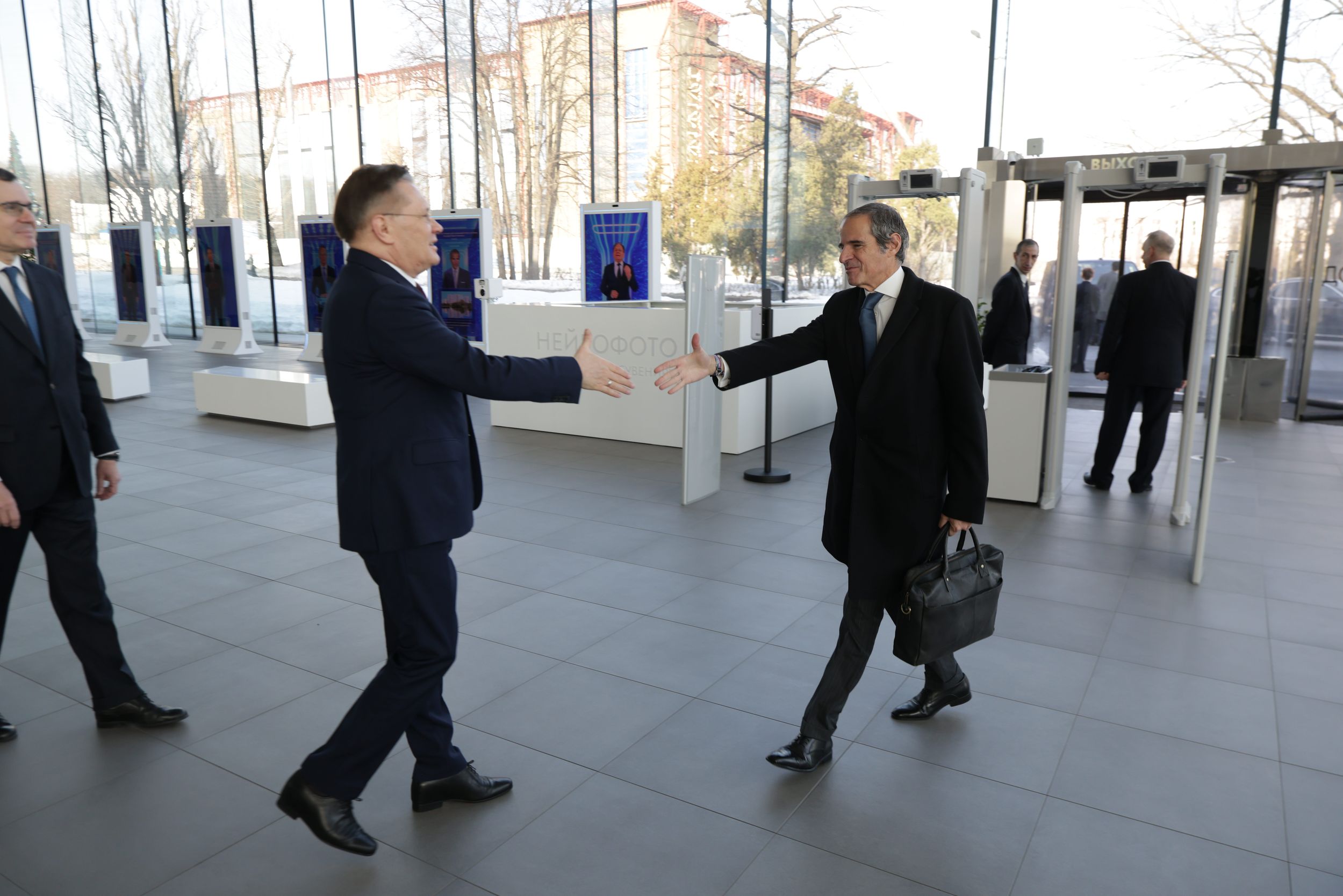
On March 13, the 12th round of interagency consultations between IAEA and Russian delegations took place in Moscow, involving Rostekhnadzor, the Ministry of Foreign Affairs, the Radiation, Chemical and Biological Defense Troops of the Russian Armed Forces, and the National Guard. According to Rosatom, the main topic of the meeting was the safety of ZNPP and Enerhodar. Grossi was also “informed about the preparations carried out jointly with Rostekhnadzor to restart the ZNPP’s power units, including obtaining the relevant licenses from the Russian regulator.”
Separately, Rosatom Director General Alexey Likhachev told journalists that the equipment needed to address ZNPP’s water supply issues has already been manufactured (the contract for the manufacture and supply of a cooling pond recharge station was signed in January 2025).
Ukrainian nuclear energy expert Georgiy Balakan noted that following the Moscow consultations, the IAEA changed the wording in its official statements on the situation in Ukraine: whereas prior to Update 343 (March 6) the reports consistently opened with the phrase “Ukraine’s Zaporizhzhia Nuclear Power Plant,” starting with Update 344 (March 19) a neutral formulation has been used without indicating the plant’s affiliation.
In the author’s view, this neutralization of wording may contribute to legitimizing Russian control over the plant. He identifies as the starting point of this trend the decision adopted in early 2025 to conduct IAEA mission rotations to ZNPP via the territory of Russia rather than the territory of Ukraine.
Russia has previously expressed dissatisfaction with wording in IAEA reports and resolutions that “call into question Russia’s ownership of ZNPP.”
In March, the IAEA reported continued instability in ZNPP’s off-site power supply (Updates 344, 345, 346). The plant remained temporarily without its main 750 kV Dniprovska power line and relied on a single backup 330 kV Ferrosplavna-1 power line, restored on March 5 under a ceasefire arrangement facilitated by the IAEA.
In other regions of Ukraine, IAEA teams reported the impact of attacks on grid infrastructure, including disconnections of nuclear facilities from the grid and the use of backup power sources. Reports also noted the presence of drones near NPPs.
Notably, on March 4—the fourth anniversary of Russia’s seizure of ZNPP—Greenpeace Ukraine published a report analyzing satellite imagery of switchyards and power line pylons at ZNPP and the Zaporizhzhia thermal power plant over the past year. The report catalogs incidents involving damage to the 750 kV Dniprovska and 330 kV Ferrosplavna-1 power lines, including their locations, outage durations, and repair conditions. It states that the analysis found no evidence supporting claims of Ukrainian involvement in the damage, and that some incidents occurred in areas under Russian control.
From March 3, as part of integrating ZNPP into Rosenergoatom’s management standards, IT functions at the plant (including operation of automated process control systems) were transferred to Consist-OS, an integrator and IT competence center of Rosatom’s electric power division.
On March 16, ZNPP’s Russian press service reported that a VVER-1000 reactor simulator had been launched at Sevastopol State University to train specialists.
On March 10, the State Specialized Enterprise “Chernobyl NPP” reported that the French companies Bouygues Travaux Publics and Vinci Construction Grands Projets, which designed and built the New Safe Confinement (NSC) over the Unit 4 sarcophagus at Chernobyl as part of the Novarka consortium, had completed a preliminary technical assessment of the damage caused to the structure by a drone strike in February 2025.
Preliminary plans envisage restoring the NSC by 2030, with the cost of the work estimated at €500 million.
Full restoration of NSC functionality will require a range of measures, including replacement of all damaged membranes, repairs to the main crane maintenance system and other damaged equipment, as well as repairs to load-bearing steel structures and restoration of the outer cladding’s full airtightness. This is an extremely complex technical task given the high radiation fields in the work area.
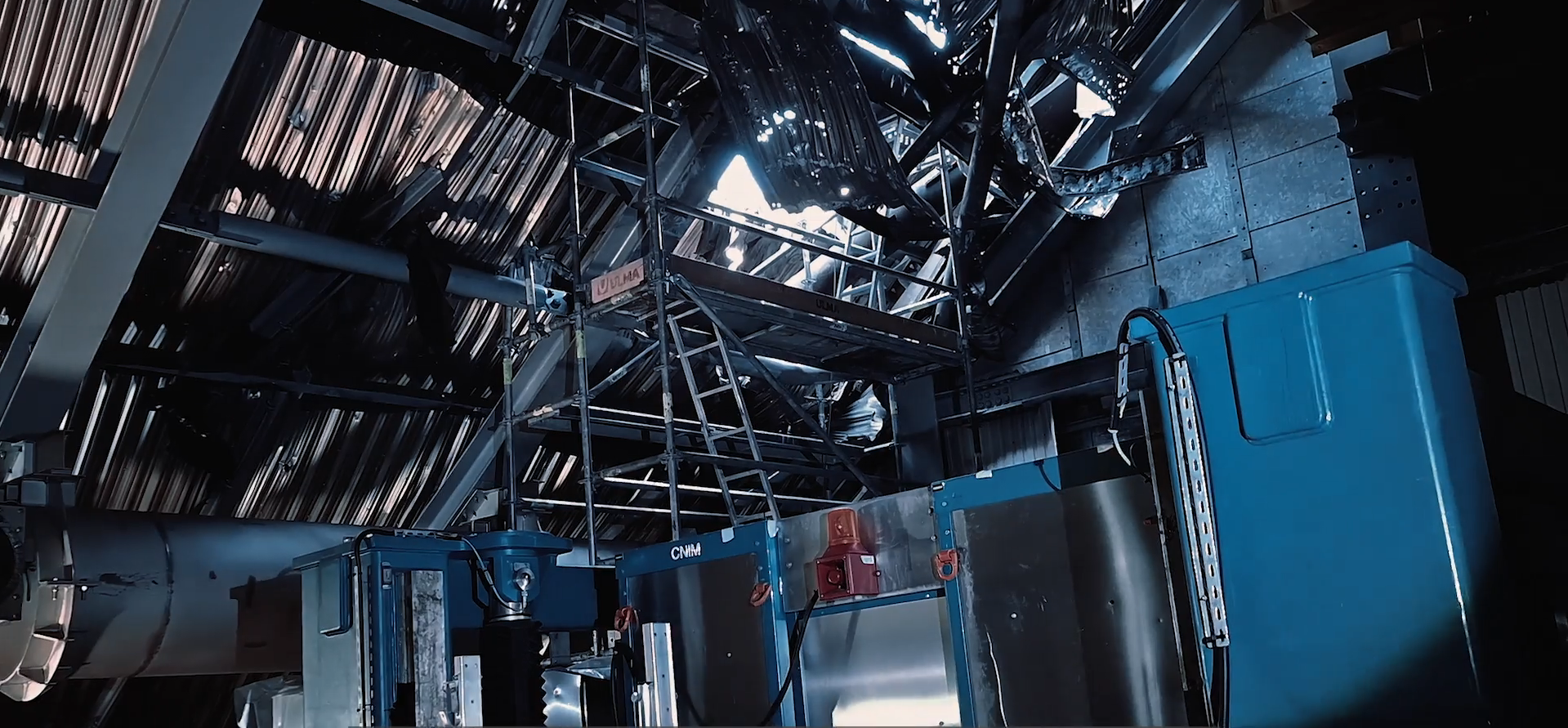
Dismantling of unstable structures of the old Shelter over the destroyed unit will only be possible after the NSC’s functionality has been restored.
As of March 2026, more than €70 million had been raised from 15 international donors under the International Chernobyl Cooperation Account (ICCA), a donor fund managed by the European Bank for Reconstruction and Development (EBRD). In February, the Ukrainian government additionally allocated €31 million from the state budget for these works. Earlier, in June 2025, a further €42.5 million had been pledged by donors at a meeting of the ICCA Assembly in London.
On March 25, the Cabinet of Ministers of Ukraine approved a proposal by the Ministry of Energy to construct a nuclear fuel assembly manufacturing complex near Pivdennoukrainsk for Ukrainian NPPs using Westinghouse technology.
Energoatom, the operator of Ukraine’s NPPs, noted that this is an important step toward Ukraine’s energy independence. The next stage will involve developing design documentation and undergoing a comprehensive state review. Cooperation between Energoatom and Westinghouse on nuclear fuel production began in 2019, when the US partner initiated qualification of one of Energoatom’s separate subdivisions as a supplier of top nozzles and bottom nozzles for Westinghouse’s VVER-1000 fuel assemblies.
In 2025, Energoatom signed agreements with Westinghouse Electric Sweden AB on technology transfer and licensing for the design and manufacture, as well as the procurement of equipment to produce fuel assemblies for VVER-1000 reactors.
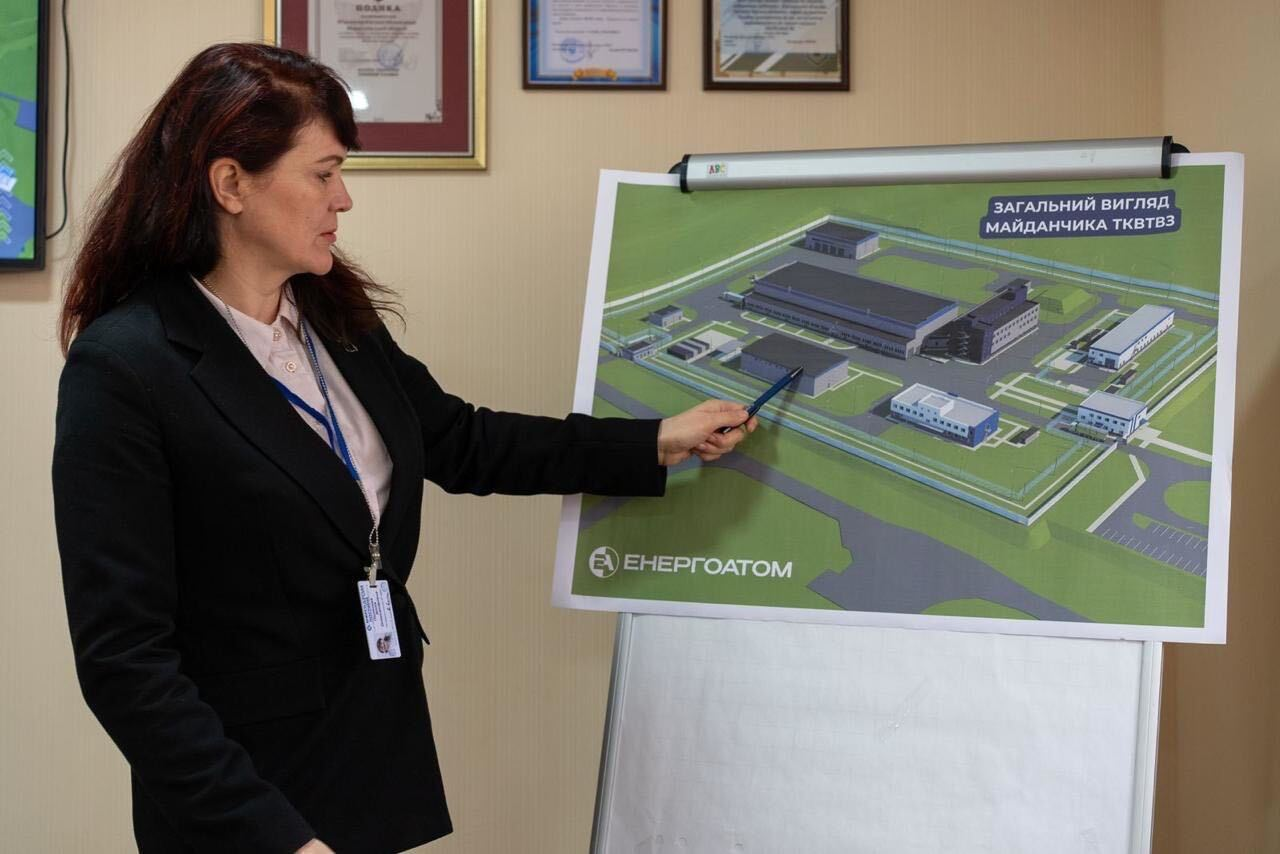
Ukrainian nuclear energy expert Olha Kosharna, citing materials from a conference on nuclear sector development, notes that the planned annual capacity of the future fuel fabrication plant is 570 fuel assemblies, to be assembled from imported components using Ukrainian-made top and bottom nozzles. She also notes that there are seven VVER-1000 units in government-controlled territory in Ukraine, requiring 294 fuel assemblies annually (546 including ZNPP).
(In 2023, the head of Energoatom stated that from 2026 the company plans to meet up to 50% of Ukrainian NPPs’ fuel needs with domestically produced fuel, with the remaining half to be supplied by Westinghouse.)
«In the previous digest, we highlighted developments related to the activities of Rostekhnadzor and Rosenergoatom around the issuance of licenses for reactor units at ZNPP. Rosatom presented these developments extensively and in a celebratory, promotional tone, which raised significant doubts among Bellona experts and left it unclear what was actually taking place. Following the IAEA report (GOV/2026/7, para. 51), it became clear that ZNPP does not in fact currently have any Rostekhnadzor license that would authorize commissioning, let alone operation, of Units 1 and 2 for a 10-year period, as claimed by Rosatom.
Here it is important to clarify that at different stages of an NPP’s lifecycle, Rostekhnadzor issues several types of licenses in accordance with a strictly defined procedure established by the Federal Law “On the Use of Atomic Energy,” as well as other regulatory documents (OPB-88/97, Federal Rules and Regulations). These include licenses for siting and construction, for commissioning (fuel loading, first criticality, and grid connection), and the key time-limited operating license (typically issued for 10 years) authorizing electricity generation.
In addition, following modernization, or upon expiry of the initial operating term, a lifetime extension license may be issued. The final stage involves the issuance of a decommissioning license, covering reactor shutdown, dismantling, and management of spent nuclear fuel and radioactive waste.
Russian laws and regulations do not provide for any other types of licenses. It is therefore unclear why information was circulated claiming that ZNPP had received a 10-year Rostekhnadzor license to keep its reactors in cold shutdown until issues related to cooling and off-site power supply are resolved, and until additional safety documentation required to transition the units to another operating mode is submitted and approved (IAEA report GOV/2026/7, para. 51).
If these are specialized licenses (for handling nuclear and radioactive materials, individual licenses for ZNPP operators and managers, or licenses issued to operating organizations or contractors), then why were they issued for a 10-year period, and how does this relate to the actual ability to bring ZNPP units into an operational mode?
What is more striking is why the IAEA—despite its understanding of NPP licensing systems and requirements—appears to treat the issuance of such “unusual” operating licenses as normal practice, even though, by the IAEA’s own assessment, issues related to cooling and off-site power supply, as well as safety documentation and staffing, remain unresolved.
All of the above reinforces a point we made in the previous digest: claims that ZNPP units have an operating license are, in essence, political spin. This is a forced step taken under political pressure with the aim of legitimizing Russian control over the plant.
The same objective appears to underpin other measures, such as routing IAEA mission rotations to ZNPP via Russian territory, as well as changes and softening in the wording of the Agency’s official statements on the situation in Ukraine, and other steps currently highlighted by experts.
Many experts (including Bellona) noted that a number of states, including the United States, did not support the adoption on March 5, 2026, of even a relatively “soft” resolution (as Reuters put it) (GOV/2026/25), although the resolution on the situation at ZNPP was ultimately adopted.
Otherwise, nothing is changing at or around ZNPP. Ukraine’s position, and that of its supporters, remains unchanged: despite the above and other “maneuvers” by Russia, ZNPP belongs to Ukraine, and no alternative political outcome is expected.
A force-based solution is both unrealistic and highly dangerous; its only possible outcome would be a scenario in which ZNPP ceases to exist—whether “quietly” or “loudly”, which is clearly undesirable.
Ahead of the 40th anniversary of the Chernobyl disaster, there has been extensive discussion and reporting on the restoration of the NSC over the Unit 4 sarcophagus, damaged by a Russian drone. The NSC is expected to be restored by 2030, with the cost of the work estimated at €500 million. This is a substantial sum that Ukraine is unlikely to secure from donors under current conditions, while its own financial resources are limited.
Bellona would align with those experts who believe that projects such as restoring the NSC, addressing the Soviet nuclear legacy at the Prydniprovsky Chemical Plant (PChP), and similar efforts should be planned and implemented after the end of the war. The reason is straightforward: these sites do not pose an immediate threat, just as there are currently neither human nor financial resources to carry out large-scale remediation work.
As for the creation of new capacities to sustain and further develop Ukraine’s nuclear energy sector, the intentions are clear and, from Bellona’s perspective, justified. According to the President of Ukraine, nuclear power has helped the country endure four years of war; without nuclear-generated electricity, this would not have been possible. However, taking a more grounded view, it should be understood that the gap between approving the construction of a nuclear fuel assembly production facility and actual output from such a plant can span decades—even under favorable conditions. For now, this remains a development to watch.»

Aleksander Nikitin
Special Nuclear Advisor
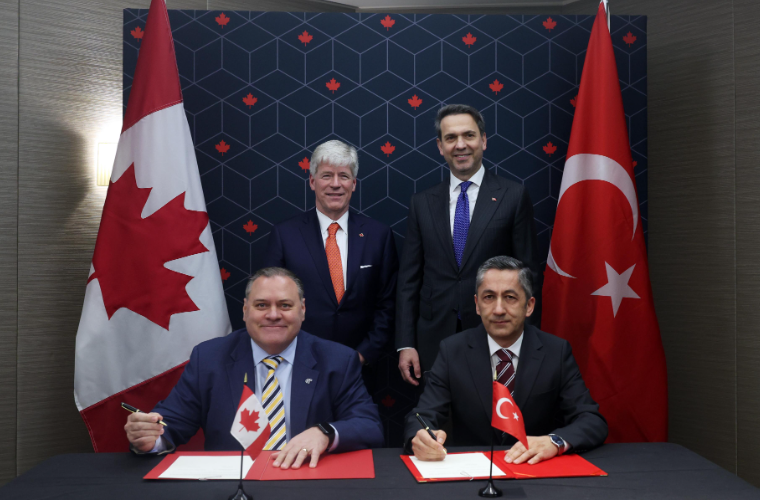
On March 3, during a visit by Minister of Energy and Natural Resources Alparslan Bayraktar to Canada, Türkiye Nükleer Enerji Anonim Şirketi (TÜNAŞ), which is responsible for developing nuclear power plants in Turkey, and Candu Energy Inc. (a subsidiary of AtkinsRéalis) signed a memorandum of understanding to explore the potential deployment of CANDU technology as part of Turkey’s plans to expand its nuclear program.
AtkinsRéalis states that the project involves three nuclear reactors. The parties will jointly assess various CANDU technologies and their suitability for sites identified by TÜNAŞ, as well as review regulatory and licensing requirements in Turkey. In addition, potential business models will be considered, including financing and structuring options, ownership arrangements, project delivery approaches, an assessment of localization opportunities, as well as workforce development and human capital requirements.
Turkey’s first NPP—Akkuyu NPP—is being built by Rosatom. However, construction is several years behind the original schedule. Turkey plans to build two additional plants at sites in Sinop and Thrace. In addition to Canada, Turkey is in talks with South Korea, China, and Russia.
According to Bayraktar, the project offering the most competitive terms and the greatest contribution to localization will be selected. He also stated that Turkey expects Korea Electric Power Corporation to submit a binding proposal to advance the negotiations, and that the goal is to reach a decision this year.
Forbes published a column on Turkey’s nuclear strategy examining factors that could influence negotiations with potential vendors and the choice of technology.
«Following the results of 2025, Alexey Likhachev acknowledged that Rosatom’s project in Turkey has faced the most severe sanctions pressure, describing the situation as a “sanctions meat grinder.” Restrictions on financing and equipment supplies have led to multi-year construction delays.
The missed deadline has not only technical but also legal implications. The 2010 intergovernmental agreement between Russia and Turkey stipulated that the first unit of Akkuyu NPP was to be commissioned within seven years after all construction permits were obtained (Article 6(2)) — that is, approximately by April 2025. However, this obligation has not been fulfilled.
The agreement allows that, in the event of delays in commissioning the plant, the parties’ obligations may be revised in the power purchase agreement. The economics of the NPP project, which Rosatom is building under the BOO (Build-Own-Operate) model, depend heavily on the electricity purchase terms. It was originally envisaged that Turkey would purchase up to 50% of the plant’s output at a fixed price during the first 15 years.
Delays in commissioning the first unit of Akkuyu NPP could not only weaken Rosatom’s negotiating position in concluding the power purchase agreement and affect the project’s economics but also impact Rosatom’s prospects for participating in future nuclear projects in Turkey.
Previously, both Rosatom representatives and Russian officials had spoken with confidence about the Sinop site in Turkey being awarded to Rosatom for the construction of the country’s second NPP. However, in 2025 such confident statements were no longer heard, and Turkey actively engaged in negotiations with other potential developers, signaling that Sinop is now an open project with no commitments to Rosatom.
Therefore, the current negotiations with Canadian companies are consistent with Turkey’s strategy in recent years of broad diversification and a more open approach to the potential portfolio of future nuclear projects in the country.»

Dmitry Gorchakov
Nuclear advisor
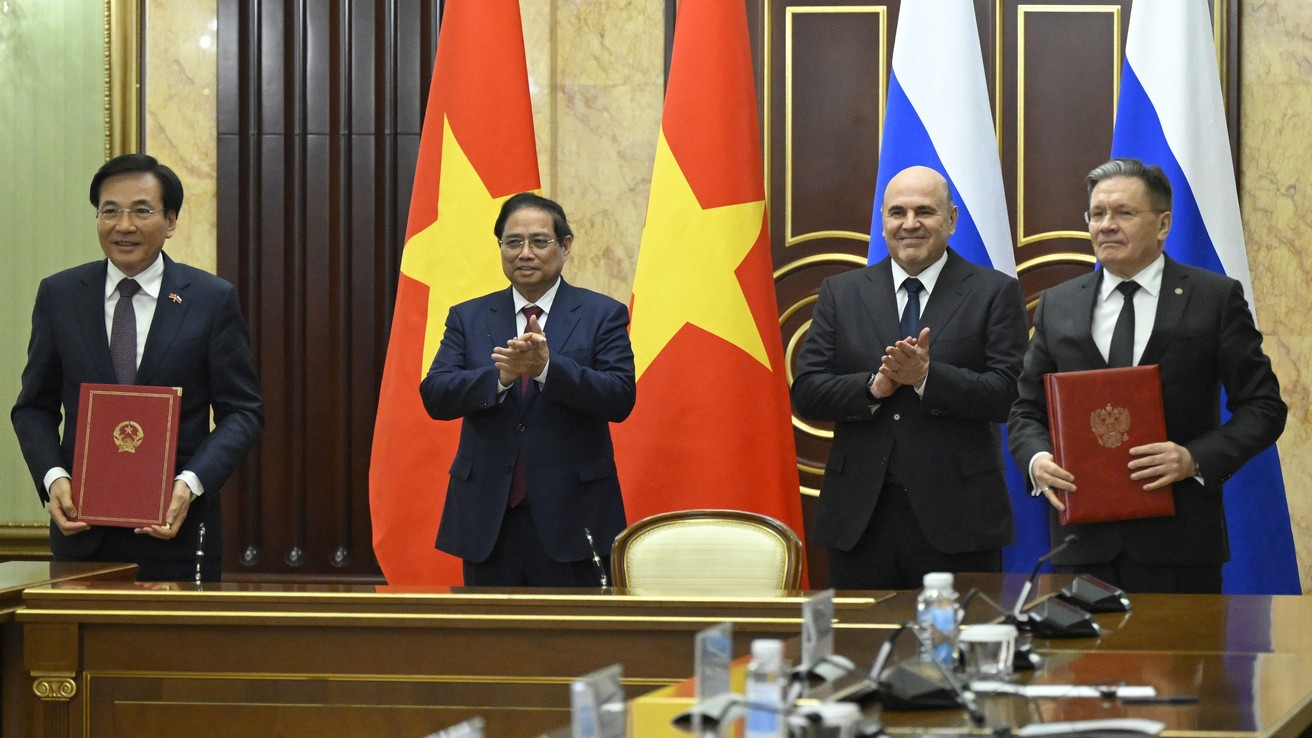
On March 23, Russia and Vietnam signed an intergovernmental agreement on cooperation in the construction of the Ninh Thuan 1 NPP in Vietnam. The project includes construction of two VVER-1200 units, based on the reference design of Leningrad NPP-2, as well as fuel supply for the entire operating lifetime of the plant, spent fuel management, personnel training, and decommissioning at the end of its service life.
The agreement stipulates that its implementation is contingent on Russia providing a state export credit to Vietnam. However, all details of the cooperation — including timelines, project costs, and loan terms — will be specified in additional agreements, protocols, and contracts.
Vietnam had previously planned to build an NPP based on a Russian design, with an intergovernmental agreement signed in 2010. It also had agreements with Japan to construct a second plant, Ninh Thuan 2. In 2016, Vietnam abandoned its nuclear program for environmental and financial reasons, but returned to these plans in late 2024.
Vietnam also approached Japan with a proposal to resume NPP construction at another site, but in December 2025 Japan declined due to tight timelines (Vietnam aims to commission two NPPs by 2035).
Russia and Vietnam are already linked by cooperation in the nuclear sector. This includes plans to establish a Center for Nuclear Science and Technology in Vietnam, which will include a research reactor of Russian design. The existing research reactor in Dalat operates on Russian-supplied fuel and is used to produce medical isotopes.
«The resumption of cooperation with Vietnam on NPP construction in the country marks an important milestone for Rosatom and its first new NPP construction project outside the CIS in many years. In recent years, Rosatom has signed agreements and won tenders for new NPP construction only in Kazakhstan and Uzbekistan and is discussing the construction of a third unit at an NPP in Belarus.
However, tight timelines (around nine years, which led Japan to withdraw from a similar project) and potential difficulties in securing project financing due to sanctions — already affecting other Rosatom projects abroad — may impact the successful implementation of this project.»
Dmitry Gorchakov
Nuclear advisor
On March 24 in Tashkent, Rosatom and the Atomic Energy Agency under the Cabinet of Ministers of the Republic of Uzbekistan (Uzatom) signed a roadmap for cooperation in nuclear and related fields, as well as a supplementary agreement to the NPP construction contract providing for a new plant configuration — two VVER-1000 units and two RITM-200N units with a capacity of 55 MW each. The agreement on this configuration was signed in September 2025.
The roadmap covers all key areas of cooperation under the NPP construction project, including personnel training, public outreach on modern nuclear technologies, and the development of a future “nuclear” town adjacent to the plant.
The NPP is expected to generate approximately 17.2 billion kWh annually, covering up to 14% of Uzbekistan’s total electricity consumption.
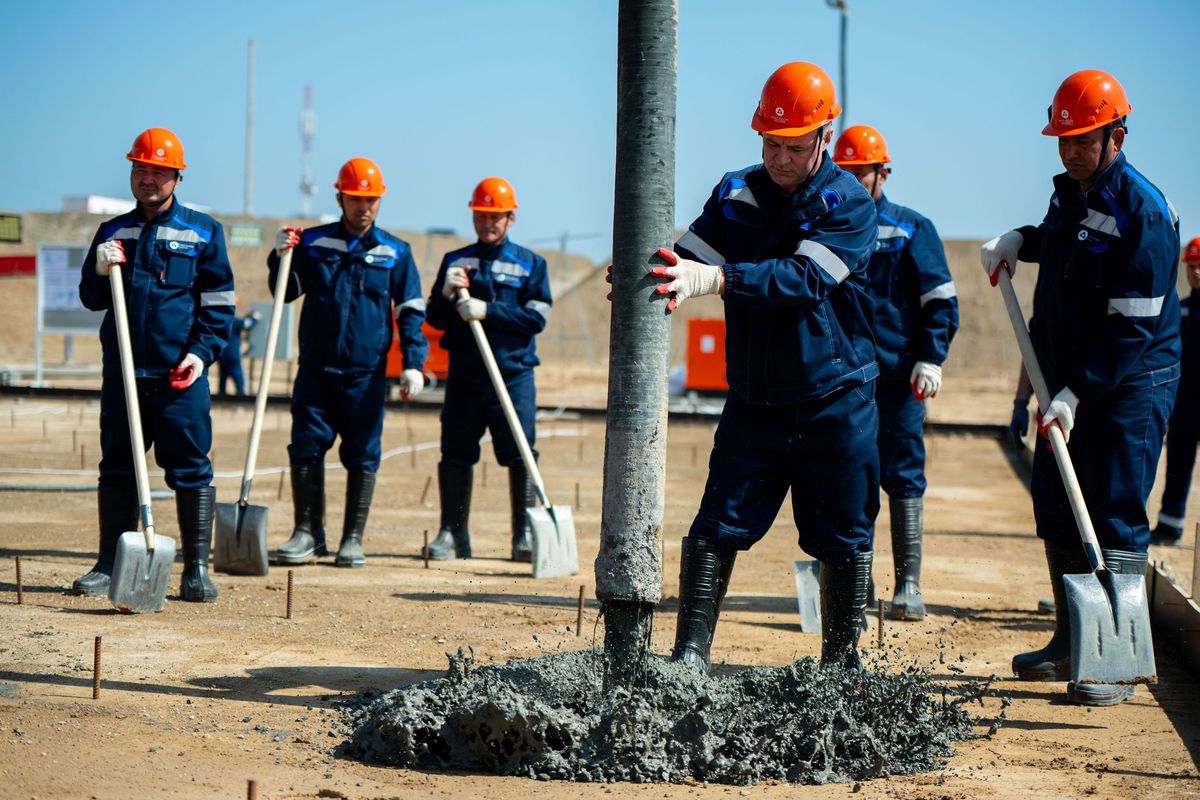
On the same day, work began at the construction site on the concrete base for the RITM-200N reactor building. This stage will level the foundation base, provide waterproofing, and establish grounding. The next key milestone at the site will be the pouring of first concrete for the reactor building foundation slab.
Director General of Rosatom Alexey Likhachev said that construction of the small units alone would generate orders for Russian companies worth up to 2 trillion rubles (approximately $24.7 billion) (Bellona note: likely referring to the full project lifecycle, see commentary below).
“In terms of macroeconomic effects, this represents a return of up to 1.5 rubles to the Russian Federation for every ruble invested at the construction stage, and up to 2 rubles during the operation of the NPP,” Alexey Likhachev said.
It is also worth noting that on March 9, Uzatom Director Azim Akhmedkhadzhaev and Senior Executive Vice President of Framatome’s Instrumentation and Control business unit Laurent Thieffry discussed the development of a strategic partnership in the context of implementing integrated projects for the construction and operation of nuclear power units in Uzbekistan.
«First, it should be noted that the ceremony marking the start of concrete works at the SMR site in Uzbekistan does not constitute the official first concrete for the nuclear island foundation, which would classify the unit as under construction under the international classification used by the IAEA.
The event, widely publicized and often misinterpreted in the media, is merely a preparatory stage at the site. This is also evident from photos of the ceremony, where concrete is being poured in a relatively thin layer (around 20–30 cm) onto compacted soil, even without reinforcement. The actual pouring of the foundation for the nuclear unit will be far more substantial and will take place at a later stage.
Second, the financial parameters warrant attention. Alexey Likhachev cited a substantial figure of 2 trillion rubles in orders that the “small unit” alone would generate for Russian companies. This likely refers to the two RITM-200N reactors within the combined NPP, which will also include two VVER-1000 units. The cited figure appears to cover the entire project lifecycle, as its dollar equivalent (over $24 billion) is comparable to the cost of large four-unit NPPs that Rosatom is building in Turkey or Egypt.
According to our estimates, the cost of two RITM-200N units could be around $1–2 billion. According to estimates from the Uzbek side, an NPP with six such reactors was expected to cost no more than $2 billion. In any case, Likhachev’s statement implies that Russian companies could receive over $20 billion over roughly 60 years of operation of these two units through fuel supply, spare parts, maintenance services, and personnel training. This still appears to be a substantial figure for a plant of relatively modest capacity.
At the same time, the total cost of the plant — including the two large VVER-1000 units — and the financing structure remain unclear. Last year, when only the SMR project was on the agenda, the Uzbek side indicated that it planned to finance the project independently or with Chinese loans, without relying on Russian state credit.
Following the decision to revise the plant configuration in fall 2025 (which we estimate would bring the total cost to at least $12–15 billion), Uzbek officials began to mention the possibility of involving the BRICS New Development Bank and Middle Eastern institutions, as well as the potential use of a Russian state export credit.
Thus, the issue of financing Rosatom’s overseas projects in the fifth year of the war in Ukraine and under sanctions pressure remains complex. Direct financing through a Russian state export credit, while still the primary option, is no longer the most optimal or convenient solution for all parties involved.»
Dmitry Gorchakov
Nuclear advisor
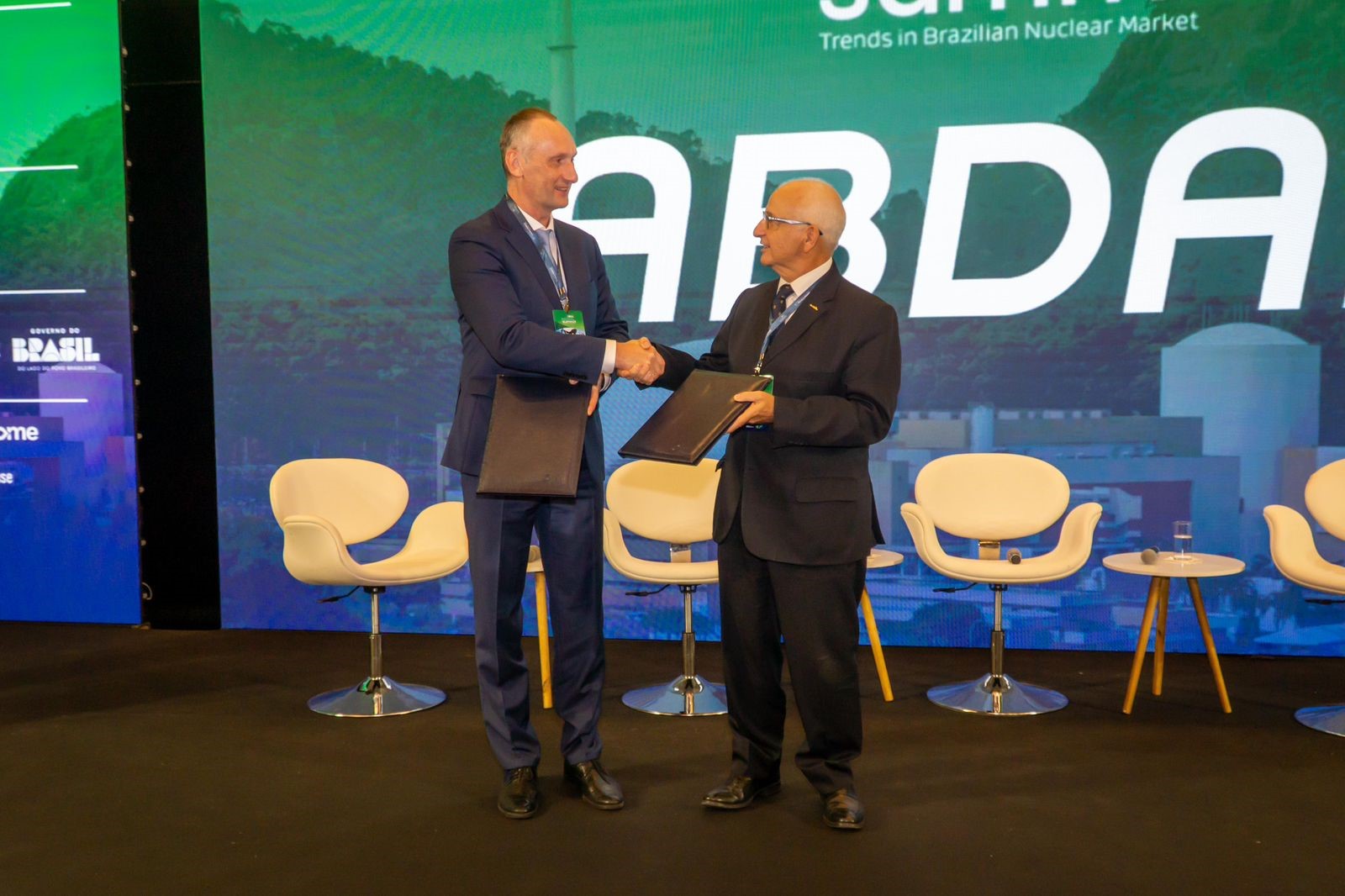
On March 25, Uranium One Group (Rosatom’s uranium mining company with assets in Kazakhstan, Tanzania, and Namibia) and the Brazilian company Núcleo Brasil Energia Participações (NBEPar) signed an agreement to establish a joint venture to implement mineral resource development projects in Brazil.
The company, to be named Nadina Minerals, will carry out geological exploration at prospective deposits and develop mining and processing operations for metals of critical importance to high-tech industries.
According to a statement by NBEPar, its objectives include developing partnerships, expanding private sector participation in nuclear energy projects, and attracting investment to strengthen the sector both nationally and internationally. As part of this effort, the new joint venture will be responsible for mapping Brazil’s territory to identify areas with mineral resource potential, as well as for the development and processing of strategic minerals for the nuclear fuel cycle.
In late March, media reports indicated that Rosatom and the UAE-based port operator DP World had agreed to establish a new joint venture to develop global logistics operations and transport capacity, including along the Northern Sea Route.
According to Director General of Rosatom Alexey Likhachev, the agreements between the state corporation and DP World include investments in port infrastructure and an ice-class fleet.
The joint venture will be established on the basis of Global Logistics LLC, registered by Rosatom in December 2025. Rosatom will hold a 51% stake, while the Emirati company will hold 49%.
Rosatom’s contribution to the new joint venture will be its 92.4% stake in Far Eastern Shipping Company (PJSC FESCO), the parent company of the FESCO transport group and one of Russia’s largest container operators (under EU, UK, and Swiss sanctions). The second partner will contribute cash equivalent to the market value of the FESCO stake.
In early April, Russia’s Federal Antimonopoly Service approved the transaction.
This is not the first joint venture between the parties: in October 2023, International Container Logistics was established with a similar ownership structure (51% held by Rosatom) to develop supply chains between BRICS countries. In December 2023, Rosatom and DP World signed a strategic cooperation agreement on the global market.
On March 12, Rosatom Director General Alexey Likhachev held an Information Day.
He said that Rosatom has scheduled four reactor startups for 2026: Unit 1 of the Akkuyu NPP in Turkey (“The unit is definitely set to be commissioned by December this year”), Unit 1 of the Rooppur NPP in Bangladesh, and two units in China — Unit 7 of the Tianwan NPP and Unit 3 of the Xudapu NPP. First concrete is also planned for the SMR project in Uzbekistan.
Likhachev has repeatedly stated in recent years that two of these units — in Turkey and Bangladesh — will be launched “this year,” with deadlines repeatedly shifting: for Akkuyu NPP from 2023 to 2024 and 2025, and similarly for Rooppur NPP from 2024 to 2025.

He also presented several performance results for the state corporation. In particular, he said that Rosatom’s international revenue amounted to $17.2 billion, “5.2% above plan,” and that its overseas order book had increased to $206 billion.
Note that in January, the figures cited were $16.5 billion and $200 billion, respectively.
In Russia, Rosatom has started project implementation at nine construction sites out of the eighteen planned.
On March 16, Unit 1 of Kursk NPP-2, which was synchronized with the grid on December 31, 2025, and is currently in trial operation, was brought to 100% capacity.
In March 2026, the IAEA’s Power Reactor Information System (PRIS) and the World Nuclear Association reported that official construction of Unit 3 at Kursk NPP-2 (first concrete for the reactor building foundation) began on January 31, 2026. There has been no public confirmation from Rosatom.
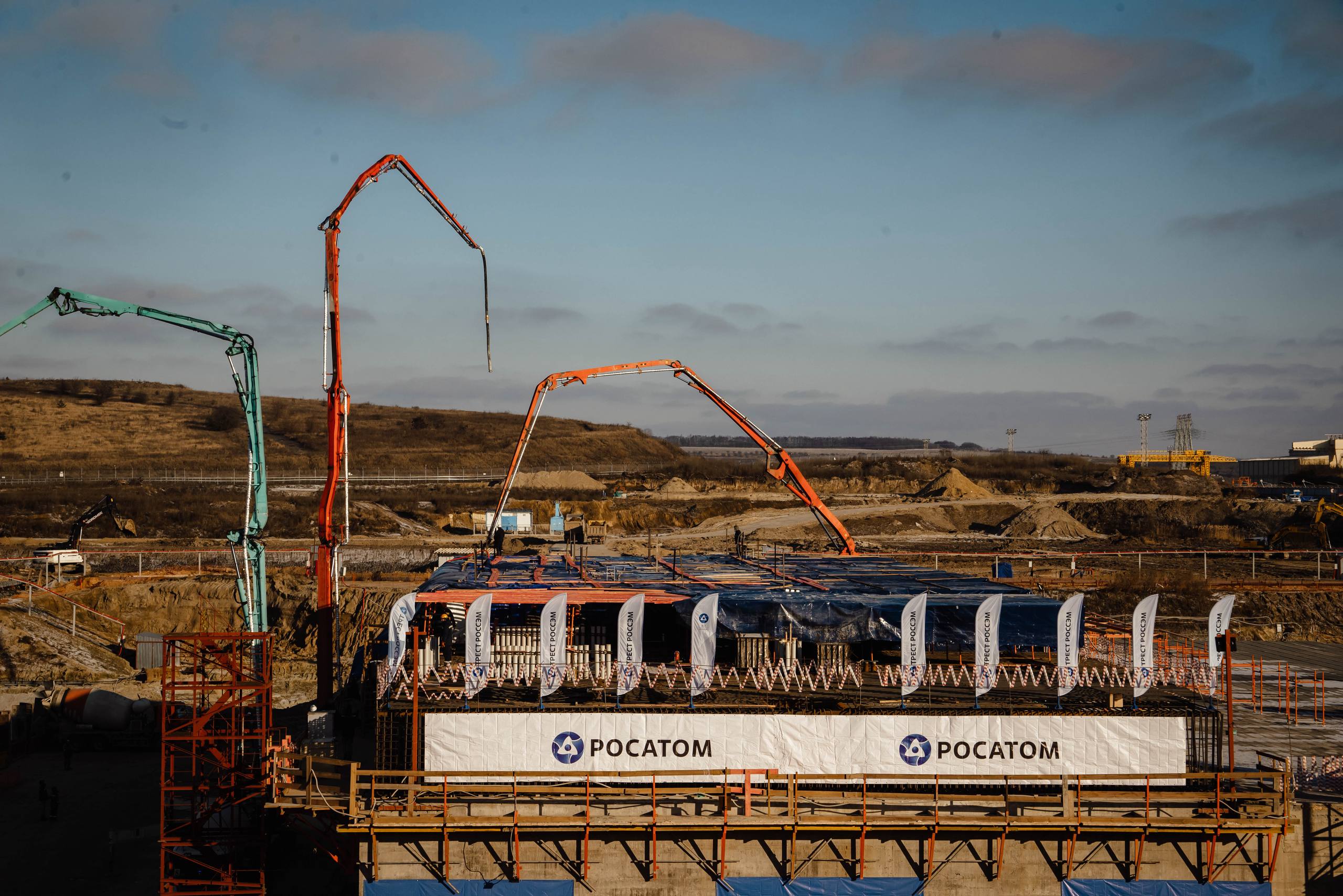
Analysis by Bellona of available sources (including publications by regional authorities and photographs from the site) suggests that the ceremony most likely took place earlier — presumably on December 24, 2025. This raises questions about the accuracy of the dates recorded in international databases and indicates that information on the construction of Kursk NPP-2 units is being deliberately withheld by Rosatom.
A detailed analysis of this case and the methodology used are presented in a separate article by Dmitry Gorchakov on Bellona’s website in Russian and English.
On March 18, Rosenergoatom and JSC Concern Titan-2 signed a general contractor agreement for the construction of two units at Kola NPP-2 with VVER reactors of 600 MW each, featuring elements of spectral control and the capability to participate in a closed nuclear fuel cycle through the use of uranium-plutonium fuel.
Construction of the units is planned between 2027 and 2037, with two additional similar units planned at the site in the future.
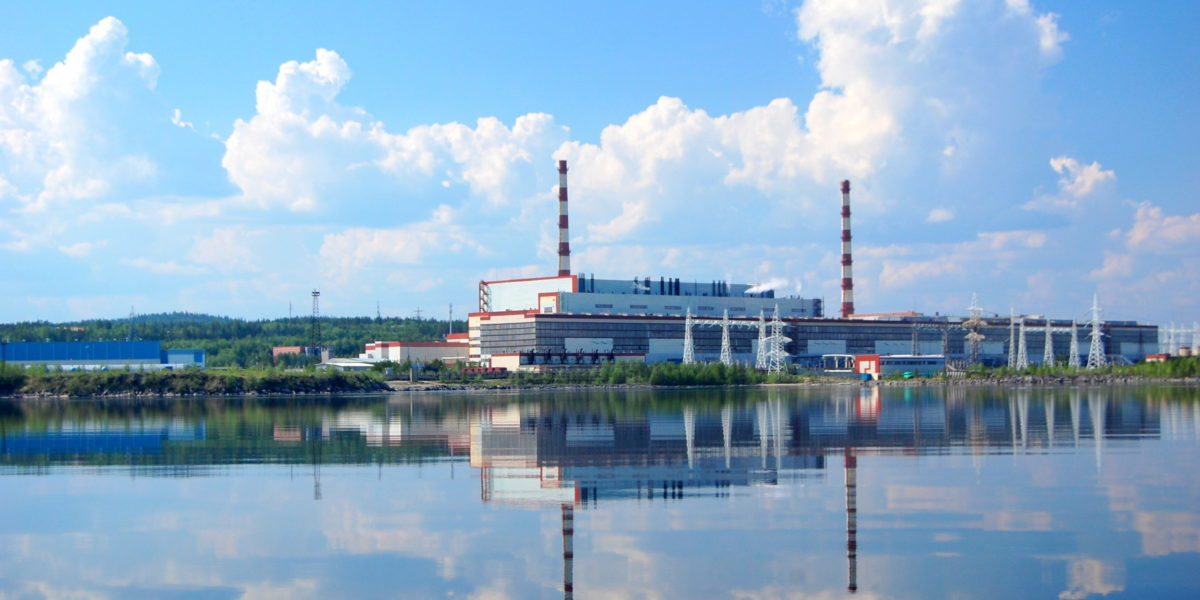
At present, the plant operates four units with VVER-440 reactors. The first two units already have operating licenses extended to 60 years (until 2033 and 2034) and could potentially receive further extensions of up to five years.
The third and fourth units, currently 45 and 42 years old, are licensed to operate until the end of 2026 and until 2039, respectively, and the plant plans to extend their operation to 60 years.
Accordingly, commissioning of the first units of Kola NPP-2 is expected to take place before the shutdown of the first units of the existing plant or be synchronized with it.
Bushehr NPP, Iran. Starting on February 28, the United States and Israel began carrying out strikes on Iranian territory, continuing them in the following weeks. The strikes were aimed, among other things, at disrupting Iran’s nuclear program and targeted uranium enrichment facilities in Natanz and Fordow, the nuclear complex in Isfahan, and the heavy water reactor in Arak.
According to Iranian sources, in March there were also reported strikes on the territory of the Bushehr NPP — on March 17, 24, and 27, and April 4. On the first day of the operation, February 28, an attack was also reported near the city of Bushehr, a few hundred meters from the plant. In all cases, it was reported that there were no casualties or damage at the site.
Rosatom began evacuating its personnel on the first day of the operation, and construction work at the Bushehr NPP was suspended. More than 600 people were evacuated from Iran in stages. By April 20, all personnel had been evacuated.
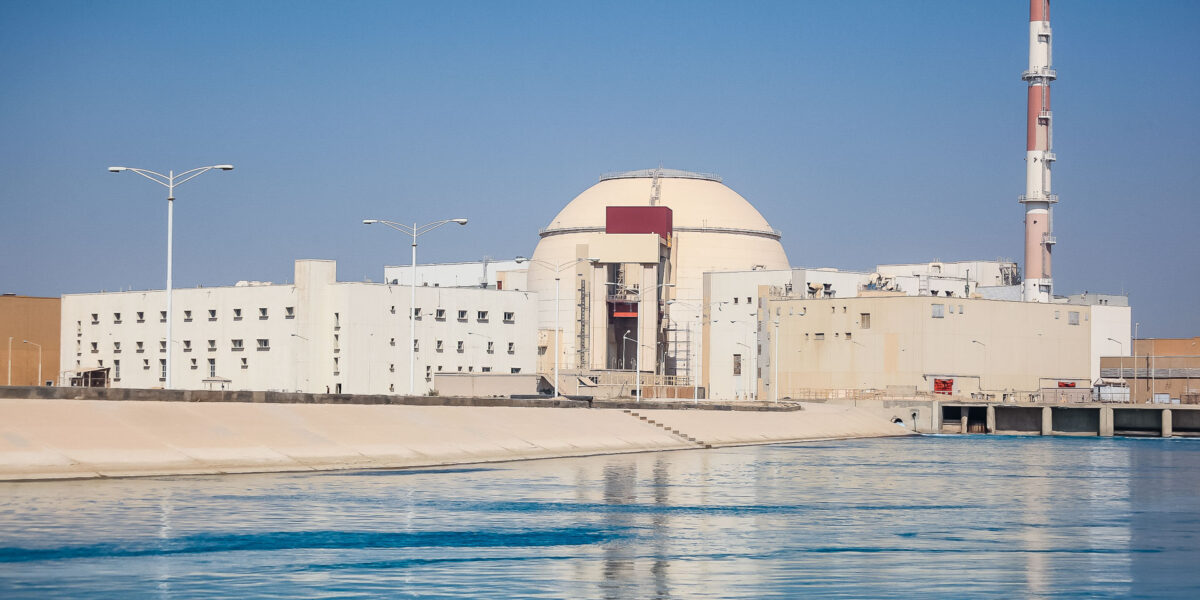
According to Rosatom Director General Alexey Likhachev, as of April 20 only 20 staff remained at the NPP site and 4 in Tehran to maintain infrastructure and contacts with the Iranian customer.
For more on the risks to the Bushehr NPP associated with military activity in Iran, see the article by Bellona nuclear expert Dmitry Gorchakov, “Another Russia-Linked Nuclear Power Plant Is at Risk From War. This Time, in Iran.”
El Dabaa NPP, Egypt. On March 6, a thrust truss intended to secure the reactor vessel in the reactor cavity was installed in its design position at Unit 2. On March 16, a bubbler — one of the components of the reactor pressure compensation system — was installed in the reactor building of Unit 1.
Akkuyu NPP, Turkey. On March 13, a thrust truss intended to secure the reactor vessel was installed in its design position in the reactor building of Unit 4. On March 25, a polar crane was installed at Unit 2.
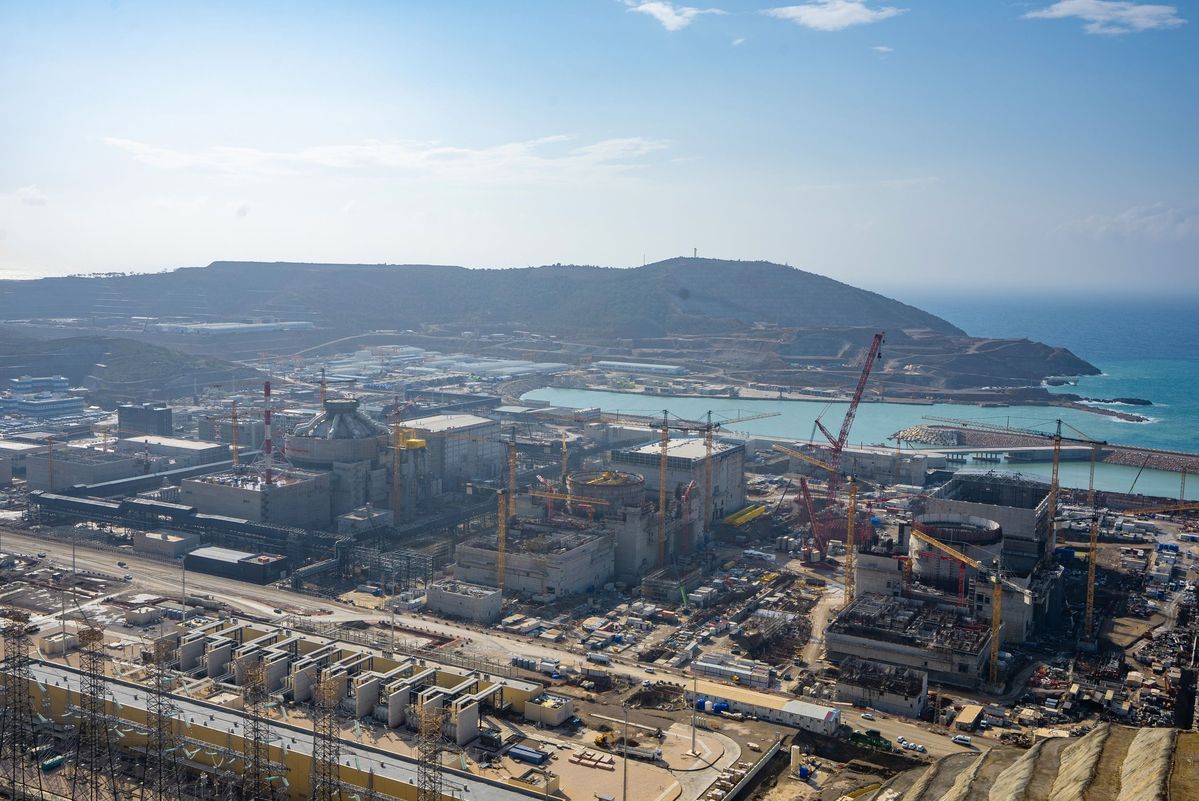
Rooppur NPP, Bangladesh. On March 31, boron flushing of the primary circuit piping of the reactor system was completed at Unit 1.
On March 6, the Center for Strategic and International Studies (CSIS) published a report on the characteristics of Russia’s civil nuclear exports four years into the war — “The Geopolitics of Russia’s Civil Nuclear Exports Four Years into the War.” Bellona nuclear expert Dmitry Gorchakov contributed to the report by giving an extensive interview to its author, Jane Nakano.
On March 16, Forbes published an article reviewing Turkey’s nuclear strategy, in which Güney Yıldız argues that Ankara is deliberately diversifying its nuclear portfolio and not relying solely on Rosatom. In addition to Akkuyu, Turkey is discussing new projects with Korea Electric Power Corporation (KEPCO), EDF, and Canadian partners, aiming to reduce dependencies and strengthen energy security (“Turkey’s New Nuclear Calculus: Brilliant Strategy Or Regulatory Nightmare?”).
On March 27, the British newspaper The Times published an article featuring extensive commentary by Bellona nuclear expert Dmitry Gorchakov on Rosatom’s global influence in international markets and, in particular, the United Kingdom’s dependence on supplies of nuclear materials from Russia — “From Russia without love: inside Putin’s grip on our nuclear power.”
On April 2, The Moscow Times published an opinion piece by Bellona nuclear expert Dmitry Gorchakov on the situation at Iran’s Bushehr NPP following the start of military operations by the United States and Israel, and on Rosatom’s role in Iran’s nuclear program. The article is available on the outlet’s website (“Another Russia-Linked Nuclear Power Plant Is at Risk From War. This Time, in Iran.”).
Оn April 26, The Moscow Times published an opinion piece by Bellona website editor Charles Digges about the state of Chernobyl cleanup on the 40th anniversary of the disaster, highlighting the Russian drone attack on the New Safe Confinement. The article is available on the outlet’s website (“40 Years Later, Chernobyl Remains a Lesson in the Unthinkable”).
A monthly analytical review offering expert insight into key developments in nuclear policy, economics, safety, and technology related to the activities of Rosatom in Russia, Ukraine, and other countries
A monthly analytical review offering expert insight into key developments in nuclear policy, economics, safety, and technology related to the activities of Rosatom in Russia, Ukraine, and other countries
A monthly analytical review offering expert insight into key developments in nuclear policy, economics, safety, and technology related to the activities of Rosatom in Russia, Ukraine, and other countries

A monthly analytical review offering expert insight into key developments in nuclear policy, economics, safety, and technology related to the activities of Rosatom in Russia, Ukraine, and other countries