Bellona Nuclear Digest. January 2026
A monthly analytical review offering expert insight into key developments in nuclear policy, economics, safety, and technology related to the activities of Rosatom in Russia, Ukraine, and other countries
News
Publish date: 14/04/2026
News
After Russia’s full-scale invasion of Ukraine in February 2022, Bellona ceased its activities in the aggressor country. On 18 April 2023, Russia’s Prosecutor General’s Office declared Bellona an undesirable organization in the Russian Federation.
Nevertheless, we continue to systematically monitor and analyze developments related to Rosatom’s activities that we believe are of interest to an international audience. The aim of this review is to assess the scale of Russia’s international influence in the nuclear sector, as well as the associated political, economic, and environmental risks.
This digest covers events from February 2026.
You can follow the links to read the three most recent digests covering January 2026, December and November 2025.
Subscribe to our mailing list to stay informed about future issues.
NUCLEAR EVENTS IN UKRAINE AND THE WAR
1. The Zaporizhzhia NPP and other nuclear facilities in Ukraine. Events of February 2026
1.1. Nuclear diplomacy events
1.2. Military threats at the ZNPP and other nuclear facilities of Ukraine
1.3. Operational status of the ZNPP
INTERNATIONAL NUCLEAR EVENTS AND THEIR CONNECTION WITH RUSSIA
2. Canada and the United Kingdom expand sanctions against entities linked to Rosatom
3. First concrete at Paks II NPP and termination of the Siemens Energy contract
4. Armenia plans to build an NPP based on a small modular reactor
5. The United States and Hungary sign a civil nuclear cooperation agreement
6. Equipment replacement at Kozloduy NPP in Bulgaria led to unplanned outages of Unit 6
7. Holtec offers alternative equipment for Russian-designed NPPs in India
EVENTS IN THE RUSSIAN NUCLEAR SECTOR AND IN ROSATOM PROJECTS ABROAD
8. New START Treaty between Russia and the United States expires
9. Rosatom’s projects abroad in brief
On February 10, the head of Ukraine’s nuclear power operator Energoatom, Pavlo Kovtoniuk, told Reuters that Russia would not be able to bring the ZNPP back into operation, as the plant is no longer fully compatible with Russian technologies: main equipment, as well as control, protection, and monitoring systems, are of Ukrainian origin, and the plant currently lacks some equipment and spare parts.
He noted that restarting the plant would require Russia to replace the American fuel, which would in turn necessitate a complete overhaul of the unit’s control system, designed to operate with this specific type of nuclear fuel.
According to him, any attempt to restart the reactors could lead to a nuclear accident.
In response, Rosatom said it categorically rejected these claims, stating that the ZNPP units are identical to Russian VVER-1000 reactors and that Russia therefore has all the necessary production capabilities to manufacture equipment, components, and nuclear fuel.
After February 10, when only one external power line remained available to the ZNPP, the Russian-appointed plant director, Yury Chernichuk, said there were plans and the capability to connect a power line to the plant from the Russian side. Preparatory work is already under way, but he noted that doing so now is not feasible, as the line could be damaged by Ukraine.
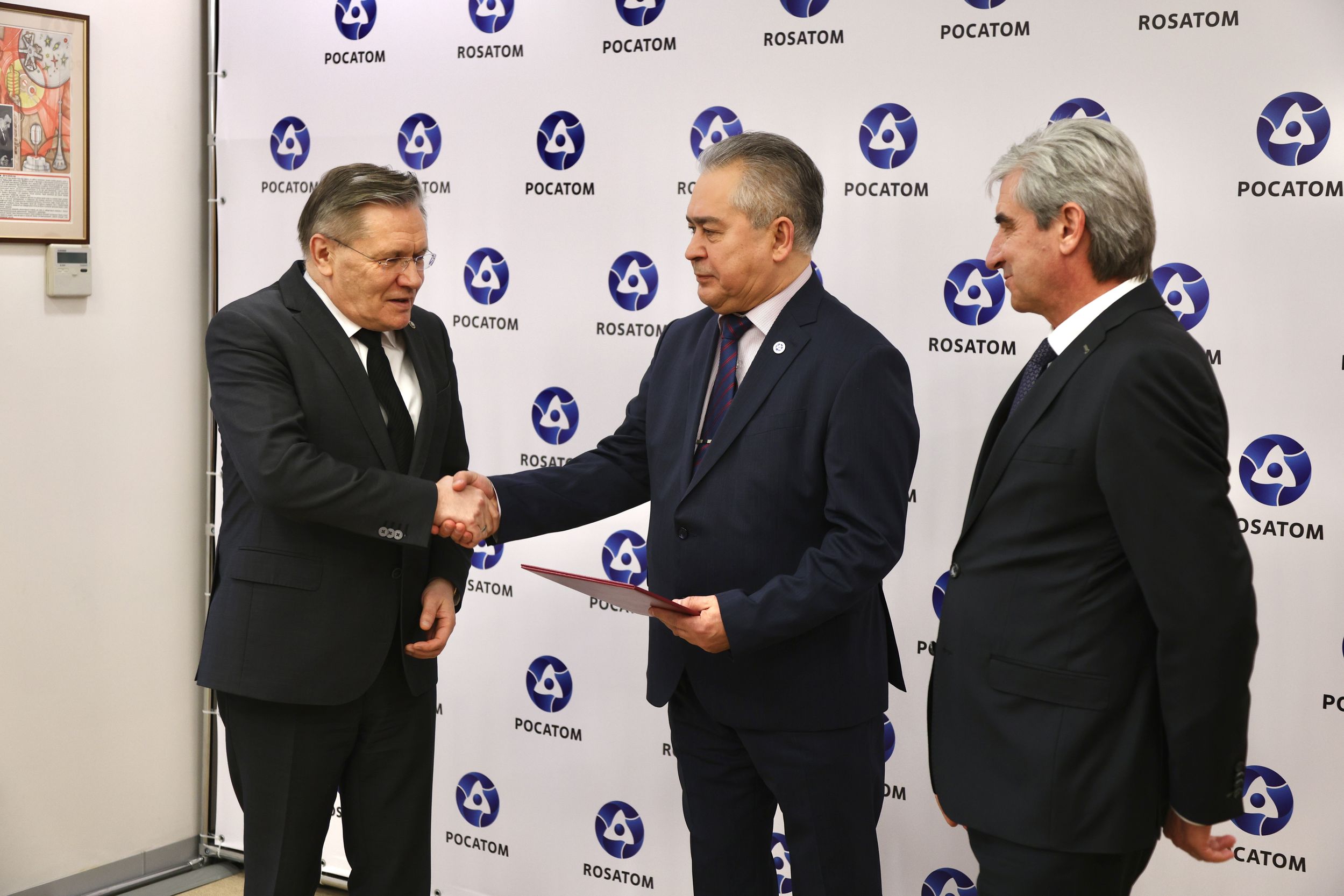
On February 18, Rosatom held a ceremony to mark the issuance of an operating license for Unit 2 of the ZNPP. The event was attended by Rosatom Director General Alexey Likhachev, Head of Rostekhnadzor Alexander Trembitsky, and Director General of JSC EO ZNPP Ramil Galiev. As with Unit 1, which was granted a license in December 2025, the permit is valid for 10 years.
Rosatom said that obtaining the license confirms that the unit’s equipment, safety systems, and staff qualifications fully comply with the stringent requirements of Russian regulations governing the use of nuclear energy.
This is one of two ZNPP units (the other is Unit 6) that operated on Russian fuel, while the remaining four were switched to fuel supplied by Westinghouse.
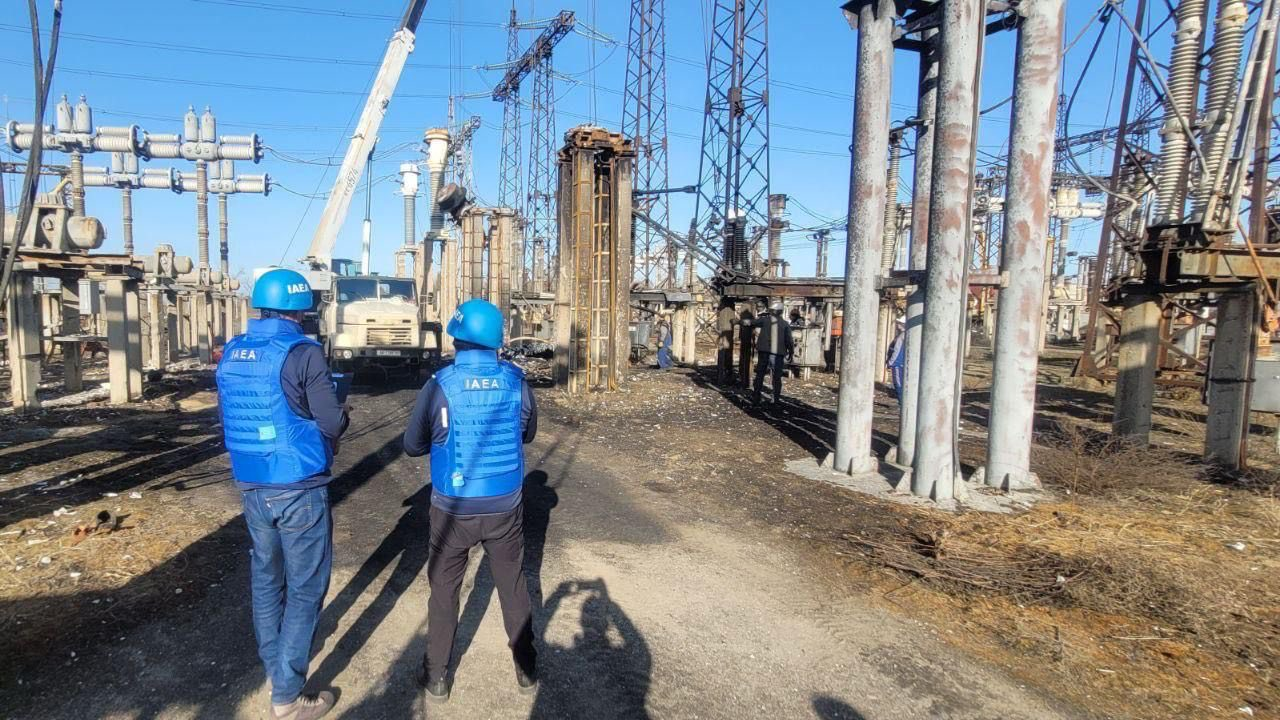
In early February, a two-week IAEA mission to assess the condition of electrical substations critical to the stable operation of Ukraine’s NPPs, which have been damaged by ongoing Russian attacks on Ukraine’s energy infrastructure, was completed.
In September 2024, when such missions were just beginning, 10 substations were included on the list of critically important facilities. The IAEA reported that, due to continued attacks on Ukraine’s energy infrastructure, two additional substations have since been added.
Throughout February, IAEA teams at Ukraine’s operating NPPs — Khmelnytskyi, Rivne, and South Ukraine — as well as at the Chernobyl NPP site reported that strikes on energy infrastructure continued to affect the facilities’ operation and nuclear safety due to power line outages and the need to reduce output.
There were also reports of drones detected near Ukrainian nuclear power plants. (For more details, see IAEA Updates 340, 341, 342, and 343.)
On February 10, the 330 kV Ferrosplavna-1 backup power line at the ZNPP was disconnected once again. The damage reportedly occurred near the open switchyard of the Zaporizhzhia thermal power plant following military activity. At the same time, IAEA experts at the ZNPP reported hearing an explosion.
The IAEA team requested access to the open switchyard to independently assess the possible impact of the damage, but access to this area has not been granted to the experts for several years.
The line was restored on March 5. After the area was demined, the IAEA team was eventually able to visit the open switchyard and observed damage to various electrical components, including circuit breakers, disconnectors, current transformers, and cable sections.
On February 26, Russia’s Permanent Mission to the international organizations in Vienna circulated a note on the “actual state of affairs” at the ZNPP for the period from November 8, 2025, to February 13, 2026, providing information on operation and maintenance, interaction with IAEA mission experts, staffing, and other issues.
«Several developments at and around the ZNPP stand out and, apparently, warrant comment.
First, the rush to issue licenses amid the plant’s current technical condition and the broader military and political situation.
Putin has repeatedly stated, both at a meeting with Trump and at other meetings, that he is interested in restarting the ZNPP units. This serves as a political signal to Rosatom, Rostekhnadzor, and other Russian agencies on which the decision to restart the units depends.
The existence of operating licenses issued by the regulator is one of the key conditions established under Russian and international law.
At the same time, obtaining an operating license requires meeting a range of mandatory conditions and requirements, primarily aimed at ensuring the safety of the facility. Experts (including representatives of Bellona) have repeatedly emphasized that serious technical and operational issues persist at the ZNPP.
These include, in particular, insufficient cooling water for the simultaneous operation of all units, unresolved issues related to the fuel loaded in the reactors, the specifics of the “Ukrainian modernization” of control and protection systems, the state of technical documentation, as well as the availability and training of qualified personnel.
In addition, there are a number of other safety-critical factors that the Russian side prefers not to disclose. However, the Russian nuclear regulator cannot be unaware of these issues when issuing operating licenses for the units.
There is therefore a well-founded view that the issuance of these licenses is entirely a forced step taken under political pressure.
Is there any risk in this action by the regulator (or even Rosatom)? Practically none. If any steps toward restarting the units were to begin, the license could always be suspended or even revoked, easily justified by insufficient safety on any of the above grounds, with Rosatom effectively hiding behind such a decision.
Thus, all statements, claims, and reports that the ZNPP units have operating licenses (permits) are essentially political messaging rather than a reflection of the actual situation.
The second development is another disconnection of the 330 kV Ferrosplavna-1 power line. There is a growing sense that this has become routine. The sides accuse each other of causing these outages. However, there is little point in determining who is actually responsible, since, first, it is difficult to establish, and second, even if it were established, what would follow?
The key point here is that everyone understands that a disconnection of the power line (especially a 330 kV line) does not in itself pose significant radiation — let alone nuclear — risks, unless it is followed by other unprofessional actions by personnel at the ZNPP, which in combination could create a critical situation.
However, these are special cases that, in a military context — where the ZNPP site has been turned into a military facility and is even partially mined (Statement by the IAEA Director General on the situation in Ukraine) — could arise even if the power line remains intact.
Finally, what also warrants attention is the continued shelling and destruction throughout the winter of electrical substations, power lines, and other energy infrastructure in Ukraine, which led to power line outages at operating NPPs — Khmelnytskyi, Rivne, and South Ukraine — requiring reductions in electricity generation and other urgent actions.
During the winter of 2025–2026, 15 major attacks were recorded, three times higher than the average for the previous three winters of the war. These strikes are clearly directed against the civilian population and pose a threat to its survival.
However, the key point is that damage to power lines enabling nuclear power plants to operate at high output constitutes a direct risk of radiological and even nuclear accidents. Thus, such actions can be unequivocally characterized as a form of nuclear coercion — through military threats against civilian nuclear facilities of another state.»

Aleksander Nikitin
Special Nuclear Advisor
In February, several countries expanded sanctions against Russia, targeting companies linked to Rosatom.
On February 19, Canada added to its sanctions lists organizations from the defense-industrial complex, drone developers, entities in the technology sector, as well as companies involved in energy trading and technology procurement. These included:
On February 24, the United Kingdom expanded its sanctions lists to include, among others, three Rosatom companies which, according to the press release, are involved in securing contracts for the construction of new Russian nuclear facilities abroad, thereby generating additional energy revenues to offset declining oil income, as well as the heads of two of these companies:
In addition, the United Kingdom added Afrikantov Experimental Design Bureau of Mechanical Engineering (OKBM), part of Rosatom, to its sanctions list. OKBM is a leading design organization for the development of nuclear reactors for nuclear-powered submarines and surface vessels of the Russian Navy.
«Canada and the United Kingdom have been more active than the European Union in adding Rosatom-related entities to sanctions lists, where many such decisions are blocked by Hungary. At the same time, Canada and the United Kingdom have relatively limited global influence, and their sanctions do not have the same impact on Rosatom’s projects in third countries as, for example, US financial restrictions on Russia.
Direct contacts and business ties between companies from Canada and the United Kingdom and Rosatom are relatively limited, and they have been only marginally affected by the sanctions imposed by these countries. We have already seen that Canadian sanctions have led to a rerouting of uranium supplies produced by Canadian companies in Kazakhstan — they are now shipped bypassing Russia.
The United Kingdom is somewhat more dependent on direct supplies from Russia and plans to phase them out only by 2028. This dependence stems from the fact that one of its nuclear units, Sizewell B, uses nuclear fuel produced at Framatome’s plant in Lingen, Germany, from Russian uranium. The total volume of these fuel supplies is about 20 metric tonnes per year, worth approximately €30 million.
At the same time, the United Kingdom has the capacity to discontinue these supplies and replace them with alternative sources.
More details on the United Kingdom’s dependence on Rosatom are outlined in a recent article in The Times, “From Russia without love: inside Putin’s grip on our nuclear power,” for which Bellona experts provided extensive commentary.»

Dmitry Gorchakov
Nuclear advisor
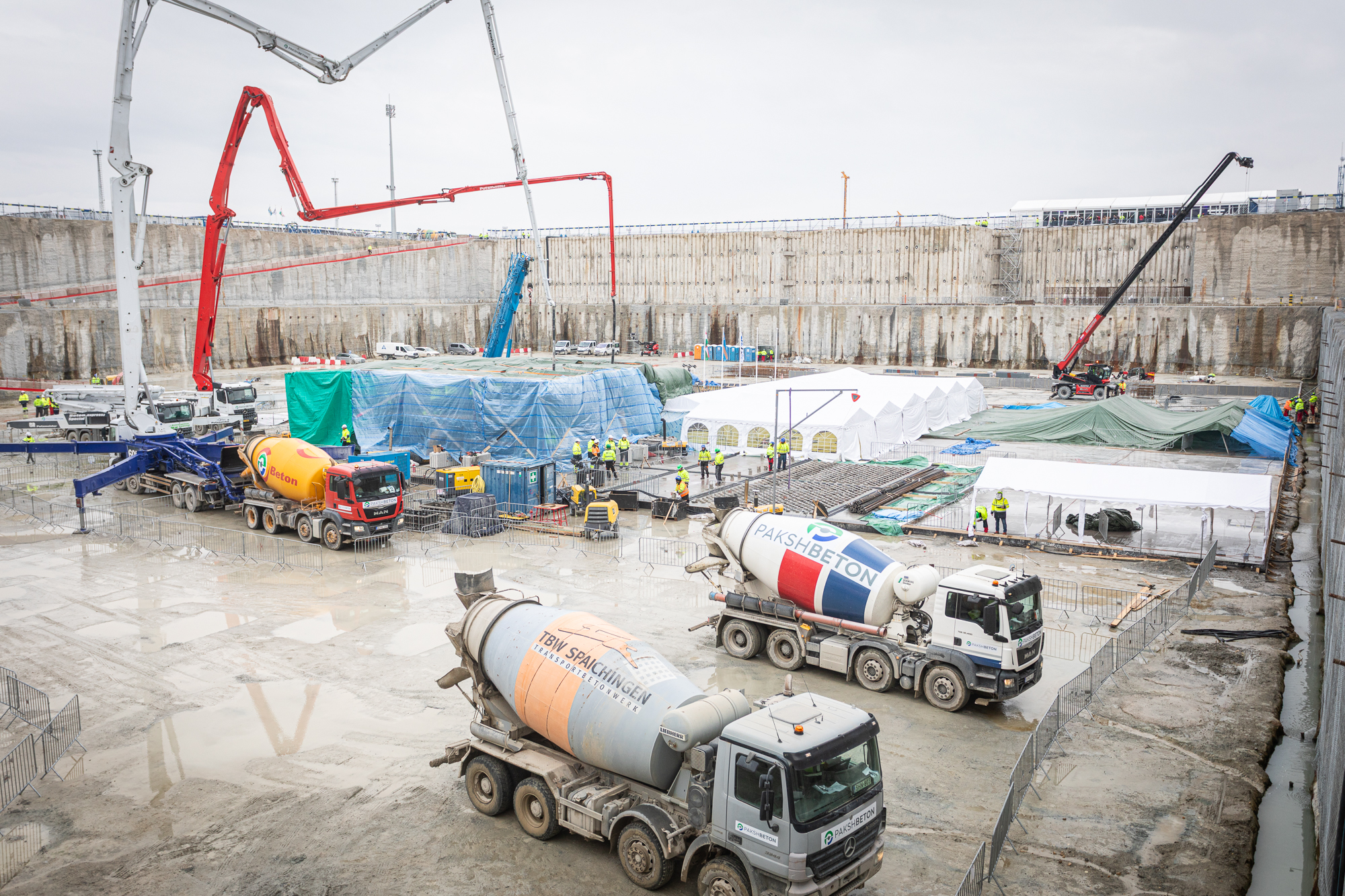
On February 5, first concrete was poured for Unit 1 of Hungarian Paks II NPP, marking the start of the plant’s construction phase. According to the schedule, this stage is expected to be completed on December 24, 2026.
In February, news agencies reported that Rosatom had terminated its contract with Siemens Energy at the end of 2025 for the supply of components for the Paks II NPP under construction (Reuters, Hungarian outlet Vilaggazdasag).
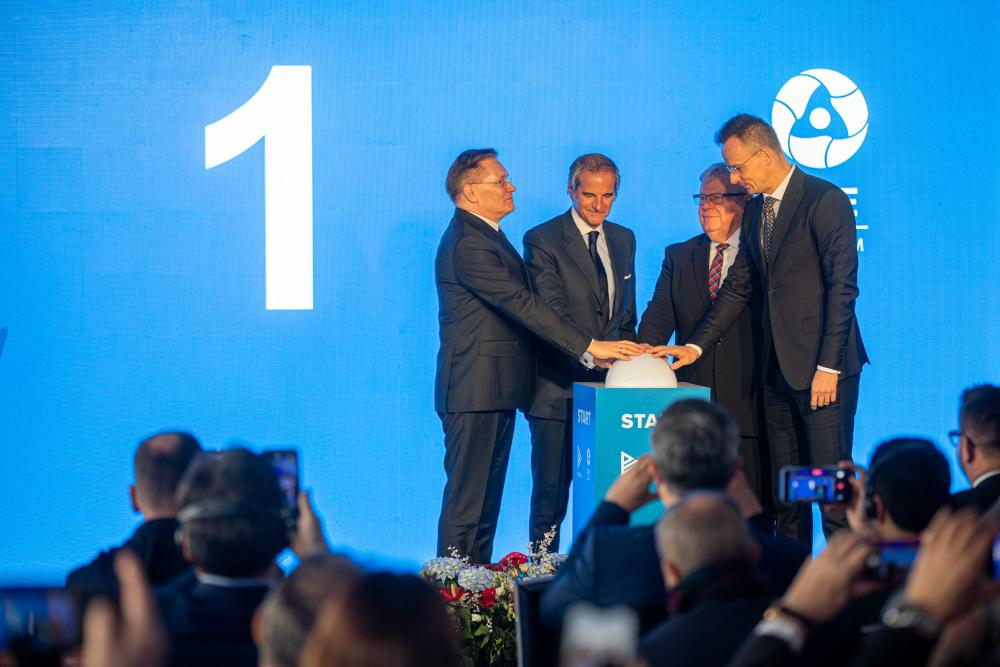
Under an agreement concluded in 2019, Siemens Energy was to supply control systems for the new reactor units at Paks II in a consortium with the French company Framatome, but difficulties arose in obtaining export licenses from the German government.
In June 2025, the Hungarian government announced that Siemens Energy’s division responsible for nuclear control technologies would be relocated to Hungary, which was expected to help overcome these obstacles.
According to Hungary Today, the termination of the contract suggests that this decision was either taken too late or that the legal obstacles ultimately proved too significant.
According to Rosatom, the contract was terminated because the German company was unable to fulfill its contractual obligations. Rosatom also clarified that Siemens Energy’s involvement was limited to certain elements of the control systems and accounted for less than 4% of the total equipment scope for the project. It is claimed that these components can be replaced with Russian or European alternatives.
Siemens Energy, for its part, confirmed that Rosatom had initiated the termination of the contract but did not confirm the company’s withdrawal from the project. In response to media inquiries, the company stated that it is fulfilling its contractual obligations in compliance with all national and international laws.
It also noted that work related to control and instrumentation systems for the Paks II project is currently suspended, but that the company remains in close contact with the customer on this matter.
«The start of first concrete at Paks II NPP is undoubtedly seen by Rosatom as a long-awaited breakthrough in a project of critical importance to the corporation — the construction of the first Russian-designed nuclear power unit in the EU in decades. The total number of VVER gigawatt-class reactors currently under construction worldwide has reached 24, of which only four are in Russia.
This important step for Rosatom has been delayed by several years. Even before Russia’s full-scale invasion of Ukraine, in March 2021, it had planned to pour first concrete at the Paks II site in 2022. In the end, this took place four years later.
According to a recent statement by Alexey Likhachev, the Paks II project has been caught in a “sanctions meat grinder,” alongside the Akkuyu NPP project, which is experiencing similarly prolonged delays in launching its nearly completed first unit.
Despite the absence of direct sanctions on Rosatom, the main causes of the difficulties are cited as financial restrictions and sanctions on Russian projects in general, as well as challenges in the supply of certain Western equipment, including from Siemens.
Rosatom has experience challenging restrictions on its projects in Europe through the courts (for example, contesting the cancellation of the Hanhikivi NPP project in Finland), but this has done little to resolve issues in its current projects.
It is still unclear how Siemens equipment will be replaced at Paks II NPP. According to Rosatom representatives, it can be substituted with “both Russian and European alternatives,” and the company is “already considering a number of alternative solutions.”
Hungarian Minister of Foreign Affairs and Trade Péter Szijjártó referred to talks with Framatome executives and stated that the French company would supply control systems for the project. However, journalists from Átlátszó who contacted Framatome were unable to confirm this information. “At this stage, it is too early to make any assumptions due to ongoing tenders,” company representatives told the outlet.»
Dmitry Gorchakov
Nuclear advisor
On February 3, Armenia’s Minister of Territorial Administration and Infrastructure Davit Khudatyan said the authorities had made a principled decision to build a future NPP based on a small modular reactor. Proposals from Russia, the United States, China, South Korea, and France are currently under review, but no final decision on a specific design has been made. Once the design is selected, it will become clear which country Armenia will partner with to implement the new NPP project.
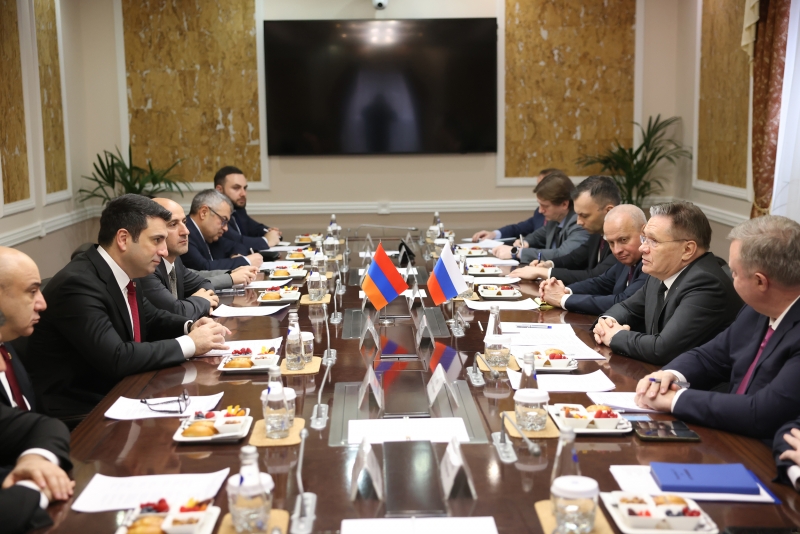
On February 6, Rosatom Director General Alexey Likhachev held talks with Armenian National Assembly Speaker Alen Simonyan. Likhachev outlined progress on the second lifetime extension of the Metsamor NPP and discussed in detail the construction of new nuclear power units. Rosatom is offering Armenia comprehensive cooperation in nuclear energy, including the construction of large, medium, and small NPPs and the implementation of related projects, including non-nuclear ones.
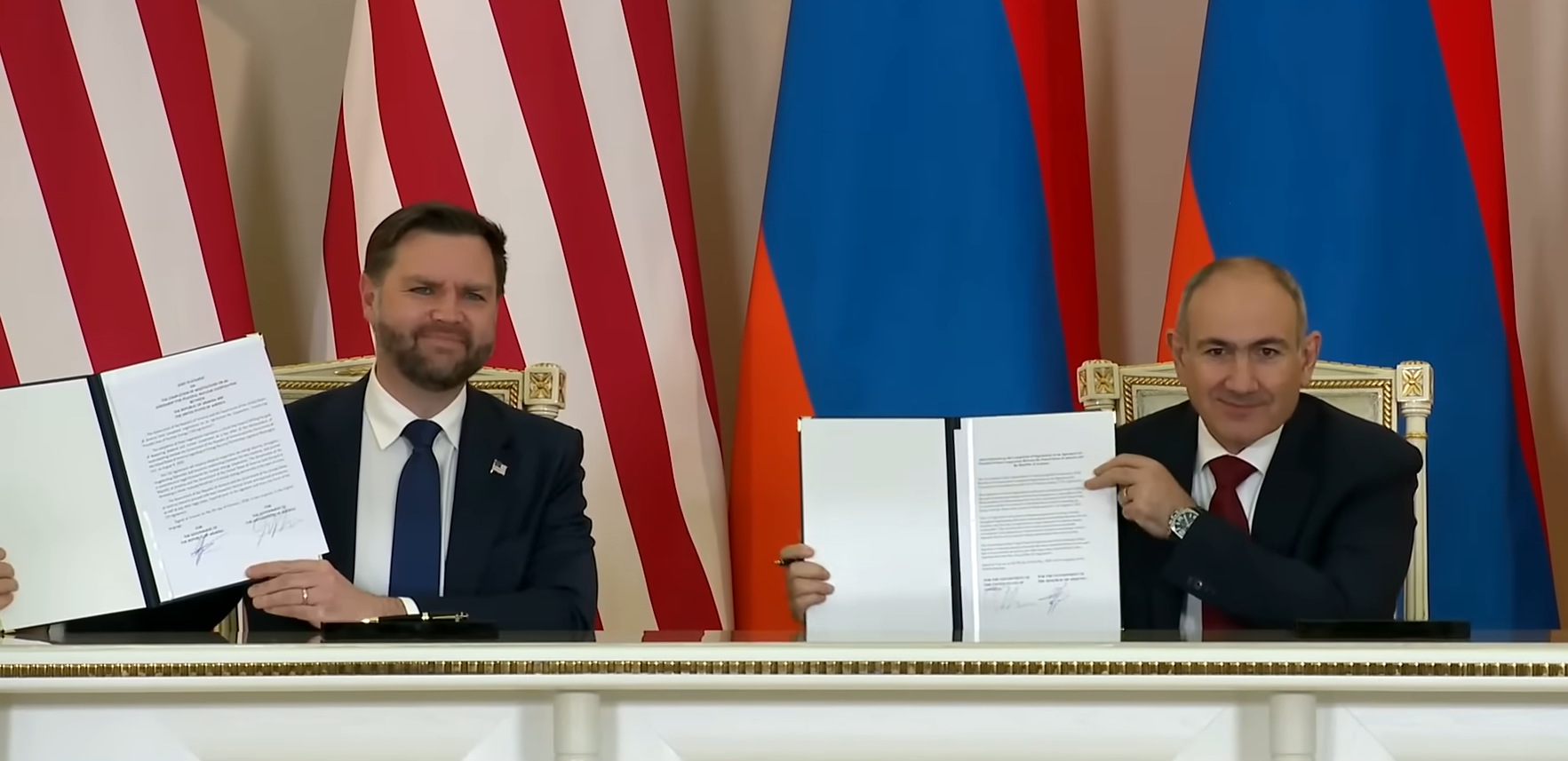
On February 9 in Yerevan, Armenian Prime Minister Nikol Pashinyan and US Vice President J.D. Vance signed a joint statement on the completion of negotiations on an Agreement for Cooperation between the Governments of Armenia and the United States Concerning Peaceful Uses of Nuclear Energy (123 Agreement).
A 123 Agreement provides the legal framework for the export of nuclear materials and technologies from the United States and enables agreements with US companies on civilian nuclear projects.
According to J.D. Vance, “this means up to $5 billion in initial exports from the United States, as well as an additional $4 billion in long-term support under fuel and maintenance contracts.”
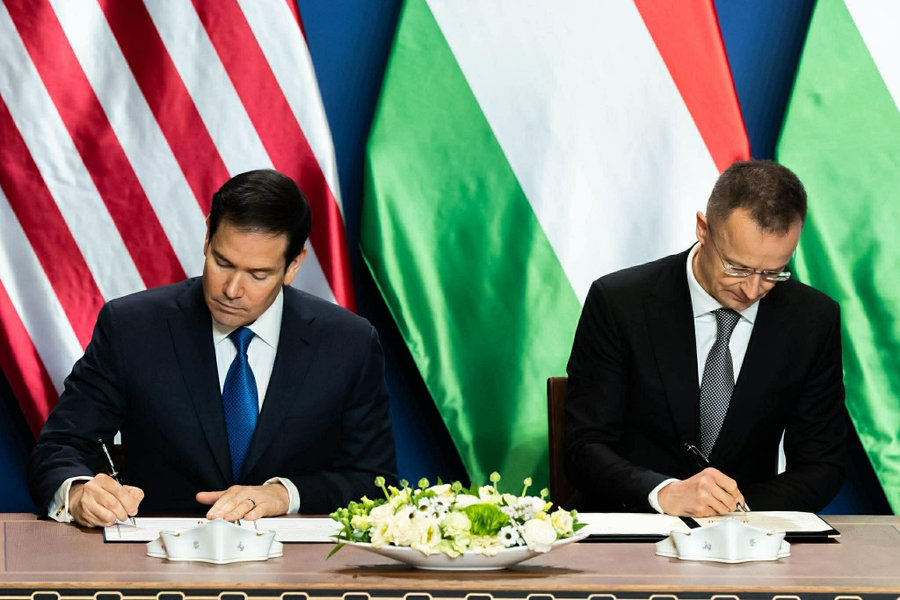
On February 16, US Secretary of State Marco Rubio and Hungarian Minister of Foreign Affairs and Trade Péter Szijjártó signed an intergovernmental agreement on cooperation in civil nuclear energy that could serve as a basis for long-term cooperation.
According to a US Department of State statement, during the visit Rubio emphasized the United States’ commitment to turning Hungary into a regional hub for small modular reactor development and urged it to select US small modular reactor technologies. He also confirmed that US company Holtec International is ready to assist Hungary with spent nuclear fuel storage.
The agreement builds on earlier arrangements on civil nuclear cooperation announced by Hungary and the United States in November. At the same time, a contract was announced for US company Westinghouse to supply fuel for the VVER-440 reactors at Paks I NPP.
A similar agreement on cooperation in the development of a civil nuclear energy program was also signed in January 2026 between the US Department of Energy and the Government of Slovakia.
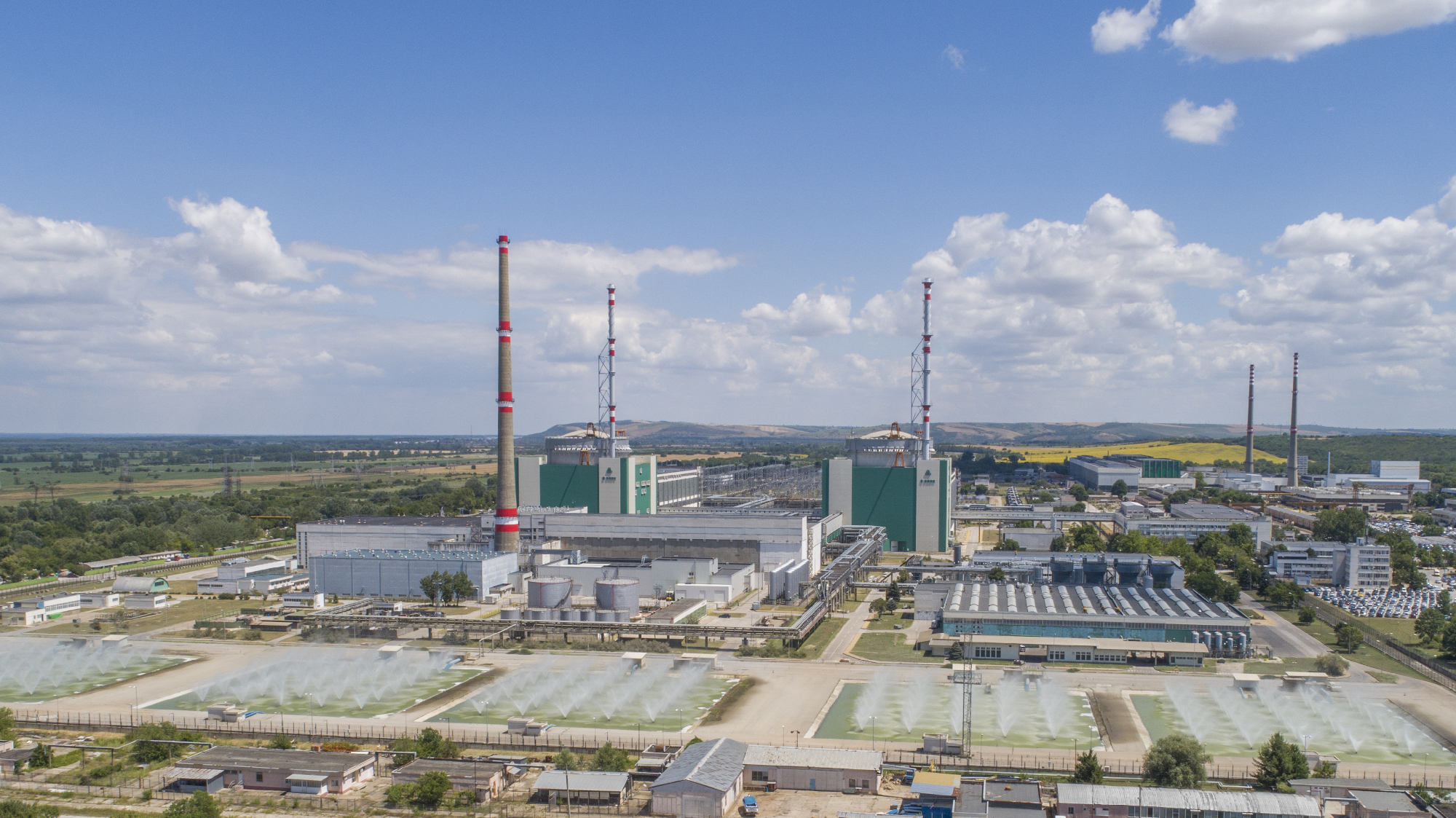
On February 14, Kozloduy NPP (two operating Soviet-designed units with VVER-1000 reactors) announced that Unit 6 would be shut down to replace a failed rupture disk of the turbine moisture separator reheater, located in the non-nuclear part of the unit. The replacement components were reported to be made from newly supplied materials equivalent to the original ones. The work was completed on March 5.
From October 23 to December 1, 2025, the unit underwent scheduled maintenance, including comprehensive preventive and technical servicing of systems and structures, as well as nuclear fuel reloading. However, during the following month, the unit was shut down twice (on December 14 and 22) due to damage to and the need to replace rupture disks of the turbine moisture separator reheater.
On February 19, Bulgaria’s National Assembly considered potential violations of the regulatory framework related to design modifications and the use of uncertified components at Kozloduy NPP, which led to three unplanned shutdowns of Unit 6.
These events were characterized as a threat to the energy and national security of the Republic of Bulgaria and as causing losses amounting to tens of millions of euros. Questions from lawmakers were answered by the Executive Director of Kozloduy NPP Ivan Andreev and the Chairman of the Nuclear Regulatory Agency Tsanko Bachiyski.
The main question raised by lawmakers was why the plant’s management chose to replace the original Russian equipment sets not with approved and certified Russian rupture disks, but with products from the Bulgarian company Atomenergoremont AD.
According to Andreev, the latest contract for the supply of rupture disks with the Russian supplier Energeticheskoye Oborudovaniye LLC was signed in October 2024, and in May 2025 the required authorization for a derogation from the EU sanctions regime was obtained. After being notified of this, the supplier requested a seven-month extension of the delivery deadline (the contract was due to expire in March 2026) and announced a 14% price increase, citing EU sanctions on Russia affecting logistics and associated costs, as well as inflation, since a significant amount of time had passed since the original bid was submitted. During the hearing, it was stated that the contract value was about €153,500, or roughly €3,000 per set.
According to Andreev, given the legal constraints, such changes could not be incorporated into the contract, and it was therefore terminated at the initiative of Kozloduy NPP in August 2025.
At the same time, due to difficulties in sourcing spare parts, consumables, and steel from Russia, Kozloduy NPP took steps to diversify supplies of consumables by turning to European alternatives.
According to Andreev, in previous years the Bulgarian company Atomenergoremont AD had manufactured rupture disks, as some of the original supplies were delayed or included defective components, and these disks operated for the full service life specified by regulations — four years.
Andreev also said that requests for the supply of rupture disks had been sent to manufacturers in Ukraine and Germany.
Tests of alternative rupture disks manufactured by Atomenergoremont AD based on drawings provided by Kozloduy NPP were carried out in June 2025. No design modifications were introduced; the only difference from the Russian products was the material — a European equivalent of the Russian steel was used, although its properties differed somewhat in this case.
As for the legal basis for such changes, according to Bachiyski, this replacement is considered unrelated to nuclear safety and therefore does not require amendments to licensing documents, with approval of a technical decision being sufficient. Accordingly, he said that in this case there were no violations of the Act on the Safe Use of Nuclear Energy or the requirements of the Regulation on Nuclear Power Plant Safety.
One of the government’s main questions to the plant’s management concerned the financial losses resulting from the decision. The unit had been operating at reduced output since December 2025. According to the Executive Director, lost revenue as of mid-February was estimated at 18 million leva (about €9.2 million). However, the forced outages shifted the timing of the next major overhaul of the unit, which will offset the shortfall in electricity generation in the future.
In late February, Energy Minister Traycho Traykov said that “those responsible will be held accountable.” One of Bulgaria’s parliamentary parties filed a request with the prosecutor’s office to investigate the events described.
On March 5, Unit 6 was again shut down for two days to replace rupture disks of the turbine moisture separator reheater with ones equivalent to the original. It was noted that tests conducted in independent laboratories confirm that the materials used have the required properties.
On March 25, the Bulgarian Council of Ministers adopted a decision allowing Kozloduy NPP to derogate from certain provisions of Council Regulation (EU) No. 833/2014 of July 31, 2014, and to conclude procurement contracts with companies from Russia (without specifying which ones). According to Bulgaria’s Energy Minister, the measure concerns exemptions from requirements in ten procedures related to the supply of original components, aimed at preventing a recurrence of similar incidents.
«The situation with the unsuccessful replacement of Russian-manufactured rupture disks with Bulgarian alternatives shows how difficult it can be to find substitutes for all supplies from Russia and fully phase them out. We have already seen in other countries, particularly in the Czech Republic, examples of governments being forced, in exceptional cases, to authorize the supply of certain spare parts for NPPs from Russia.
Such situations highlight several points. First, Europe’s dependence is much broader than it may appear when looking at well-known supplies of nuclear fuel or enriched uranium from Russia. Second, many such spare parts are more difficult to replace with alternatives simply because there are no alternative suppliers, as there is no market for these components and margins are lower.
Therefore, to ensure reliable NPP operation in several Eastern European countries, it will be necessary either to maintain a certain level of cooperation with Russian suppliers or to develop targeted support programs to produce equivalent components and systems at the national or multilateral level. For example, this could take the form of joint manufacturing programs for such components across multiple VVER fleets in several EU countries. In these programs, Ukraine’s experience — operating the largest fleet of VVER reactors outside Russia — could also be highly valuable.
Third, dependence on Russian components is relevant not only for routine maintenance but also for complex lifetime extension procedures envisaged for many VVER-based NPPs in EU countries. Where such lifetime extension programs are deemed appropriate, it is advisable to incorporate, to the greatest extent possible, the replacement and modernization of equipment and systems using Western alternatives. At the same time, such modernization should take into account not only safety and economic considerations, but also assurances of supply of this equipment for the entire projected operating lifetime of the units.»
Dmitry Gorchakov
Nuclear advisor
On February 16, Holtec International reported the delivery to the Kudankulam NPP site — where two Russian-designed VVER-1000 units are in operation and four more are under construction — of a set of equipment for spent nuclear fuel storage. The equipment includes high-density racks for storing spent nuclear fuel in borated water pools and a transportable cask.
Holtec said it supplies owners of Russian-designed NPPs with alternative, more technologically advanced systems and equipment, reducing their dependence on Russian suppliers. The company also emphasized its experience in reverse engineering and manufacturing equipment for plants built to Russian designs, including previous work supporting facilities with Russian-designed reactors such as the Chernobyl NPP in Ukraine.
Earlier, the first delivery of Holtec equipment, manufactured by its subsidiary Holtec Asia for Kudankulam NPP, took place in September 2025.
«For NPPs built to Russian designs abroad, it is quite typical to use not only Russian but also a wide range of foreign solutions and technologies at the customer’s discretion. This flexibility on Rosatom’s part partly allows it to make its offerings more attractive in the market. While Rosatom seeks to promote and maximize the use of its own technologies, it also offers solutions that appear more advantageous compared to Russian ones — for example, French turbines or German control systems, for which there is already extensive experience of joint implementation and operation.
Overall, Kudankulam NPP is characterized by a high share of Russian components. Even the turbines used there are Russian. However, in the area of spent fuel management, the Indian side has opted to use Holtec technologies and to retain the fuel domestically rather than sending it to Russia for reprocessing.»
Dmitry Gorchakov
Nuclear advisor
On February 5, the New START Treaty between Russia and the United States expired.
Originally a ten-year agreement in force since 2011, the treaty established verifiable limits on all deployed strategic delivery systems and warheads in Russia and the United States. During his first term, in 2020, the Trump administration did not support extending New START without additional conditions and sought to link its extension to broader arrangements, including the possible involvement of China and the introduction of additional constraints, including on nuclear arsenals. Russia, for its part, maintained that changing the format of the treaty was not advisable. Ultimately, the treaty was extended without changes for five years under the administration of Joe Biden in January 2021.
According to the United States, since 2022 Russia has not complied with the provision on allowing US inspectors access to its facilities (a decision Russia took in August 2022).
In February 2023, Russian President Vladimir Putin announced that Russia was suspending its participation in the treaty, citing the development of new types of nuclear weapons by the United States and the need for Russia to be prepared to conduct nuclear tests.
In the fall of 2025, ahead of the treaty’s expiration, Russia stated that it was ready to continue observing the quantitative limits under the agreement for another year, provided that the US side acted similarly. It was noted that Russia did not receive an official response from the United States to this proposal.
After February 5, the Russian Foreign Ministry stated: “In the current circumstances, we assume that the parties to the New START are no longer bound by any obligations or symmetrical declarations in the context of the Treaty, including its core provisions, and are in principle free to choose their next steps. In doing so, the Russian Federation intends to act responsibly and in a balanced manner, developing its policy in the field of strategic offensive arms on the basis of a thorough analysis of the US military policy and the overall situation in the strategic sphere.”
The Trump administration, as in 2020, supports the development of a new agreement that would consider current threats, including the growth of China’s nuclear arsenal. At the same time, the United States intends to combine the pursuit of new arrangements with strengthening of its own nuclear deterrence.
China, while expressing regret over the expiration of New START, called on Russia and the United States to return to dialogue, but stated that it does not intend to join arms reduction negotiations at this stage, as China’s nuclear forces are significantly smaller than those of Russia and the United States.
«Bellona advocates for the elimination of nuclear weapons and the military use of nuclear technologies, as well as for strengthening the international regime for controlling such weapons. In recent years of deteriorating relations between Russia and the United States, and especially after 2022, we have observed with concern a growing nuclear escalation. This escalation is reflected not only in periodic statements and signals about the possible use of nuclear weapons, the testing of new delivery systems, and the preparation of nuclear test sites for potential nuclear testing, but also in the gradual abandonment of long-standing arms control agreements — including the withdrawal of ratification of the Comprehensive Nuclear-Test-Ban Treaty (CTBT), Russia’s suspension of participation in New START and its subsequent expiration, the denunciation of the US–Russia Plutonium Management and Disposition Agreement, and others.
In addition to the global consequences of such nuclear escalation, there are also practical effects, including the increasing militarization of the Arctic. A significant share of Russia’s nuclear arsenal is concentrated in this region on the nuclear-powered submarines of the Northern Fleet. At present, they can carry approximately 300 nuclear warheads. With the expiration of New START and the absence of binding limits, in effect only Russia’s own political will will restrain a potential buildup of its nuclear arsenal in the Arctic.
According to our estimates, presented at the Arctic Frontiers conference in Tromsø, Norway, in early 2025, Russia could, within a relatively short timeframe and without significant technical difficulties, increase the number of nuclear warheads on existing Northern Fleet vessels by approximately 100 additional warheads.»
Dmitry Gorchakov
Nuclear advisor
Akkuyu NPP, Turkey. On February 3, unit step-up transformers were installed at the site.
Paks II NPP, Hungary. On February 5, first concrete was poured for the foundation slab of the reactor building of Unit 1 at Paks II NPP. The plant is now considered to be under construction. According to the schedule, this phase of work will be completed on December 24, 2026.
El Dabaa NPP, Egypt. On February 6, concreting of the first tier of the inner containment of the Unit 3 reactor building was completed.
On February 18, Greenpeace Ukraine published a study by McKenzie Intelligence Services on military activity at the Zaporizhzhia NPP during the summer of 2025 (Analysis of Russian Military Activity at the Zaporizhzhia Nuclear Power Plant (ZNPP) During June & August 2025). The study, based on the analysis of satellite imagery, documents the expansion and fortification of military infrastructure at the Zaporizhzhia NPP site in 2025 and analyzes the observed condition of the cooling pond.
On February 22, the German newspaper Die Welt published an article featuring extensive commentary by Bellona expert Dmitry Gorchakov on US dependence on supplies of Russian enriched uranium and efforts to reduce this dependence — “America is hungry for uranium — and is putting itself at the mercy of Vladimir Putin” (Amerika ist hungrig nach Uran – und liefert sich Wladimir Putin aus).
A monthly analytical review offering expert insight into key developments in nuclear policy, economics, safety, and technology related to the activities of Rosatom in Russia, Ukraine, and other countries
A monthly analytical review offering expert insight into key developments in nuclear policy, economics, safety, and technology related to the activities of Rosatom in Russia, Ukraine, and other countries

A monthly analytical review offering expert insight into key developments in nuclear policy, economics, safety, and technology related to the activities of Rosatom in Russia, Ukraine, and other countries

A survey of events in the field of nuclear and radiation safety relating to Russia and Ukraine