Bellona Nuclear Digest. June 2026
A monthly analytical review offering expert insight into key developments in nuclear policy, economics, safety, and technology related to the activities of Rosatom in Russia, Ukraine, and other countries
News
Publish date: 14/09/2026
News
A monthly analytical review offering expert insight into key developments in nuclear policy, economics, safety, and technology related to the activities of Rosatom in Russia, Ukraine, and other countries.
After Russia’s full-scale invasion of Ukraine in February 2022, Bellona ceased its activities in the aggressor country. On 18 April 2023, Russia’s Prosecutor General’s Office declared Bellona an undesirable organization in the Russian Federation.
Nevertheless, we continue to systematically monitor and analyze developments related to Rosatom’s activities that we believe are of interest to an international audience. The aim of this review is to assess the scale of Russia’s international influence in the nuclear sector, as well as the associated political, economic, and environmental risks.
This digest covers events from July 2026.
You can follow the links to read the three most recent digests covering June, May and April 2026.
Subscribe to our mailing list to stay informed about future issues.
NUCLEAR EVENTS IN UKRAINE AND THE WAR
1. The Zaporizhzhia NPP and other nuclear facilities in Ukraine. Events of July 2026
1.1. Nuclear diplomacy events
1.2. Military threats at the ZNPP
1.3. ZNPP off-site power supply
1.4. Operational status of the ZNPP
1.5. Military threats at other nuclear facilities of Ukraine
2. Ukrainian government completes formation of Energoatom’s Supervisory Board
INTERNATIONAL NUCLEAR EVENTS AND THEIR CONNECTION WITH RUSSIA
3. Germany approves production of VVER fuel in Lingen under a Russian license
4. Uranium market and enrichment services in the EU and US
4.1. Euratom Supply Agency annual report: European suppliers strengthen their position, but dependence on Russia persists
4.2. Imports of Russian enriched uranium into the EU increased in early 2026
4.3. US Energy Information Administration report: Russia retains a significant role in uranium enrichment services
EVENTS IN THE RUSSIAN NUCLEAR SECTOR AND IN ROSATOM PROJECTS ABROAD
5. Rosenergoatom receives siting licenses for two Kola NPP-2 units
6. Rosatom’s projects abroad
On July 10, consultations between the Russian delegation and the IAEA on nuclear safety and security at the Zaporizhzhia NPP were held in Kaliningrad for the thirteenth time. According to Rosatom, the main topic of the consultations was ensuring the safety of the ZNPP. Rosatom Director General Alexey Likhachev drew attention to the increased intensity of strikes on the ZNPP, Enerhodar, and surrounding areas since late April.
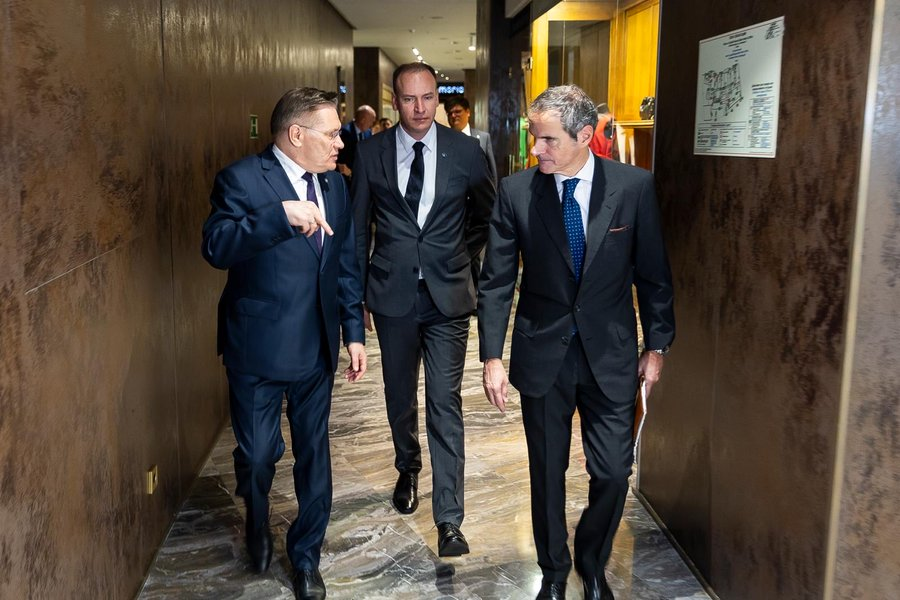
On July 13, Ukrainian Energy Minister Denys Shmyhal said that he had held an online meeting with Grossi to discuss the safety situation at Ukraine’s nuclear facilities and the restoration of the New Safe Confinement at the Chernobyl NPP. He noted that partners had already secured €30 million for the preparatory phase of the work, while the total amount of agreed financing for the full restoration stands at $500 million. More than half of this amount is already covered by announced contributions from Norway, the United States, the EU, and other partners. The need to adapt international approaches to nuclear safety to wartime conditions was also emphasized.
According to IAEA Director General Rafael Grossi, continued military activity in the vicinity of the Zaporizhzhia NPP, and particularly in its satellite city of Enerhodar, is affecting the work and living conditions of people at the site.
Throughout July, Russia repeatedly reported intense military activity near the Zaporizhzhia NPP, including incidents affecting the ZNPP’s transport workshop on July 7 and 9, as well as Enerhodar, where most plant staff live. Damage to power infrastructure in mid-July caused disruptions to the supply of tap water to Enerhodar and the plant site. (The plant’s essential safety functions continued to be supplied with water from groundwater wells.) Additional information can be found in the communications issued by Russia’s Permanent Mission in Vienna during the period under review.
The IAEA team at the ZNPP also reported hearing sounds of military activity, including drones flying and gunfire.
On July 15, Rosatom Director General Alexey Likhachev said that a drone strike on an service vehicle near the boundary between the plant’s industrial site and Enerhodar killed the Russian-appointed ZNPP chief engineer, Alexander Yakovlev, and his driver. In connection with the incident, Russia also submitted statements to the IAEA from the Russian Foreign Ministry and Rostekhnadzor.
Ukraine rejected Russia’s accusations of involvement in the death caused by the drone strike near the occupied ZNPP, stating that there was no independent confirmation of the Russian account. The Ukrainian Foreign Ministry also stressed that the main source of the threats surrounding the plant remains its Russian occupation and militarization, and called on the IAEA and the international community not to allow the Russian-appointed ZNPP administration to be legitimized. (See also Energoatom’s statement and the comment by Ukraine’s State Nuclear Regulatory Inspectorate.)
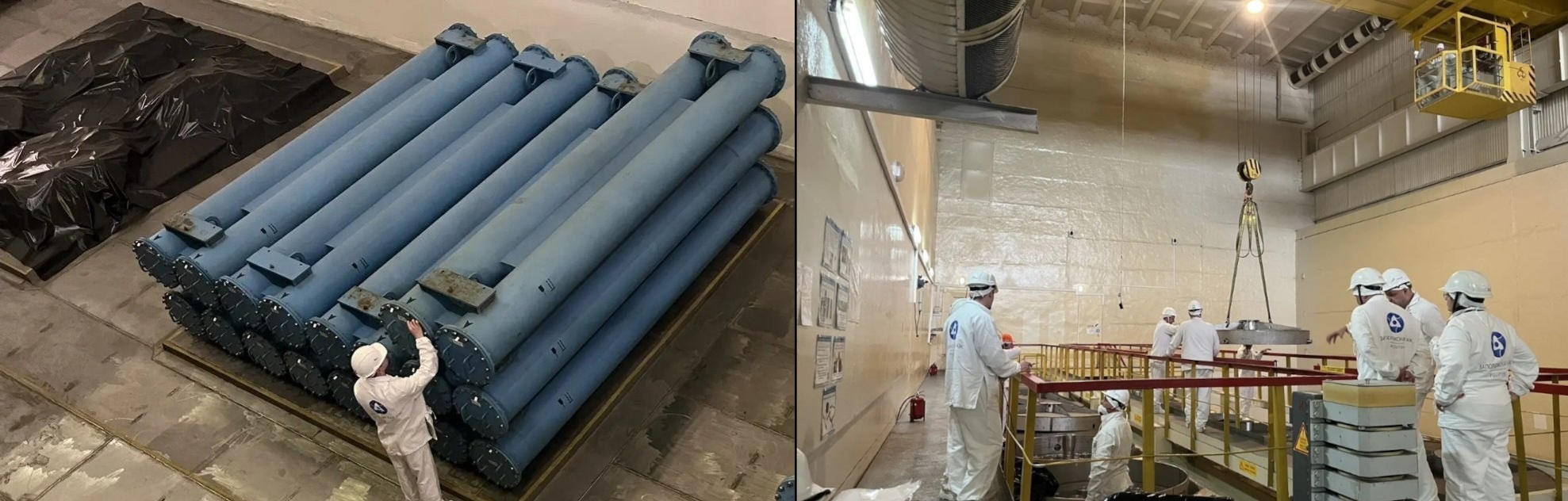
In addition, it was suggested that the Russian side may have been involved in Yakovlev’s death. Shortly after his death, the Telegram channel @actual_energodar published photographs that it claimed had been taken in spring 2026 at the ZNPP fresh fuel storage facility. The images show Rosatom employees next to transport containers holding Russian TVS-A fuel assemblies and, according to the channel, working with containers holding fresh Westinghouse TVS-WR fuel assemblies.
The channel presents the photographs as evidence that Rosatom representatives had access to the American fuel and links this to previously raised concerns about possible industrial espionage and access to technologies used to adapt Westinghouse fuel for VVER-1000 reactors. According to the channel’s account, Yakovlev opposed Russian access to the American nuclear fuel, and the resulting conflict may have been one of the reasons for his killing.
On July 30, Russia stated that a UAV had been detected near the ZNPP dry spent fuel storage facility, close to the building housing the transporter used to move spent fuel containers. The munition was successfully neutralized. Russia also accused Ukraine of attempting to strike the ZNPP hydraulic engineering workshop using a UAV controlled via a fiber-optic cable.
Since March this year, the ZNPP has remained without its main external power line, the 750 kV Dniprovska line. The line was initially taken out of service due to damage caused by military activity and was repaired in early June under an IAEA-brokered ceasefire arrangement. However, it remains out of use because the substation to which it is connected was severely damaged by strikes in May.
As a result, in July, when the only available external power line, the 330 kV Ferrosplavna-1 line, was disconnected, the plant had to rely on emergency diesel generators twice — on July 3 due to damage to the line and on July 14 due to a thunderstorm.
Meanwhile, Greenpeace continues to monitor the construction of power lines in the occupied Ukrainian territories. On July 21, Greenpeace published a new analysis of satellite imagery collected between January and July 2026. According to the organization, by July 1 Russia had built about 86 km of a new 150 kV power line across the occupied parts of the Zaporizhzhia and Kherson regions, connecting substations in Melitopol and the Henichesk district. Construction, which began in early 2026, appears to have stopped in late May.
Greenpeace links the development of this infrastructure both to supplying Russian military facilities and to longer-term plans to connect the ZNPP to the power system of the occupied territories and southern Russia, as well as to a possible restart of the plant’s reactors.
In the first half of July, the IAEA team was denied access to the emergency diesel generator fuel storage facility for security reasons. The experts were informed that the facility held enough fuel for more than 10 days of emergency generator operation.
On July 10, the Russian-appointed ZNPP communications director, Yevgeniya Yashina, told RIA Novosti that deliveries of diesel fuel to the plant were being hampered by shelling and the mining of roads by Ukrainian forces. On the same day, Rosatom Director General Alexey Likhachev said that diesel fuel reserves at the ZNPP stood at around 50% of the required level.
In mid-July, the Agency’s experts were once again denied access to the off-site emergency operations center, also because of security concerns. Their last visit to the center took place in December 2025.
According to data from IAEA headquarters, more than two-thirds of the off-site radiation monitoring stations around the ZNPP are not transmitting data. The IAEA team discussed the situation with the Russian representatives at the ZNPP. The experts were informed that some off-site radiation monitoring stations had lost power or been damaged, but that the existing configuration was considered sufficient in principle to meet radiation monitoring objectives.
In late July, the IAEA team at the ZNPP was informed that the plant had decided to raise the water levels in the spent fuel pools of all six units. The measure is intended to increase the time available before the water could begin to boil off in the event of a prolonged loss of off-site power, if the plant’s diesel fuel reserves are exhausted and cooling of the pools can no longer be maintained.
The decision was taken because of the prolonged unavailability of the 750 kV Dniprovska line and difficulties in replenishing diesel fuel stocks at the plant due to military activity in the ZNPP area. The work began in early August in the presence of the IAEA team.
Throughout July, IAEA teams at Ukraine’s operating NPPs — Khmelnytskyi, Rivne, and South Ukraine — as well as at the Chernobyl NPP site, continued to report drone overflights within their monitoring zones, as in previous months (Updates 357–360).
On July 1, the Cabinet of Ministers of Ukraine appointed two independent members of the Supervisory Board of National Nuclear Energy Generating Company Energoatom, replacing Patrick Fragman and Brice Bohuon, who had stepped down before the end of their terms. The new members are former EDF and Ontario Power Generation executive and nuclear energy expert Dominique Minière, and Matthew Murray, a US expert in public administration, anti-corruption policy, and compliance with practical experience working with Ukrainian institutions.
«Developments around Ukraine’s nuclear facilities remain predictably uncertain.
The Zaporizhzhia NPP undoubtedly remains at the center of attention, with military activity continuing around the plant. Russia continues to saturate the NPP itself, its infrastructure, and the industrial facilities around it with weapons, while Ukraine, according to information circulating on Ukrainian social media, predictably seeks to counter this. And, as we have repeatedly emphasized, this will continue as long as the war goes on — and for now, there is no end in sight.
It is not only facilities that are being destroyed; people are also being killed, including personnel working at the ZNPP and members of their families living in Enerhodar.
At every meeting with Grossi, Rosatom Director General Alexey Likhachev complains about Ukrainian Armed Forces strikes on ZNPP infrastructure. The IAEA Director General nods, says that military action against nuclear power plants and their personnel is unacceptable, but his words have done nothing to stop a war that has now been going on for almost five years.
The IAEA apparently recognizes its own powerlessness and therefore, in most cases, tries “not to notice” Russian weaponry at and around the ZNPP, avoids speaking out on the issue, and waits. Grossi has set his sights on becoming UN Secretary-General and knows full well that Russia has veto power when the Security Council considers candidates for the post.
This further reinforces his ineffective “political peacemaking” over Russia’s military seizure of the ZNPP and the nuclear threat it has created for Ukraine’s other civilian nuclear facilities. His equally inconclusive talk about the need to adapt international approaches to nuclear safety to wartime conditions should be viewed in the same context.
The killing of the ZNPP chief engineer generated considerable attention in the Ukrainian media and especially in the Russian media. Putin even posthumously awarded him some kind of state decoration. Likhachev informed the IAEA about the incident. Predictably, both sides — Russia and Ukraine — blamed each other for the killing.
Who killed one of the several hundred people who die every day in Ukraine, and what the specific motive for this particular killing was, will most likely never be established. The motive could have been anything, including personal, financial, or other reasons, so there is little point in speculating or trying to get to the bottom of it. The war will be used to explain it all away.
Once again, it can be said that for Russia, the ZNPP remains a “suitcase without a handle” — impossible to abandon, but extremely costly and dangerous to keep. For Ukraine, it is a facility that it is unlikely to agree to “give” to Russia.
We will see how this plays out.
It remains unclear why hundreds of millions of euros are being spent on restoring the confinement at the Chernobyl NPP when these funds are undoubtedly needed today for other vital projects. These are questions that require answers, including from Energoatom’s Supervisory Board, which has finally been formed.
This at least offers some hope that Ukraine’s law enforcement agencies will no longer have questions for the country’s nuclear operator of the kind we have written about in previous digests.
In conclusion, the main task facing the nuclear power sector is to prepare for the very difficult winter that is already approaching. We hope that the energy sector, and Ukraine as a whole, will survive the winter conditions that some journalists have already dubbed an “energy Holodomor” — by analogy with the Holodomor, the famine organized by the Soviet authorities in Ukraine in 1932–1933, in which millions of people died of starvation.»

Aleksander Nikitin
Special Nuclear Advisor
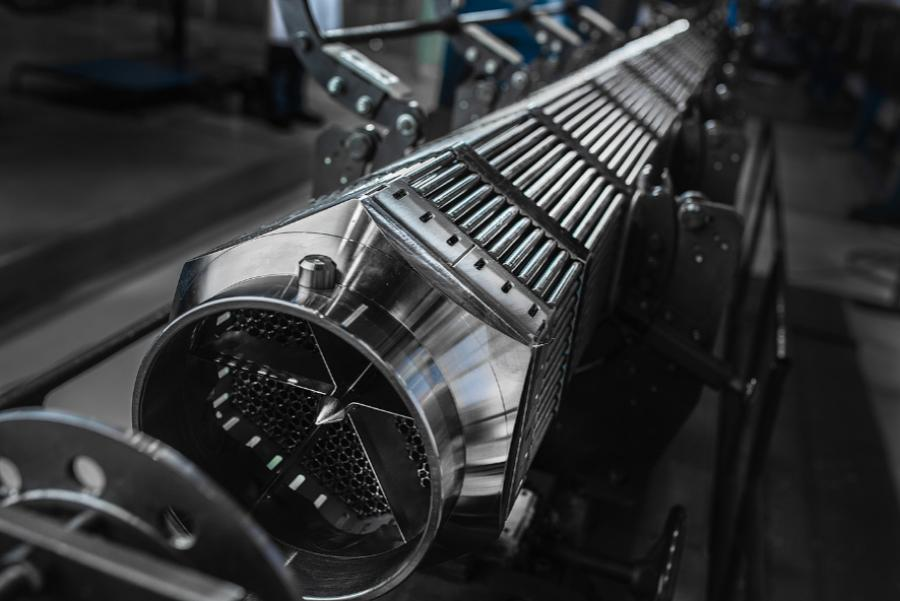
On July 22, the Lower Saxony Ministry for the Environment, Energy and Climate Protection announced that, acting on behalf of the federal authorities, it had approved an application by Advanced Nuclear Fuels (ANF), a subsidiary of France’s Framatome GmbH, to expand its fuel fabrication facility in Lingen to produce Russian-type hexagonal fuel assemblies.
Fuel for Eastern European VVER reactors will be produced under Russian licenses and using Russian technology as part of a joint venture with Rosatom’s fuel company TVEL. According to ANF’s original application, some of the equipment for manufacturing fuel rods and fuel assemblies, as well as for quality control, will be supplied by the licensor. This equipment is to be integrated into the existing production process at the Lingen facility.
The published permit provides a detailed account of the application review process, from its submission in March 2022 to the final decision. It notes that between January and March 2024, 47 objections were submitted as part of the public consultation process, including collective submissions representing around 11,000 people. A substantial share of the concerns related to cooperation with Rosatom, the risks of espionage, sabotage and cyberattacks, and possible Russian influence over Germany’s critical infrastructure.
These risks became one of the central issues in the licensing process. At the same time, the authority notes that, despite Russia’s war against Ukraine and discussions of restrictions targeting the Russian nuclear sector, the EU sanctions currently in force do not prohibit the cooperation under review. The fact that ANF is cooperating with TVEL and Rosatom therefore does not in itself constitute sufficient legal grounds for denying the permit.
Initial consultations with federal agencies and security authorities did not produce a unified assessment of the risks. After further review, the federal authorities concluded that, provided appropriate restrictions were imposed, there were no legal grounds for denying the permit.
The Lower Saxony Ministry ultimately approved the project, stating that the identified technical, political, and security risks could be reduced to an acceptable level through binding conditions and supervisory measures.
The conditions imposed include a general ban on access to the facility by employees of TVEL or Rosatom, as well as by persons acting on their behalf. Access is permitted only in strictly limited cases and under the supervision of representatives of the regulatory authority.
The hardware and software of equipment operating under a TVEL license must undergo an external security review, and the equipment itself must be isolated at the data level from the rest of the fuel fabrication facility’s IT/OT systems. Finished gadolinium fuel rods supplied from Russia must be fully inspected using active and passive scanners for possible tampering, in accordance with the “four-eyes” principle. In addition, ANF employees must undergo regular training and briefings on protection against espionage and sabotage.
Lower Saxony Environment Minister Christian Meyer, commenting on the decision, said that he considered doing business and maintaining close cooperation with Putin’s nuclear corporation fundamentally wrong. However, there is still no majority in the EU in favor of sanctions on Russian uranium and nuclear fuel, even though Ukraine and other Eastern European countries have shown that hexagonal fuel assemblies for VVER reactors can be produced without Russian involvement. At the same time, the Lower Saxony Environment Ministry is acting on behalf of the federal Environment Ministry and is required to follow its instructions.
Framatome, for its part, welcomed the decision and said it was ready to begin upgrading the facility immediately, with the aim of starting deliveries of fuel assemblies in 2027.
Media coverage presented the Lingen decision primarily as a controversial compromise between Germany’s legal obligations and its policy of reducing dependence on Russia. Critics pointed to the risks of continued cooperation with Rosatom, including potential security threats, espionage risks, and technological dependence.
For example, in an interview with Tagesspiegel Background, DiXi Group President Olena Pavlenko discusses the risks of Russian influence and draws a parallel with Nord Stream 2, while ZN.UA examines the continuing dependence of European VVER fuel production on Russian technologies and components, as well as the difficulties involved in transitioning to entirely non-Russian fuel.
As a reminder, in addition to the Lingen facility, Framatome plans to begin producing VVER-440 fuel under a Russian license at its plant in Romans-sur-Isère, France.
«The decision, in our view, is rather strange and does little to strengthen the independence of Europe’s nuclear industry and economy from Russia.
First, the project was approved after numerous protests and objections in Germany, as well as public statements by Lower Saxony Environment Minister Christian Meyer expressing his reluctance to approve it. Yet in the end, it was his ministry that gave the project the green light, citing pressure from the federal government. Unfortunately, this points to the absence of a clear and consistent policy or set of principles governing contacts with official Russian entities, both in Germany itself and across the EU.
Second, this decision will allow Framatome to fulfill its commitments to supply nuclear fuel for Eastern European VVER reactors with Rosatom’s involvement. This could slow down the development of Framatome’s own VVER fuel that is independent of Rosatom and prolong both Europe’s dependence on Rosatom and Rosatom’s influence in this market.
Bellona does not support this decision by the German authorities or this cooperation between Framatome and Rosatom.»

Dmitry Gorchakov
Nuclear advisor
On July 9, the Euratom Supply Agency (ESA) published its annual report reviewing the nuclear fuel market in the EU countries in 2025.
According to the report, European utilities continued to diversify their supplies of nuclear materials and services. One of the most notable developments highlighted by ESA concerns fuel for Russian-designed reactors: by the end of 2025, all European VVER operators had signed contracts for the supply of non-Russian fuel.
As in the previous year, in 2025 EU utilities purchased more uranium than they loaded into reactors, while the volume of purchases increased by around 4.9% compared with 2024. This reflects utilities’ efforts to maintain higher inventories of nuclear materials and fuel amid continued risks to supply chains.
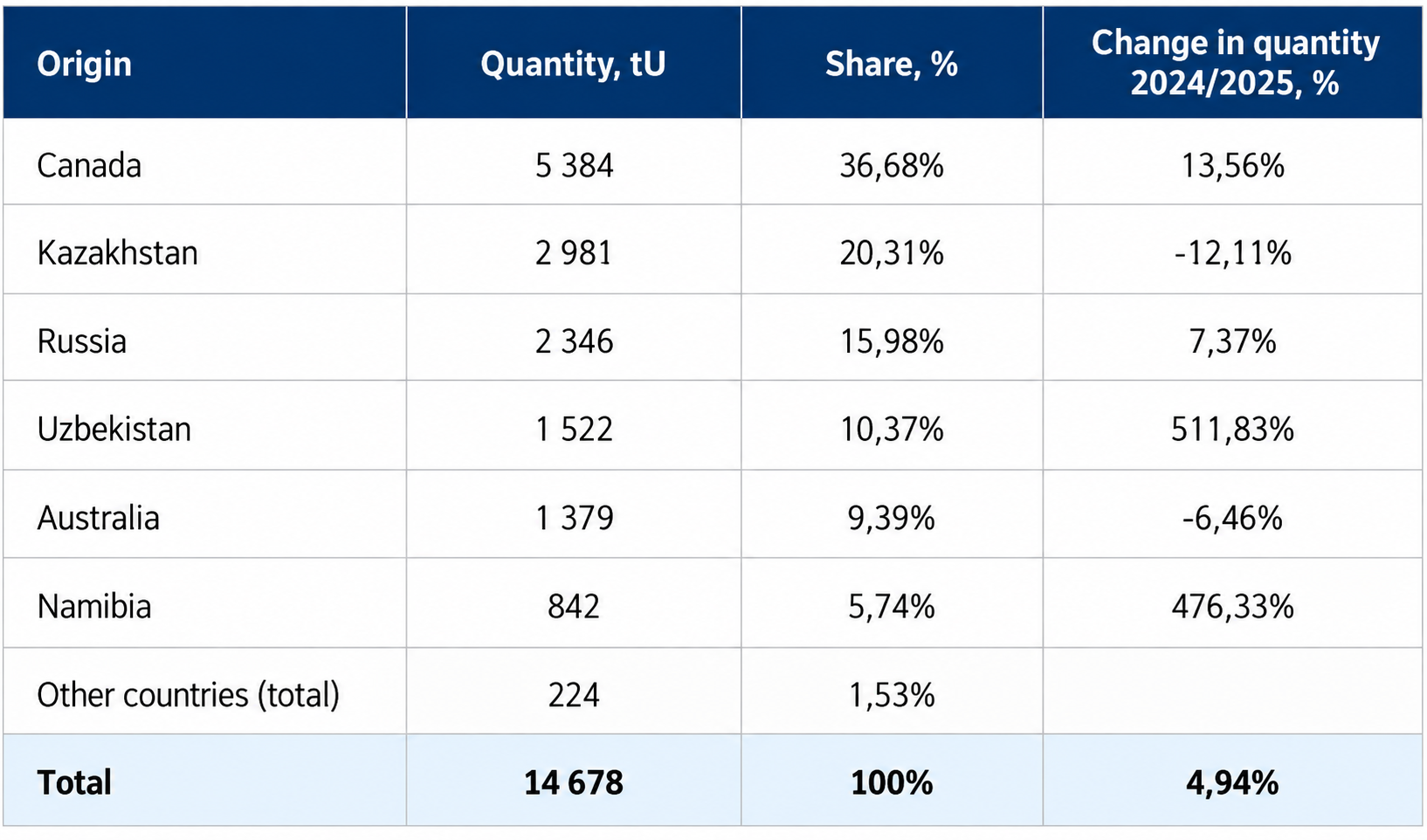
The origin of natural uranium supplied to EU utilities in 2025 remained broadly similar to that of 2024, although the shares of individual suppliers changed. The largest suppliers were Canada at 36.68%, Kazakhstan at 20.31%, Russia at 15.98%, Uzbekistan at 10.37%, and Australia at 9.39%.
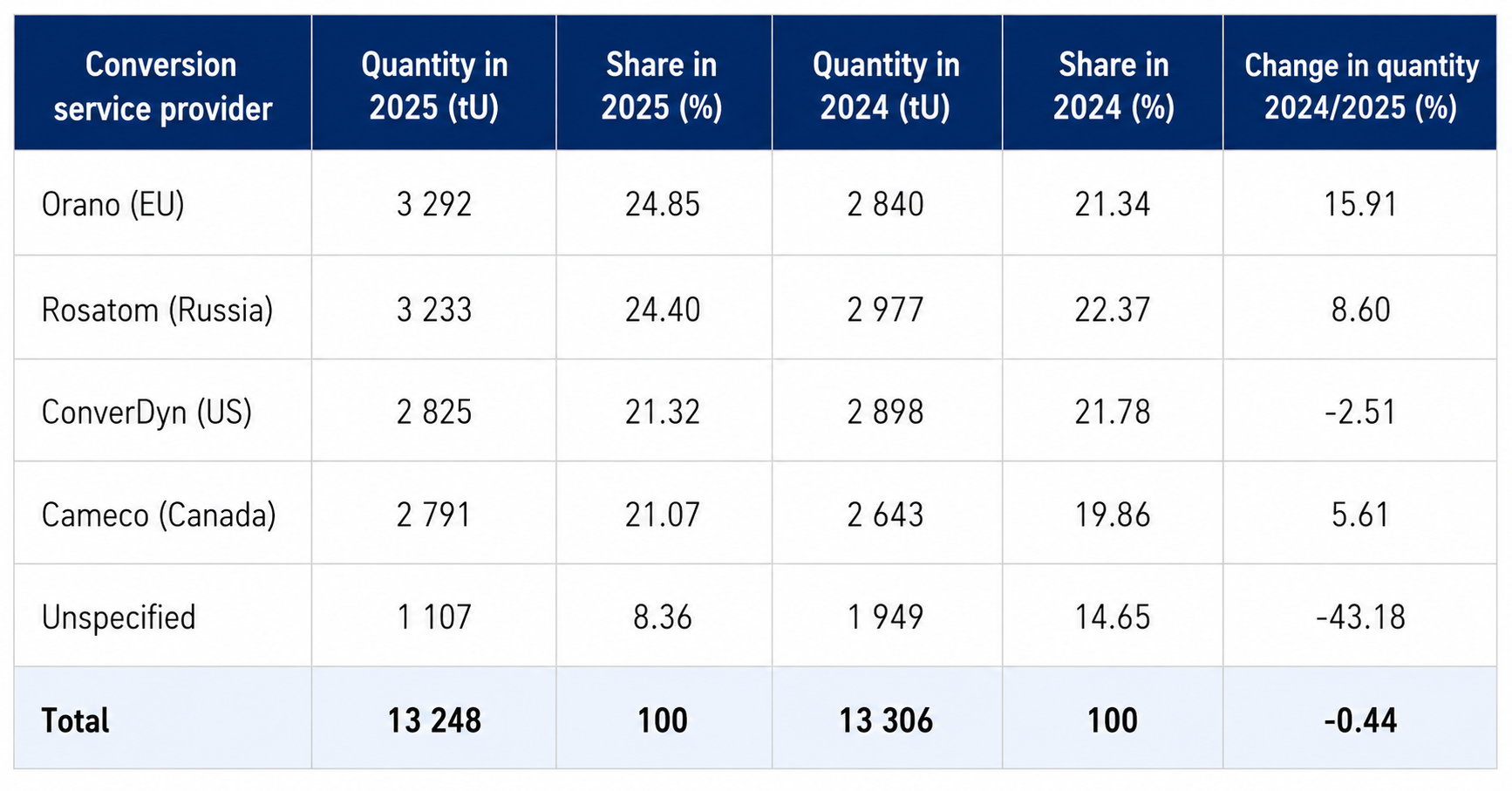
In the conversion services market, the situation remained relatively stable in 2025. France’s Orano was the largest supplier, providing conversion services for 3,292 metric tons of uranium, or 24.85% of the total volume, up 15.91% from 2024. Russia ranked second. The volume of conversion services provided by Rosatom increased by 8.6% to 3,233 metric tons of uranium, equivalent to 24.4% of the total.
ESA also notes that market analysis is complicated by the significant share of conversion services for which the origin is unspecified. In 2025, these accounted for 1,107 metric tons of uranium, or 8.36% of the market. Compared with 2024, however, their volume fell by 43.18%.
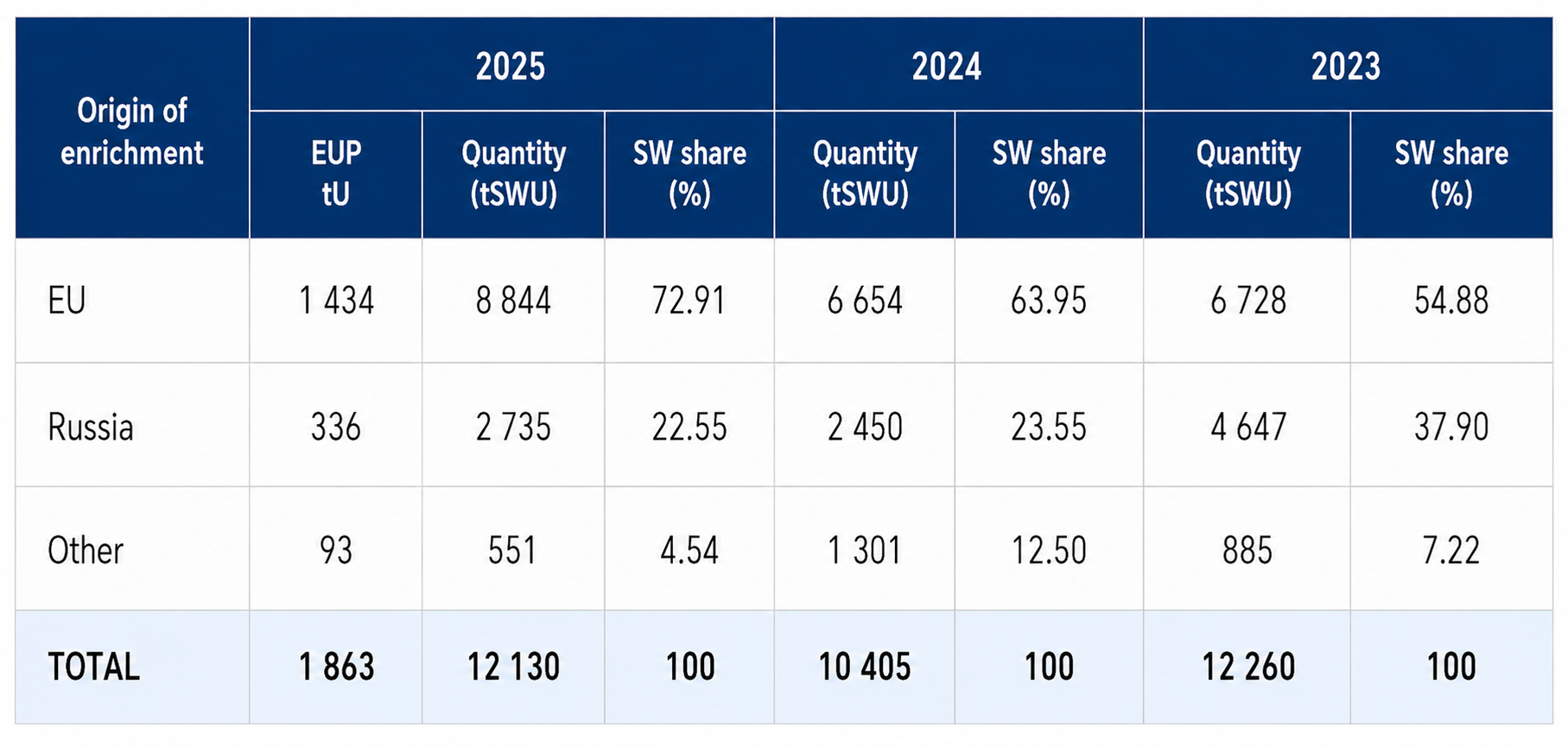
In the uranium enrichment segment, the total volume of services increased by 16.58% in 2025 compared with the previous year. European suppliers recorded the most significant growth: their share rose from 63.9% in 2024 to 72.9% in 2025, while the volume of enrichment work performed increased from 6.654 million to 8.844 million SWU, or by 32.9%.
Russian supplies of enrichment services also increased, by 11.6% compared with 2024. Thus, after a sharp decline a year earlier, when Russia’s share fell from 37.9% to 23.55%, the volume of Russian enrichment services rose again in 2025, although most of the market growth came from European suppliers.
In June, the Russian outlet RIA Novosti, citing Eurostat data, reported that in January–April 2026 EU countries significantly increased imports of enriched uranium from Russia compared with the same period in 2025: the total value of purchases reached €163.5 million, up from €20.8 million a year earlier. During this period, Russian uranium was imported by France — €141.2 million, Germany — €13.8 million, and the Netherlands — €8.5 million.
It should be noted that these figures relate to commodity code 284420 (uranium enriched in U-235 and its compounds; plutonium and its compounds).
According to analysts, this increase in imports is unlikely to indicate growing dependence on Russian enrichment services: a single scheduled shipment or one-off spot purchase can significantly affect short-term comparisons but does not necessarily signal a change in the longer-term trend.
On July 29, the US Energy Information Administration (EIA) published its uranium marketing annual report with data for 2025. According to the report, US operators of commercial nuclear power plants purchased about 21,300 metric tons of U3O8 equivalent (46.9 million pounds). Of this amount, foreign-origin supplies accounted for about 30 million pounds of U3O8 equivalent (U3O8e refers to the equivalent quantity of uranium contained in uranium concentrate (U3O8), uranium hexafluoride, and enriched uranium).
Purchases in 2025 were 16% lower than in 2024, when they amounted to about 25,400 metric tons of U3O8e (55.9 million pounds).
Canada remained the largest uranium supplier in 2025, accounting for 32% of all deliveries to the United States. Kazakhstan accounted for 28%, Australia for 15%, Uzbekistan and the United States for 7% each, and Namibia for 4%. Uranium was also supplied from Malawi and Niger.
The EIA does not disclose data on supplies of Russian-origin uranium for 2025, citing the need to protect information on individual companies. For the same reason, it withholds data for several other countries as well. Looking at previous years, US operators received about 921 metric tons of Russian-origin uranium in U3O8e in 2024 (2,031 thousand pounds, or less than 4% of all US purchases), compared with about 2,740 metric tons of U3O8e in 2023 (6,042 thousand pounds, or around 11.6% of all US purchases).
As in Europe, dependence on Russia remains more significant in enrichment services. In 2025, US nuclear power plant operators sent about 14,600 metric tons of natural uranium feed in U3O8e (32,100 thousand pounds) for enrichment. Around 37% of this volume was sent to enrichment facilities in the United States and 63% to facilities abroad. Among the foreign destinations disclosed by the EIA, about 2,500 metric tons of U3O8e (5,514 thousand pounds) were sent to France for enrichment and about 1,100 metric tons of U3O8e (2,425 thousand pounds) to Russia. A year earlier, about 1,790 metric tons of U3O8e (3,937 thousand pounds) had been sent to Russian facilities, meaning that this volume fell by around 38% in 2025.
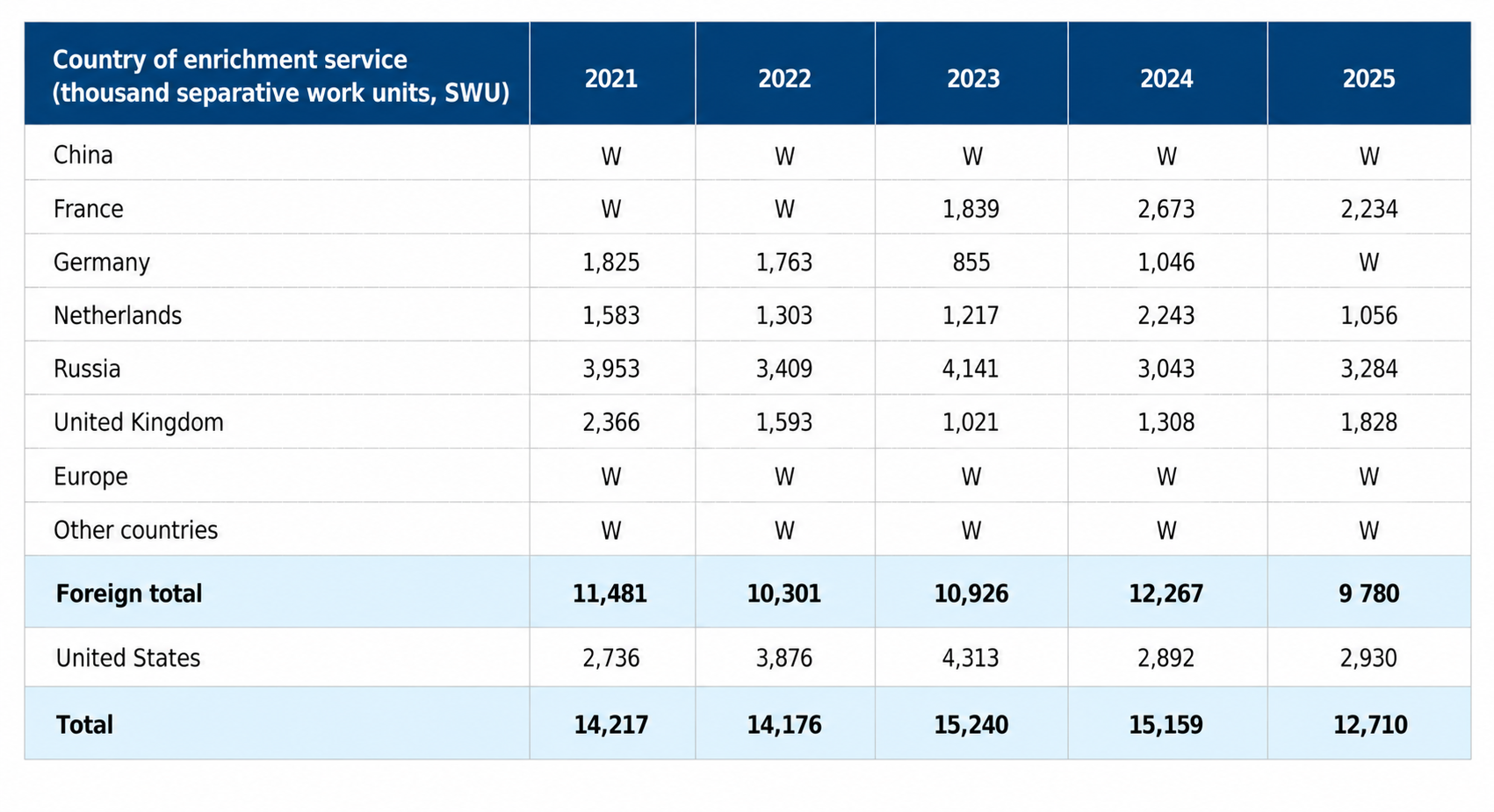
At the same time, data on purchased enrichment services show a different trend. In 2025, US operators purchased a total of 12.71 million separative work units (SWU), compared with 15.16 million SWU in 2024. Only 2.93 million SWU, or 23%, were of US origin, while foreign services accounted for the remaining 77%.
Russia nevertheless remained the largest single source of enrichment services for US nuclear power plants. In 2025, Russian facilities accounted for 3.284 million SWU, or about 26% of all enrichment services purchased. By comparison, US facilities accounted for 2.930 million SWU, France for 2.234 million, the United Kingdom for 1.828 million, and the Netherlands for 1.056 million SWU.
After declining in 2024, the volume of Russian enrichment services increased again in 2025, from 3.043 million to 3.284 million SWU, or by around 8%. However, it remained below the 2023 level, when Russia supplied 4.141 million SWU. Russia’s share of the total enrichment services purchased by US operators was around 27% in 2023, fell to about 20% in 2024, and rose again to nearly 26% in 2025.
«The latest statistics for the EU and the United States show that Western nuclear power plant operators and nuclear fuel cycle companies remain dependent on Russian supplies of uranium and uranium conversion and enrichment services. Despite the presence of major European competitors to Rosatom and the availability of technical alternatives, as much as 20–25% of nuclear materials and nuclear fuel cycle services on the European and US markets are still of Russian origin.
Only formal restrictions and sanctions are likely to break this trend by creating a clear imperative to reduce purchases of nuclear materials from Russia and giving Western suppliers greater certainty that investments in expanding capacity will pay off.
Bellona regularly tracks and publishes data on supplies of nuclear materials from Russia. For example, several months ago we published figures for 2025 in our report Rosatom 2025: the war, energy and global activity, which included our analysis of enriched uranium and nuclear fuel supplies to the EU and the United States based on available trade data on export and import transactions, in particular Eurostat and Comtrade data available as of the first half of 2026.
The results of our analysis are broadly consistent with the data published in the recent annual reports of the Euratom Supply Agency and the Energy Information Administration, although differences in methodology and source data do not allow the figures to be compared directly.
At the same time, a major problem remains: the data available in open sources and databases for analysis by experts and journalists are incomplete. Trade data contain numerous gaps, both across countries and across individual years, and require substantial additional analysis and contextual information to be interpreted correctly. But even the data available to major government bodies and state agencies contain significant gaps and do not provide complete information on suppliers, as noted, for example, in the Euratom Supply Agency report.
All of this highlights the urgent need for reliable monitoring of nuclear material supplies in general and supplies from Russia in particular. If sanctions on such supplies are introduced in the future, the absence of reliable tools for analyzing and verifying deliveries could undermine effective monitoring of compliance with the restrictions.»
Dmitry Gorchakov
Nuclear advisor
On July 15, the Federal Environmental, Industrial and Nuclear Supervision Service issued Rosenergoatom, Rosatom’s electric power division, siting licenses for Units 1 and 2 of Kola NPP-2 in the Murmansk Region. The two units, each equipped with a 600 MW VVER-S reactor, are intended to replace retiring capacity at the existing Kola NPP as its operating units approach the end of their service lives.
The service life of the main equipment is expected to be at least 80 years. The reactor plants of the new units may use uranium-plutonium fuel as part of a closed nuclear fuel cycle. Construction of the first two units of Kola NPP-2 is planned for 2029–2037, with two additional similar units to be built at the site later.
The issuance of the siting licenses allows work to begin on access roads, construction support facilities, site grading, and forest clearing.
El Dabaa NPP, Egypt. On July 8, manufacturing of the reactor pressure vessel for Unit 4 began at the Atommash plant.
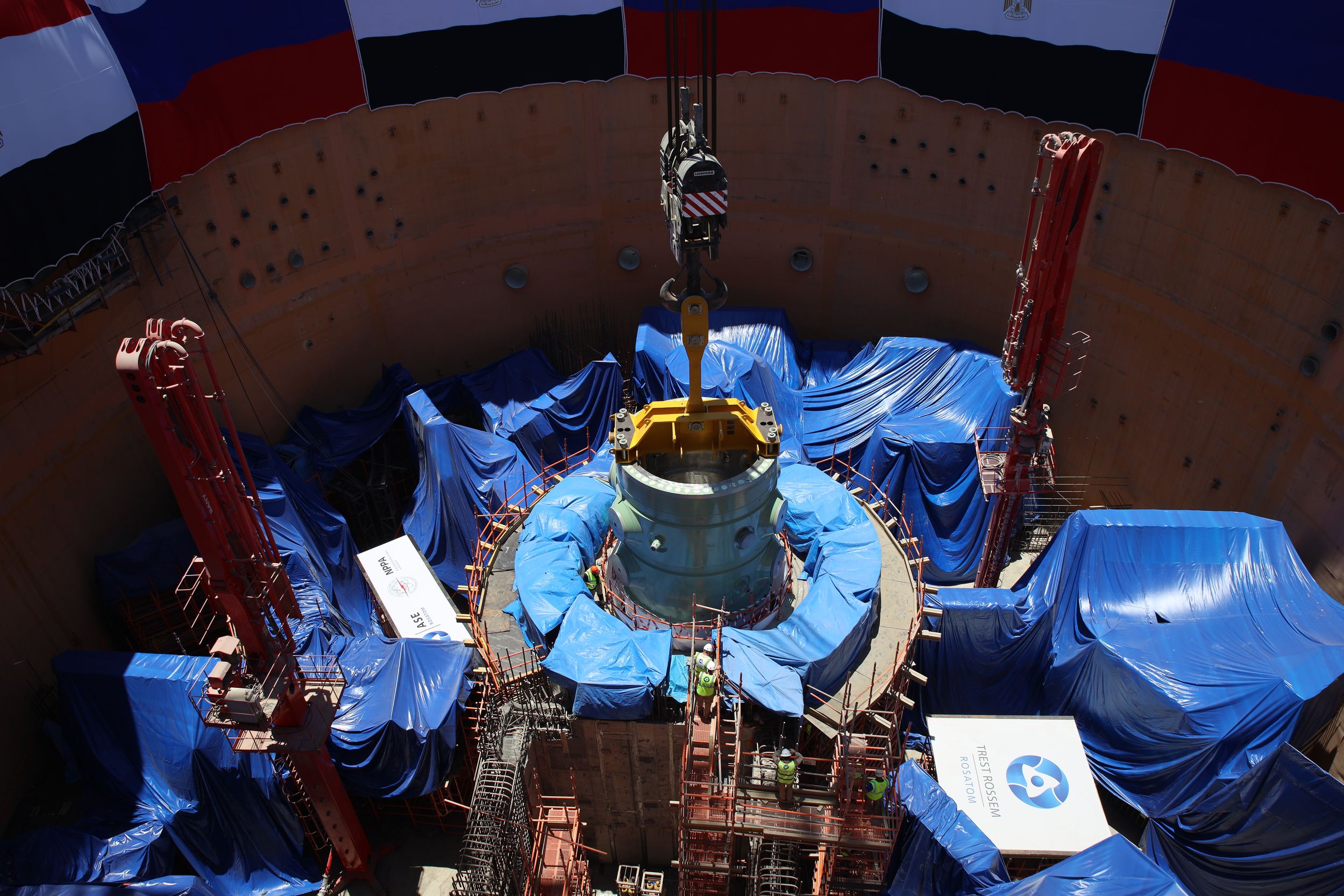
On July 9, the reactor pressure vessel for Unit 2 was installed in its design position at the NPP construction site. The ceremony marking the event was attended by Egyptian Prime Minister Mostafa Madbouly, Minister of Electricity and Renewable Energy Dr. Mahmoud Esmat, IAEA Director General Rafael Grossi, and Rosatom Director General Alexey Likhachev.
Bushehr NPP, Iran. On July 6, Rosatom Director General Alexey Likhachev said that the stabilization of the situation at the Bushehr NPP made it possible to plan the return of Russian personnel to the plant starting in mid-July.
However, on July 10, Likhachev said that the process, which had already begun, had to be suspended because of renewed strikes in Iran. The first group of six people was stopped in Tehran. Likhachev also said that strikes had targeted Bushehr Province, among other areas, but that, according to the information available to Rosatom, there had been no hits on the NPP site.
The return of personnel resumed on August 9, when the first five engineering and technical specialists arrived at the site, bringing the number of Russian personnel there to 25. Twenty Russian employees had remained at the site after the evacuation prompted by military activity in Iran.
Paks II NPP, Hungary. In May, Hungarian Minister for National Economy and Energy István Kapitány said that one of his first priorities would be to review the contracts for the Paks II project. According to the Hungarian publication Világgazdaság, the government decree ordering the review was published on May 18.
Following this, Rosatom Director General Alexey Likhachev repeatedly stated that the state corporation was ready to discuss adjustments to the parameters of the Paks II NPP project. On July 6, Likhachev said that Rosatom had sent a request to the Hungarian authorities for a meeting on the matter.
No further statements have yet been made by the Hungarian government. At the same time, Kapitány’s ministry is reshuffling the leadership of state-owned companies under its control.
On July 7, it became known that the leadership of state-owned energy corporation MVM was being replaced. One of its subsidiaries operates the Paks NPP.
The changes also affected the state-owned company Paks II Atomerőmű Zrt., which is responsible for implementing the Paks II project. As of July 1, ownership rights over the company were transferred to Hungary’s Ministry for National Economy and Energy, headed by István Kapitány.
Under the previous government of Viktor Orbán, the Paks II project had been overseen since May 2022 by the Ministry of Foreign Affairs and Trade headed by Péter Szijjártó.
On July 24, the head of Paks II Atomerőmű Zrt. was also replaced. Gergely Jákli was succeeded as CEO by Attila Ságodi, who had previously headed the energy practice at the international audit and consulting firm Ernst & Young. As of July 25, he also became chairman of the company’s board of directors.
On July 28, during a visit to the construction site, Ságodi said that, to the best of his knowledge, the Hungarian government’s objective remained unchanged — the successful implementation of the Paks II project. At the same time, a comprehensive review of the project and consultations on its further implementation are expected to take place in the coming months. According to Ságodi, it will be necessary to ensure continuity of construction work throughout this process.
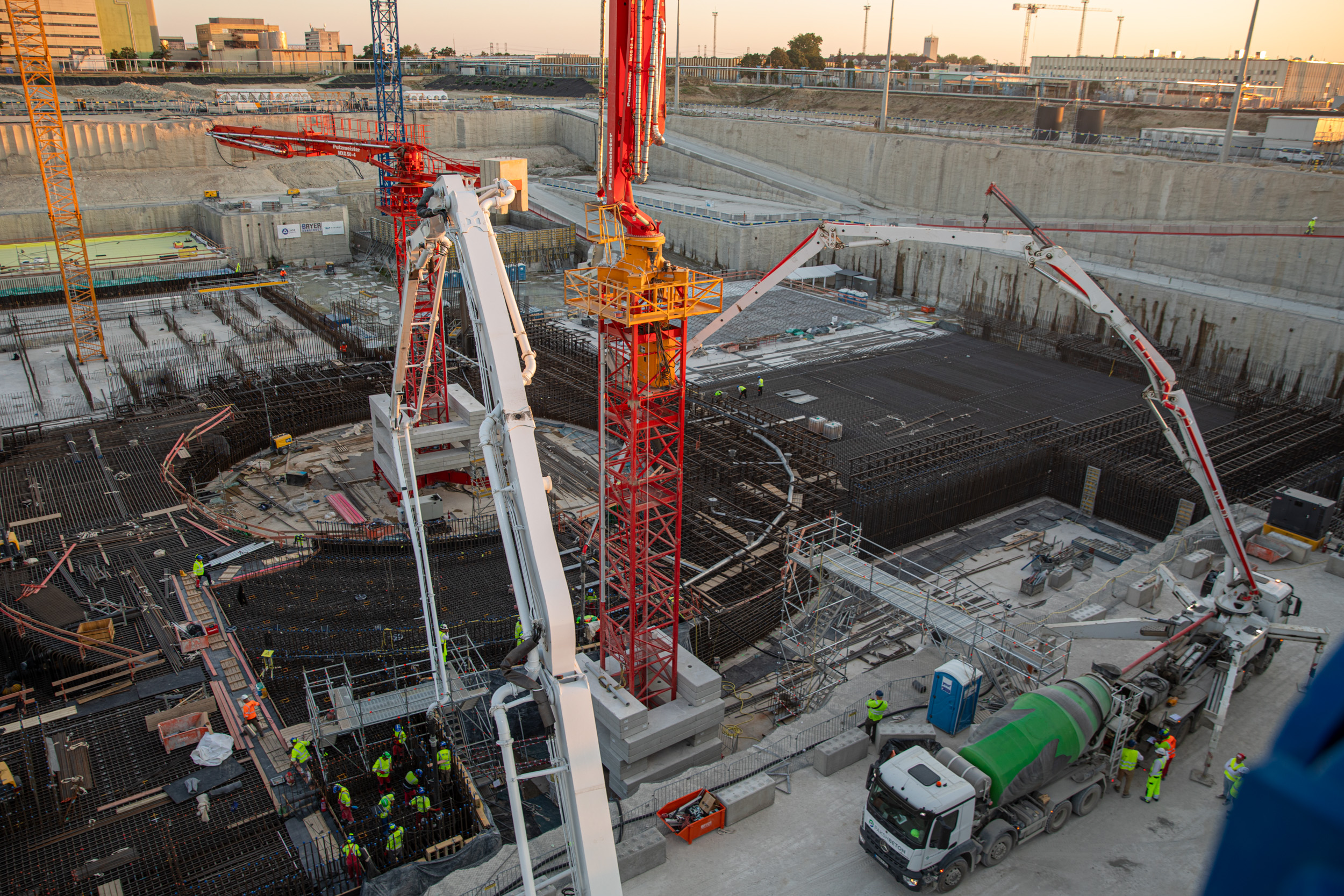
On July 31, construction of the reactor building foundation slab for Unit 5 began.
Turkey. On July 24, the Turkish parliament adopted a law providing tax incentives for investment in nuclear power plants. In particular, the measures include exemptions from stamp duty and VAT for certain equipment and construction works. The main incentives will remain in force until the end of 2045, with the possibility of a five-year extension.
The adoption of the law prompted debate over whether Akkuyu Nuclear, the Rosatom-owned project company, would be eligible for the incentives. Opposition representatives explicitly linked the new measures to the Akkuyu NPP and argued that the project could become one of the main beneficiaries.
The government, however, says the incentives are intended primarily for Turkey’s future nuclear projects and were not designed specifically for Akkuyu. In addition to Akkuyu, Ankara plans to build new NPPs in Sinop and Thrace. At the same time, the law does not list specific projects, so whether it applies to Akkuyu remains open to interpretation.
Kudankulam NPP, India. Bloomberg published a report on substantial cost increases and construction delays affecting four units of the Kudankulam NPP in India being built by Rosatom. According to the Indian government as of July 27, the combined cost of the four 1 GW units had risen to 1.38 trillion rupees ($14.4 billion), 55% above the 2024 estimate. The revised construction cost of Units 3–4 increased by 73%, while the cost of Units 5–6 rose by 40%.
The commissioning schedule has also been pushed back: the first of the units under construction is now expected in June 2027, while completion of all four is scheduled for March 2030 instead of the previously announced 2027.
Bloomberg links the increase in project costs in part to the consequences of Russia’s war against Ukraine and notes that the higher costs could raise electricity prices and complicate India’s plans for a major expansion of nuclear generation. A broader set of reasons for the delays and cost increases was cited by Indian authorities and experts interviewed by S&P Global Energy, including the COVID-19 pandemic, problems with equipment and material supplies, the consequences of the war and Western sanctions, logistical difficulties, and financial problems among contractors.
On July 29, the Royal United Services Institute (RUSI) published a commentary by Olexandr V Danylyuk and Darya Dolzikova, “Rosatom is a Military Supplier – Europe Must Treat It as Such,” on Rosatom’s role in Russia’s military-industrial complex and the corporation’s continued access to European markets. The authors examine the involvement of Rosatom enterprises in the production of nuclear and conventional weapons, supplies of Russian nuclear products to Europe, and TVEL’s cooperation with Framatome in Lingen. They call on the EU to move from sanctions targeting individual entities to restrictions on Rosatom as a whole, while retaining narrow, temporary exemptions to safeguard nuclear and energy security.
A monthly analytical review offering expert insight into key developments in nuclear policy, economics, safety, and technology related to the activities of Rosatom in Russia, Ukraine, and other countries
A monthly analytical review offering expert insight into key developments in nuclear policy, economics, safety, and technology related to the activities of Rosatom in Russia, Ukraine, and other countries
A monthly analytical review offering expert insight into key developments in nuclear policy, economics, safety, and technology related to the activities of Rosatom in Russia, Ukraine, and other countries
A monthly analytical review offering expert insight into key developments in nuclear policy, economics, safety, and technology related to the activities of Rosatom in Russia, Ukraine, and other countries