Bellona Nuclear Digest. May 2026
A monthly analytical review offering expert insight into key developments in nuclear policy, economics, safety, and technology related to the activities of Rosatom in Russia, Ukraine, and other countries
News
Publish date: 06/08/2026
News
After Russia’s full-scale invasion of Ukraine in February 2022, Bellona ceased its activities in the aggressor country. On 18 April 2023, Russia’s Prosecutor General’s Office declared Bellona an undesirable organization in the Russian Federation.
Nevertheless, we continue to systematically monitor and analyze developments related to Rosatom’s activities that we believe are of interest to an international audience. The aim of this review is to assess the scale of Russia’s international influence in the nuclear sector, as well as the associated political, economic, and environmental risks.
This digest covers events from June 2026.
You can follow the links to read the three most recent digests covering May, April and March 2026.
Subscribe to our mailing list to stay informed about future issues. Download a PDF of this digest here.
NUCLEAR EVENTS IN UKRAINE AND THE WAR
1. The Zaporizhzhia NPP and other nuclear facilities in Ukraine. Events of June 2026
1.1. Nuclear diplomacy events
1.2. Military threats at the ZNPP
1.3. External power supply to the ZNPP
1.4. Operational status of the ZNPP
1.5. Military threats at other nuclear facilities of Ukraine
2. UK to provide loan guarantees for enriched uranium supplies to Ukraine
3. Investigations into possible corruption at Energoatom continue
4. Bulgarian prime minister proposes completing the Belene NPP jointly with Ukraine
INTERNATIONAL NUCLEAR EVENTS AND THEIR CONNECTION WITH RUSSIA
5. Urenco announces second phase of expansion at US uranium enrichment facility
6. Modernization and operation of European VVER nuclear power plants
6.1. Kozloduy NPP: Russian supplies continue as European vendors modernize equipment
6.2. Modernization of the Armenian NPP sparks disagreements with Russia
6.3. Nuclear fuel loaded into Unit 4 of the Mochovce NPP
EVENTS IN THE RUSSIAN NUCLEAR SECTOR AND IN ROSATOM PROJECTS ABROAD
7. New Rosatom agreements in Asia and Africa
8. Rosatom research institutes involved in import substitution of materials and equipment for microelectronics
9. Rosatom’s projects abroad in brief
At the June 8–12 meeting of the IAEA Board of Governors, IAEA Director General Rafael Grossi presented report GOV/2026/32 on the situation in Ukraine regarding nuclear safety, security and safeguards, covering the period from February 21 to June 1, 2026.
The report summarizes the work of the IAEA’s permanent missions at five Ukrainian nuclear sites: the Zaporizhzhia, Khmelnytskyy, South Ukraine, Rivne NPPs, and the Chernobyl NPP site. It is based on information provided to and verified by the Agency during the reporting period.
It should be noted that, although the IAEA has not explicitly identified the ZNPP as a Ukrainian nuclear facility in its official updates on the situation in Ukraine since March 2026, the report continues to state that the Agency complies with the October 2022 UN General Assembly resolution declaring that Russia’s “attempted illegal annexation” of four regions of Ukraine has no validity under international law. The report identifies the ZNPP as a Ukrainian nuclear facility.
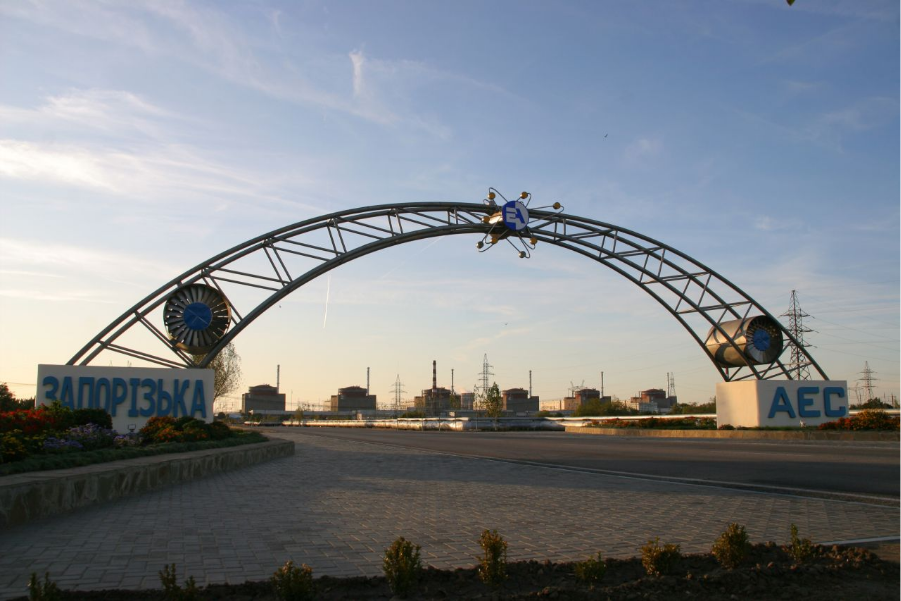
The report focuses primarily on the impact of the ongoing hostilities on the operation of Ukraine’s nuclear power plants and other nuclear facilities.
A separate section is devoted to the situation at the Russian-occupied Zaporizhzhia NPP, including issues related to the plant’s external power supply, compliance with the IAEA’s five concrete principles for ensuring nuclear safety and security at the site, and military activity in the vicinity of the ZNPP. As in previous reports, the IAEA notes that its ability to conduct an impartial and independent assessment remains constrained by the continued restrictions on access to areas of the site and to information.
Throughout the reporting period, the IAEA team at the site continued to be prevented from visiting the western part of the turbine halls on all levels of all units on the basis of an assessment by Russian security personnel. As a result, the team remained unable to independently confirm whether any issues or materials were present in these parts of the turbine halls, beyond those considered in the plant’s safety demonstration, that could potentially affect the nuclear safety or security of the plant.
The IAEA team also continued to observe the presence of armed personnel and military equipment at the plant, including armored personnel carriers. No heavy weapons were observed in the areas accessible to the team during its walkdowns; however, without timely and appropriate access to all relevant areas of the plant, the Agency cannot confirm their absence.
The report also examines the impact of Russian strikes against Ukraine’s energy infrastructure on the safe operation of the country’s other nuclear power plants. It provides information on damage to transmission lines, incidents involving the loss of off-site power, and the operation of backup power supply systems.
In June, as in the previous month, Russia continued to report intense military activity near the Zaporizhzhia NPP to the IAEA, including incidents affecting the nearby Zaporizhzhia Thermal Power Plant, the ZNPP transport workshop on June 13 and 18, electrical substations, vehicles used to transport plant personnel, and Enerhodar, where most ZNPP employees live and where the power supply remained unstable. Casualties among plant personnel were also reported. More detailed information is available in the information circulars submitted by Russia’s Permanent Mission in Vienna:INFCIRC/1384, INFCIRC/1385, INFCIRC/1387, INFCIRC/1389, INFCIRC/1390, INFCIRC/1392.
Throughout June, as in previous months, the 330 kV Ferosplavna-1 backup line remained the ZNPP’s only source of off-site power. The main 750 kV Dniprovska line had been damaged on March 24, and throughout this period the IAEA was engaged in discussions with Ukraine and Russia to agree on a localized ceasefire to enable its repair. Planning the repair work was complicated by the fact that the damaged section of the power line was located directly on the front line, high above the Dnipro River, and that a large area had to be cleared of mines before work could begin, including sections of the old riverbed that still contained water.
Finally, on June 5, a localized ceasefire was declared. However, later that same day, Rosatom reported that a Russian demining team had been attacked by a drone, injuring several military personnel.
Grossi said that, in response, Agency experts had begun monitoring the demining operations as well. In similar cases in the past, the Agency team had observed only the repair work itself.
Work to restore the damaged section of the Dniprovska line was carried out from June 19 to 22. IAEA teams observed the work from both sides of the Dnipro River. During this period, team members reported seeing unidentified drones and were forced to leave the work area on several occasions. The Russian side claimed that the ceasefire had been violated by the Ukrainian armed forces. Ukraine, in turn, stated that Russian forces themselves had used drones for demining and to monitor the progress of the work.
Nevertheless, the Dniprovska line could not be returned to operation in June because the damage was not limited to the section along the front line. Ukraine reported that on May 22, Russian military activity had caused a fire at the 750 kV Dniprovska substation, located more than 100 km northwest of the ZNPP. This substation is connected to the line that provides off-site power to the plant. The substation sustained significant damage and had not yet been restored by the end of June.
Against this backdrop, the ZNPP switched to its emergency diesel generators on four occasions during the reporting period following the loss of the Ferosplavna-1 line: on June 3; for 15 hours on June 5; from June 10 to 13; and on June 20.
In an information circular for IAEA member states dated June 4, Russia provided an update on the situation at the ZNPP. The document covers the period since February 14. As in similar circulars covering earlier periods, it describes the situation regarding the plant’s water supply, radiation monitoring, visits to plant facilities by IAEA personnel—the IAEA mission participated in 31 of the 77 regulatory oversight activities conducted by Rostechnadzor— and staffing at the plant. According to the circular, as of May 22, the plant had a total workforce of 4,376.
For comparison, similar circulars issued by Russia’s Permanent Mission in Vienna reported staffing levels of 4,414 in February 2026, 4,452 in November 2025, 4,817 in August 2025, 4,936 in June 2025, and 4,966 in February 2025. Some of the circulars specify that these figures refer to the number of employment contracts concluded.
The staffing situation was also addressed in the report presented by Grossi to the Board of Governors on June 8. According to the report, staffing levels have remained relatively stable over the past two years. Based on the information provided, the plant currently employs about 5,000 people, including 600 contractor personnel and between 90 and 100 employees from Russian nuclear power plants, primarily operating staff, including control room operators. Recruitment is also underway to fill an additional 120 positions.
Russian representatives at the plant consider the current staffing level sufficient to maintain the reactors safely in cold shutdown. At the same time, they estimate that operating the power units in power generation mode would require a total workforce of between 7,000 and 7,500 employees.
The report notes that the IAEA team at the ZNPP regularly discusses staffing levels, personnel training, and the plant’s technical status with staff. At the same time, the team observed that, in some cases, the presence of security personnel reduced employees’ willingness to speak openly.
Beginning May 12, the ZNPP switched from eight-hour to 12-hour shifts. Plant management told the IAEA team that the main reason for the change was to avoid personnel traveling at night because of increased drone activity in the vicinity of the plant.
In June, as in previous months, the IAEA teams at Ukraine’s operating nuclear power plants—the Khmelnytskyy, Rivne, and South Ukraine NPPs—as well as at the Chernobyl NPP site, reported drone overflights in the areas they monitor (Updates 353–356). At the Chernobyl NPP site, the team also reported fires in the exclusion zone at locations where drones had crashed.
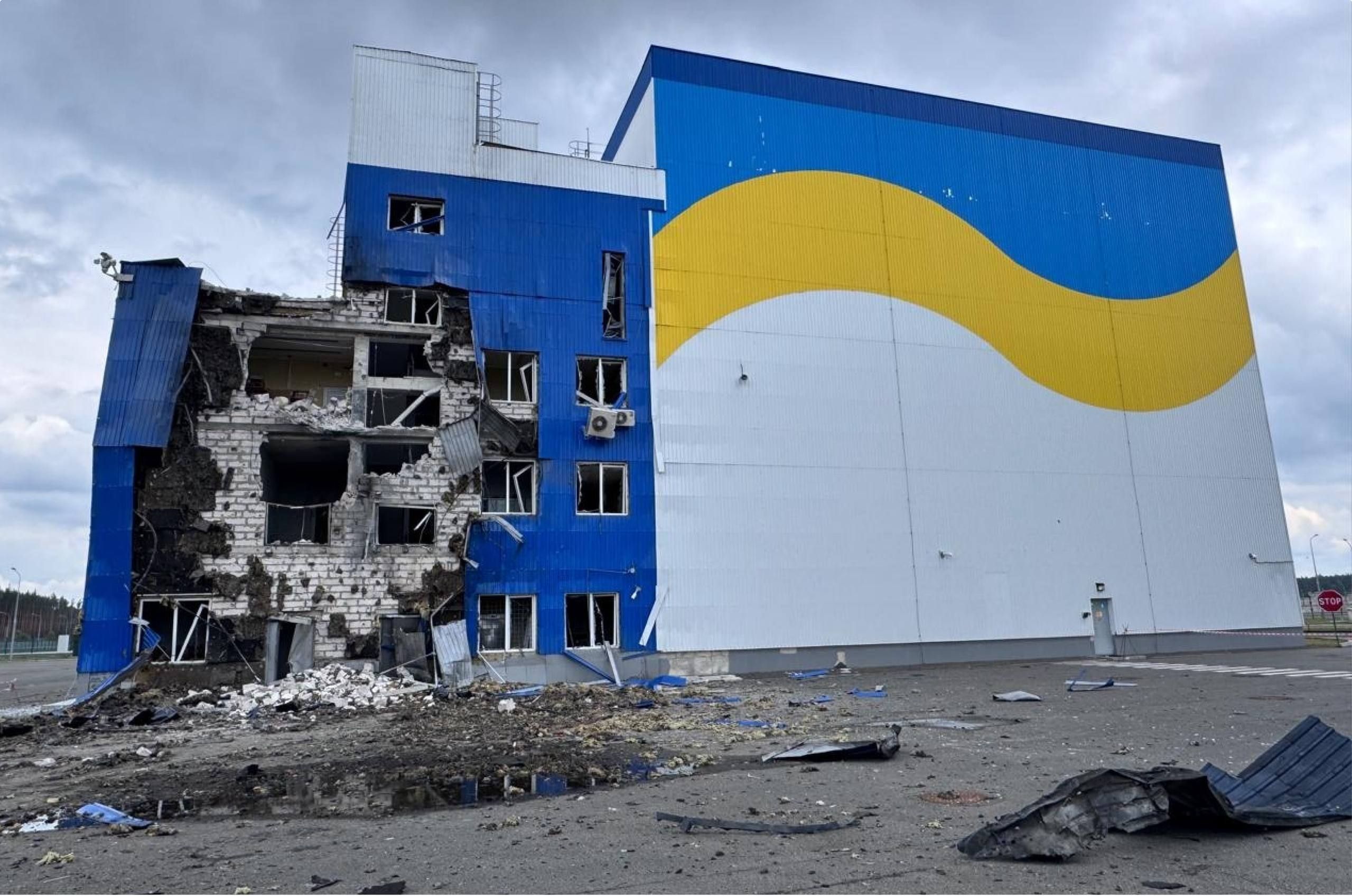
On June 7, a drone strike damaged the container reception building at the Centralized Spent Fuel Storage Facility (CSFSF), located in the Chernobyl exclusion zone. Although the building was not yet being used to store spent nuclear fuel, it is located only a few hundred meters from the site where spent fuel casks are stored. As a result of the strike, the southern part of the building sustained significant damage. On June 19, Energoatom announced that it planned to repair the damaged facilities using its own resources within six weeks.
The CSFSF had received its operating license on May 28, marking the completion of Ukraine’s own spent nuclear fuel management system, independent of Russia. Rumina Velshi, Chair of Energoatom’s Supervisory Board, said that Russia’s strike against a peaceful civilian nuclear facility constituted a violation of the UN Charter and the IAEA Statute.
«The debate over the Zaporizhzhia NPP—centered on the questions of “who is to blame” and “what should be done”—and involving at least three parties (Russia, Ukraine, and the IAEA), continues. It is safe to say that these discussions will not be resolved until the war ends or specific decisions on the future of the plant are agreed at the international level.
In March 2022, the Russian military occupied the ZNPP, the largest nuclear facility in Europe, transforming it from a civilian into a military site. Its territory became filled with military equipment and weapons, while a special regime was imposed on plant personnel governing work at the site, access to the plant, and residence in Enerhodar.
The fact that Russia regards the ZNPP as a military facility is also demonstrated by the regular military exercises conducted on its grounds and inside its buildings, including drills based on scenarios for defending the plant. This supports the conclusion that Russia does not intend to relinquish control of the ZNPP voluntarily and by peaceful means. The same is indicated by periodic statements from Russian officials in the media and at international forums, as well as by Moscow’s attempts to pressure the IAEA and persuade the agency to support its position, effectively turning it into an ally.
At the same time, Ukraine has shown no indication that it is prepared to relinquish the Zaporizhzhia NPP. As a result, the future of Europe’s largest nuclear power plant remains highly uncertain.
The primary task that must remain at the center of attention is ensuring the nuclear and radiation safety of the facility amid the ongoing war.
At the same time, it remains an open question whether the parties to the conflict have a “red line” they are unwilling to cross under any circumstances, regardless of how the situation around the ZNPP develops.
The future of the nuclear power plant will apparently be determined by the overall course of the war. Under any scenario, however, the most likely outcome is that the ZNPP will be damaged to such an extent that, regardless of who ultimately controls it, the plant will not be able to resume operation without extensive reconstruction.
The main danger to people and the environment lies in the radiological consequences of damage to ZNPP facilities and impacts on radioactive materials, potentially resulting in the release of radioactive substances beyond the safety barriers.
It is also worth examining the IAEA’s role, objectives, and actions, as well as the limits of what it can achieve. The ultimate conclusions and decisions regarding the future of this international organization may depend on a thorough understanding of what the IAEA could have done and what it actually did.
At present, most experts who monitor and analyze the work of the IAEA mission at the ZNPP—apart from politicians and the heads of the nuclear authorities of the states at war—are reaching a similar conclusion: in the event of further escalation, the Agency, like the UN as a whole, will be unable to prevent the parties to the conflict from crossing the “red lines” beyond which a large-scale nuclear and radiological crisis could follow. This may happen for various reasons, including those cited in the Agency’s own official statements.
Drone attacks on Enerhodar continue. Their apparent objective is to create an atmosphere of psychological pressure among the residents who remain in the city, above all those who continue to work at the nuclear power plant.
Nuclear specialists understand that, with the plant’s power units in their current shutdown state, nuclear safety hazards are virtually ruled out, even in the event of a prolonged loss of external power. According to specialists, the experience of the past four years supports this assessment.
The maintenance currently being carried out by the remaining ZNPP personnel is often described less as genuine technical maintenance than as a form of “Rosatom-style occupational therapy.” Its purpose is to keep employees occupied, distract them from the ongoing situation, and, when necessary, demonstrate to senior management that work is continuing and that the plant is supposedly being prepared for a future restart.
Ukrainian observers note that an increasing share of the personnel currently at the ZNPP consists of employees seconded from Russian nuclear power plants who have decided to “earn some extra money” at the facility by taking advantage of the generous per diem payments and other benefits provided for work in frontline areas.
Ukraine’s other civilian nuclear facilities, like the ZNPP, are also operating under wartime conditions and are periodically subjected to shelling and other effects associated with hostilities. At times, it appears that the Russian military is indifferent to which facilities it strikes or for what purpose it deploys drones. It is therefore difficult to find a rational explanation for the strike on the CSFSF building in the Chernobyl exclusion zone, where empty containers for spent nuclear fuel are stored.
At international forums, including at the IAEA, as well as in the media, the Russian side claimed that the incident was a Ukrainian provocation. Although the strike and the partial damage to the CSFSF building did not create an actual radiological hazard, the fact that the site and structures located only a few meters from stored nuclear materials came under fire was a matter of serious concern for the international community, including the IAEA.
Nevertheless, one question remains unanswered: was the strike deliberate—that is, planned and prepared in advance by the relevant authorities—or was it the result of accidental actions by individual military personnel? Regardless of the answer, this episode demonstrates how unpredictable events in this war are, including those affecting civilian nuclear facilities, and consequently how high the associated risks remain.
If a stray shot or strike were to hit an inadequately protected spent nuclear fuel storage facility tomorrow, the consequences could be very real and extremely severe for both people and the environment.
Such cases, including the strike on the CSFSF and other incidents, bring us back to a problem that received insufficient attention before this war began: how to ensure the safety of civilian nuclear facilities and prevent nuclear consequences during wartime, even when nuclear weapons are not used. The events surrounding Ukraine’s nuclear facilities are creating a unique body of experience that requires comprehensive study and analysis. It is already clear that the operation of civilian nuclear infrastructure during armed conflicts must be examined in greater depth, and that effective measures must be developed to prevent nuclear and radiological threats.»

Aleksander Nikitin
Special Nuclear Advisor
On June 15, the UK government announced that its export credit agency, UK Export Finance, would provide £210 million in loan guarantees for Energoatom. The guarantees are intended to secure stable supplies of enriched uranium from Urenco to Ukraine’s nuclear power plants over the next two years.
The supplies are being delivered under an agreement signed by Urenco and Energoatom in November 2023. The agreement remains in force until 2035, with an option to extend it through 2043. Natural uranium is supplied by the Canadian company Cameco.
This is not the first time the UK has provided such support. In August 2023, it announced £192 million in loan guarantees for enriched uranium supplies. In 2024, backed by these guarantees, Energoatom obtained £181 million in loans from Deutsche Bank AG and Barclays Bank PLC. According to Energoatom, the company met all its financial obligations to Urenco in full and on time in 2024–2025.
«The UK’s financial guarantees are helping Ukraine supply its nuclear industry and power sector with enriched uranium produced at Western enrichment facilities using Western-origin feedstock. Combined with fuel fabrication at Westinghouse plants, this has for several years ensured the independence of Ukraine’s nuclear power plants from supplies of Russian nuclear fuel and raw materials.
Against this backdrop, it seems strange that the UK itself still permits the use of Russian nuclear materials at nuclear power plants on its own territory, as we discussed in detail in the previous digest.»

Dmitry Gorchakov
Nuclear advisor
Energoatom reported that on June 25, law enforcement agencies carried out investigative actions at the Khmelnytskyy NPP site in connection with specific procurement procedures carried out in previous years. The pre-trial investigation concerns the possible embezzlement and misappropriation of UAH 12 million.
In November 2025, the National Anti-Corruption Bureau of Ukraine (NABU) uncovered a large-scale corruption scheme at Energoatom. Amid the scandal, the Ukrainian Cabinet of Ministers dissolved Energoatom’s Supervisory Board later that month. On December 26, 2025, the High Anti-Corruption Court extended the pre-trial investigation into the Energoatom corruption case until August 10, 2026.
A new Supervisory Board was appointed in January 2026. On May 8, the Board received information from NABU indicating possible criminal conduct by Energoatom employees and ordered an internal investigation.
On July 3, Bulgarian Prime Minister Rumen Radev said that during a meeting with Ukrainian President Volodymyr Zelenskyy in June, the two had discussed the ongoing negotiations between Bulgaria and Ukraine over the sale of equipment from the suspended Belene NPP project to complete units at units at the Khmelnytskyy NPP. According to Radev, Zelenskyy again proposed purchasing the reactors. Radev, however, responded by proposing that Bulgaria and Ukraine jointly complete the Belene NPP with support from European funds and supply electricity to Ukraine via Romania.
Negotiations on the sale of equipment from the Belene NPP project to Ukraine began in July 2023. In March 2025, the Ukrainian government authorized Energoatom to conclude an equipment purchase agreement with the Bulgarian state-owned energy company NEK EAD. However, this decision was followed in April by statements from some Bulgarian government representatives that negotiations on the sale of the reactors had been suspended.
The InfoAtom.news article presents the assessment of Bogomil Manchev, head of the Bulgarian Atomic Forum Bulatom, of the proposal to resume construction of the Belene NPP jointly with Ukraine, the project’s prospects, and the possibility of using the equipment intended for Belene at the Khmelnytskyy NPP.
On June 2, Urenco USA announced an expansion of enrichment capacity at its facility in Eunice, New Mexico. The company plans to increase the facility’s annual capacity by 2.1 million separative work units (SWU) by 2036 through the installation of up to 24 new centrifuge cascades. The first cascades are expected to begin enriching uranium in 2032. Construction of a new enrichment plant at the facility is scheduled to begin in 2029.
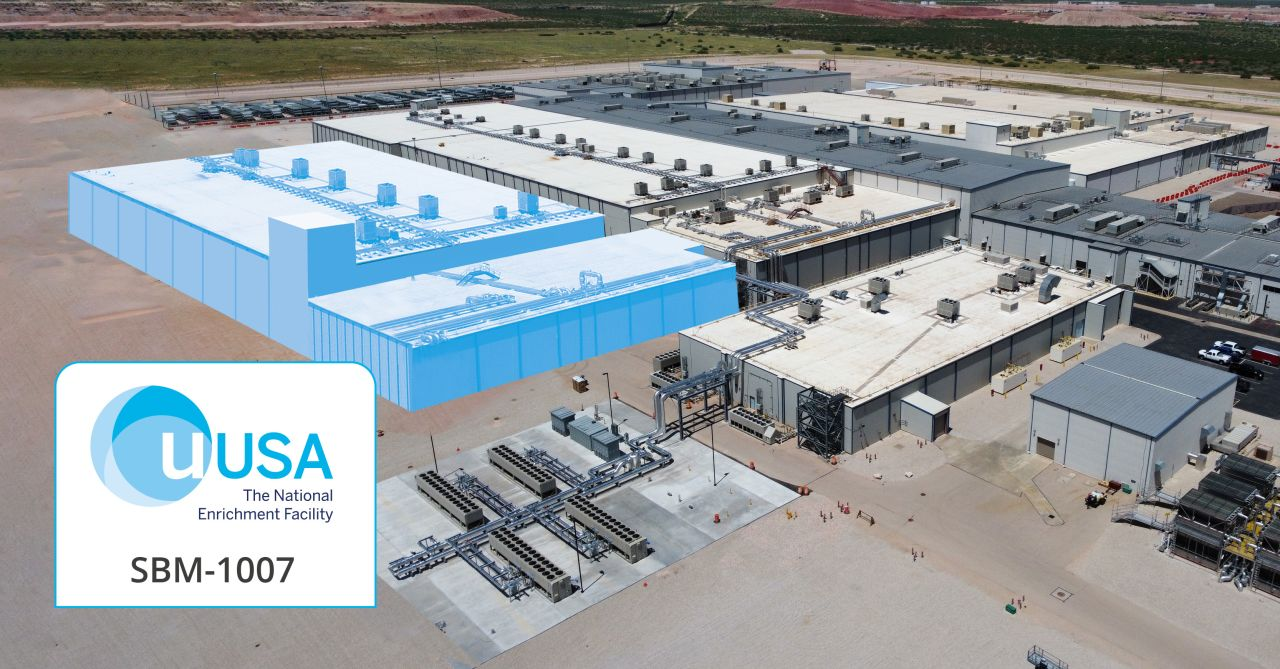
Urenco’s current annual enrichment capacity in the United States is 4.3 million SWU, covering approximately one-third of current US demand. In July 2023, Urenco announced its first US production expansion program, which is expected to increase the facility’s annual capacity by 700,000 SWU by 2027.
The expansion began in October 2024. The first face of new cascades entered operation in May 2025, followed by the second in September, the third in December 2025, and the fourth in April 2026, marking the completion of half of the program. On June 29, the company announced that the fifth cascade had entered operation.
With the new expansion program and the refurbishment of existing capacity, installed capacity at the facility is expected to grow to more than 7 million SWU.
The announced US expansion is part of Urenco Global’s program to add a total of 4.6 million SWU per year of new uranium enrichment capacity over the next decade across the company’s facilities in the United States, the Netherlands, and Germany.
The enrichment plant in Eunice is currently the only commercial producer of low-enriched uranium in the United States. At the same time, as part of its program to strengthen domestic nuclear fuel supply chains, the US government is funding projects to produce low-enriched uranium (LEU) and high-assay low-enriched uranium (HALEU) by several other companies: Centrus Energy, Orano Federal Services, Global Laser Enrichment, and General Matter.
«Urenco is accelerating both the pace and scale of its plans to expand uranium enrichment capacity in the United States. In recent years, the company has been the largest supplier of enriched uranium to US customers, meeting around 70% of their total demand. Of this, approximately 30% has been supplied from its US plant and up to 40% from its European plants.
In recent years, supplies from Urenco’s plants in the United Kingdom, Germany, and the Netherlands have accounted for as much as 60% of US enriched uranium imports—57% in 2025—more than twice the share supplied from Russia, which stood at 24% in 2025.
The US administration’s efforts to expand domestic uranium enrichment capacity and reduce dependence on Russia may eventually lead to the emergence of major US producers. In the next few years, however, any elimination of Russian supplies will most likely be achieved primarily through Urenco’s efforts.»
Dmitry Gorchakov
Nuclear advisor
On June 10, the Bulgarian Council of Ministers granted the Kozloduy NPP another authorization permitting derogations from the requirements of Council Regulation (EU) No 833/2014 concerning sanctions against Russia. The authorizations allow the plant to work with Russian contractors and import iron and steel products from Russia needed to fulfill previously concluded contracts until those contracts expire. Information on these contracts has not been published on the government website.
The need to continue working with Russian suppliers stems from the fact that a significant share of the plant’s systems and equipment is of Russian origin. As a result, some contracts for the supply of goods required for the reliable and safe operation of Units 5 and 6 of the Kozloduy NPP have been or will have to be concluded with Russian contractors because of the technical characteristics of the equipment.
The Bulgarian government grants such authorizations to the Kozloduy NPP on a regular basis. This year, for example, similar authorizations were also issued on February 4 and March 25.
Earlier this year, Unit 6 of the Kozloduy NPP was taken offline several times to replace failed rupture disks manufactured by a Bulgarian company as substitutes for the original Russian components.
At a hearing in Bulgaria’s National Assembly, Kozloduy NPP Executive Director Ivan Andreev explained that the shift to Bulgarian rupture disks followed the termination in August 2025 of a contract for the supply of Russian rupture disk assemblies signed in October 2024. The stated reason was that, after the Council of Ministers authorized the procurement in May 2025, the Russian supplier requested changes to the contract terms, citing changes in market conditions since the contract had been signed.
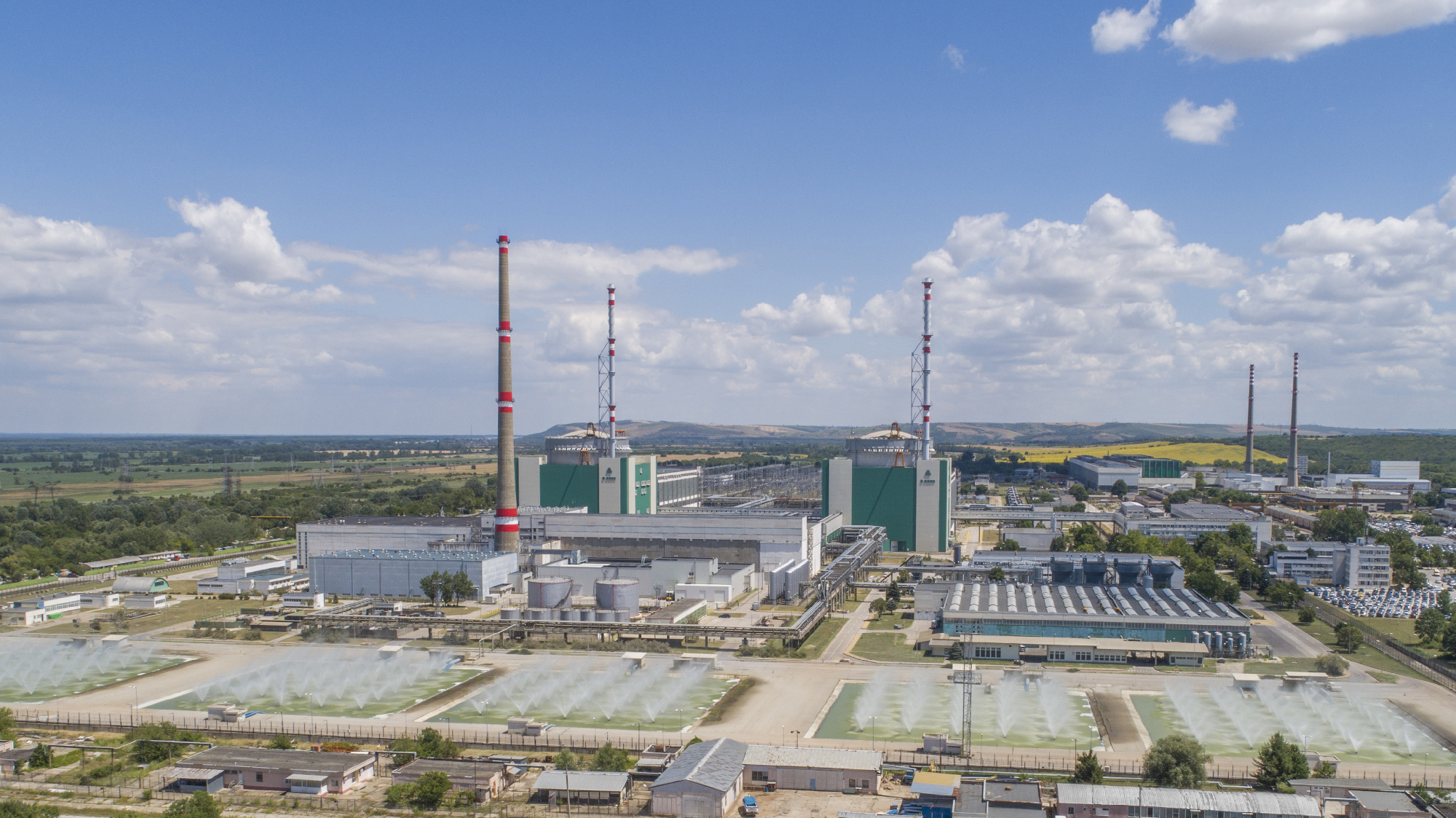
Meanwhile, on June 22, the Ukrainian group of companies Energy Safety Group announced that the Reactor Rod Control System (RRCS) at Units 5 and 6 of the Kozloduy NPP had entered pilot operation. In the RRCS modernization project, the group is partnering with the Czech company ZAT, which signed a contract with the Kozloduy NPP in March 2023 to implement the project.
ZAT noted that the Bulgarian plant was the last site with VVER reactors in the EU where its RRCS had not yet been deployed. The company emphasized that replacing the RRCS equipment creates the technical conditions for a subsequent transition to non-Russian reactor rod control drives.
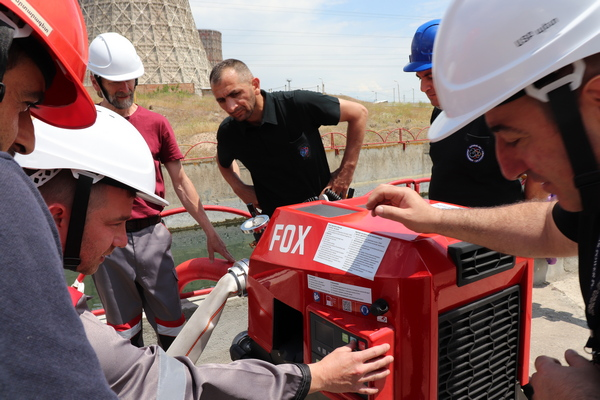
On June 16, the Armenian NPP press service reported that, as part of an EU-funded project to support nuclear safety in Armenia and implement measures identified following the stress tests, independent equipment for alternative water supply under emergency conditions had been delivered to the plant.
The project, implemented by the Slovak company VÚEZ, included the supply of equipment providing alternative water injection to the primary circuit, steam generators, spent fuel cooling pools,the service water system spray pond, and demineralized water storage tanks.
For many years, the EU has provided financial support to Armenia for the implementation of the measures set out in the national action plan developed following the safety stress tests conducted at the Armenian NPP after the Fukushima Daiichi accident. In 2024, for example, the EU allocated €12.9 million to Armenia, while Dalgakiran Compressor Ukraine LLC, together with ES GROUP EUROPE, supplied mobile diesel generators to the Armenian NPP.
At the same time, the Armenian NPP continues to implement the program to extend the operating lifetime of Unit 2 until 2036. Rosatom is carrying out modernization and preparatory work under an agreement worth approximately $65 million, signed in December 2023.
In April 2026, Russian Deputy Prime Minister Alexey Overchuk stated that Rosatom was responsible for approximately one-third of the work required for the unit’s lifetime extension. According to him, Armenia has assigned the remaining work to Western contractors, who do not coordinate their activities with the plant’s general designer. He also said that Rosatom’s guarantee of the plant’s safe operation through 2036 is conditional on the state corporation carrying out at least 70% of the work covered by the agreement.
On June 3, Russian Security Council Secretary Sergei Shoigu said that the Armenian authorities were carrying out work at the nuclear power plant with Western contractors without coordinating it with the Russian side and were negotiating supplies of an alternative to Russian nuclear fuel. “This could not only result in the loss of the guarantee, but could also lead to a disaster,” he said.
On June 29, Slovenské elektrárne began loading nuclear fuel into the VVER-440 reactor of Unit 4 at the Mochovce NPP. By July 4, all 349 fuel assemblies had been loaded.
Construction of Units 3 and 4 of the Mochovce NPP under a Soviet design began in 1987. However, following the collapse of the Soviet Union and due to a lack of funding, work was suspended in 1991. Construction resumed in 2008. After 2010, equipment for the project was supplied by Western vendors, including Rolls-Royce, Siemens, Framatome, Doosan, and others. Unit 3 entered commercial operation in October 2023.
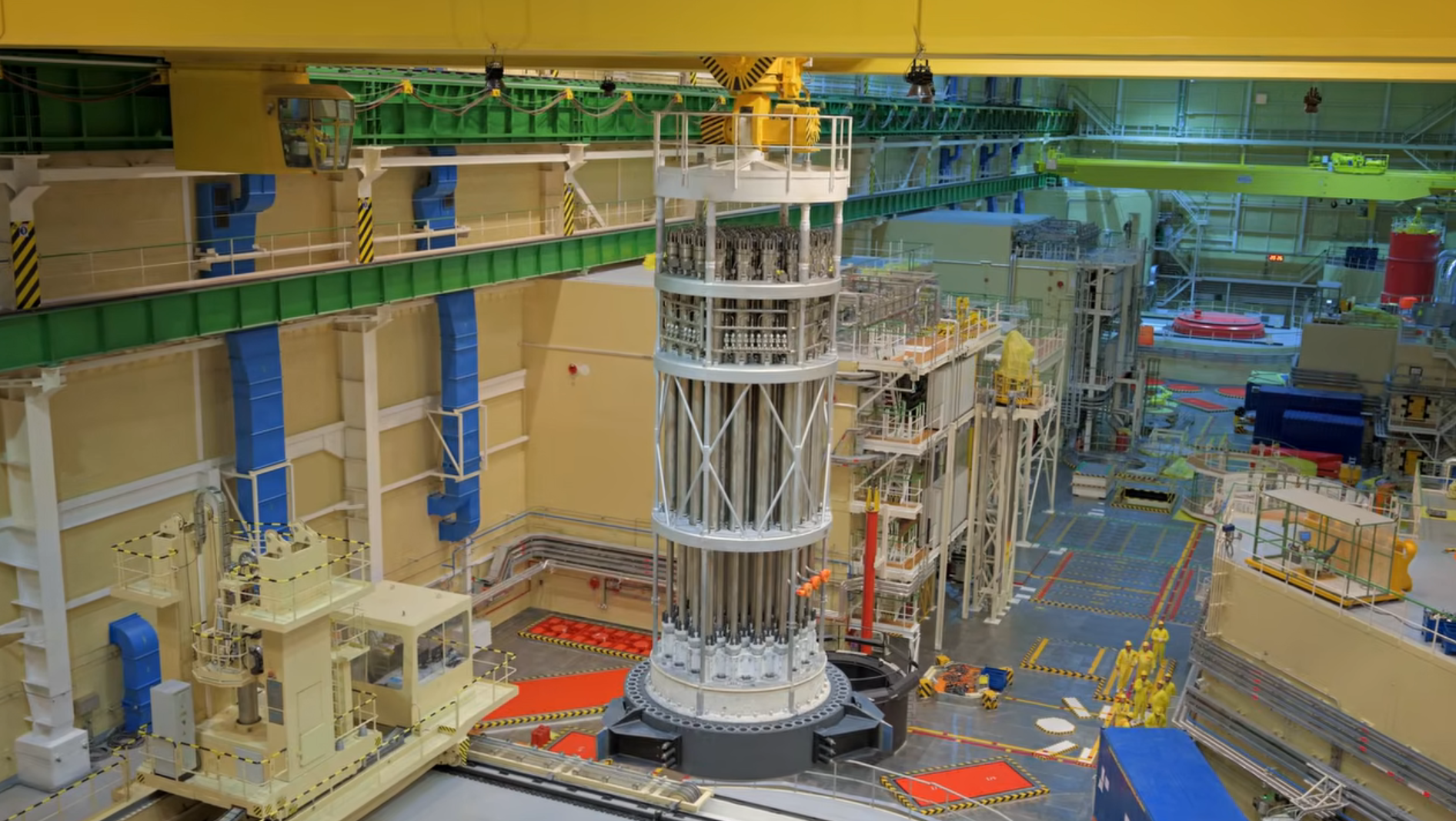
Further details on preparations for the operation of Unit 4 at the Mochovce NPP, the reasons for the exceptionally long construction period, and the final cost of the two units are available in an interview with Branislav Strýček, CEO of Slovenské elektrárne.
Unit 4 of the Mochovce NPP, like the plant’s other nuclear power units and those at the Bohunice NPP, will for the time being operate on Russian fuel. Slovenské elektrárne, like the other operators of VVER reactors in Europe, has agreements with Western fuel suppliers Westinghouse and Framatome.
Westinghouse is currently in the process of licensing its VVER-440 fuel for Units 1 and 2 of the Mochovce NPP. Under the contract signed in 2024, deliveries of Framatome fuel were scheduled to begin in 2027. Framatome plans to begin supplying the first lead fuel assemblies of its own sovereign design in 2028.
«Three developments in Bulgaria, Slovakia, and Armenia show that the process of severing cooperation with Russia in the VVER reactor segment, which has historically and technologically been closely linked to it, is proceeding very unevenly and not without difficulties.
In Bulgaria, the Kozloduy NPP is still forced to seek regular exemptions from restrictions and sanctions because some of the equipment and materials required by the plant cannot yet be produced to the necessary standard by alternative suppliers.
In Slovakia, although the latest units at the Mochovce NPP with VVER-440 reactors were completed with relatively limited involvement from Russian entities, the transition to Western fuel is proceeding less actively than, for example, in Finland or the Czech Republic.
All of this allows Rosatom and Russia to view the prospects for their share of the EU market for nuclear services and supplies with relative confidence. Without political decisions and formal sanctions at the EU level, that share will gradually decline, but not quickly.
The situation in Armenia stands somewhat apart. There, any attempt to involve Western contractors instead of Russian ones—or even to discuss such a possibility—provokes a rather nervous reaction from Moscow and Rosatom. This shows that, for Russia, such changes are not merely a technical or economic issue, but one of losing political influence in a region it considers important.»
Dmitry Gorchakov
Nuclear advisor
Laos. On June 15, Russia and Laos signed a framework intergovernmental agreement in Moscow on cooperation in the peaceful uses of nuclear energy. The agreement establishes the legal framework for bilateral cooperation in the nuclear sector and, according to Rosatom, will make it possible to begin assessing the potential for a Russian-designed nuclear power plant project in Laos. As an initial step, the parties plan to prepare a preliminary feasibility study to determine the optimal configuration of a nuclear power plant for Laos’s power system and identify potential sites for its construction.
According to Rosatom Director General Alexey Likhachev, Laos is most likely to be offered a land-based small modular nuclear power plant.
It should be noted that Laos and Rosatom agreed to develop cooperation in the nuclear sector as early as 2016, when they signed a memorandum of cooperation.
Egypt. On June 17, Rosatom Construction Technologies and the Egyptian Healthcare Authority signed a cooperation agreement, confirming their intention to work jointly on a project to establish a nuclear medicine center in Egypt.
Uzbekistan. On June 26, Rosatom Technical Academy, a training center for the nuclear industry, and the Atomic Energy Agency under the Cabinet of Ministers of the Republic of Uzbekistan signed a cooperation agreement in the field of nuclear medicine and related areas.
The document sets out the main areas of cooperation between the two organizations, including the development of nuclear medicine infrastructure in Uzbekistan, the training and professional development of relevant specialists, and the systematic exchange of scientific and technical information.
Rwanda. On June 30, Russia and Rwanda held the first meeting of their Joint Coordinating Committee on cooperation in the peaceful uses of nuclear energy, during which they signed a roadmap for the development of a small modular reactor project.
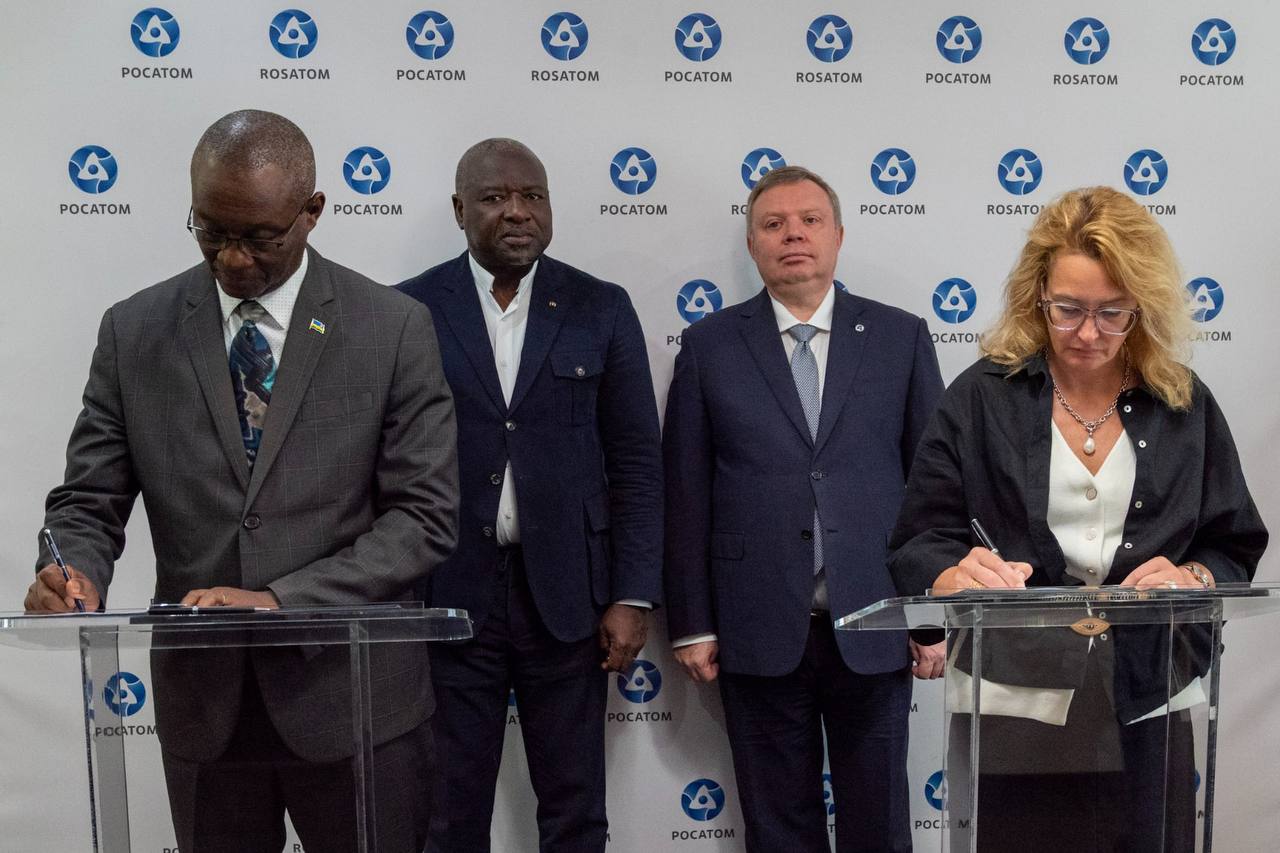
Vietnam. On June 30, Rosatom’s Fuel Division and Vietnam’s national oil and gas corporation, Petrovietnam, signed a memorandum of cooperation on establishing an additive technologies center in Vietnam. The center will be used to produce complex components for drilling and pumping equipment.
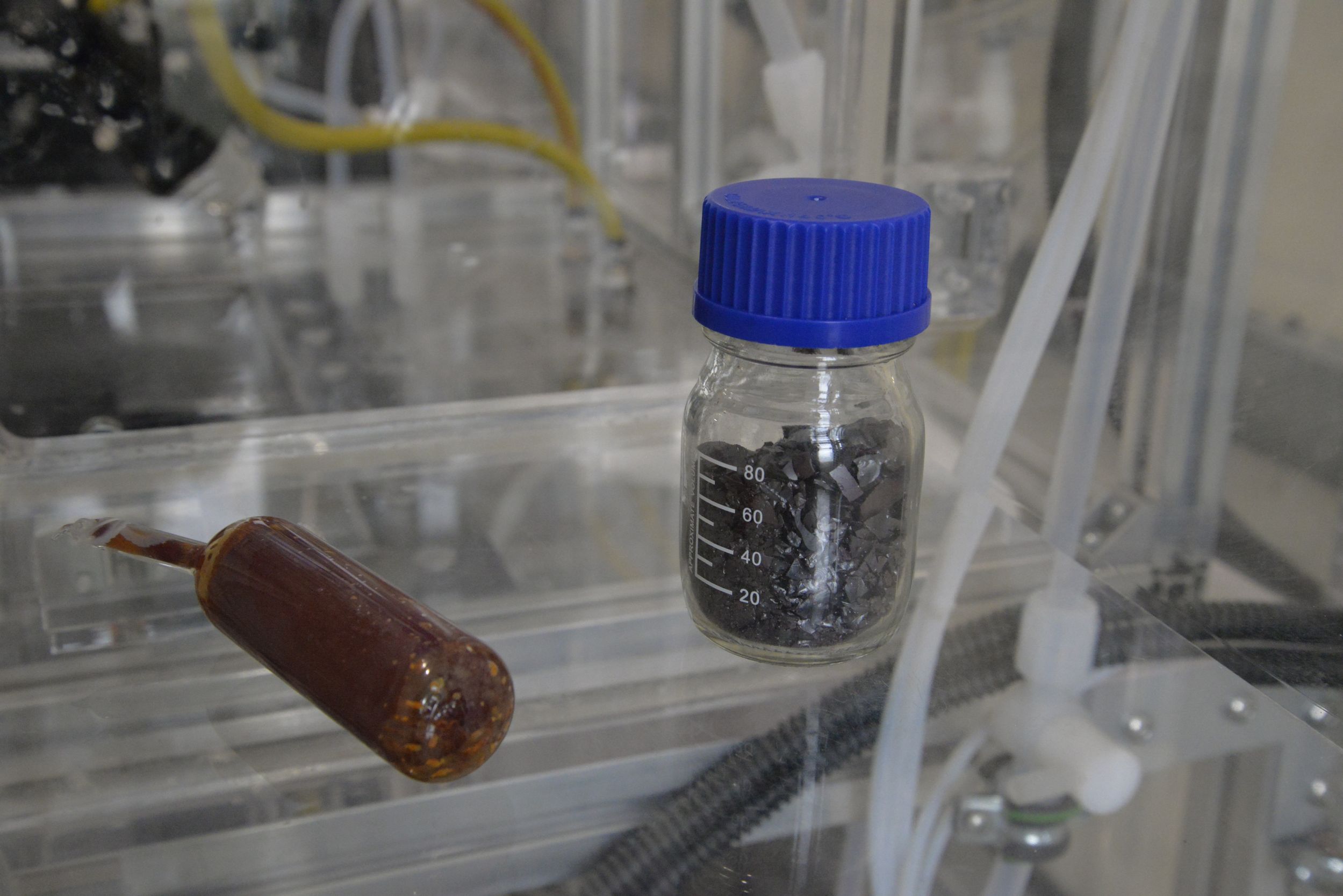
On June 16, Rosatom reported that enterprises of its Science Division—NII NPO Luch JSC and Giredmet JSC—had completed a government contract for the import substitution of red phosphorus used in microelectronics. They developed their own technology for producing high-purity red phosphorus and phosphorus oxychloride, which are required for the manufacture of semiconductor devices and integrated circuits by microelectronics companies.
The project took two and a half years to complete. Giredmet specialists prepared the full set of process documentation, while a production area with a process line was established at the Luch site in Podolsk. The line was commissioned in 2025.
According to the Russian IT publication CNews, another Rosatom research institute, NIIgrafit JSC, signed a contract with the Ministry of Industry and Trade on June 19 to develop, by the end of 2028, a ceramic tape casting system. The system is intended for the production of ceramic substrates and multilayer ceramic substrates used in microelectronic component packaging. The equipment under development is intended to serve as a functional analogue of Slovenia’s KEKO CAM-C35 system from the CAM-C series.
According to CNews, on July 3, NII NPO Luch JSC was awarded a contract to develop an ion implantation metrology system for semiconductor wafers up to 200 mm in diameter. The system is intended to replace US-made KLA-Tencor equipment, specifically the ThermaProbe TP500 and TP630 models. The work is to be completed by October 2029.
In addition, CNews reported that on July 6, another Rosatom research institute, RFNC-VNIIEF, signed a contract to develop wafer bonding and debonding systems. They are intended to replace equipment produced by Austria’s EV Group—the EVG®510 and EVG®850 DB—and Germany’s SUSS MicroTec—the XBS300 and XBC300 Gen2.
Akkuyu NPP, Turkey. On June 3, a set of four steam generators for Unit 4 was delivered to the construction site.
On June 9, 163 dummy fuel assemblies were loaded into the reactor core of Unit 1. These assemblies fully replicate the design, weight, and dimensions of nuclear fuel but do not contain nuclear material. The loading marks the final stage of preparations for cold and hot functional testing of the equipment.
On June 22, a Rosatom delegation led by Director General Alexey Likhachev visited the construction site. The same day, cold hydrostatic testing of the Unit 1 reactor plant began to verify the leak-tightness and strength of its components. This stage includes flushing of the primary and secondary circuits, establishment of the water chemistry regime, and verification of the reactor plant’s and primary circuit equipment’s thermal-hydraulic, strength, vibration, and dynamic characteristics.
Likhachev stated that the first criticality of the Unit 1 reactor is scheduled for this autumn.
On June 29, the inner containment dome was placed in its design position at Unit 2 of the Akkuyu NPP. This operation completed the formation of the unit’s inner containment.

Kudankulam NPP, India. On June 8, Rosatom reported that the Machine-Building Plant in Elektrostal had manufactured nuclear fuel for the initial core loading of Unit 4 at the Kudankulam NPP.
On June 15, the reactor pressure vessel of Unit 5 was placed in its design position at the Kudankulam NPP construction site.
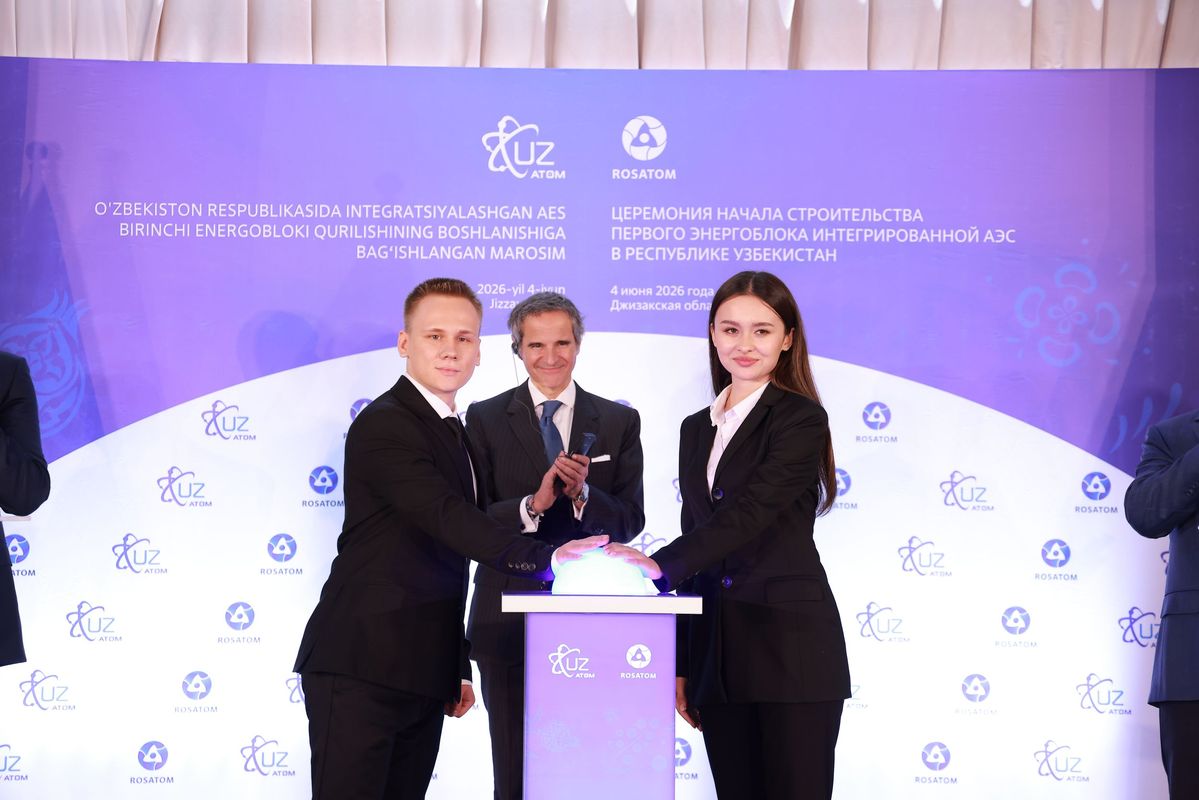
Uzbekistan. On June 4, the first concrete was poured for the foundation slab of the first unit equipped with a RITM-200N reactor plant at the integrated nuclear power plant. Uzbek President Shavkat Mirziyoyev and President of Russia took part in the ceremony by video link. IAEA Director General Rafael Grossi delivered a welcome address to participants at the site.
According to Azim Akhmedkhadjayev, Director of the Atomic Energy Agency under the Cabinet of Ministers, Uzatom, construction of the plant will cost $9.5 billion. Uzbekistan intends to finance 85–90% of the total project cost through loans.
Xudapu NPP, China. On June 2, hot functional testing was completed at Unit 3, providing a comprehensive check of the unit’s systems under conditions as close as possible to normal operation. The next stage is nuclear fuel loading.
A monthly analytical review offering expert insight into key developments in nuclear policy, economics, safety, and technology related to the activities of Rosatom in Russia, Ukraine, and other countries
A monthly analytical review offering expert insight into key developments in nuclear policy, economics, safety, and technology related to the activities of Rosatom in Russia, Ukraine, and other countries
A monthly analytical review offering expert insight into key developments in nuclear policy, economics, safety, and technology related to the activities of Rosatom in Russia, Ukraine, and other countries
A monthly analytical review offering expert insight into key developments in nuclear policy, economics, safety, and technology related to the activities of Rosatom in Russia, Ukraine, and other countries