Monthly Highlights from the Russian Arctic, May 2026
In this news digest, we monitor events that impact the environment in the Russian Arctic
News
Publish date: 07/08/2026
News
Our focus lies in identifying the factors that contribute to pollution and climate change.
Ensuring complete and reliable access to environmental information in Russia has never been fully guaranteed. Following the Russian invasion of Ukraine on February 24, 2022, it became even more difficult. Some information ceased to be published altogether, such as daily oil production data and annual reports from certain industrial companies. Independent environmental organizations have been banned or closed.
The Arctic region plays a crucial role in comprehending the process of global climate change. Russia owns approximately one-third of its territory, including the exclusive economic zone of the Arctic Ocean. To understand and examine trends, we monitor new legislation, the plans of industry, the Northern Sea Route, international economic sanctions, accidents, and emergencies in the Russian Arctic, as well as provide commentary on the news. Subscribe to our mailing list to make sure you don’t miss the next digest.
Our previous monthly highlights for May can be found here.
NORTHERN SEA ROUTE AND SHIPPING
1. Overview of shipping on the Northern Sea Route in June
– Yamal LNG
– Arctic LNG 2
– Arctic oil projects
– Norilsk Nickel
2. Seven nuclear-powered icebreakers operated on the Northern Sea Route in June; by the end of the month, three had departed for Murmansk
3. Cargo throughput at Arctic seaports increased by 15% in the first half of 2026 compared with the same period in 2025
4. Second Arc7 LNG carrier built at Zvezda, Konstantin Posyet, enters service after a lengthy delay
5. Commissioning of the nuclear-powered icebreaker Chukotka postponed until 2027
6. Shipping companies announce plans for the 2026 summer–autumn navigation season on the Northern Sea Route
6.1. Two transport companies have announced plans to launch their own cargo services between Arkhangelsk and Pevek via the Northern Sea Route
6.2. Sea Legend announces regular container service from China to Europe via the Arctic
6.3. EcoShipping schedules eight voyages between China and Pevek, but vessels are not operating to schedule
6.4. NewNew Shipping announces expansion of Northern Sea Route services and plans to invest in Arkhangelsk deepwater port
THE INTERNATIONAL SITUATION IN THE ARCTIC AND SANCTIONS ON RUSSIA’S ACTIVITIES IN THE ARCTIC REGION
7. UK imposes sanctions on four LNG carriers linked to Arctic LNG 2 project
8. Putin signs order allowing TotalEnergies’ stake in Arctic LNG 2 to be sold to a NOVATEK entity
9. China completes second terminal to receive LNG from Arctic LNG 2, with launch expected before October
10. South Korea’s Hanwha Ocean incurs costs over Arc7 LNG carriers built for Arctic LNG 2
11. In June, NATO held its largest air exercise and began testing uncrewed systems in the Arctic
HEIGHTENED INDUSTRIAL ACTIVITY IN THE RUSSIAN ARCTIC
12. First phase of Bukhta Sever oil terminal under Vostok Oil project scheduled for commissioning in September 2026
ENVIRONMENTAL AND CLIMATE ISSUES IN THE ARCTIC
13. Arctic Ocean ecosystem passed a point of no return in 2009, scientists warn
14. Increase in hazardous low-visibility events recorded on the Northern Sea Route
15. Bowhead whale migration routes in the eastern Arctic are changing due to shipping and declining sea ice
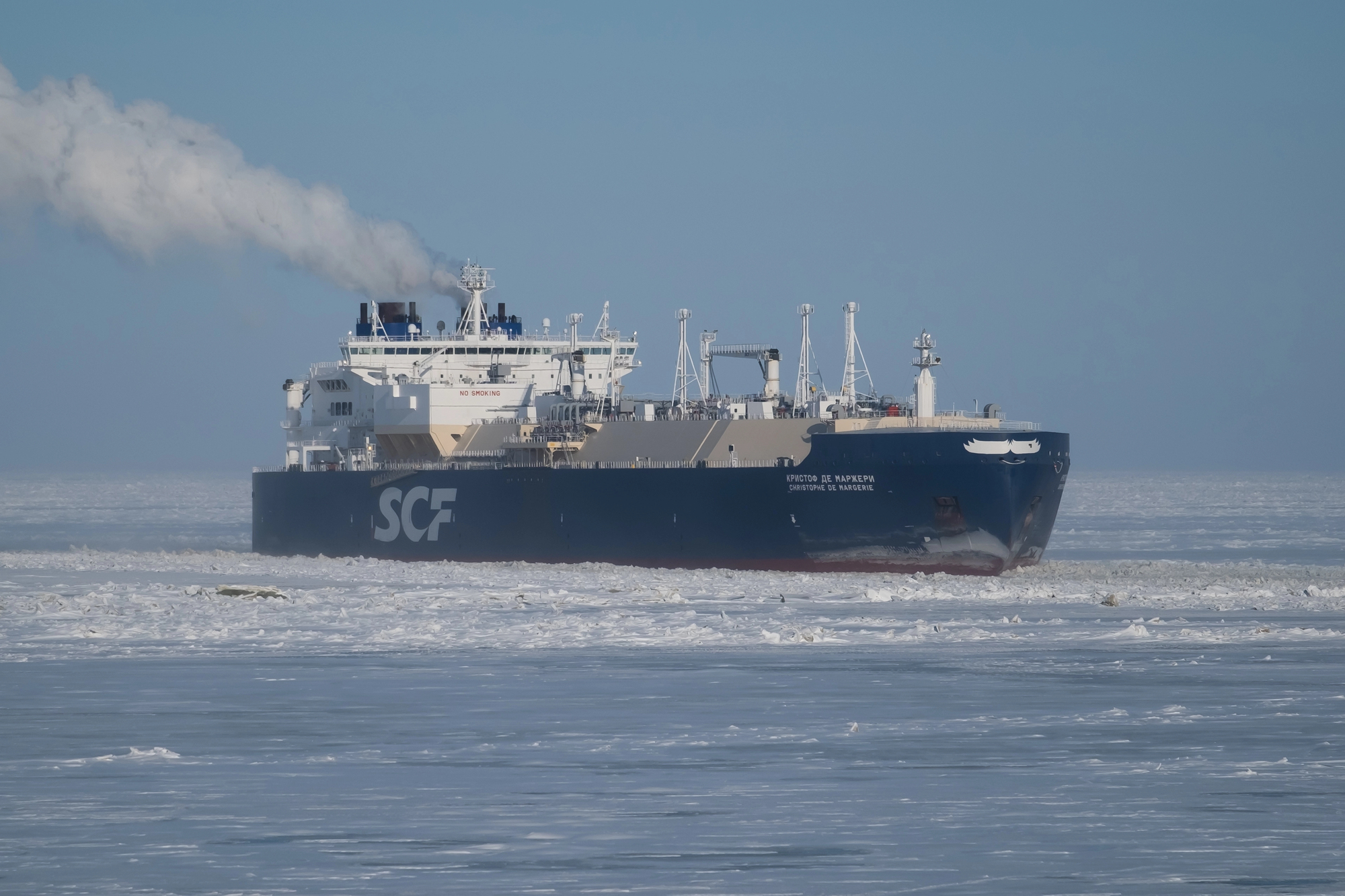
Shipping activity in the eastern part of the Northern Sea Route increased in June. At the beginning of the month, the Arc7 ice-class LNG carrier Christophe de Margerie completed the season’s first eastbound voyage, transporting a cargo of LNG from the Arctic LNG 2 project to the Koryak floating storage unit off Kamchatka. On June 25, the vessel returned to the Arctic LNG 2 terminal, where it loaded another cargo, and on June 27 set off eastward again, escorted by the nuclear-powered icebreaker Arktika. At the end of the month, the Arc7 ice-class LNG carriers Eduard Toll and Boris Vilkitsky departed eastward with cargoes from Yamal LNG: Eduard Toll followed the nuclear-powered icebreaker Sibir, while Boris Vilkitsky sailed without icebreaker escort.
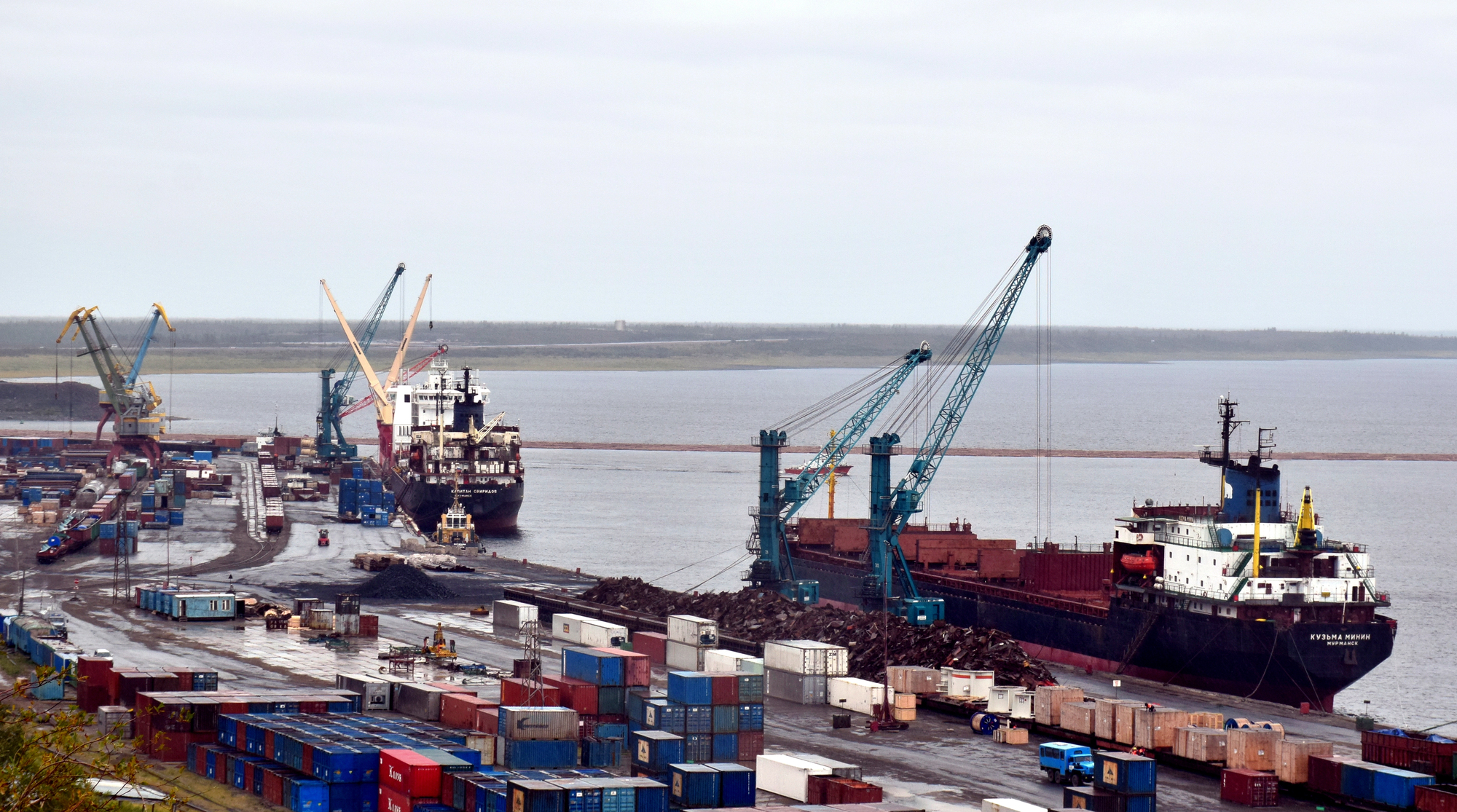
At the same time, the seasonal delivery of fuel, coal, food and other supplies to Arctic settlements began. A new northern supply scheme managed by the single maritime operator Rosatom Arctic was launched in Chukotka. The first tankers and dry cargo vessels arrived in Anadyr and other settlements. In late June, the first convoy departed Arkhangelsk for Pevek, escorted by the nuclear-powered icebreaker Yakutia. The convoy included two dry cargo vessels, Mys Manorsky and Mys Flora.
Cargo traffic along the Northern Sea Route in June consisted of shipments from the Yamal LNG and Arctic LNG 2 projects, oil exports from the Varandey, Prirazlomnoye and Novoportovskoye fields, as well as maritime shipments by Norilsk Nickel.
In June, 22 LNG cargoes were shipped from the terminal in Sabetta. Fourteen Arc7 ice-class LNG carriers handled the bulk of these shipments.
Fifteen voyages were made directly from Sabetta to European ports in Belgium, France, the Netherlands and Spain. The LNG carriers Eduard Toll and Boris Vilkitsky made two additional direct voyages to Asia via the Northern Sea Route.
Five voyages were made to the area off Kildin Island, where LNG is transshipped to non-ice-class carriers. Four voyages from the Kildin area to Belgium were made by LNG Phecda, LNG Dubhe and LNG Megrez. Two other LNG carriers, Seapeak Yamal and LNG Merak, loaded off Kildin and headed to Asia via the route around Africa.
On June 30, the LNG carrier Rudolf Samoylovich arrived at the Danish Fayard shipyard for maintenance.
Fayard remains the last shipyard in the European Union that continues to service Russian Arc7 ice-class LNG carriers, after Damen Shiprepair Brest, located in France, stopped servicing Russia-affiliated vessels in 2024. In the summer and fall of 2025, Fayard carried out maintenance on five Russian Arc7 LNG carriers. According to estimates by the Urgewald research group, another six Russian Arc7 vessels may require maintenance in the summer of 2026.
New EU restrictions prohibiting the maintenance of LNG carriers operating in Russia will take effect on January 1, 2027.
In June, LNG from the Arctic LNG 2 project was delivered both to the Saam FSU floating storage unit near Murmansk and to the Koryak FSU off Kamchatka.
Another tanker, Arctic Express, joined the LNG transportation operations. The vessel was built in 2007 and recently reflagged to Russia.
A total of five LNG cargoes were shipped from the Arctic LNG 2 plant in June. The Arc7 ice-class tanker Alexey Kosygin loaded four cargoes and delivered the LNG to the Saam FSU floating storage unit near Murmansk. The LNG carrier Christophe de Margerie loaded one cargo and headed east along the Northern Sea Route.
In June, two LNG cargoes were shipped from the Saam FSU floating storage unit and loaded by the tankers Zarya and Arctic Express. The tankers that had loaded at the storage unit in May were either sailing to China in June or returning from there via the Cape of Good Hope.
The tanker Arctic Mulan loaded one LNG cargo at the Koryak FSU floating storage unit and delivered it to China.
In June, eight voyages were made from the Varandey terminal operated by Lukoil. Oil was transported by three Arc6 ice-class shuttle tankers: Vasily Dinkov, Kapitan Gotsky and Timofey Guzhenko.
The tankers Mikhail Ulyanov and Kirill Lavrov carried out five oil shipments from Gazprom Neft’s Prirazlomnaya platform.
Sixteen oil shipments were recorded from Gazprom Neft’s Novoportovskoye field, carried out by the tankers Shturman Albanov, Shturman Malygin, Shturman Ovtsyn, Shturman Skuratov, Shturman Shcherbinin, Shturman Koshelev and Mikhail Lazarev.
In June, the port of Dudinka, which serves the metals company Norilsk Nickel, resumed operations that had been suspended in May due to spring flooding on the Yenisei River. Five port calls were recorded, made by vessels from the company’s own fleet of Arc7 ice-class Arctic container ships: Norilsk Nickel, Talnakh, Nadezhda and Monchegorsk.
The vessels operate between Dudinka and Murmansk. They carry finished metal products from Dudinka and transport general cargo, equipment and materials for the Norilsk industrial district on the return voyage.
In June, the nuclear-powered icebreaker fleet provided icebreaker escort in the Gulf of Ob, the Kara Sea and the eastern section of the Northern Sea Route.
The icebreaker Ural escorted Christophe de Margerie on a voyage that began in late May with a cargo of LNG from the Arctic LNG 2 project. Ural then headed to Murmansk.
The icebreaker Yakutia escorted Christophe de Margerie during its westbound return voyage. At the end of the month, Yakutia began escorting the vessels Mys Manorsky and Mys Flora, which had departed Arkhangelsk in a convoy bound for Pevek.
50 Let Pobedy provided icebreaker escort in the Kara Sea and on the approaches to Sabetta. On June 15, it returned to Murmansk after completing the winter–spring navigation season, during which it escorted 90 vessels, and began preparations for summer expeditions to the North Pole.
The nuclear-powered icebreakers Taymyr, Vaygach, Arktika and Sibir operated in the Gulf of Ob and on the approaches to Sabetta. After June 17, Vaygach headed to Murmansk.
Yamal also remained in the Murmansk area in June. On July 9, Atomflot reported that the icebreaker was undergoing scheduled dry-dock repairs.
In January–June 2026, cargo throughput at seaports in the Arctic Basin reached 51.2 million tonnes, an increase of 15% compared with the same period in 2025. The data were published by the Association of Commercial Seaports based on statistics from Morcenter.
Detailed statistics for individual ports are not yet available. However, data for the first five months indicate that oil and LNG accounted for most of the increase in cargo traffic. According to calculations based on reports by SeaNews, LNG throughput amounted to approximately 13.8 million tonnes, around 30% more than in the same period of 2025, while oil throughput reached about 18.2 million tonnes, an increase of approximately 17%.
The largest contributions to the increase over these five months came from the port of Murmansk, where cargo throughput rose by approximately 2.5 million tonnes to 23.5 million tonnes, around 12% more than in 2025; Sabetta, where it increased by 2 million tonnes to 14 million tonnes, around 17% more; and Varandey, where it grew by 0.6 million tonnes to 2.3 million tonnes, around 40.6% more.
«Shipping on the Northern Sea Route in June 2026 differed from the same period last year due to regular shipments from the sanctioned Arctic LNG 2 plant to China, where Russia has found a regular buyer for the sanctioned LNG. The number of shipments is limited by the availability of high ice-class LNG carriers.
However, as sea ice retreats in August and September, shadow-fleet LNG carriers with a low ice class or no ice class at all are likely to be used to transport LNG to China via the Northern Sea Route. The increase in cargo throughput at Arctic ports also reflects additional LNG shipments from Arctic LNG 2, as well as the recovery of oil shipments to 2024 levels. Otherwise, shipping on the NSR this month is broadly in line with established patterns.»
On June 18, 2026, a naming and commissioning ceremony for the Arctic LNG carrier Konstantin Posyet was held at the Zvezda Shipbuilding Complex, according to the Russian government’s website.
Konstantin Posyet became the second vessel in a series of Arc7 Arctic LNG carriers built at Zvezda for Sovcomflot. The first vessel in the series, Alexey Kosygin, entered service in December 2025.

Konstantin Posyet will operate under the Russian flag under a long-term time charter agreement with Arctic LNG 2, the operator of NOVATEK’s project of the same name. The vessel’s port of registry is St Petersburg. It has an LNG cargo capacity of 172,600 m³, a length of 300 metres and a width of 48.8 metres.
The vessel was delivered significantly behind the original schedule. The first five of the 15 LNG carriers ordered from Zvezda were originally due to be delivered in 2023. The vessel actually entered service more than two years later.
The date of its first voyage has not yet been announced. AIS data show the vessel moored in Primorye with its destination listed as FOR ORDERS. Despite its affiliation with the Arctic LNG 2 project, the vessel is not currently subject to international sanctions.
«Konstantin Posyet is the second LNG carrier built at the Zvezda shipyard and the last vessel whose key components were imported into Russia before international sanctions were imposed. Although three more hulls built at a South Korean shipyard remain at Zvezda, French membrane LNG containment systems were installed on only two of them.
In 2025, reports emerged that the Russian Maritime Register of Shipping had approved a Russian-designed membrane containment system, but there is no up-to-date information on whether production of such systems is ready to begin. It is therefore unlikely that the remaining three LNG carriers will be completed this year as planned.
How Russian this system actually is also remains an open question. Ryazan-based GTI LLC, which is obtaining approvals for the system’s use in Russia, is affiliated with Gas Tank Insulation Group, headquartered in China.»
The commissioning of the Project 22220 multipurpose nuclear-powered icebreaker Chukotka has been postponed from December 2026 to 2027. The Russian government issued the relevant order on June 2, 2026.

Chukotka will be the fifth Project 22220 icebreaker and the fourth serial vessel of this type. The icebreaker is being built at United Shipbuilding Corporation’s Baltic Shipyard for Rosatom State Corporation. The vessel was laid down on December 16, 2020, and launched on November 6, 2024.
Several days before the order was published, Rosatom head Alexey Likhachev said that Chukotka was 85.5% complete, compared with the planned figure of 85.1%.
«It is hardly surprising that the Baltic Shipyard is falling behind schedule in the construction of new icebreakers. It relies on hundreds of contractors, without which it cannot build the vessels, as they manufacture all the main shipboard equipment. The Baltic Shipyard itself mainly builds the hull and associated systems and installs equipment supplied by its contractors. Any delay in equipment production immediately affects the shipyard’s ability to keep to schedule, as it must complete the vessel’s assembly, launch it, conduct mooring and then sea trials, and ultimately deliver it to the customer, Atomflot.
In addition to Russian contractors, the Baltic Shipyard also relied on foreign suppliers. However, they halted deliveries after the start of the war, and replacing them with Russian suppliers proved difficult. The Baltic Shipyard even took legal action against one of its foreign contractors over the issue.
This appears to be the main reason for the delays in launching the vessels, although there may also be other factors. Only the Baltic Shipyard itself knows the exact reasons. Likhachev’s statement quoted in media reports tells us nothing. The vessel may indeed be more complete than planned, but if a key piece of equipment is significantly delayed, the overall percentage of completion is irrelevant. Until the delayed equipment is installed, the vessel cannot enter service.»
The transport company Severny Proekt is launching a cargo service between Arkhangelsk and Pevek. Its vessels were previously chartered to other carriers, but the company now intends to operate the service independently using its own fleet. Eight voyages are planned for the 2026 navigation season, at average intervals of around ten days. The first departure of the motor vessel Taymyr from Arkhangelsk is scheduled for July 27, while the final vessel is due to leave Pevek on October 21.
The transport company Eco Shipping has launched a container service on the existing Arkhangelsk–Pevek shipping route. The company offers cargo transport in its own containers aboard vessels operating according to the Pevek Lines schedule. The Pevek Lines schedule for the 2026 navigation season includes 11 voyages, with the first vessel having departed Arkhangelsk on June 18.
On June 29, Chinese operator Sea Legend announced the launch of the regular China-Europe Arctic Express container service between China’s Ningbo-Zhoushan Port and Felixstowe in the UK via the Northern Sea Route during the 2026 navigation season. The company plans to operate eight voyages between August and October 2026.
The new service will build on the 2025 pilot voyage, when Istanbul Bridge departed Ningbo-Zhoushan on September 23 and arrived in Felixstowe on October 13, before calling at the ports of Hamburg, Gdansk and Rotterdam.
Cargo collection and feeder shipments from Chinese ports will begin on August 12, and the container ship Dubai Towerwill depart Ningbo on the first voyage on August 15. The final departure is scheduled for October 3. The operator plans to deploy seven vessels on the route: Dubai Tower, Istanbul Bridge, Riyadh Mukaab, Athens Odeon, Tiger Maanshan, Tiger Bintulu and Tiger Lianyungang. Dubai Tower will make two voyages, the first and the final one.
Cargo will be collected at the ports of Dalian, Taicang, Qingdao, Fuzhou, Shanghai and Nanshi and transported to Ningbo-Zhoushan. From there, the container ships will proceed to the United Kingdom, after which the cargo is expected to be forwarded to other European countries, including the Netherlands, Germany and Poland.
EcoShipping has published the summer–autumn schedule for its Pevek Lines China shipping service. A total of eight voyages between Chinese ports and Pevek have been announced. The service is to be operated by the vessels Mys Shmidta, Mys Zhelaniya and Mys Dezhneva.
Actual vessel movements are already diverging from the published schedule. According to the timetable, Mys Shmidtaand Mys Zhelaniya were due to depart China on June 19. However, only Mys Shmidta set out on the route. The vessel departed Tianjin and arrived in Pevek on July 13 carrying equipment for field development and construction materials.
Mys Zhelaniya also departed on June 19, but from Vladivostok rather than China. According to AIS data, the vessel subsequently carried out operations in the Sea of Okhotsk.
In July, Mys Dezhneva headed for Pevek, but the dates of its voyage also did not match the published schedule.
EcoShipping and the vessels Mys Shmidta, Mys Zhelaniya and Mys Dezhneva are subject to US sanctions.
At the St Petersburg International Economic Forum, SPIEF 2026, the Arkhangelsk Region and China’s NewNew Shipping agreed to sign a memorandum on the development of a deepwater area at the port of Arkhangelsk. NewNew Shipping plans to invest up to RUB 200 billion in port infrastructure, develop a cargo base for the new port facilities and use the future bunkering terminal. The project, scheduled for completion by 2032, is designed to accommodate cargo vessels with a deadweight of up to 75,000 tonnes and a draught of up to 14.5 metres. The deepwater area of the port of Arkhangelsk is expected to include five terminals.

As we reported earlier, NewNew Shipping Line plans to operate up to 12 voyages along the Northern Sea Route between China and Arkhangelsk during the 2026 summer–autumn navigation season. The voyage dates have not been announced, but the company’s website indicates that the navigation window for the Arctic Express will run from late July to early November.
NewNew Shipping also announced plans to expand its operations along the Northern Sea Route. In 2027, the company expects to transport 1 million tonnes of containerised cargo between Russian and Chinese ports.
Vladimir Panov, deputy chairman of the State Commission for Arctic Development, said that Russia and China had agreed to increase cargo traffic along the Northern Sea Route to 20 million tonnes by 2030.
On June 16, the UK added four LNG carriers to its sanctions list: Merkuriy (IMO 9326689), Kosmos (IMO 9300817), Luch (IMO 9317315) and Orion (IMO 9294264).
All four loaded their first cargoes of LNG linked to the Arctic LNG 2 project in May 2026. The carriers took on LNG from the Saam FSU near Murmansk and subsequently transported it to China.

The same sanctions document also covered three other vessels previously observed in Murmansk or on the Northern Sea Route:
All three vessels were listed for their involvement in transporting Russian-origin oil or petroleum products to third countries.
On June 3, Vladimir Putin signed an order allowing NordLine LLC to acquire TotalEnergies’ 10% stake in the Arctic LNG 2 project. The seller is identified as TotalEnergies EP Salmanov, a subsidiary of the French group.
In May, NOVATEK established a subsidiary with the same name, registered in the Yamalo-Nenets Autonomous Area.
NOVATEK currently owns 60% of Arctic LNG 2. If TotalEnergies’ stake is transferred to the NOVATEK subsidiary, the group’s combined interest in the project will increase to 70%. China’s CNPC and CNOOC will retain 10% each, as will the Japan Arctic LNG consortium, owned by Mitsui and the Japanese state organisation JOGMEC.
On July 23, TotalEnergies CEO Patrick Pouyanne confirmed that the company intends to withdraw from the project. According to him, NOVATEK proposed transferring the stake to its subsidiary after the US imposed sanctions on Arctic LNG 2 in November 2023.
Pouyanne did not describe the transaction as a sale, while a TotalEnergies spokesperson declined to comment on whether the company would receive compensation or how the stake might be valued.
TotalEnergies acquired its stake in Arctic LNG 2 in 2019. As Reuters notes, the transfer of the direct 10% stake would not eliminate TotalEnergies’ indirect economic exposure to Arctic LNG 2, as the French company continues to hold a 19.4% stake in NOVATEK, which controls the project. Its 20% stake in Yamal LNG also remains an active Russian asset of TotalEnergies.
Arctida notes that TotalEnergies has steadily reduced its involvement in Russian projects since February 2022. The company withdrew its representatives from NOVATEK’s board of directors and deconsolidated its 19.4% stake, although the shares formally remained on its balance sheet. In 2022, TotalEnergies sold its 49% stake in Terneftegaz to NOVATEK, while its interest and operating role in the Kharyaga field were transferred to Zarubezhneft. In April 2023, the company also withdrew from the governing bodies of the Arctic Transshipment project and stopped financing it, while retaining its formal 10% stake.
China is completing preparations for a second terminal that will receive LNG from the sanctioned Russian Arctic LNG 2 project, Reuters reports, citing its sources.
Installation of the main mechanical equipment at the new Longkou LNG terminal in Yantai, Shandong Province, has been completed. The terminal is expected to be commissioned by October 2026, in time for the start of the winter season and the anticipated increase in natural gas demand.
The new terminal will be operated by state-owned pipeline company PipeChina. It also operates the Beihai LNG terminal in Guangxi Province in southern China, which was commissioned in August 2025 and is currently the only terminal receiving cargoes from Arctic LNG 2. Its maximum capacity is 6 million tonnes per year.
From its launch through the end of June, the terminal received 41 LNG cargoes totalling 2.6 million tonnes, according to data from analytics firm Kpler cited by Reuters.
The addition of a second terminal, which is also located closer to the Northern Sea Route, will expand capacity to receive output from Arctic LNG 2. The first phase of the new Longkou LNG terminal has an annual capacity of a further 5 million tonnes of LNG.
In addition, another PipeChina-owned terminal in Dalian in northeastern China is being considered as a potential future destination for Arctic LNG 2 output, according to Reuters. China is currently the project’s only buyer. Arctic LNG 2 has a maximum annual capacity of 19.8 million tonnes of LNG.
«Despite Western sanctions against Arctic LNG 2, Russia has managed to find buyers in China and is gradually securing LNG carriers for exports. The involvement of Chinese state-owned companies in both LNG purchases and terminal operations indicates that China does not expect secondary sanctions. However, the possibility of such measures was raised when the US first added Arctic LNG 2 to its sanctions list.
China had plans to increase LNG imports from Russia even before the war, but discounts of 30–40% have now become an additional clear advantage. China was initially expected to purchase only around 20% of Arctic LNG 2 output and continue increasing imports from other planned LNG projects in the Russian Arctic. Under the new circumstances, however, with China as the sole buyer, there will be no additional demand, leaving Russia unable to build new LNG plants.»
According to The Korea Times, six Arc7 ice-class LNG carriers built for the Arctic LNG 2 project remain at the Hanwha Ocean shipyard in South Korea. Three vessels were intended for Sovcomflot and another three for Japan’s Mitsui O.S.K. Lines. They were due to be delivered to the customers by the end of July 2023, but the deliveries did not take place because of sanctions.
Industry sources estimate the combined value of the vessels at more than $1.56 billion. According to the publication’s calculations, Hanwha Ocean has not received at least $780 million that was due upon delivery of the carriers. The company also continues to incur costs for maintenance, electronic monitoring, periodic system start-ups and keeping the vessels at offshore anchorages.
In June, NATO held Ramstein Flag 2026, its largest annual air exercise. It involved 18 countries and more than 200 aircraft. The exercise focused on collective defence, interoperability between allied air forces and the conduct of large-scale operations in a crisis. More than 150 sorties were flown each day from bases across Europe, including in Norway, Sweden, Finland and Denmark, while air operations were directed by NATO’s centre in Bodø, northern Norway.
In addition, NATO launched Task Force X-Arctic in June, an 18-month programme to test uncrewed systems for continuous monitoring of the Arctic and the High North. For the first time, NATO will test the coordinated operation of uncrewed systems in Arctic conditions, with the systems operating under human supervision to provide continuous situational awareness across the region. The first three-week phase is taking place off the coast of Iceland using the research vessel Alliance. A full-scale demonstration of the systems and their interoperability is scheduled for summer 2027.
In June, The Independent published comments by Norwegian Defence Minister Tore Sandvik on the risks posed by Russia potentially gaining greater control over the Bear Gap, the maritime corridor between mainland Norway and Svalbard. According to Sandvik, Russian control of the area could allow it to deploy weapons capable of reaching targets in Norway, the United Kingdom, Denmark and other NATO countries.
Rosneft CEO Igor Sechin announced this at the company’s annual shareholders’ meeting, held at the Zvezda shipbuilding complex.
The Bukhta Sever terminal is located between the Northern Sea Route port of Dikson and the Yenisei port, which is being built as part of the Syradasayskoye coal deposit development project. The first phase of Bukhta Sever is expected to have a capacity of 28.36 million tonnes per year.
According to the Northern Sea Route Development Plan through 2035, production at Vostok Oil was due to begin in 2024 and reach its full capacity of 100 million tonnes per year by 2030, more than twice the NSR’s total cargo traffic. The entire volume was to be handled through the Bukhta Sever terminal.
Trial operations have now begun at the Peschany section of the Payakha field, which is being developed as part of the project. However, it has not yet been disclosed how much terminal throughput this production will support.
Vostok Oil is Rosneft’s project to develop oil fields in the north of the Krasnoyarsk region, which, according to Igor Sechin, is expected to become a “world-class” oil cluster.
Read the new joint article by Arctida and Bellona to learn about the environmental risks posed by the extensive Vostok Oil infrastructure being built in the tundra, an ecosystem that is extremely vulnerable to external impacts.
The authors of a study published in Communications Earth & Environment in late May 2026 analysed changes in the chemical composition of Arctic Ocean seawater between 1998 and 2023. They found that its marine ecosystem had crossed a critical resilience threshold, beyond which irreversible changes are expected. According to the researchers, this point of no return was passed around 2009.
The cause is the rapid loss of sea ice, which exposes vast shallow areas of the ocean to sunlight. Phytoplankton then proliferates excessively and absorbs nitrates. When it dies, the organic matter sinks to the seabed and is decomposed by microorganisms that consume large amounts of oxygen, leading to oxygen depletion in bottom sediments. In the resulting oxygen-free environment, bacteria that break down nitrates become more active, converting them into nitrogen gas, which is permanently lost from the water to the atmosphere.
The shallow shelf areas where this process occurs cover almost half of the Arctic Ocean, but scientists identified the Chukchi and East Siberian seas as the main regions of nitrogen loss. From there, nitrate-depleted water is carried by currents further into the Arctic.
As nutrients become scarce, phytoplankton abundance declines, while larger species that play a more important role in the food chain are replaced by smaller, less significant ones. Since phytoplankton forms the foundation of the ocean food chain, these changes affect most marine life in one way or another.
Phytoplankton also absorbs large amounts of carbon dioxide, and slower growth reduces the ocean’s capacity to store carbon, affecting marine ecosystems and further exacerbating the climate crisis.
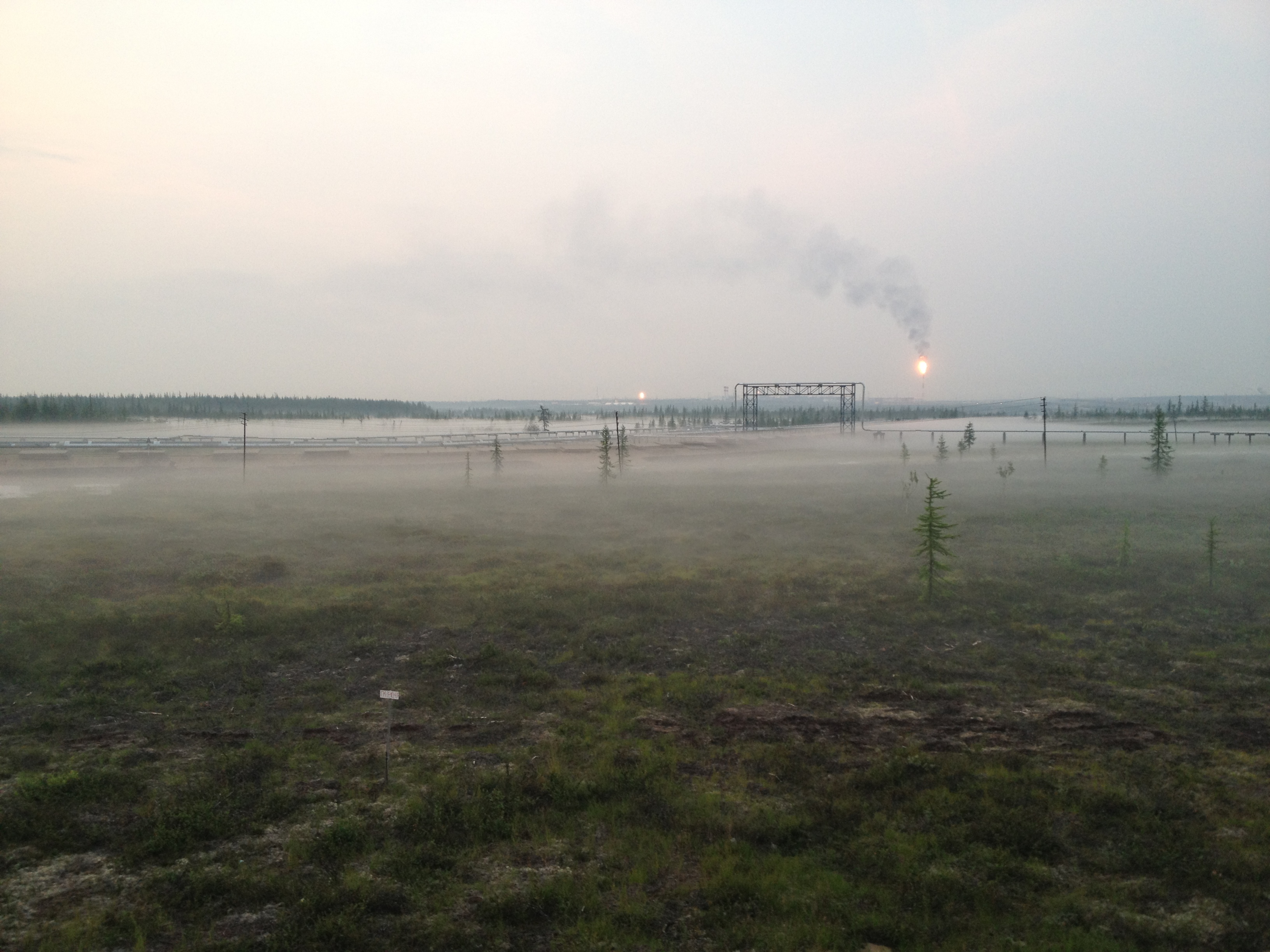
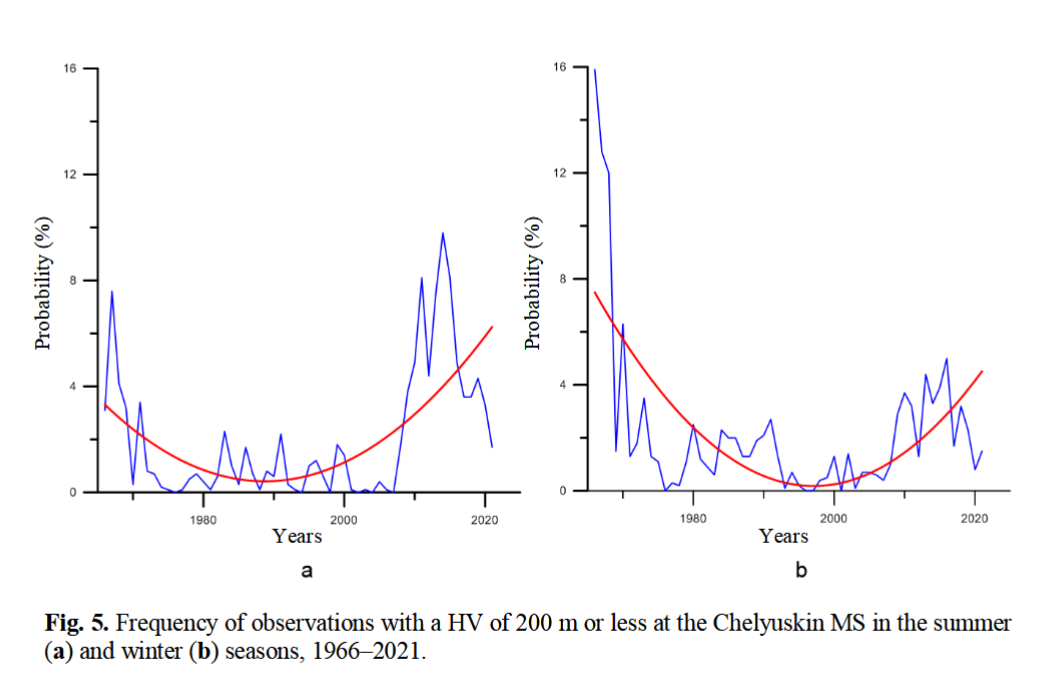
Scientists at the Arctic and Antarctic Research Institute found that the frequency of hazardous reductions in visibility along the Northern Sea Route has increased since the 1990s. The study used data collected between 1966 and 2021 at weather stations on Dikson Island, where part of the settlement of the same name is located, and at Cape Chelyuskin.
After the late 1990s, the long-term trend reversed: instead of declining, the frequency of conditions with horizontal visibility of 200 metres or less began to increase, reaching a peak in the mid-2010s. Across the two Arctic weather stations, the frequency of such conditions rose by around 1.5–2 times compared with the low recorded in the 1990s. It subsequently began to decline but has not returned to the previous minimum levels.
According to the scientists’ observations, low-visibility conditions have two seasonal peaks: in winter, from January to February, and in summer, in July. In winter, the main cause is blowing snow, which occurs at wind speeds of 6 metres per second or more. In summer, it is fog, which is becoming increasingly frequent. The main reason for the rise in fog frequency is the climate-driven decline in sea ice extent, which allows increasing amounts of water vapour to enter the atmosphere.
At the Cape Chelyuskin station, the summer peak in reduced visibility exceeded the winter peak for the first time in the past three decades.
“The Kara Sea is the starting point of the Northern Sea Route, the main transport corridor between Europe and Asia through the Arctic. Today, giant Arc7-class tankers up to 300 metres long sail along the route. When visibility falls below 200 metres, the safe navigation of vessels of this size becomes significantly more difficult, while visibility of 50 metres or less is classified as a hazardous weather event,” the Arctic and Antarctic Research Institute said.
A group of scientists from the US and the United Kingdom found that the rapid decline in sea ice extent in the Pacific Arctic, the region where the Arctic and Pacific oceans meet, is altering bowhead whale migration routes and the shipping-related risks faced by the population. The study was published in Frontiers in Marine Science. The authors analysed data on changes in sea ice extent, whale migration and vessel traffic between 2008 and 2019, focusing particularly on the exceptionally warm 2017–2018 season, when winter sea ice cover reached a record low.
Before this period, the whales migrated south through the Chukchi Sea to wintering grounds in the western Bering Sea. Their winter migration area subsequently shifted considerably further north.
As a result, the number of vessel transits through the whales’ main habitat declined: before the 2017–2018 season, an average of 234 vessels passed through their core range, compared with only 62 during that season.
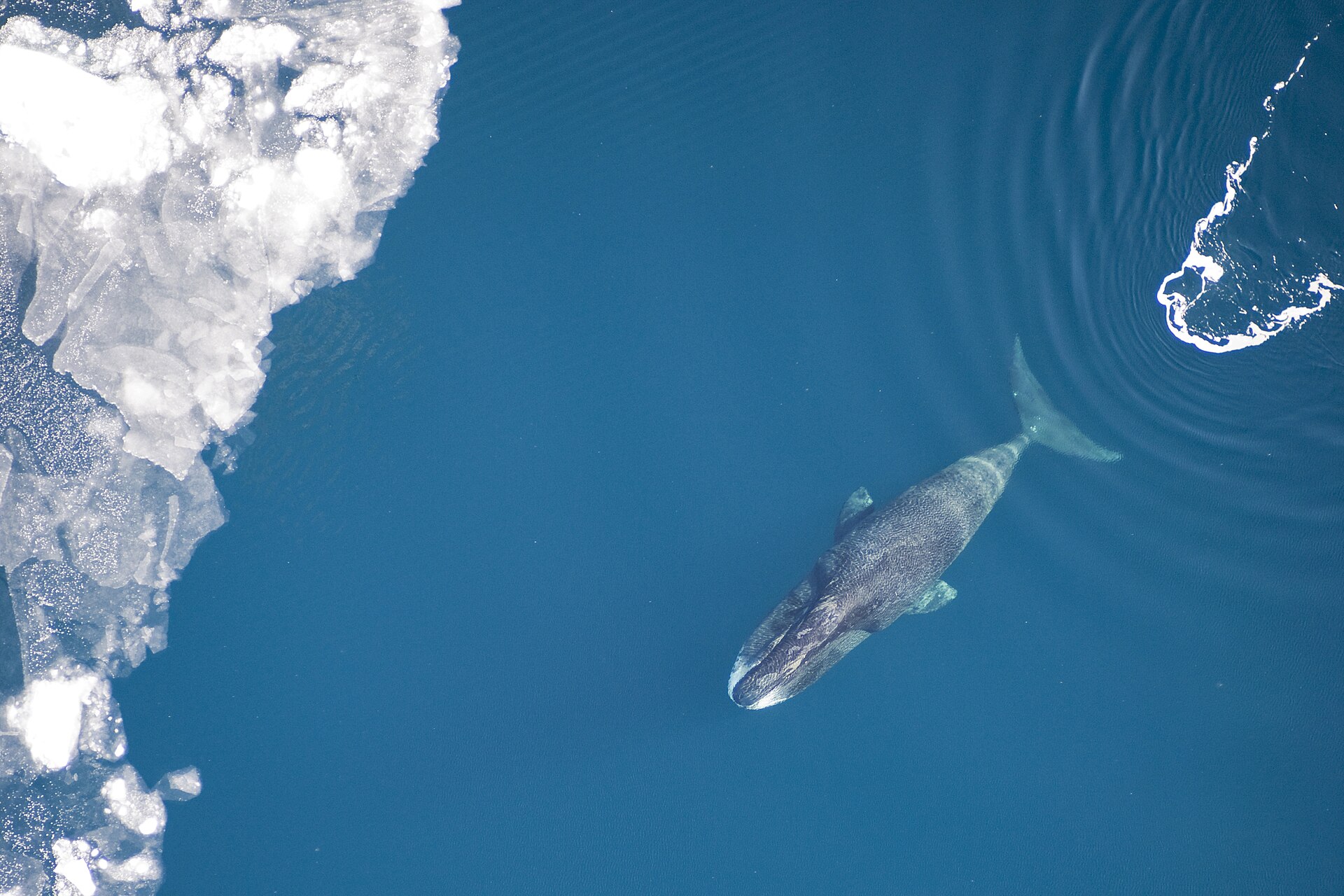
As sea ice conditions recovered, the whales began returning south. However, the average speed of vessels in the area had meanwhile increased from 7.2 to 8.7 knots, raising both the risk of collisions with whales and the likelihood of serious or even fatal injuries to the animals.
The study’s authors warn that shipping in the region will continue to increase as the Arctic warms and sea ice declines. This means that climate change may simultaneously alter marine mammal migration routes and increase human pressure on their populations, which should be taken into account when planning future Arctic shipping routes.
In this news digest, we monitor events that impact the environment in the Russian Arctic
In this news digest, we monitor events that impact the environment in the Russian Arctic

In this news digest, we monitor events that impact the environment in the Russian Arctic
In this news digest, we monitor events that impact the environment in the Russian Arctic