Bellona Nuclear Digest. April 2026
A monthly analytical review offering expert insight into key developments in nuclear policy, economics, safety, and technology related to the activities of Rosatom in Russia, Ukraine, and other countries
News
Publish date: 07/07/2026
News
After Russia’s full-scale invasion of Ukraine in February 2022, Bellona ceased its activities in the aggressor country. On 18 April 2023, Russia’s Prosecutor General’s Office declared Bellona an undesirable organization in the Russian Federation.
Nevertheless, we continue to systematically monitor and analyze developments related to Rosatom’s activities that we believe are of interest to an international audience. The aim of this review is to assess the scale of Russia’s international influence in the nuclear sector, as well as the associated political, economic, and environmental risks.
This digest covers events from May 2026.
You can follow the links to read the three most recent digests covering April, March and February 2026.
Subscribe to our mailing list to stay informed about future issues. Download a PDF of this digest here.
NUCLEAR EVENTS IN UKRAINE AND THE WAR
1. The Zaporizhzhia NPP and other nuclear facilities in Ukraine. Events of May 2026
1.1. Military threats at the ZNPP
1.2. Military threats at other nuclear facilities of Ukraine
1.3. Operational status of the ZNPP
1.4. Other events at the ZNPP
2. Energoatom launches production of Westinghouse nuclear fuel components
3. Ukraine’s centralized spent fuel storage facility receives an operating license
4. Energoatom’s Supervisory Board continues corporate governance reform
– After receiving information from the National Anti-Corruption Bureau of Ukraine, the Board announced measures to strengthen integrity and corporate governance
– Two independent Board members reported the early termination of their mandates due to a heavy workload and other personal circumstances
INTERNATIONAL NUCLEAR EVENTS AND THEIR CONNECTION WITH RUSSIA
5. US approves natural uranium export to Russia for enrichment
6. UK imposes sanctions on Russian uranium
EVENTS IN THE RUSSIAN NUCLEAR SECTOR AND IN ROSATOM PROJECTS ABROAD
7. Rosatom signs new scientific and technical cooperation agreements with China
8. RITM reactors for icebreakers, floating power units, and small NPPs
9. Kaliningrad Sea Commercial Port comes under Rosatom’s direct control
10. Russia expands nuclear cooperation with African countries
– Rosatom says it has reached an agreement on the construction of an NPP in Rwanda; the US and Holtec are also expanding nuclear cooperation with Kigali
– Russia signs a new nuclear cooperation agreement with Equatorial Guinea
11. Rosatom seeks to build production chains for rare earth and critical minerals
12. Rosatom’s projects abroad
May was marked by numerous reports of intensified military activity around the Zaporizhzhia NPP and its satellite city of Enerhodar, both in the media and in official communications from Russia’s Permanent Mission to the international organizations in Vienna. During the period under review, there were eight such communications in which Russia called on the IAEA to respond appropriately, assess, and condemn Ukraine’s actions.
On May 3, Russian representatives at the ZNPP informed the IAEA team at the site that a drone attack had damaged the external radiation control laboratory, located approximately 4 kilometers from the plant’s perimeter. According to the plant’s Russian press service, no critical damage to the laboratory’s equipment was recorded.
Visiting the laboratory the following day, the IAEA team observed damage to meteorological equipment. The team was told that the equipment was not operable.
On May 22, the Permanent Mission of Ukraine to the IAEA stated that the damage to the laboratory equipment had been caused by the Russian side itself back in March 2022, during the seizure of the ZNPP by Russian forces.
According to the statement, the equipment in question was a SODAR system for measuring vertical profiles of meteorological parameters, which was part of the RODOS system. The statement included photographs showing firearm damage, as well as the findings of a commission that assessed the technical condition of the equipment on April 8, 2022.
On another day, Russian representatives at the ZNPP informed the IAEA team that on May 16 a drone carrying explosives had fallen near the turbine hall of Unit 1 without detonating (this is also mentioned in INFCIRC/1363). The IAEA wrote that the Agency’s team could not confirm the report, as it received the information only two days later and was told that all drone debris had already been removed.
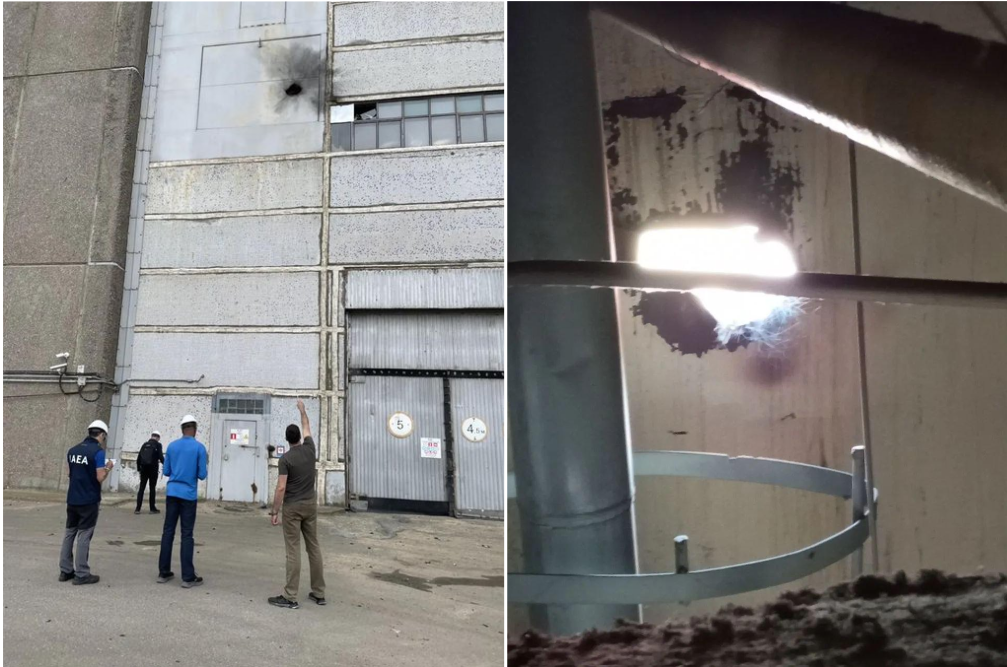
On May 30, the IAEA team at the ZNPP was informed of a drone strike on the turbine hall of Unit 6. During a walkdown the following day, members of the mission observed a hole in the wall and damage to the metal cladding of a pipe several meters away. According to Grossi, this was the first time since April 2024 that military activity had directly affected the ZNPP site.
Russian-appointed ZNPP Director Yuri Chernichuk said that IAEA experts had been allowed to collect parts of the drone for identification.
Ukraine’s Ministry of Foreign Affairs and the Defense Forces rejected Russian accusations over the strike on the ZNPP and drew the attention of IAEA Member States to the fact that, ahead of almost every session of the IAEA Board of Governors, Russia “launches a new wave of information manipulation around the Zaporizhzhia NPP.”
In addition to the incidents listed above, reports in May also referred to strikes on the ZNPP transport workshop on May 17, when the IAEA team observed damage, and again on May 23 and 31; strikes on vehicles carrying plant personnel on May 14 and 25; and reports that on May 21 drones had mined one of the roads used to supply Enerhodar and the plant.
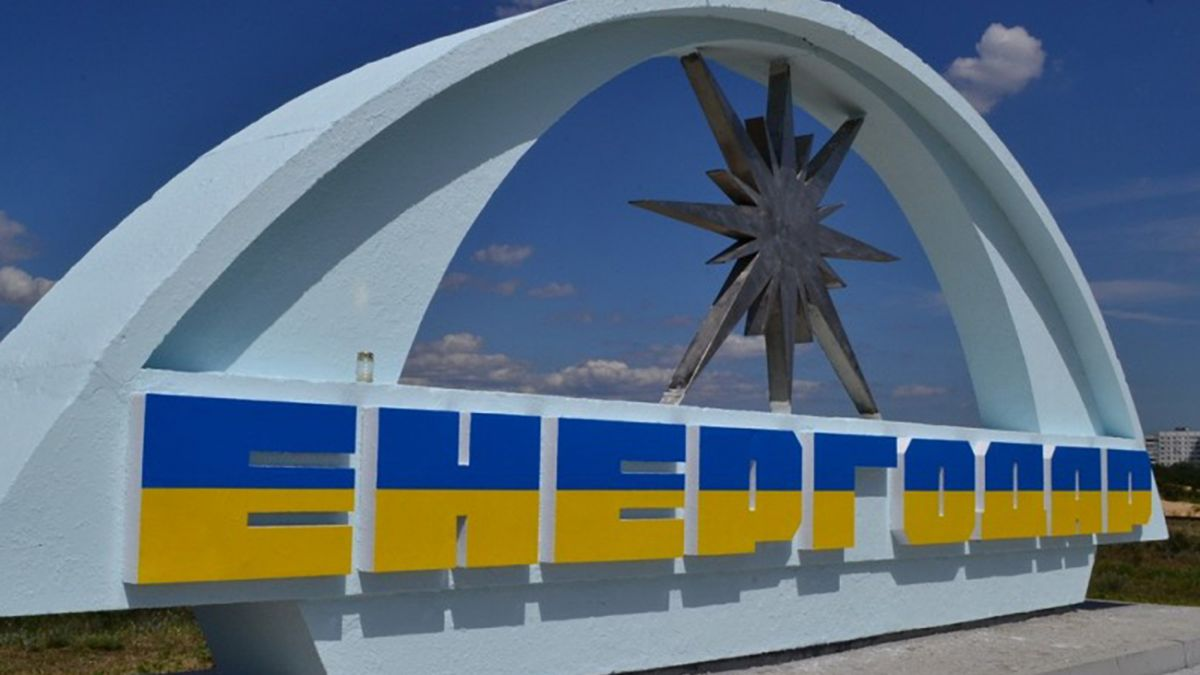
There were also regular reports of numerous drone strikes on targets in the nearby city of Enerhodar. Russia accused Ukraine of attacking civilian buildings and infrastructure and creating threats to nuclear safety. (For details, see, for example, the communications of Russia’s Permanent Mission to the IAEA, INFCIRC/1358–INFCIRC/1370.)
It is worth noting that on May 27, the ZNPP had neither landline nor internet connections for about 12 hours. The exact cause was not known, but the outage coincided with reports of attacks on Enerhodar.
On May 26, Rosatom Director General Alexey Likhachev announced that Russia had requested a meeting with the IAEA leadership to discuss the situation. The telephone conversation between IAEA Director General Rafael Grossi and Likhachev took place on June 1. According to Rosatom’s press release, Likhachev “demanded that Rafael Grossi publicly provide a clear assessment of Kyiv’s crimes against the ZNPP and Enerhodar, and acknowledge that the only real threat to the safety of the ZNPP remains the continuing Ukrainian attacks.”
Earlier in May, following reports of a strike on the ZNPP transport workshop in late April that killed one person, Ukraine’s Permanent Mission to the IAEA stressed in a statement that Russian claims portraying the incident as a threat to civilian facilities and nuclear safety were misleading.
The statement says that Russian military positions, occupation facilities, and repressive structures in temporarily occupied Ukrainian territory are presented as “civilian infrastructure,” while Russia’s militarization of Enerhodar and the area around the plant is being deliberately concealed. Photo and video evidence is available, for example, on the Telegram channels Real Enerhodar | Ukraine and actual_energodar.
Another statement emphasized that any assessment of the situation at and around the plant should proceed from the fact that the risks arising there are a direct consequence of Russia’s illegal seizure of the ZNPP, the presence of Russian military and other unauthorized personnel at the site, the militarization of the surrounding area, the intimidation of Ukrainian personnel, and obstruction of the restoration of Ukraine’s full sovereign control over the plant.
Ukraine recalls that for more than four years, Russia has used occupied territories in and around Enerhodar to carry out systematic attacks on Ukrainian towns and settlements on the opposite bank of the Dnipro River, including Nikopol, Marhanets, Illinka, and others.
In May, the IAEA teams at Ukraine’s operating NPPs—Khmelnytskyi, Rivne, and South Ukraine—as well as at the Chernobyl NPP site, reported increased military activity near these facilities. There were numerous reports of drone overflights near the sites (IAEA Updates 349–353).
On May 7, representatives of the Chernobyl NPP reported a fire in the exclusion zone that had spread over an area of 1,100 hectares and was caused by a drone crash. The fire was extinguished within several days, and no increase in radiation levels was recorded.
On May 22, a fire broke out at the Dniprovska substation following a military attack. This substation provides off-site power to the South Ukraine NPP as well as to the Zaporizhzhia NPP. At the request of the grid operator, the South Ukraine NPP was disconnected from the power line connected to the substation.
On May 26, Russian representatives at the ZNPP informed the IAEA team that diesel fuel deliveries from a nearby storage facility for the diesel steam generators used to process liquid waste had been suspended due to the deteriorating military situation around the plant. It was noted that, at that time, the diesel fuel reserves on site intended for the emergency diesel generators were sufficient for 10 days.
At the same time, since March 24, when the ZNPP’s main 750 kV Dniprovska power line was damaged, the 330 kV Ferrosplavna-1 backup line has remained the plant’s only source of off-site power. As in April, no agreement was reached in May on a temporary localized ceasefire to carry out repair work. (This information can be found in IAEA Updates on the situation in Ukraine 349–353.)
On May 29, the ZNPP completely lost its off-site power supply for one hour, for the 16th time since the start of the war in Ukraine.
It is also worth noting that on May 22, Rostekhnadzor issued a registration certificate for the ZNPP’s mobile electrical laboratory, authorizing it to perform commissioning and preventive testing, as well as measurements of electrical equipment and electrical installations with voltages of up to 750 kV.
According to Ukrainian nuclear energy expert Olha Kosharna, this is further evidence that Russia is preparing to connect the ZNPP to its power grid.
On May 6, Sergey Kiriyenko, first deputy chief of staff of the presidential administration of Russia, visited the Zaporizhzhia NPP. During a meeting with the Russian-appointed management of the plant, participants discussed the current state of the ZNPP, measures to support it, and preparations for bringing it into power generation mode when this becomes possible.
On May 22, the Russian president signed a decree officially authorizing JSC “Operating Organization of the Zaporizhzhia NPP” to possess nuclear materials and installations.
On May 28, Vladislav Isayev was reappointed Director General of FSUE “Zaporizhzhia NPP” for the next two years.
«As noted in the previous digest, the Russian side has been actively disseminating information about an increasing number of Ukrainian drone attacks in the Enerhodar area and the territories surrounding the Zaporizhzhia NPP. According to these reports, a number of facilities associated with the nuclear power plant have also come under attack, including the ZNPP transport workshop, the turbine hall of Unit 6, and other facilities.
As expected, the Ukrainian side denies involvement in these attacks, while at the same time accusing the Russian side of staging deliberate provocations. IAEA observers are also unable to provide a definitive assessment of what is happening: they either lack the mandate or practical ability to document such incidents, or the Russian administration does not grant them access to the areas where, according to available reports, drone attacks have taken place.
In other words, what is happening is one manifestation of the ongoing armed conflict and a consequence of the seizure of the ZNPP. Until the war ends, such incidents are likely to continue, making it practically impossible in most cases to reliably establish the origin of each drone and its specific purpose.
During one event held in Oslo, a representative of a Ukrainian organization was asked how he viewed these developments around Enerhodar. His response amounted to the following: he could neither confirm nor deny that the drones in question were Ukrainian, but from Ukraine’s perspective, creating conditions that hinder the work of the occupation administration and the plant personnel who have agreed to cooperate with it is a justified strategy.
This position appears understandable if one takes into account that a nuclear power plant is not only a complex technological facility, but also a team of qualified professionals without whom its operation is impossible. It follows that one objective may be to create conditions under which as many ZNPP employees as possible, regardless of their motives, leave Enerhodar. Within this logic, various factors that disrupt the functioning of the city may be considered relevant: the mining of roads, the destruction of energy, water, and other infrastructure, threats of strikes on critical facilities, and other consequences of hostilities.
As a result, the ZNPP may remain for an extended period in a non-operational but nuclear-safe state. As noted in the commentaries in previous digests, in our assessment, the likelihood that the plant will resume functioning for its intended purpose in the foreseeable future—regardless of whether it is under Russian or Ukrainian control—is extremely low.
At present, it is difficult to see a scenario in which Ukraine would agree to leave the ZNPP under Russian control without significant consequences, just as Russia’s voluntary return of the plant to Ukraine appears unlikely. Judging by the actions Ukraine is taking today to create logistical and infrastructure problems for Crimea, it cannot be ruled out that similar approaches may also be considered with regard to Enerhodar. This may involve attempts to restrict supplies to the city and the plant by disrupting transport links, including by disabling roads and bridges.
At the same time, the Russian side continues to pass laws, sign decrees, and issue various documents aimed at institutionalizing the ZNPP’s status as a Russian facility. These measures are intended to create the appearance of civilized and internationally legitimate management of the plant, in anticipation of possible future political changes that currently seem highly unlikely.»

Aleksander Nikitin
Special Nuclear Advisor
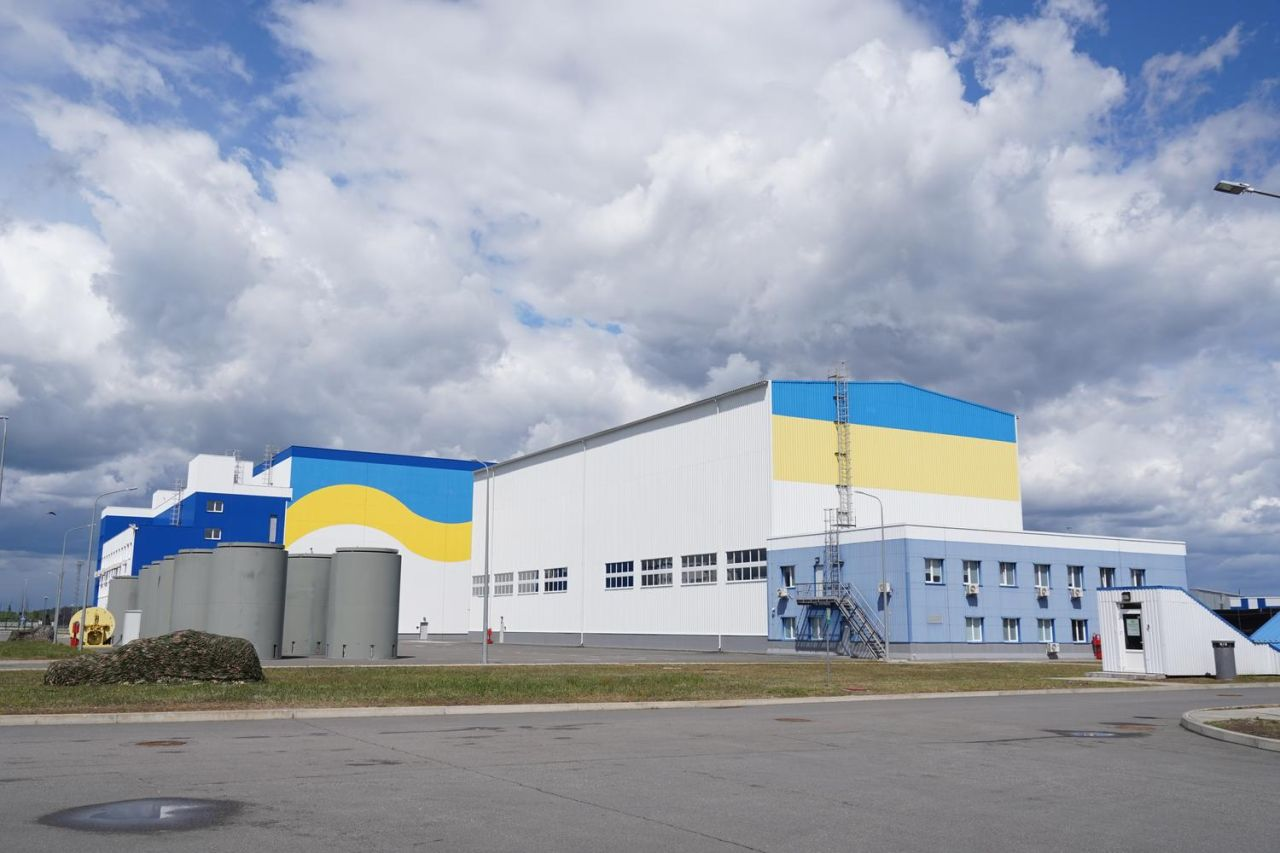
On May 14, Ukraine’s state-owned company Energoatom announced the launch of domestic production of Westinghouse nuclear fuel components. SS “Atomenergomash”, a separate subdivision of Energoatom, received the materials needed to manufacture the first batch of bottom nozzles for VVER-1000 fuel assemblies. Production of the batch is expected to take four months.
Earlier, in May 2025, Westinghouse Electric Sweden AB recognized Atomenergomash as a qualified and approved supplier of fuel assembly components for VVER reactors. These steps are part of Ukraine’s plan to establish domestic production of fuel assemblies under a Westinghouse license.
On May 28, Ukraine’s State Nuclear Regulatory Inspectorate issued a license for the operation of the centralized spent fuel storage facility (CSFSF), designed by Holtec. The statement notes that this marks the completion of Ukraine’s own system for the safe management of spent nuclear fuel.
The centralized spent fuel storage facility is located in the Chernobyl Exclusion Zone. Contracts for its construction were signed with the U.S. company Holtec International in 2005, and construction began in 2017.
Commissioning activities began at the CSFSF in 2022. Before that, spent nuclear fuel from all Ukrainian NPPs except the Zaporizhzhia plant was transported to Russia for storage.
It should be noted that on June 7, as a result of a UAV strike, the container receiving building at the CSFSF site was partially destroyed; no spent nuclear fuel was present in the building. The building sustained damage to its facade, stairwell, windows, doors, and internal walls between office rooms.
In May, the Supervisory Board of JSC NNEGC Energoatom announced a series of measures to strengthen integrity and reform corporate governance.
On May 8, the Supervisory Board received information from the National Anti-Corruption Bureau of Ukraine (NABU) indicating possible criminal offenses by company employees.
In this connection, the Board directed a formal internal investigation, the suspension of several employees for the duration of the investigation, and the reorganization of specific structural units responsible for physical protection and economic security.
In addition, the Supervisory Board approved the engagement of an international executive search firm to support the selection of candidates for the positions of Chair of the Management Board, Director for Nuclear Safety and Operations, Chief Financial Officer, and several others.
As a reminder, Energoatom’s Supervisory Board took office in February 2026 after the previous board was dissolved amid a corruption scandal in November 2025. The new board consists of seven members: three representatives of the Ukrainian government and four international experts, including Rumina Velshi, former President and CEO of the Canadian Nuclear Safety Commission, who was elected Chair of the Board; Patrick Fragman, former CEO of Westinghouse Electric Company; Laura Garbenčiūtė-Bakienė; and Brice Bohuon.
At the same time, in May, the Supervisory Board announced the early termination of the mandates of two independent Supervisory Board members —Patrick Fragman and Brice Bohuon. Both explained their decision by an excessive workload that proved significantly higher than expected, while Fragman also cited an offer of new full-time employment.
«It should be noted that, despite the ongoing war and the situation around the Zaporizhzhia NPP and other nuclear facilities in Ukraine, Energoatom, with the support of the country’s leadership and government, continues to implement projects aimed at supporting and developing nuclear energy. On the one hand, such efforts deserve strong recognition and active international support. On the other hand, in wartime, when the state is forced to conserve budgetary resources, it is important to analyze and assess whether the financing and implementation of individual projects related to civilian nuclear infrastructure are timely and justified.
There is little doubt about the need to abandon Russian nuclear fuel supplies and to establish domestic production jointly with Western partners. Similarly, the construction of a centralized spent fuel storage facility is strategically justified, as its creation will make it possible to stop using Russian services for the management of spent nuclear fuel.
At the same time, a detailed assessment should be carried out of other projects in the nuclear sector—both large-scale and smaller ones—that currently require funding and international support.
Reports periodically appear in the public domain about possible abuses in the implementation of individual projects, and in wartime such allegations require particularly careful attention. In particular, the National Anti-Corruption Bureau of Ukraine has reported an investigation into possible violations related to the activities of certain Energoatom officials.
It should also be recalled that the fate of the initiatives and payments related to the purchase of Russian-made reactor pressure vessels and other equipment—currently located in Bulgaria and intended for the construction of new units at the Khmelnytskyi NPP—remains not entirely clear.
Additional questions arise from the fact that Ukraine’s former energy minister is currently under investigation, while the head of Energoatom has been dismissed from his post.
Nuclear energy remains a capital-intensive and costly sector, but in wartime it plays a key role in ensuring the country’s energy security. The international community should therefore continue to support Ukrainian nuclear projects. At the same time, such support should be accompanied by a careful assessment of their strategic necessity, economic rationale, timeliness, and the transparency of how allocated funds are used.»
Aleksander Nikitin
Special Nuclear Advisor
The US Nuclear Regulatory Commission (NRC) issued two licenses on May 6 authorizing the export from the United States to Russia of 8,500 metric tons of natural uranium in the form of uranium hexafluoride. The licenses in question are XSOU8861 and XSOU8865, both valid until December 31, 2028. In both cases, the supplier is Solstice Advanced Materials US, Inc.—the owner of the Metropolis Works uranium conversion facility, which was owened by Honeywell International until October 2025—while the recipients are Russia’s TENEX and the Ural Electrochemical Plant.
The license applications submitted in February and June 2024 stated that the uranium enriched in Russia would be used at US nuclear power plants.
In February 2024, we also wrote about another export license application, XSOU8860. The NRC has not yet issued authorization for it.
In May 2024, the US adopted a law banning imports of low-enriched uranium from Russia. However, until the end of 2027, waivers may still be granted in cases where no alternative supplies are available for US reactors, or where the import is in the national interest of the United States.
On May 20, 2026, the UK government brought into force a new package of economic sanctions against Russia. The new measures were adopted as amendments to the basic statutory instrument governing the UK sanctions regime with respect to Russia.
Among the amendments introduced is a chapter concerning Russian uranium, which sets out prohibitions on:
According to the document (Schedule 3HA), the prohibitions apply to natural, enriched, and depleted uranium.
At the same time, the amendments provide for exemptions (section 60K) intended to reduce the risks associated with the introduction of certain restrictions. These exemptions cover relevant activities necessary for the continued operation of nuclear installations in third countries, provided that such installations were operational on the date the amendments entered into force, as well as activities involving uranium that was exported from Russia before the restrictions were introduced and is stored in a third country.
The prohibitions introduced are also subject to standard exceptions and licensing mechanisms.
It should be noted that the UK government had previously stated its intention to phase out the use of Russian uranium at all nuclear power plants in the country by 2028.
«In our assessment, the UK’s dependence on Russia for uranium supplies is relatively limited. Only one of the UK’s nine power reactors uses fuel based on Russian nuclear materials—Sizewell B.
At the same time, these supplies do not go directly to the UK. Fuel for this reactor, which is operated by the French company EDF, is manufactured at Framatome’s facility in Germany using enriched uranium of Russian origin. However, the volume of these supplies is relatively small—just under 20 metric tons per year, worth about €30 million, which accounts for around 10% of Europe’s annual imports of enriched uranium from Russia in recent years.
In addition, the UK has all the necessary capacity to replace Russian supplies. Urenco’s Capenhurst facility can produce enough enriched uranium each year to supply several dozen reactors like Sizewell B. In 2025, the UK even exported more than 500 metric tons of enriched uranium to the United States—more than Russia supplied to the US that same year.
A further feature of Sizewell B is that its fuel apparently uses reprocessed uranium. However, it can readily be replaced with conventional enriched uranium. And if, after ending cooperation with Russia, the operator prefers to continue using reprocessed uranium, it is produced in sufficient quantities in Europe.
More on the UK’s dependence on Russian uranium and Rosatom’s global influence in international markets can be found in a recent article in The Times, “From Russia without love: inside Putin’s grip on our nuclear power,” for which I provided comments.»

Dmitry Gorchakov
Nuclear advisor
During the Russian president’s state visit to China on May 19–20, Rosatom signed three interagency memoranda of understanding.
A memorandum with the China Atomic Energy Authority concerns cooperation in developing human resources for the peaceful use of nuclear energy. It provides for collaboration and exchange of experience in personnel training for the nuclear industry.
A memorandum with China’s Ministry of Science and Technology concerns scientific and technical cooperation in controlled nuclear fusion. Russia and China both participate in the international ITER project.
A memorandum with the Chinese Academy of Sciences concerns cooperation in science and technology, covering controlled nuclear fusion, nuclear medicine, accelerator technologies, and new photonic and quantum technologies.
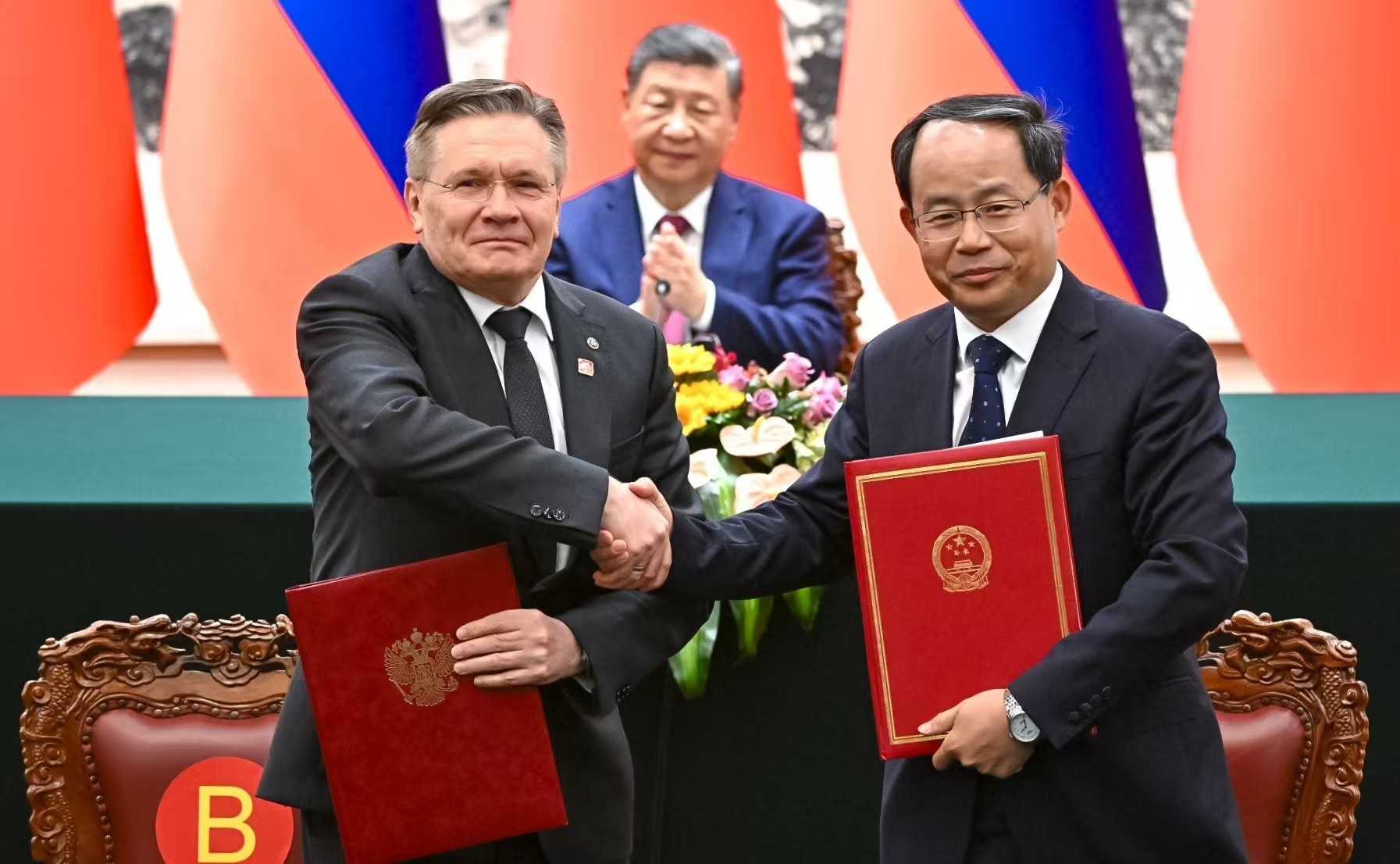
The joint statement issued after the talks says that Russia and China intend to ensure the timely completion of construction and commissioning of new units at the Tianwan and Xudabao NPPs, as well as to develop cooperation in nuclear fusion, fast reactors, and the closed nuclear fuel cycle. The statement also notes that the parties agreed to work through comprehensive arrangements concerning the front end of the nuclear fuel cycle and the joint construction of nuclear power plants.
«The point concerning joint work on the construction of nuclear power plants is particularly noteworthy. We have repeatedly noted in our materials, including in the recently published report on Rosatom in 2025, that Rosatom’s ties with China’s nuclear industry are strengthening. Given Rosatom’s and Russia’s difficult position on foreign markets due to Western sanctions pressure, financial restrictions, and the refusal of a number of Western suppliers to provide equipment, Rosatom is forced to cooperate more closely with China.
This is already happening at the Akkuyu NPP in Turkey, and supplies of Chinese equipment are also being discussed for the nuclear power plant under construction in Uzbekistan. At the same time, cooperation is taking place both on foreign projects and domestic Russian projects. China, for example, is already supplying hulls for Russian floating nuclear power plants, and in 2025 there were even rumors about the possible use of Chinese equipment, including turbines, in future large NPP construction projects in Russia.»
Dmitry Gorchakov
Nuclear advisor
On May 14, the control assembly of the first reactor unit for the Project 22220 nuclear icebreaker Leningrad was completed at ZiO-Podolsk, an enterprise of Rosatom’s mechanical engineering division.
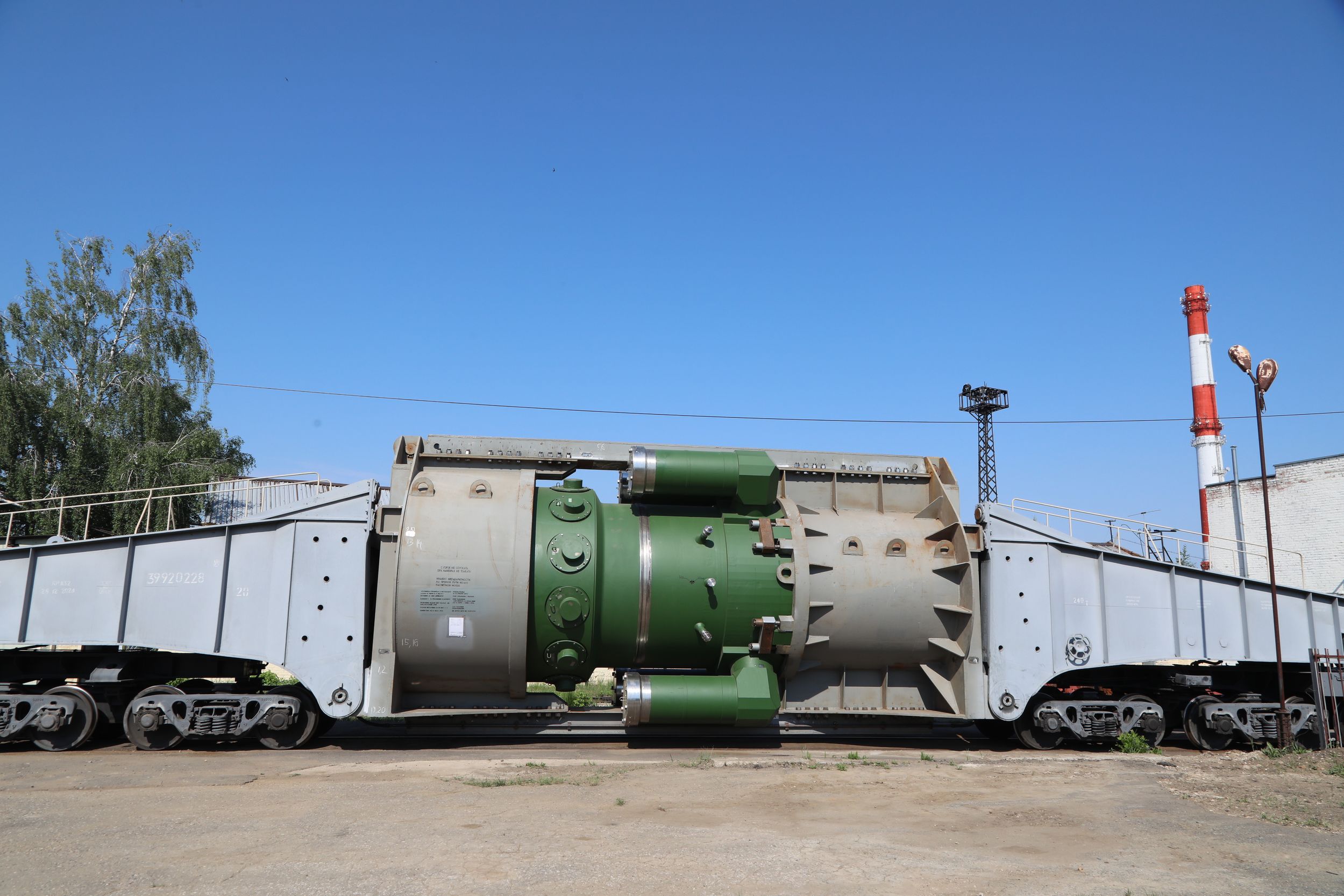
On May 27, Rosatom reported that ZiO-Podolsk had manufactured the first RITM-200S reactor unit for the lead floating nuclear power unit (FPU). The FPU hull had been delivered the previous month from China to the Baltic Shipyard in St. Petersburg.
The new reactor unit for the FPU was the 14th RITM-series reactor manufactured by Rosatom enterprises.
Another 14 RITM-200 reactor units are currently at various stages of manufacture. Seven of them are also intended for floating power units, while two are intended for the small NPP in Yakutia and two for the small NPP in Uzbekistan.
The remaining three reactor units are intended for Project 22220 nuclear icebreakers now under construction: one for the nuclear icebreaker Leningrad — at that point, the reactor unit was being prepared for hydraulic tests preceding control assembly — and two for Stalingrad.
The financing of new icebreaker construction remains one of the key issues for keeping construction on schedule.
In May, Kommersant reported that the government was discussing sources of off-budget financing for the construction of these two icebreakers, as well as a multifunctional nuclear service vessel. One option under consideration is the introduction of a port fee of $0.20 per metric ton on all export cargoes. Another option is to levy an additional $0.40–2.75 per metric ton of cargo transported along the Northern Sea Route until 2035.
In 2022, the construction cost of the fifth (Leningrad) and sixth (Stalingrad) icebreakers was estimated at 56.6 billion and 61.3 billion rubles, respectively, while the multifunctional nuclear service vessel was estimated at 24.8 billion rubles. The federal budget was expected to finance 50% of the cost, with Rosatom covering the rest. According to Kommersant, the cost of each icebreaker has now risen to 85 billion rubles.
On June 1, the Russian government, together with Rosatom, was instructed to secure financing—primarily off-budget financing—for the construction of the fifth and sixth icebreakers and the multifunctional nuclear service vessel, in order to “strictly adhere to the construction schedules for these vessels and their commissioning deadlines.” The possibility of providing state guarantees is envisaged as a means of attracting financing.
According to data from Russia’s Unified State Register of Legal Entities, since May 18, 2026, State Atomic Energy Corporation Rosatom has been the sole shareholder of JSC Kaliningrad Sea Commercial Port (KSCP).
Earlier, in December 2025, KSCP, which had previously been transferred to state ownership, came under the management of the FESCO transport group. Rosatom controls FESCO through its controlling stake in PJSC Far Eastern Shipping Company, the group’s parent company.
This followed a November 2023 decree by the Russian president, under which 92.5% stake in PJSC FESCO was transferred to Rosatom.
On May 14, Rosatom Director General Alexey Likhachev said that Rosatom had reached an agreement to build an NPP in Rwanda. He did not provide any details.
Nuclear Engineering International, in turn, reported that on May 15 Rwanda and Rosatom finalized an agreement on the construction of a nuclear power plant. The agreement sets out specific measures to be implemented by the end of 2026 as part of launching the project to establish a Center for Nuclear Science and Technology — the agreement on its construction was signed in 2020 — as well as the introduction of small modular reactor (SMR) technology, with commissioning planned for 2030–2032.
On May 19, during the second African Nuclear Energy Innovation Summit, held in Rwanda, Russia and Rwanda signed a memorandum of understanding on healthcare and nuclear medicine.
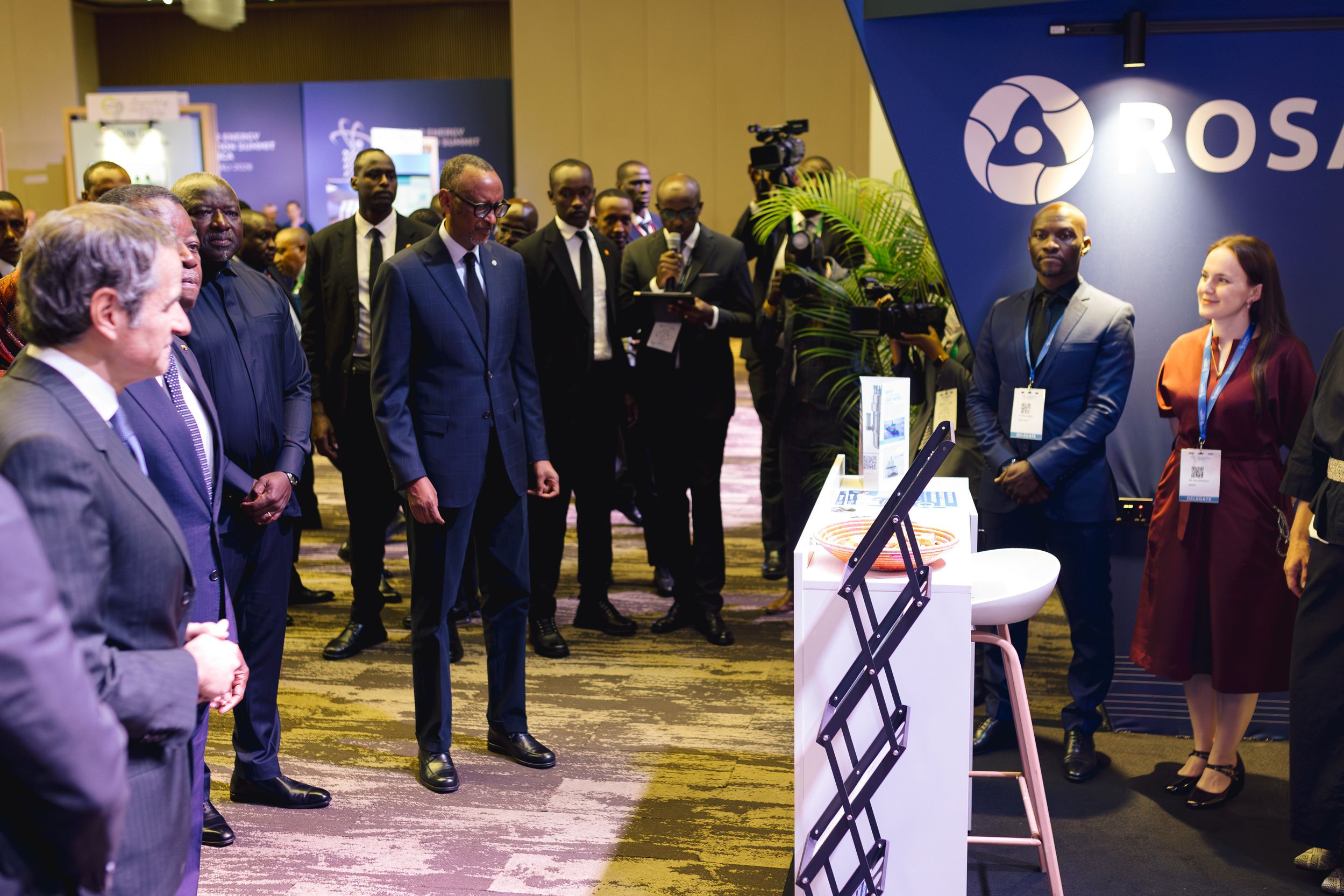
At the same time, Rwanda is expanding cooperation with other international partners in the nuclear field. At the summit on May 19, the US and Rwanda signed a memorandum of understanding concerning strategic civil nuclear cooperation. In addition, the US company Holtec International and the Rwanda Atomic Energy Board (RAEB) signed a comprehensive development agreement to advance the deployment of Holtec’s SMR-300 small modular reactor in Rwanda.
In parallel, Russia continues to expand its network of nuclear cooperation agreements with other African states. On May 19 in Moscow, Nikolay Spassky, Deputy Director General for International Relations at Rosatom, and Simeón Oyono Esono Angüe, Equatorial Guinea’s Minister of Foreign Affairs, International Cooperation and Diaspora Affairs, signed a memorandum of cooperation on civil nuclear energy.
The document provides for the establishment of specialized working groups to assess the potential for implementing practical projects in nuclear power and non-power applications of nuclear technologies. It also sets out specific steps by both sides to develop human resources in the civil nuclear sector.
As noted in Bellona’s recently published report on Rosatom’s activities in 2025, the agreements with Rwanda and Equatorial Guinea reflect Russia’s effort to expand its political presence in Africa through nuclear cooperation, although for now this remains a very long-term prospect.
According to the IAEA, at least 15 African countries plan to develop nuclear power, while around nine more are considering doing so. Rosatom has already signed agreements and memoranda on nuclear power development with most of them.
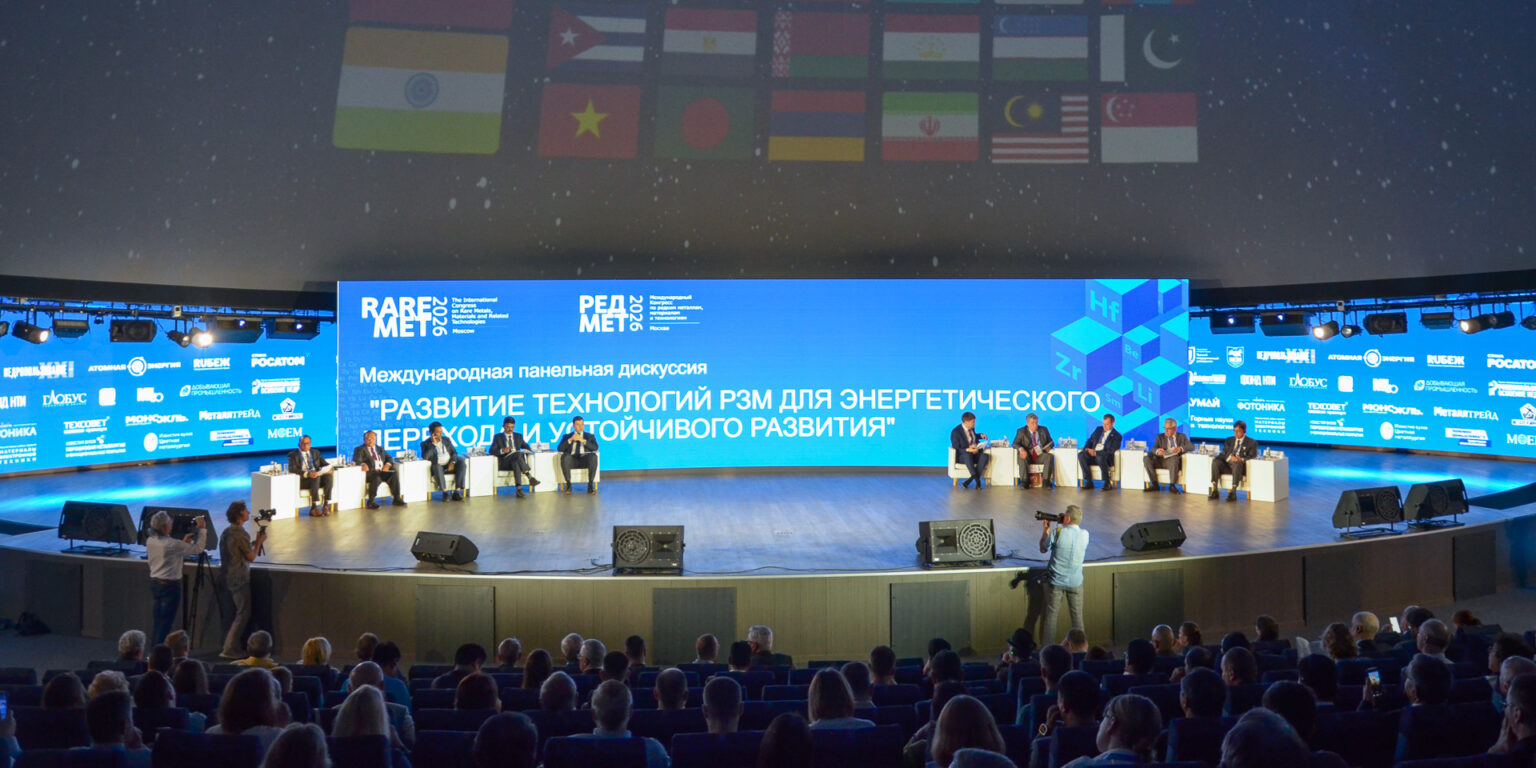
On May 20–22, Moscow hosted the International Congress on Rare Metals, Materials and Technologies, RAREMET 2026, organized by Rosatom’s Giredmet Institute. The event was attended by delegations from India, Vietnam, Indonesia, and other Global South countries.
According to Rosatom’s in-house news magazine Strana Rosatom, the discussions focused mainly on increasing production and developing deep processing of raw materials in Russia and partner countries.
The article notes that Russia holds around 10% of the world’s rare earth metal (REM) reserves, but accounts for less than 1% of global production. Up to 75% of the REMs consumed in Russia are imported.
The organizations involved aim to reduce this figure to 48% by building a full domestic technological chain, from ore mining to finished products. Rosatom has been assigned much of the responsibility for this task.
Since 2023, the corporation’s mining division has included the Solikamsk Magnesium Plant in Perm Krai and Lovozersky GOK, a loparite ore mining enterprise. Before these assets were handed over to Rosatom, the shares in both companies had been transferred from their previous owners to the state.
In addition to rare earth metals, Rosatom is developing projects involving other critical minerals, including lithium.
Polar Lithium, a joint venture between Rosatom and Nornickel that holds the rights to develop Russia’s largest lithium deposit on the Kola Peninsula, aims to become the country’s first producer of lithium-bearing raw materials. The company was added to the US sanctions list in January 2025.
Polar Lithium plans to begin construction of the mining and processing plant facilities in mid-2028 and to commission the plant in 2030, with planned production of 30,000 metric tons per year.
At the same time, Russia’s Ministry of Industry and Trade has lowered its forecast for domestic lithium demand by 2030 from 100,000 to 10,000 metric tons, reflecting the pace of development of Russia’s electric vehicle market. The downgrade in domestic demand forecasts raises questions about the economics of the Polar Lithium project. As a result, according to CEO Igor Demidov, the company is counting on export supplies and state support measures. More details on the development of Russia’s lithium market are available in an RBC article.
Rosatom is trying to develop lithium projects not only in Russia, but also abroad. In September 2024, Rosatom subsidiary Uranium One Group and Bolivia’s state-owned company YLB signed an agreement to build a lithium carbonate production plant. However, the project was never launched, as the contract was not ratified by the Bolivian government. At the end of 2025, after a new government came to power, it was stated that this and a number of other lithium contracts could be reconsidered.
Russia’s rare earth metals and lithium projects are developing against the backdrop of intensifying global competition for critical minerals. More details on Russia’s attempts to increase its presence in this market, as well as on growing competition from China and the US, are available in the Jamestown Foundation article “Russia Struggling to Compete in Rare Earths.”
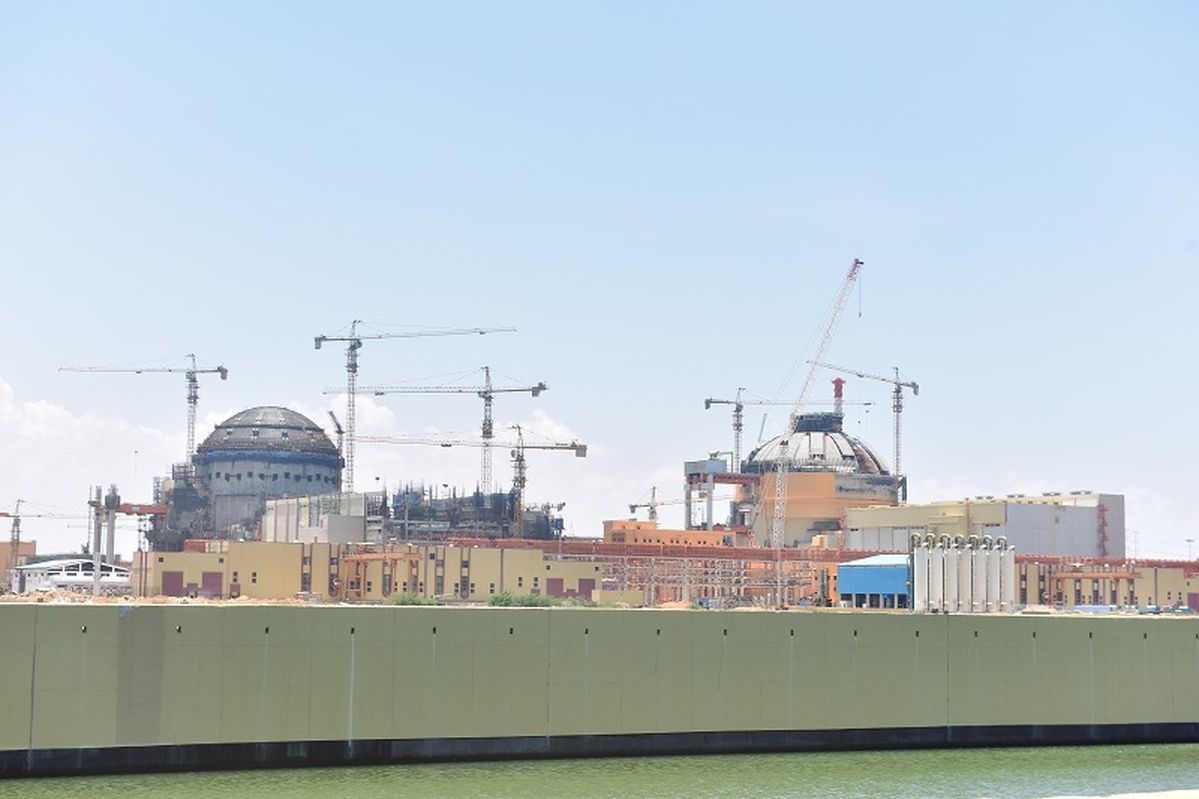
Kudankulam NPP, India. On April 30, India’s Atomic Energy Regulatory Board (AERB) issued a permit for the installation of major equipment at units 5 and 6 of the Kudankulam NPP, including the reactor pressure vessel, steam generators, and main circulation pumps.
The Kudankulam NPP consists of six power units with Russian VVER-1000 reactors. Units 1 and 2 entered commercial operation in 2014 and 2017, respectively, while construction of units 3 and 4 began in 2017. First concrete for units 5 and 6 was poured in 2021.
Akkuyu NPP, Turkey. On May 7, Akkuyu Nuclear reported that the Nuclear Regulatory Authority (NDK) of the Republic of Türkiye had granted Akkuyu Nuclear a permit to conduct commissioning tests at unit 2 of the Akkuyu NPP prior to nuclear fuel loading.
The application documents for obtaining the permit had been under review since May 2025. The Turkish nuclear regulator’s website states that decision No. 2026-13/1 was adopted on March 18, 2026.
On May 14, four hydro-accumulators for the emergency core cooling system (ECCS) for unit 3 were delivered to the cargo terminal of the plant under construction.
Bushehr NPP, Iran. On May 8, Rosatom head Alexey Likhachev said that construction of unit 2 of the Bushehr NPP, which had halted in late February after the start of military action by the US and Israel on Iranian territory, was gradually resuming.
About 2,200 employees of Iranian contractor organizations have returned to the site. In March, about 600 Russian employees were evacuated from Iran. Likhachev said they would return to the plant once the risks associated with the military conflict had been eliminated. Technical and advisory support for construction work is being provided remotely.
He also noted that Russian enterprises continue to manufacture equipment for the Bushehr NPP. The reactor being manufactured for unit 2 is 60% complete, while the steam generators are 50% complete. Casting and forging of workpieces for equipment for unit 3 are continuing.
Paks II NPP, Hungary. On May 11, Hungary’s Minister of Economy and Energy István Kapitány, who took up the post after the change of government in April, said that one of his first priorities would be to review the contracts for the Paks II project, as questions had arisen about its cost. On May 18, the head of Rosatom said he had not yet contacted Hungarian representatives on the matter.
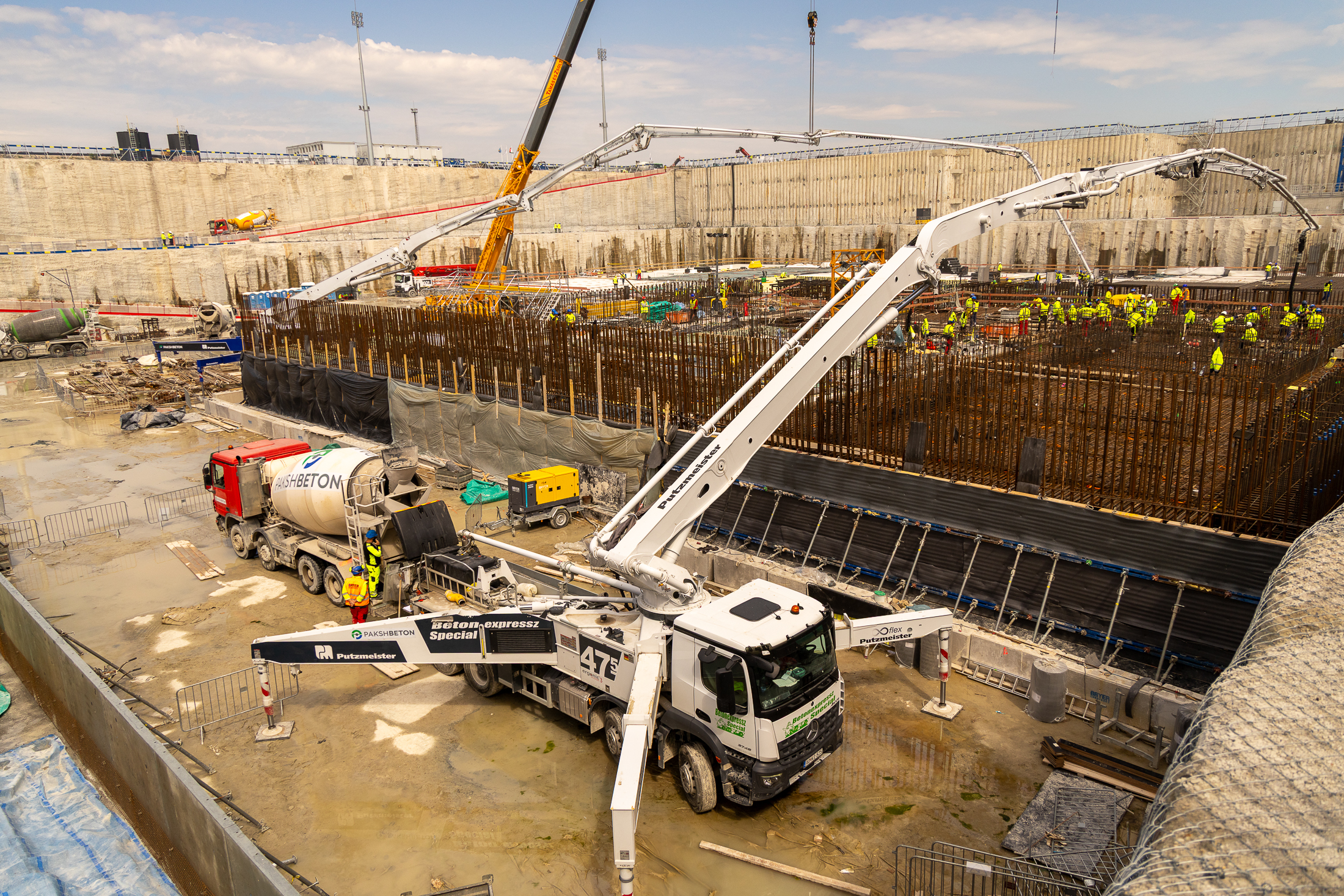
Meanwhile, on May 2, Vitaly Polyanin, project director for the construction of the Paks II NPP, said that work at the site was proceeding according to plan after first concrete was poured for the foundation slab of unit 5 on February 5.
On May 12, Likhachev said that Rosatom plans to involve Turkish companies that gained experience during the construction of the Akkuyu NPP in building the Paks II NPP. The statement was made in the context of Rosatom’s claim that at its construction sites in Belarus, Turkey, and Egypt, local companies carry out up to 40% of the work and can then apply the competencies they have acquired at other sites. Likhachev cited the work of Belarusian specialists in Bangladesh as an example. They are also involved in Egypt and at the Paks II NPP construction site.
According to Alexander Nikitin, Bellona’s Nuclear Adviser, there may be several reasons for this, including a shortage of Russian specialists who will be needed for the planned construction of Russian NPPs, as well as the search for ways to bypass sanctions restrictions.
El Dabaa NPP, Egypt. On May 5, the steam turbine condenser for unit 1, manufactured at Energyen’s plant in South Korea, was delivered to the site of the El Dabaa NPP under construction. Nuclear Engineering International notes that South Korean companies Korea Hydro & Nuclear Power (KHNP) and Doosan Enerbility are actively involved in the construction of the turbine islands and the supply of related equipment for the El Dabaa NPP.
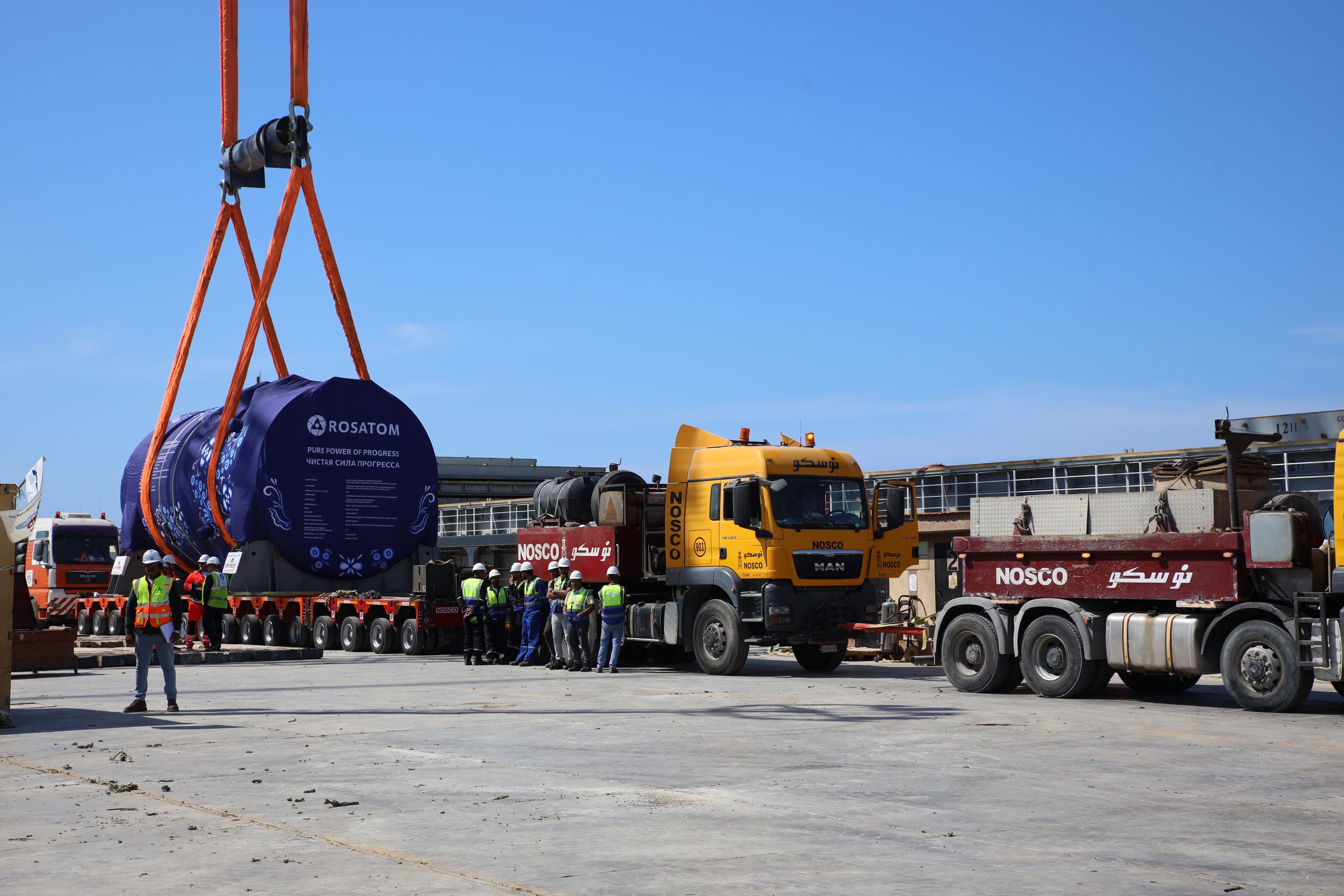
On May 22, the VVER-1200 reactor pressure vessel for unit 2, four steam generators, and the pressurizer for unit 1 were delivered to the site of the El Dabaa NPP under construction. The equipment was manufactured at the Atommash plant in Volgodonsk.
Balkhash NPP, Kazakhstan. On May 28, during the Russian president’s state visit to Kazakhstan, an intergovernmental agreement was signed on the basic principles and terms of cooperation for the Balkhash NPP construction project in Kazakhstan. The document sets out the main parameters for the construction of a two-unit NPP with VVER-1200 reactors, as well as areas of cooperation during the plant’s operation, including maintenance services and fuel supplies.
It should be noted that on May 14, the government of Kazakhstan approved a comprehensive plan for the development of production localization for the nuclear sector for 2026–2030. The document states that the current capabilities of Kazakhstan’s industrial sector are estimated at 20–22% of the volume of goods, services, and equipment needed for nuclear power. The government of Kazakhstan plans to increase this figure to 30% “by the completion of NPP construction.” This target level is also reflected in the agreement signed with Rosatom.
Kazakhstan and Russia also signed an agreement under which Kazakhstan will receive a Russian state export loan to finance construction of the NPP. Another agreement concerns a plan for interagency cooperation in nuclear and radiation safety regulation for 2026–2030.
According to Almassadam Satkaliyev, Chairman of Kazakhstan’s Atomic Energy Agency, construction of the two units will require about $14.4 billion, while another approximately $2 billion is planned for physical security systems and social infrastructure. The start of major construction work at the site is scheduled for 2027. Under the agreements with Rosatom, commissioning of the first unit is expected seven years after first concrete is poured — in 2034.
According to Rosatom, more than 90% of the engineering surveys — site studies for construction — that began in August 2025 have already been completed. Their results will make it possible to determine the exact location of the NPP, taking into account all safety requirements.
A monthly analytical review offering expert insight into key developments in nuclear policy, economics, safety, and technology related to the activities of Rosatom in Russia, Ukraine, and other countries
A monthly analytical review offering expert insight into key developments in nuclear policy, economics, safety, and technology related to the activities of Rosatom in Russia, Ukraine, and other countries
A monthly analytical review offering expert insight into key developments in nuclear policy, economics, safety, and technology related to the activities of Rosatom in Russia, Ukraine, and other countries
A monthly analytical review offering expert insight into key developments in nuclear policy, economics, safety, and technology related to the activities of Rosatom in Russia, Ukraine, and other countries