Bellona Nuclear Digest. April 2026
A monthly analytical review offering expert insight into key developments in nuclear policy, economics, safety, and technology related to the activities of Rosatom in Russia, Ukraine, and other countries
News
Publish date: 02/06/2026
News
“This is serious. Bellona has no financial reserves. Every kroner we raise goes directly into environmental work. When major disbursements from donors and government agencies are delayed, we have nothing to fall back on. We have cut costs and reduced staff. It is not enough. We now need help from everyone who believes Norway still needs an independent environmental organization,” said Bellona Managing Director Sveinung Rotevatn.
Help save Bellona by contributing here (see below for help)
Since 1986, the Bellona Foundation in Oslo has worked to advance practical environmental solutions, technological innovation, and accountability in both government and industry. The organization has been a key driving force behind Norway’s adoption of electric vehicles and the development of carbon capture and storage, and today maintains offices in Norway, Brussels, Berlin, and Vilnius.
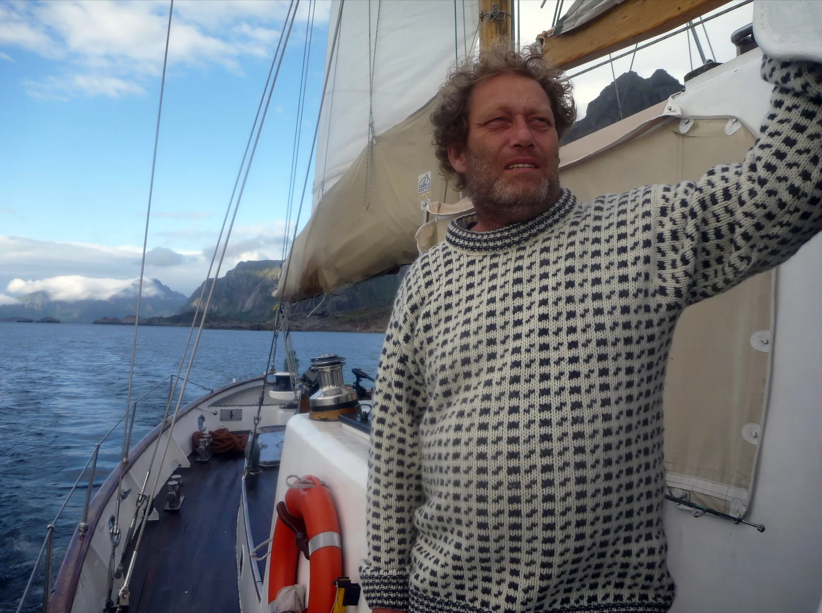
“Bellona is my life’s work. I have spent forty years building an organization that has challenged those in power, exposed environmental crime, and helped drive forward solutions. Two weeks before our 40th anniversary, I am not willing to see that work disappear without a fight,” said Bellona founder Frederic Hauge.
Hauge argues that the Bellona Foundation in Oslo will continue to play an important watchdog role in the years ahead, particularly in holding the oil and gas industry accountable during difficult economic times and in promoting ambitious new initiatives, such as large-scale restoration of Norway’s kelp forests.
“Someone also has to demonstrate that it is possible to cut emissions and make money at the same time. Otherwise, we risk losing the business community along the way. And if that happens, we will never get back to 1.5 degrees,” Hauge said.
One particularly serious aspect of the crisis concerns Bellona’s office in Vilnius. Following Russia’s full-scale invasion of Ukraine, Bellona evacuated key staff members from Russia for their own safety. If the organization is unable to secure continued operations, those employees could lose their residence permits and find themselves in a highly vulnerable situation.
Bellona is currently in dialogue with donors and government authorities while pursuing both short-term financing and longer-term solutions.
“We are not asking for sympathy. We are asking for support for work that is still urgently needed. The climate crisis has not been solved. Bellona must not disappear,” said Hauge.
Go to the donation page: https://www.spleis.no/project/500141
The fundraiser is hosted on the Norwegian crowdfunding platform Spleis.
A monthly analytical review offering expert insight into key developments in nuclear policy, economics, safety, and technology related to the activities of Rosatom in Russia, Ukraine, and other countries
A monthly analytical review offering expert insight into key developments in nuclear policy, economics, safety, and technology related to the activities of Rosatom in Russia, Ukraine, and other countries

In this news digest, we monitor events that impact the environment in the Russian Arctic
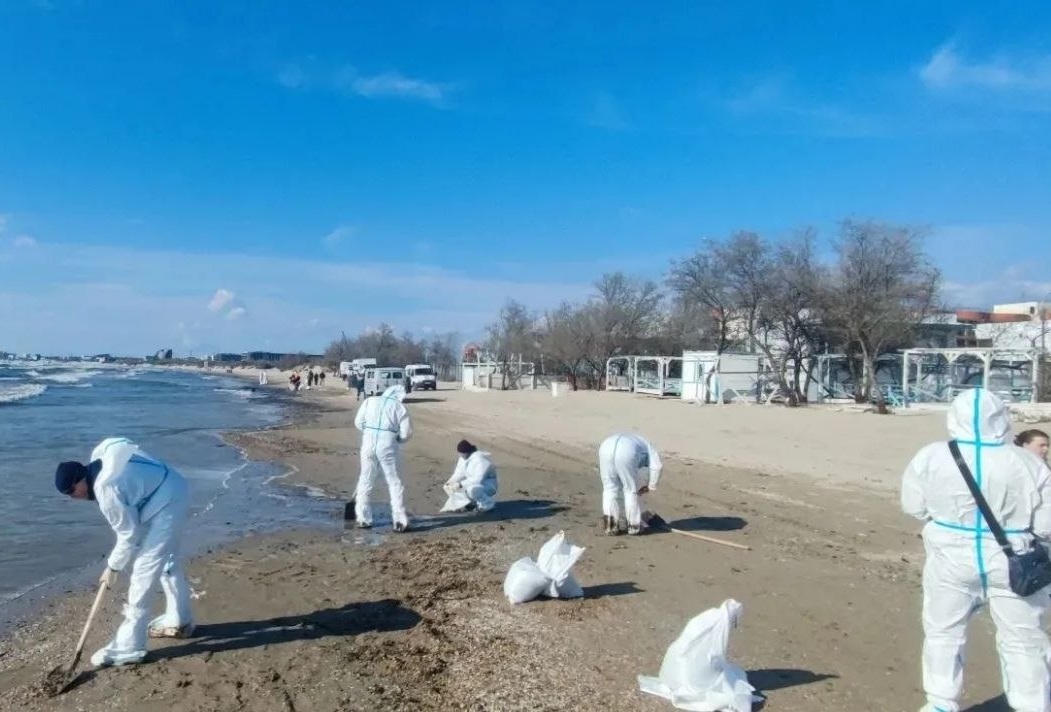
An oil spill from a 26-year-old Russian shadow fleet tanker in the Black Sea could just as easily have occurred in the Arctic. The involved tanker, the Sofia, made several transit voyages along the Northern Sea Route during summer-autumn navigation period for three years between 2022 and 2025