Monthly Highlights from the Russian Arctic, July 2026
In this news digest, we monitor events that impact the environment in the Russian Arctic
News
Publish date: 14/10/2026
News
Our focus lies in identifying the factors that contribute to pollution and climate change.
Ensuring complete and reliable access to environmental information in Russia has never been fully guaranteed. Following the Russian invasion of Ukraine on February 24, 2022, it became even more difficult. Some information ceased to be published altogether, such as daily oil production data and annual reports from certain industrial companies. Independent environmental organizations have been banned or closed.
The Arctic region plays a crucial role in comprehending the process of global climate change. Russia owns approximately one-third of its territory, including the exclusive economic zone of the Arctic Ocean. To understand and examine trends, we monitor new legislation, the plans of industry, the Northern Sea Route, international economic sanctions, accidents, and emergencies in the Russian Arctic, as well as provide commentary on the news. Subscribe to our mailing list to make sure you don’t miss the next digest.
Our previous monthly highlights for July can be found here.
NORTHERN SEA ROUTE AND SHIPPING
1. Overview of shipping on the Northern Sea Route in August
– Yamal LNG
– Arctic LNG 2
– Arctic oil projects
– Norilsk Nickel
2. Deployment of Nuclear-Powered Icebreakers in August
3. Several new container shipping routes via the NSR launched in August
4. Eco Shipping plans to build three Arc7 dry cargo vessels for year-round navigation along the NSR
THE INTERNATIONAL SITUATION IN THE ARCTIC AND SANCTIONS ON RUSSIA’S ACTIVITIES IN THE ARCTIC REGION
5. UK imposes sanctions on NOVATEK subsidiary Severny Engineering and shadow fleet LNG carrier Arctic Express
6. Russian vessel Professor Molchanov seized in Svalbard
7. Russia began importing gasoline from India via the Arctic port of Vitino in August
8. TotalEnergies completes transfer of its 10% stake in Arctic LNG 2 to NOVATEK subsidiary
9. South Korea’s Ulsan Port and Korea Ocean Business Corporation reach agreement with Dutch company Royal Wagenborg on developing Arctic shipping routes
HEIGHTENED INDUSTRIAL ACTIVITY IN THE RUSSIAN ARCTIC
10. Large-scale construction work observed at the Murmansk LNG site in 2026
11. Nenets Autonomous Okrug Governor Irina Gekht reports that oil production is set to begin at the Layavozhskoye and Komandirshorskoye fields by year-end
ENVIRONMENTAL AND CLIMATE ISSUES IN THE ARCTIC
12. Large-scale wildfires continued on the Yamal Peninsula, with fires also reported in other Arctic regions
ACCIDENTS AND INCIDENTS IN THE RUSSIAN ARCTIC
13. Petroleum product pollution was detected in Kola Bay near Murmansk
In August, difficult ice conditions were observed in the waters of the Northern Sea Route. Very close pack ice persisted in the Kara Sea on the approaches to the Vilkitsky Strait, as well as in the Laptev Sea north of the Taymyr Peninsula.
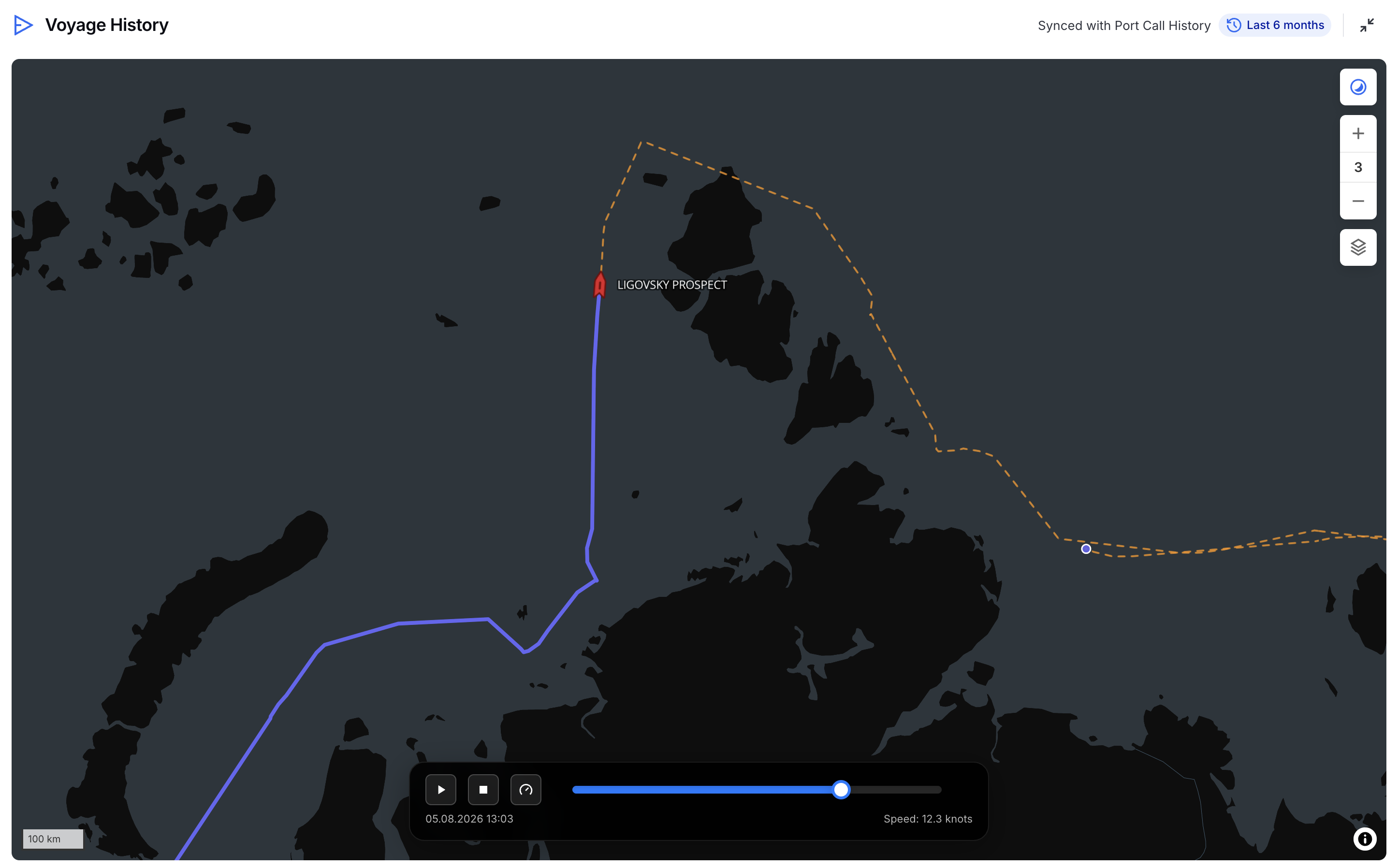
Due to ice conditions in the Vilkitsky Strait, on August 7, a group of at least 15 vessels was forced to sail eastward around Severnaya Zemlya via a high-latitude route, which was 1,000 km longer than the usual route. Some of the tankers had a low ice class or no ice class at all. At least nine of the vessels were oil tankers.
According to Reuters, by August 11, seven shipments of Russian oil totaling approximately 6 million barrels were already en route to Asia via the Northern Sea Route. This amounted to nearly half of the approximately 13 million barrels transported via the NSR during the entire 2025 navigation season. China remained the main destination for these shipments.
By the end of August, much of the route had become ice-free. However, areas of close pack ice persisted near Severnaya Zemlya, the Nordenskiöld Archipelago, and the Vilkitsky Strait.
Another atypical voyage in August was that of the LNG carrier Portovy, carrying LNG from Gazprom’s Portovaya LNG facility in Leningrad Oblast. The vessel, built in 2003 and lacking an ice class, normally remains near the facility and serves as floating storage. On August 18, it left the Gulf of Finland and headed for Asia via the NSR. It was escorted for part of the voyage by the Northern Fleet frigate Admiral Kasatonov.
Such a route for LNG shipments from Portovaya via the NSR is not unique in itself. Seasonal voyages are becoming common practice: vessels that operate at Russian facilities for most of the year make occasional voyages along the Northern Sea Route during the summer–autumn navigation season. For example, the oil tanker Shturman Ovtsyn, which normally operates on the Mys Kamenny–Murmansk route, headed to China in August. Similarly, the LNG carrier Clean Vision, which regularly makes voyages to Europe, also sailed to China via the NSR in August.
Cargo traffic along the Northern Sea Route in August consisted of shipments from the Yamal LNG and Arctic LNG 2 projects, oil exports from the Varandey, Prirazlomnoye and Novoportovskoye fields, as well as maritime shipments by Norilsk Nickel.
In August, 15 LNG carrier voyages were recorded from the Sabetta terminal. Nine voyages were made by Arc7 ice-class LNG carriers, two by Arc4 vessels, and another four by three LNG carriers with no ice class.
Eight voyages were made along the Northern Sea Route to Asia, while another seven were made to European ports. The vessels sailing eastward included Eduard Toll, Rudolf Samoylovich, Georgiy Ushakov, Yakov Gakkel, Boris Vilkitsky, and Fedor Litke, as well as the Arc4 LNG carriers Clean Vision and Clean Planet. Six of these vessels headed to China, while Boris Vilkitsky and Fedor Litke headed to South Korea.
Unlike in July, when the Arc4 ice-class LNG carriers Clean Vision and Clean Planet sailed from Sabetta to Europe, in August they headed eastward.
The LNG carriers LNG Phecda, LNG Dubhe, and LNG Megrez, none of which have an ice class, operated direct shipments from Sabetta. They completed four voyages to the Netherlands, Portugal, and France.
Maintenance work on Arc7 LNG carriers continued at the Danish Fayard shipyard. The vessel Georgiy Brusilov, which arrived there on July 23, left the shipyard on August 10. At the end of the month, Boris Davydov also departed for the shipyard for maintenance. On August 16, it departed from Sabetta with a cargo of LNG, delivered it to Dunkirk, France, and arrived on August 29 at the Danish port of Lindø, where the Fayard shipyard is located. It became the third Arc7 LNG carrier to undergo maintenance at Fayard in the summer of 2026, following Rudolf Samoylovich and Georgiy Brusilov.
In August, nine LNG shipments were recorded at the Arctic LNG 2 plant, with another two shipments made via floating storage facilities near Murmansk and Kamchatka. Some cargoes were transported to Asia via the NSR, while others were routed around the Cape of Good Hope.
In August, the Arc7 ice-class LNG carrier Konstantin Posiet, commissioned in June 2026, began operating as part of the project. On August 30, the tanker loaded LNG for the first time and headed via the NSR to the Koryak FSU off Kamchatka.
In August, the tankers Avacha and Chaivo, whose preparations for service were reported in July, also began operating as part of the project for the first time. Avacha loaded LNG at Arctic LNG 2 on August 20 and headed toward Asia via the Cape of Good Hope, while Chaivo loaded LNG at the Koryak FSU on August 15 and delivered the cargo to China.
Buran made two voyages, first delivering a shipment of LNG to the Saam FSU near Murmansk and then transporting a cargo via the NSR to the Koryak FSU off Kamchatka. The LNG carrier Voskhod followed the same pattern in August. Another shipment was delivered to the Koryak FSU by the LNG carrier Zarya. After loading at Arctic LNG 2, Kosmos headed around the Cape of Good Hope. Christophe de Margerie headed to China via the NSR after loading. Orion loaded LNG at the Saam FSU before heading to China via the Cape of Good Hope. Another shipment was loaded onto Chaivo at the Koryak FSU and was also delivered to China.
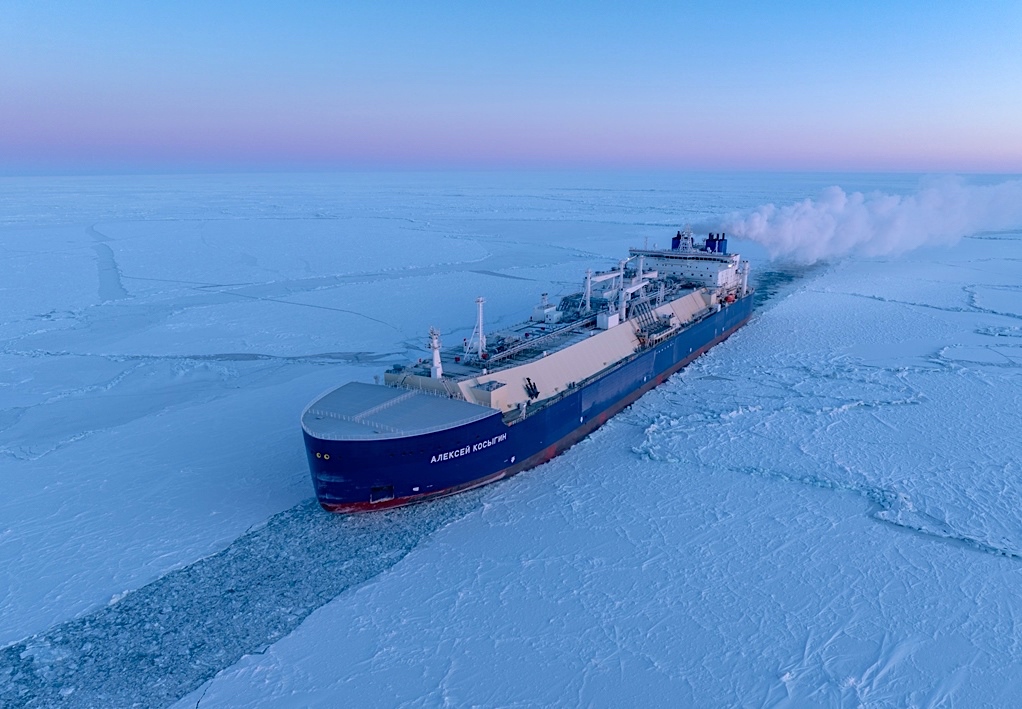
After delivering its July cargo to China, the Arc7 LNG carrier Alexey Kosygin arrived near the Chinese Jinhai ship repair yard and remained there throughout the second half of August. gCaptain reported that the vessel might be awaiting repairs and could have sustained damage while navigating through ice. However, there was no official confirmation of these reports. Alexey Kosygin remained near the shipyard in September.
In August, eight voyages were made from the Varandey terminal (Lukoil). Oil was transported by two Arc6 ice-class shuttle tankers, Vasily Dinkov and Timofey Guzhenko, each completing four voyages.
Kapitan Gotsky, the third tanker serving the project, was not involved in transportation operations in August, possibly due to repair work. On August 11, the vessel arrived at Kanonersky Island in St. Petersburg, where a ship repair yard is located. According to the Russian Maritime Register of Shipping, the vessel was undergoing a survey. It had also previously been ordered to carry out a complete repair of damaged hull structures in ballast tank No. 3.
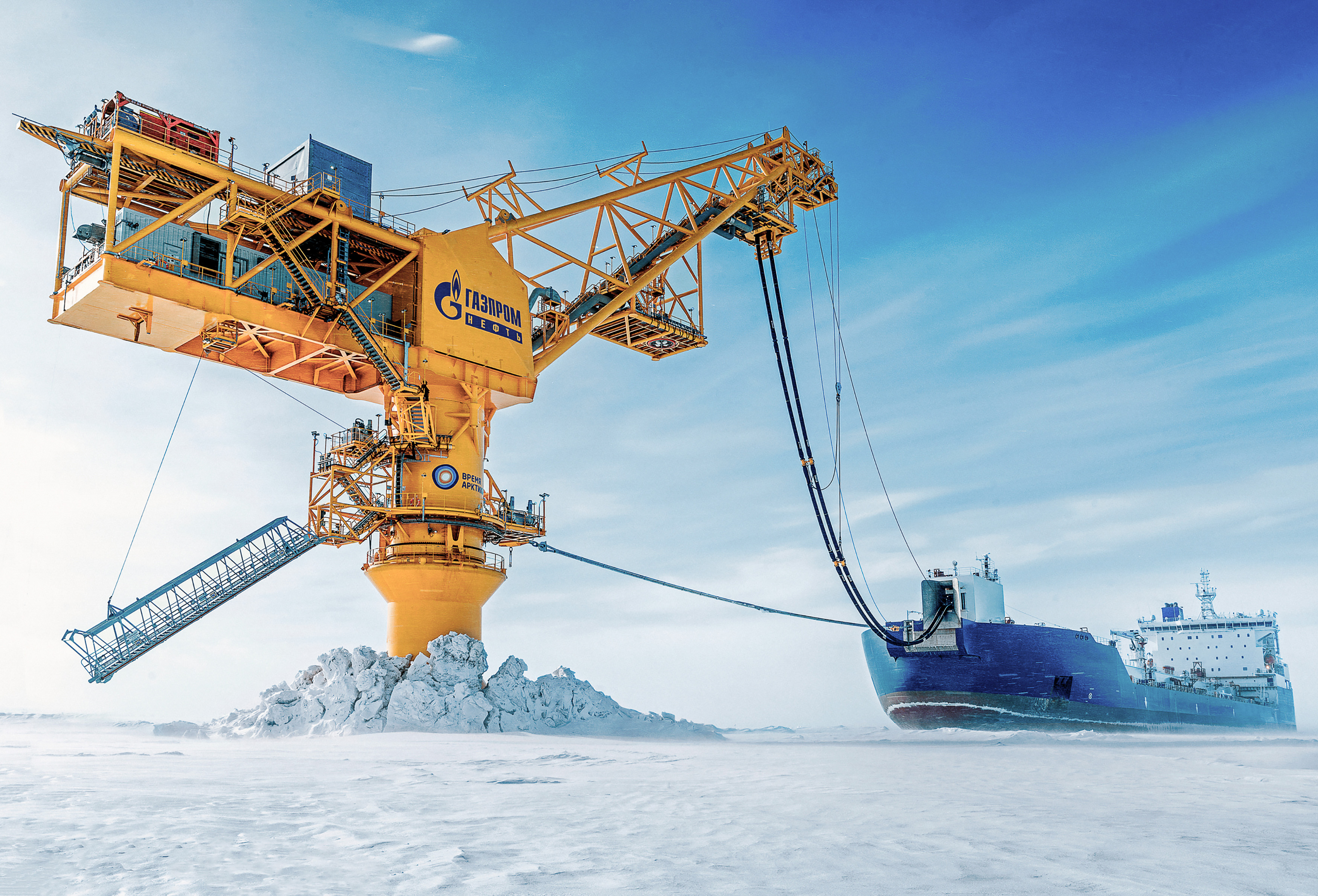
In August, only one oil shipment was recorded from the Prirazlomnaya platform (Gazprom Neft), carried aboard the tanker Kirill Lavrov, compared with five shipments in each of June and July. The decline may have been related to scheduled maintenance work. In previous years, operations at the Prirazlomnaya platform were repeatedly suspended for repairs and maintenance in August.
In August, the tankers Shturman Malygin, Shturman Skuratov, Shturman Shcherbinin, Shturman Koshelev, and Mikhail Lazarev made a total of 13 voyages from the Novoportovskoye field (Gazprom Neft).
Shturman Albanov, which arrived at the Kanonersky ship repair yard in St. Petersburg in July, was not involved in transportation operations throughout August. After completing voyages from the Novoportovskoye field to Murmansk, two other tankers, Shturman Ovtsyn and Shturman Skuratov, headed via the NSR to Zhoushan, one of China’s largest ship repair hubs, instead of returning to the field.
In August, seven port calls by vessels serving the mining and metals company Norilsk Nickel were recorded at the port of Dudinka. Six of these calls involved vessels from the company’s own fleet: Talnakh and Norilsk Nickel each called at the port twice, while Nadezhda and Monchegorsk made one call each. The remaining call was made by Tambey, operated by the shipping company Severny Proekt.
The Arctic tanker Yenisey, which specializes in transporting petroleum products to meet the needs of the Norilsk industrial region, made one voyage from Arkhangelsk to Dudinka.
In August, nuclear-powered icebreakers escorted vessels along the Northern Sea Route and participated in high-latitude operations, while some icebreakers remained in Murmansk.
From approximately August 7 to 20, the nuclear-powered icebreaker Arktika operated off the eastern coast of the Severnaya Zemlya archipelago, in the western part of the Laptev Sea. It then headed east and reached the eastern sector of the NSR by the end of the month. In September, Arktika continued operating in the Chukchi Sea area.
Around August 7, Sibir and Yakutiya were in the Laptev Sea, where they met a group of oil tankers, including Dynasty, Viktor Bakayev, Vostochny Prospekt, Liteyny Prospekt, Ligovsky Prospekt, and Jagger. The tankers were heading east along a high-latitude route north of the Severnaya Zemlya archipelago. On August 8, both icebreakers turned west, rounded Severnaya Zemlya to the north, and headed for Murmansk.

Ural escorted vessels in the Chukchi Sea until August 24. In particular, it escorted the tanker group described above toward the Bering Strait.
The nuclear-powered icebreaker Vaygach remained in Murmansk throughout August. Taymyr and Yamal also most likely spent the entire month in Murmansk, although their AIS signals were intermittently unavailable.
In August, the nuclear-powered icebreaker 50 Let Pobedy made two high-latitude voyages to the North Pole. From August 4 to 13, it hosted Rosatom’s seventh international scientific and educational expedition, “Icebreaker of Knowledge,” along the Murmansk–North Pole–Franz Josef Land–Murmansk route. In the second half of the month, the icebreaker made another ten-day voyage to the North Pole as part of the “Leaders of Russia. Team” event for heads of federal and regional government agencies and executives from leading Russian companies.
China’s Sea Legend launched the China–Europe Arctic Express, a seasonal shipping service connecting China and Northern Europe. On August 15, the container ship Dubai Tower departed from Ningbo, called at Shanghai, Taicang, and Qingdao, and on August 19 set sail from Qingdao via the Northern Sea Route. Having apparently transited the NSR without icebreaker assistance, the vessel arrived at Teesport, UK, on September 9.
The company planned eight voyages for the 2026 navigation season, from August 15 to October 3, but departures began to fall behind the original schedule. According to the published schedule, three container ships were due to depart from Ningbo in August, on August 15, 22, and 29. The first vessel, Dubai Tower, departed as scheduled, but the next vessel, Riyadh Mukaab, departed on August 26 instead of August 22, while Athens Odeon departed on September 8 instead of August 29.
In August, NewNew Shipping completed a pilot voyage on a new container shipping route from China to Murmansk via the NSR. On August 19, the vessel Xin Xin Hai 1 arrived in Murmansk carrying 502 containers, primarily with automotive components. During the voyage, it was escorted by the icebreakers Ural and Arktika.
On August 24, NewNew Shipping’s second vessel, Xin Xin Hai 2, departed from China for Arkhangelsk as part of the regular shipping service announced by the company. The company planned to operate 12 such voyages in 2026.
On August 22, PanStar Acro departed from Busan undertaking South Korea’s first pilot container shipping voyage to Europe via the NSR. The vessel carried commercial cargo, including chemical products, used vehicles, and automotive components. PanStar Acro entered the waters of the NSR on August 30 and transited the route without icebreaker assistance. The voyage was supported by the South Korean government to assess the technical and economic feasibility of establishing regular container shipping services between Asia and Europe via the Arctic.
On August 28, the Murmansk Oblast government and the Eco Shipping Group signed an agreement of intent to implement an investment project worth more than 13 billion rubles. The project involves the construction of three Arc7 ice-class dry cargo vessels for year-round navigation along the Northern Sea Route and cargo deliveries to remote Arctic ports. Murmansk will be the new vessels’ port of registry.
The project is planned to be implemented from September 2026 through 2029. The shipyard where the vessels will be built has not yet been announced.
On September 1, during the Eastern Economic Forum, the Far East and Arctic Development Corporation and Arctic Invest Shipping JSC, part of the Eco Shipping Group’s maritime division, signed an agreement to support the project. The company was granted resident status in the Russian Arctic Zone to implement the project to acquire Arc7 ice-class dry cargo vessels.
«Two key issues that characterized shipping along the NSR in August were difficult and unpredictable ice conditions, even during the summer months, and a clear shortage of ice-class vessels for transporting oil and LNG. In late July and early August, one of the NSR’s bottlenecks, the Vilkitsky Strait, became impassable for vessels with a low ice class or no ice class at all. Even the efforts of two nuclear-powered icebreakers attempting to clear a passage through the strait did not help.
A large group of shadow fleet tankers with a low ice class or no ice class at all entered the NSR at the very beginning of the summer–autumn navigation season, likely intending to complete two voyages carrying cargo to Asia via the route instead of just one, as in previous years. However, due to difficulties transiting the strait, some of the tankers were stuck in the Kara Sea for about two weeks, which will most likely prevent them from completing a second voyage to deliver cargo.
The increase in the number of shadow fleet tankers with a low ice class operating along the NSR this navigation season was predictable, given the difficulties in shipping oil from Russian Baltic and Black Sea ports as a result of successful Ukrainian attacks on oil terminals and tankers. Russia seeks to make maximum use of the Arctic route, which is entirely under its control, to transport oil and LNG to buyers in Asia, primarily China, who are willing to purchase Russian energy resources despite Western sanctions.
The higher number of low ice-class tankers compared with the previous year, along with the deployment of tankers that regularly serve Russian resource extraction facilities on routes to Asia that are unusual for them, illustrates the shortage of specialized vessels needed to support shipments in this direction. Russia has been unable to address this shortage in the short time since international sanctions were introduced and is unlikely to resolve it in the near future.»
On August 6, the UK imposed new sanctions against Russia, targeting, among other things, the country’s oil and gas revenues and shadow fleet.
Six vessels were sanctioned, including the LNG carrier Arctic Express (IMO 9333591), which began carrying LNG cargoes from the Arctic LNG 2 plant in late June. The vessel was previously named Queen Cassiopeia and sailed under the flag of Sierra Leone. In 2026, it was renamed and reflagged under the Russian flag.
The Indian company Frion Ship Management LLP was also placed under UK sanctions. In its official notice, the UK states that it suspects the company of facilitating the sale of Arctic Express into Russian ownership.
Northern Engineering LLC was also added to the sanctions list. The company was established by NOVATEK in March 2026 and is wholly owned by NOVATEK. Its principal business activity is the construction of ships and floating structures. The head of the company, Ilya Lushchikov, also leads the Murmansk LNG project.
On August 31, a Norwegian District Court granted a request by Ukraine’s Naftogaz Group to seize the Russian vessel Professor Molchanov. On September 2, the Governor of Svalbard, acting as the enforcement authority, carried out the court’s decision. The vessel, which was in Barentsburg, must remain there until a further decision is issued by the court or the Governor. At the time this digest was published, Professor Molchanov remained in Barentsburg, Svalbard.
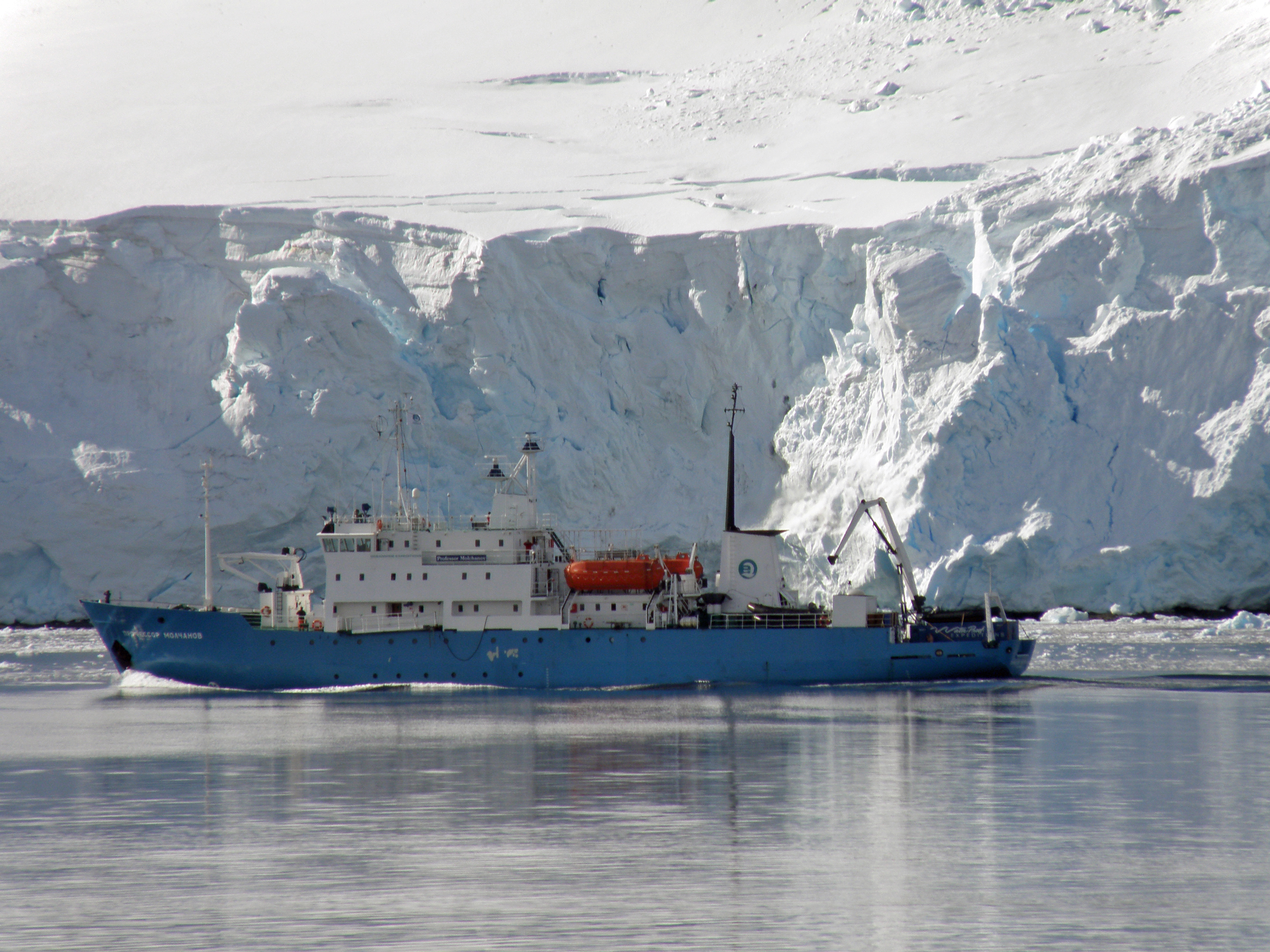
The seizure was carried out as part of the enforcement of an arbitral award concerning Naftogaz assets expropriated by Russia in Crimea following its annexation in 2014. Under the award, Russia is required to pay Naftogaz $5 billion in compensation for losses resulting from the seizure of the Naftogaz Group’s assets in the Autonomous Republic of Crimea in 2014.
Starting in June 2025, Professor Molchanov was used for direct passenger-and-cargo service between Murmansk and Russian settlements on Svalbard. The vessel transported employees of Arktikugol and other Russian organizations, their relatives, researchers, and tourists. It also transported supplies, including food, to Barentsburg and Pyramiden. In 2025, the vessel completed five such voyages, while ten round-trip voyages were planned for 2026.
Reuters reported that Russia had begun importing gasoline from India amid fuel shortages. In early August, a shipment of approximately 68,000 metric tons of gasoline produced at India’s Nayara Energy refinery was delivered to Vitino. At the port, the fuel is transferred to the railway and transported to domestic consumers in Russia.
CREA notes that Russia, formerly the world’s largest exporter of refined petroleum products, now faces additional logistical costs and higher prices for products it previously produced domestically. According to CREA, India supplied Russia with a total of 120,000 metric tons of gasoline in August, accounting for 94% of Russia’s gasoline imports.
This type of operation is unusual for Vitino. Before 2014, the terminal was used primarily to export crude oil and petroleum products, which were delivered to the port by rail and loaded onto tankers. The transshipment of petroleum products then ceased, and the port remained virtually inactive for many years. Operations resumed in late June 2025.
On August 27, France’s TotalEnergies completed the transfer of its 10% stake in the Arctic LNG 2 project to NordLine, a NOVATEK subsidiary. Following the transaction, TotalEnergies is no longer a shareholder in the project. NordLine was established by NOVATEK in May 2026.
TotalEnergies retained the right to recover approximately $1.3 billion in shareholder loans from Arctic LNG 2. According to company representatives, the loans may be repaid in the future, subject to existing sanctions.
The transaction became possible following an order signed by the Russian president in early June.
However, this exit does not mean that TotalEnergies has completely severed its ties with Russia. The company continues to hold a 20% stake in Yamal LNG and a 19.4% stake in NOVATEK.
On August 5, the Ulsan Port Authority and Korea Ocean Business Corporation signed a memorandum of understanding with Dutch shipping company Royal Wagenborg to develop Arctic shipping routes. Royal Wagenborg has extensive experience in commercial shipping through the Northwest Passage, a route along the Arctic coast of North America. By 2025, the company had completed 48 commercial cargo voyages along this route.
The agreement provides for an increase in port calls at Ulsan by vessels operating on Arctic routes, the development of environmentally friendly fuel bunkering services for these vessels, the exchange of Arctic shipping expertise, the preparation of guidelines, the study of cargo flows between South Korea and the east coast of North America, and cooperation on the provision of ice-class vessels.
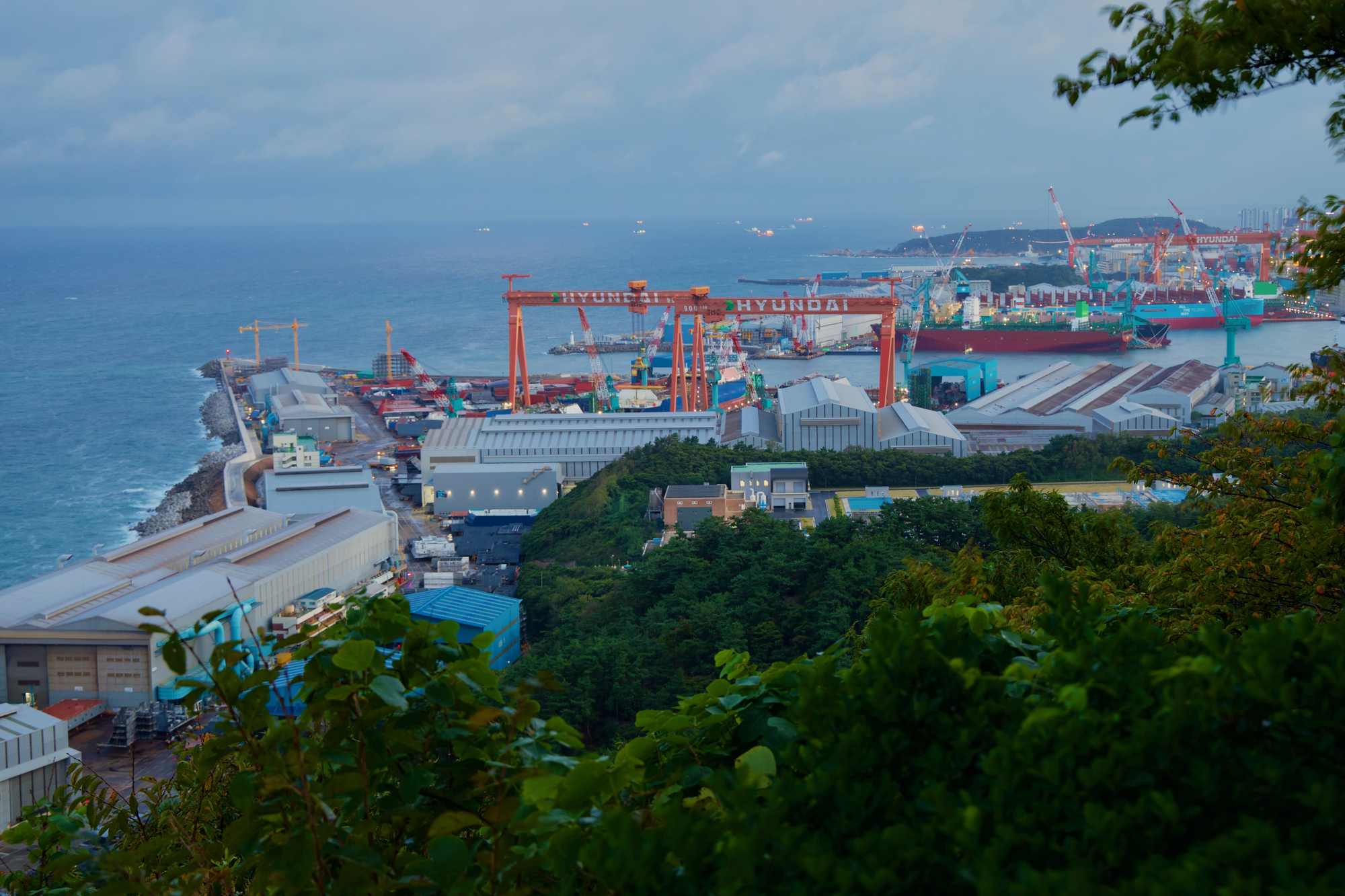
By the end of the year, the parties plan to accommodate up to four vessels operating on Arctic routes at Ulsan, provide them with fuel, and handle their cargoes. Korea Ocean Business Corporation also plans to prepare a report on Arctic shipping.
Ulsan already has experience servicing vessels operating on Arctic routes. Over the past ten years, such vessels have made 18 calls at the port: five after transiting the Northern Sea Route and 13 after transiting the Northwest Passage.
Meanwhile, South Korea’s Ministry of Oceans and Fisheries announced a tender for a study on the prospects for using the Northeast Passage. The study will analyze companies’ readiness to use Arctic routes, assess the shipping cost premium they would find acceptable in exchange for shorter transit times and distances, and develop measures to attract cargo and establish logistics connections with Northern European ports.
«As a result of the ongoing war and international sanctions, Russia is making increasing use of Arctic ports and the NSR to transport energy resources not only for export but also for import. This development points both to a growing risk of oil spills in the environmentally sensitive Arctic region and to the fact that sanctions and successful Ukrainian strikes on oil terminals at non-Arctic ports are forcing Russia to use unconventional, more expensive logistics routes that are entirely under Russian control and are the farthest from Ukraine. This means that future sanctions measures should focus on restricting Arctic shipping, including secondary sanctions against buyers of Russian Arctic energy resources.»
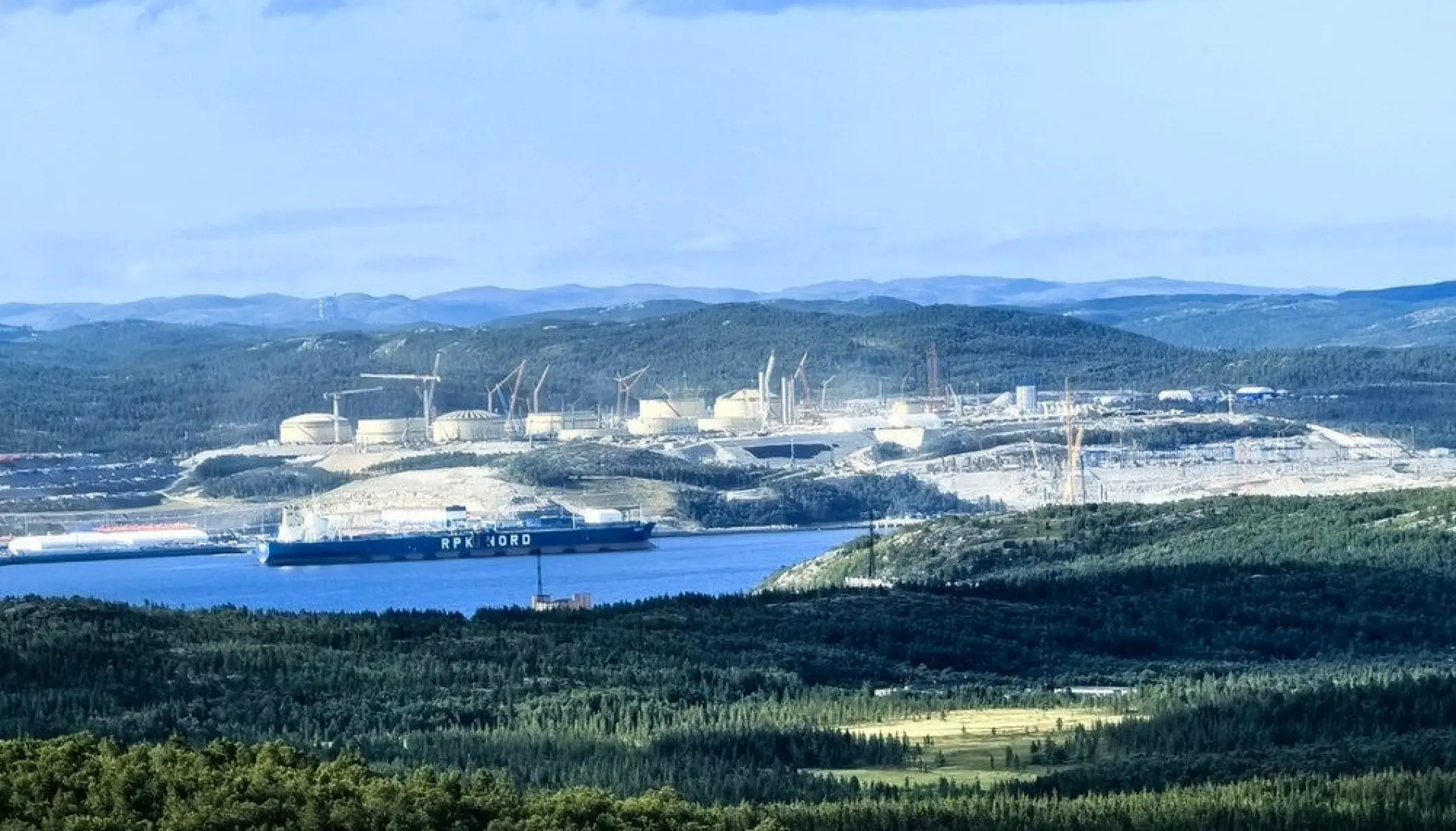
Satellite images show that the Murmansk LNG construction site covers approximately 1 km² and includes at least 15 storage tanks. In addition, a new terminal facility is under construction on the shore of Kola Bay.
Most of the construction work has been carried out over the past year.
Murmansk LNG is a natural gas liquefaction plant located near the village of Belokamenka, 10 km from Murmansk, based on the infrastructure of the Center for the Construction of Large-Tonnage Offshore Structures (CSCMS). Both facilities are owned by NOVATEK.
In 2023, NOVATEK CEO Leonid Mikhelson confirmed plans to build the plant. According to Mikhelson, the facility would have three liquefaction trains with a capacity of 6.8 million metric tons per year each, for a total capacity of 20.4 million metric tons per year. The first two trains were originally scheduled to be commissioned in 2027 and 2029, but sanctions against NOVATEK have led to serious delays and changes to its projects, including Murmansk LNG.
In addition, the 1,253 km pipeline between Volkhov and Belokamenka, which is intended to supply natural gas to Murmansk LNG for liquefaction, has not yet been completed. Gazprom began constructing the pipeline in 2025, and it is expected to be commissioned in 2030 or 2031.
According to Mikhelson, the natural gas is expected to come from NOVATEK’s fields on the Gydan Peninsula, although it could also be supplied from other sources connected to the pipeline. The expected economic benefit of transporting gas by pipeline over a distance of more than 3,500 km is explained by the fact that exporting LNG from the Belokamenka plant does not require high ice-class Arc7 LNG carriers, unlike exports from the Yamal LNG and Arctic LNG 2 plants.
Development of the Layavozhskoye field is part of a joint project by Gazprom and Lukoil to develop the Layavozhskoye and Vaneyvisskoye oil and gas condensate fields in the Nenets Autonomous Okrug. The corresponding agreement was signed in late 2020.
The fields are located 47–80 km east and northeast of the regional capital, Naryan-Mar. Estimated and inferred oil reserves amount to 9.8 million metric tons at Layavozhskoye and 6.5 million metric tons at Vaneyvisskoye, while gas reserves stand at 140.1 billion cubic meters and 85.2 billion cubic meters, respectively.
Pilot oil production is planned to begin by the end of 2026, while gas production is expected to start by around 2030.
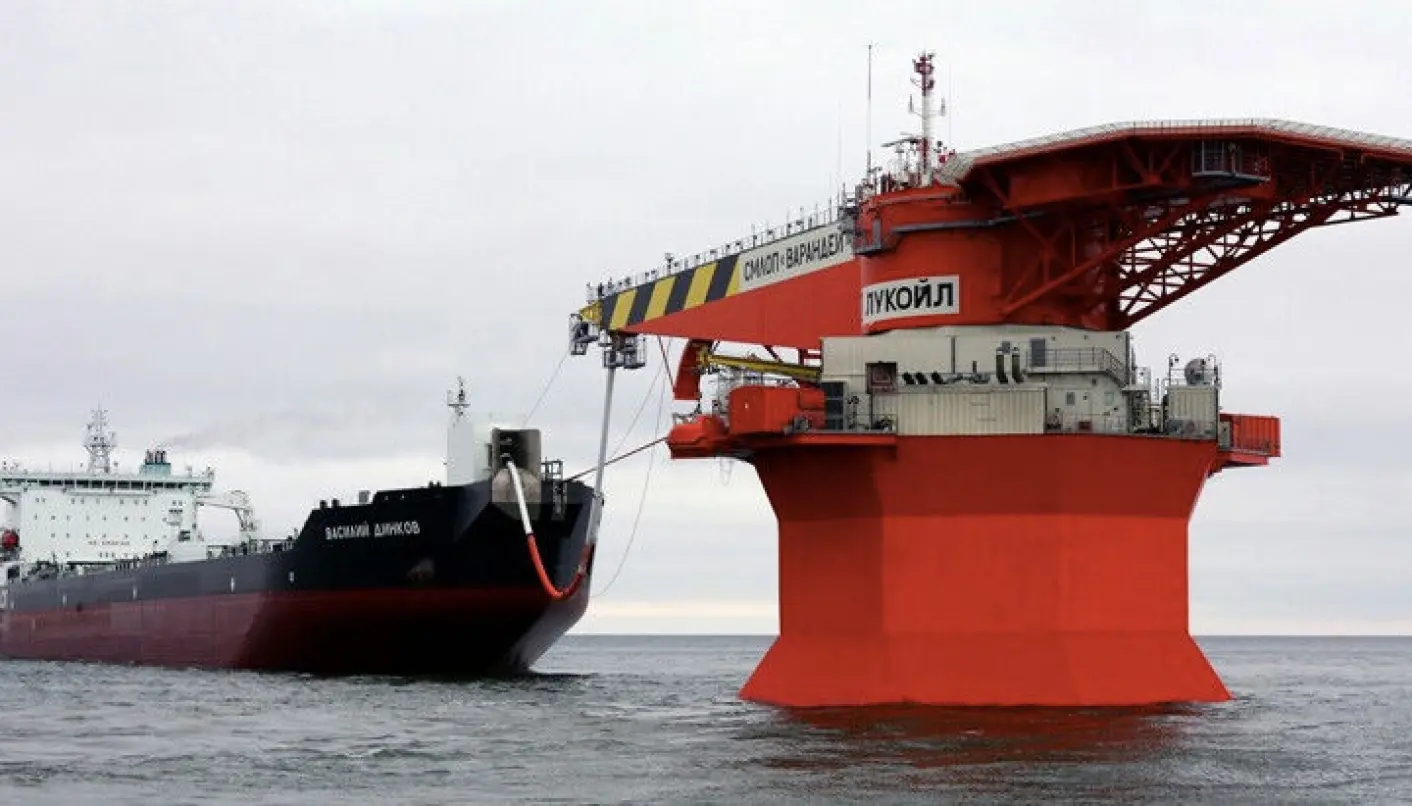
Another field mentioned by Irina Gekht as being close to the start of oil production, Komandirshorskoye, is located 125 km east-southeast of Naryan-Mar, approximately 40–45 km north of the Arctic Circle. Commercial rather than pilot oil production has already been announced at Komandirshorskoye. Lukoil began commercial production there on September 9.
Lukoil is developing the field as part of a large-scale project. The first phase involves oil production from the Komandirshorskoye group of fields, whose initial recoverable oil reserves are estimated at 11 million metric tons. The group also includes the Severo-Komandirshorskoye and Zapadno-Komandirshorskoye fields. The next phase of the project will involve developing the fields of the Simbeysko-Mishvanskoye group.
Oil produced under the project will be transported by pipeline to the Varandey terminal on the coast of the Pechora Sea, where it will be loaded onto tankers. A similar arrangement is planned for the development of the Layavozhskoye and Vaneyvisskoye fields.
«Construction of Murmansk LNG amid sanctions and additional logistics costs associated with gas transportation can only be justified if Russia has already reached an agreement with a potential buyer. The most likely buyer is China, which began actively purchasing LNG from another sanctioned plant, Arctic LNG 2, this year.
After 2027, Europe will completely stop importing Russian LNG. This means that China will have another Russian plant from which it can purchase LNG, Yamal LNG, in addition to the two mentioned above. Whether China will need such large volumes of Russian LNG requires a separate analysis.»
August saw a significant increase in the area affected by wildfires in the Yamalo-Nenets Autonomous Okrug. As of the morning of August 27, the affected area exceeded 437,000 hectares. By August 31, it had decreased to 292,122 hectares, but the fires had still not been fully extinguished the following month. As of September 28, 2026, eight forest fires were still burning across three districts of Yamal, covering 3,700 hectares.
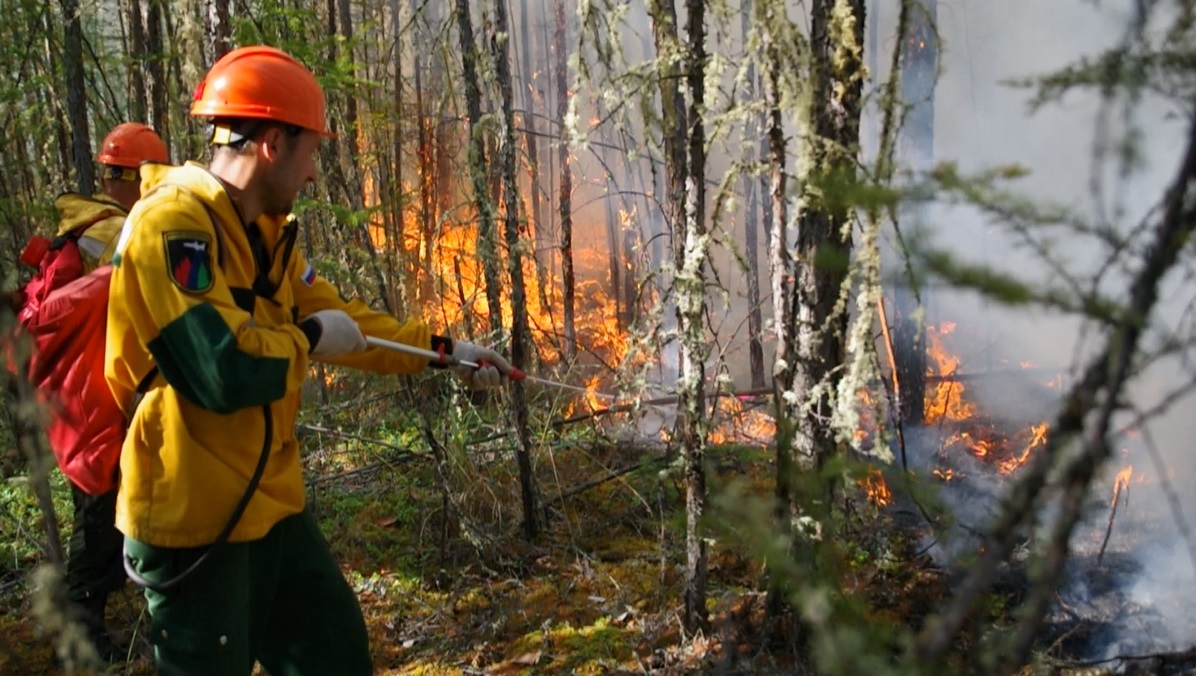
The first wildfires in the Yamalo-Nenets Autonomous Okrug were recorded on May 18. By the morning of June 25, 12 wildfires had been recorded, covering a total area of more than 3,000 hectares. The total area burned exceeded 16,000 hectares. By July, the situation had improved, and in mid-July local media reported that the fires were under control. However, the fires were not fully extinguished and intensified sharply again in late July. In August, fires were recorded in six districts of the autonomous okrug — Krasnoselkupsky, Nadymsky, Purovsky, Priuralsky, Tazovsky, and Shuryshkarsky — spanning almost the entire east-west extent of the region.
A total of 887 wildfires were recorded in the Yamalo-Nenets Autonomous Okrug during the 2026 fire season, with a total burned area of 747,795.14 hectares.
One of the factors contributing to the fires was unusually high temperatures, reaching 10°C above normal, with air temperatures in some areas rising to +33°C. July 2026 was the third-warmest July in the Arctic since 1950, with more than 70% of the region experiencing above-normal temperatures.
This was compounded by “a lack of rain, low air humidity, and wind conditions. Weeks without precipitation dried out the moss and lichen cover and the upper layer of peat, which normally act as a natural barrier against fires due to their high moisture-retention capacity,” FederalPress quoted Natalya Ivanova, an associate professor at the State University of Land Use Planning, as saying.
She emphasized that the situation is further aggravated when fires penetrate deep into peat deposits. Such fires can smolder for months and even survive the winter beneath a thick layer of snow.
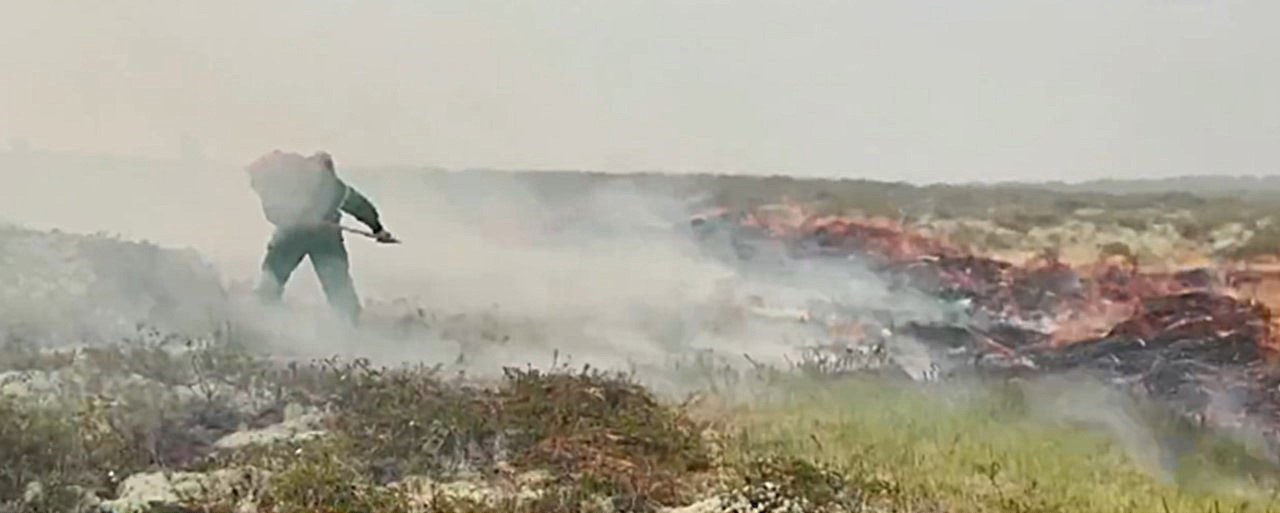
Nevertheless, despite the declaration of a state of emergency in the Yamalo-Nenets Autonomous Okrug and the repeated deployment of additional federal firefighting resources to the region, fires were not extinguished across most of the affected areas. At best, efforts focused on containing and directing the spread of the fires while awaiting rainfall. In early August, Russia’s Aerial Forest Protection Service (Avialesookhrana) reported that fires were burning in remote areas of the region’s forest lands where firefighting operations had been suspended by decision of the emergency commission.
According to Yamal Governor Dmitry Artyukhov, firefighters only fought fires that threatened energy infrastructure facilities and populated areas.
Wildfires were also recorded in other Arctic regions.
By the end of August, the total area burned by wildfires in Yakutia exceeded 1.6 million hectares, with 512 fires recorded. By comparison, in 2025, 351 fires were recorded, affecting an area of 143,700 hectares.
However, much of the burned area was located outside the Arctic Zone. Among the districts wholly or partially included in the Russian Arctic Zone, wildfires were recorded in August in the Olenyoksky, Zhigansky, and Srednekolymsky uluses. The largest of these fires was burning in Srednekolymsky Ulus, where the burned area reached 68,120 hectares.
According to operational data as of the morning of August 27, 161 forest fires were burning across a total area of 519,400 hectares in Krasnoyarsk Krai. Among the districts wholly or partially included in the Russian Arctic Zone, wildfires were recorded in August in the Evenki, Turukhansky, and Taymyr Dolgano-Nenets okrugs. The maximum combined area of simultaneously active fires in the Evenki district reached 61,990 hectares.
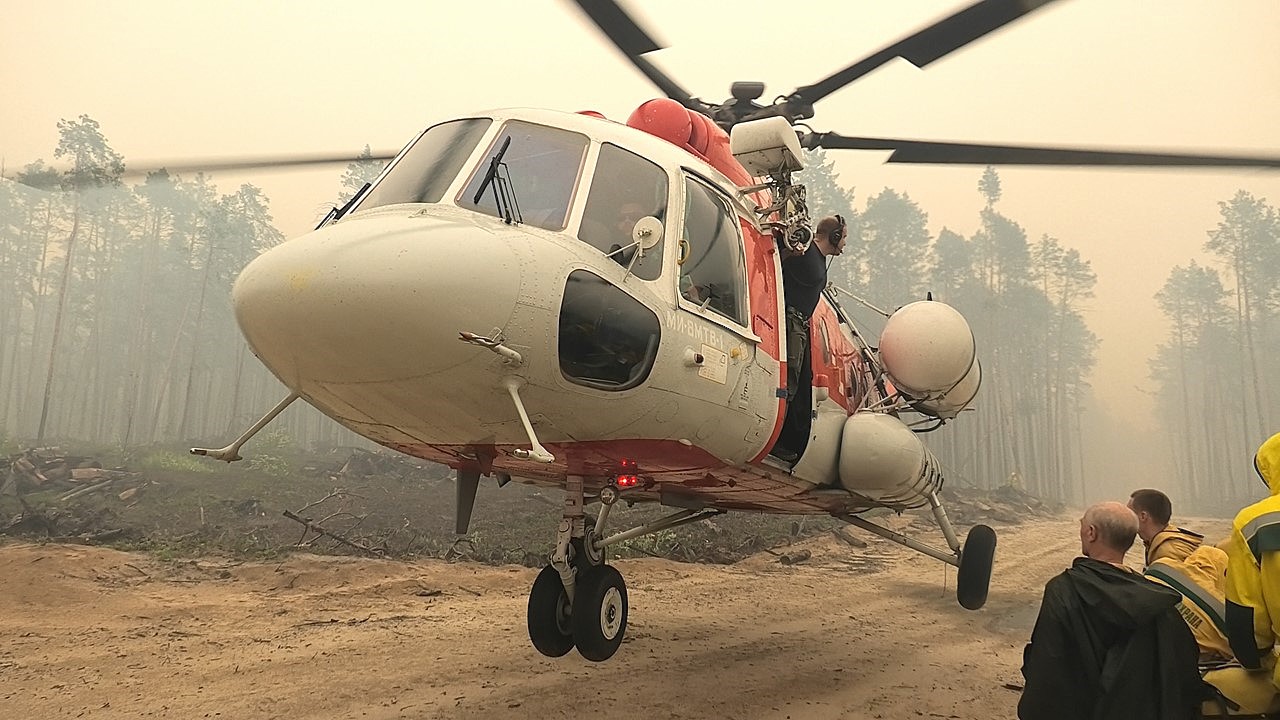
One wildfire was recorded on forest lands. The burned area amounted to 26,105 hectares.
«Wildfires in the Yamalo-Nenets Autonomous Okrug and other permafrost regions not only release CO₂, other greenhouse gases, pollutants, and black carbon, but also accelerate permafrost degradation. This, in turn, leads to the release of methane trapped in the permafrost, further accelerating climate change. Thawing permafrost also promotes vegetation growth, providing fuel for future fires.
According to the Copernicus Atmosphere Monitoring Service, smoke from Russia’s Arctic regions spread across the Northern Hemisphere and over the Arctic Ocean. The deposition of black carbon from the smoke on snow- and ice-covered surfaces reduces their reflectivity, or albedo, thereby accelerating melting and contributing to climate change.
In turn, abnormally high temperatures, 10°C above normal, were one of the causes contributing to the spread of wildfires in the Yamalo-Nenets Autonomous Okrug and across the Russian Arctic as a whole.
Additional federal firefighting resources were deployed to Yamal several times to help combat the wildfires. However, regional Governor Dmitry Artyukhov explicitly stated that firefighters were deployed only to fires that threatened energy infrastructure facilities and populated areas. According to Russia’s Aerial Forest Protection Service (Avialesookhrana), the regional Emergency Situations Commission also decided to discontinue firefighting operations in several remote areas of the region’s forest lands.
Under Russian law, there is nothing unusual about this situation. In 2015, Russian regions were granted the right to decide whether firefighting efforts are justified if the fires do not threaten populated areas and if “the projected costs of extinguishing the fires exceed the projected damage.” Areas where fires may be left to burn without intervention are designated as “control zones.”
Thus, in the authorities’ view, environmental protection and the prevention of environmental damage, the scale of which extends far beyond both the region itself (which leads Russia in natural gas production and could therefore theoretically afford to fund firefighting efforts) and Russia’s borders, are not economically viable.»
On August 15, petroleum product pollution was detected in Kola Bay near Murmansk. Local residents reported an oil slick covering approximately 300–500 m². On August 25, Rosprirodnadzor (Russia’s Federal Service for Supervision of Natural Resources) documented the pollution and collected water samples. The source and volume of the spill have not been determined.
A tanker accident on the Northern Sea Route was also reported in August. Russian insurer AlfaStrakhovanie reported paying compensation for hull damage sustained by a vessel transiting the NSR under icebreaker escort. The tanker’s name, the date and exact location of the accident have not been disclosed. It is also unknown whether any fuel or cargo leaked. The NSR Directorate does not publish information about accidents and incidents.
In this news digest, we monitor events that impact the environment in the Russian Arctic
In this news digest, we monitor events that impact the environment in the Russian Arctic
In this news digest, we monitor events that impact the environment in the Russian Arctic
In this news digest, we monitor events that impact the environment in the Russian Arctic