Bellona Nuclear Digest. July 2026
A monthly analytical review offering expert insight into key developments in nuclear policy, economics, safety, and technology related to the activities of Rosatom in Russia, Ukraine, and other countries
News
Publish date: 02/10/2026
News
After Russia’s full-scale invasion of Ukraine in February 2022, Bellona ceased its activities in the aggressor country. On 18 April 2023, Russia’s Prosecutor General’s Office declared Bellona an undesirable organization in the Russian Federation.
Nevertheless, we continue to systematically monitor and analyze developments related to Rosatom’s activities that we believe are of interest to an international audience. The aim of this review is to assess the scale of Russia’s international influence in the nuclear sector, as well as the associated political, economic, and environmental risks.
This digest covers events from August 2026.
You can follow the links to read the three most recent digests covering July, June and May 2026.
Subscribe to our mailing list to stay informed about future issues. Download a PDF of this digest here.
NUCLEAR EVENTS IN UKRAINE AND THE WAR
1. The Zaporizhzhia NPP and other nuclear facilities in Ukraine. Events of August 2026
1.1. Military threats at the ZNPP
1.2. ZNPP off-site power supply
1.3. Military threats at other nuclear facilities of Ukraine
2. FESCO restructures logistics following the sinking of the Yanina container ship
INTERNATIONAL NUCLEAR EVENTS AND THEIR CONNECTION WITH RUSSIA
3. Kazatomprom plans to sell uranium to Russia’s Uranium One and China’s SNURDC
EVENTS IN THE RUSSIAN NUCLEAR SECTOR AND IN ROSATOM PROJECTS ABROAD
4. Rosatom publishes 2025 results
5. Rosatom’s nuclear fleet: reactor installation, fuel reloading, and plans for floating power units
6. Rosatom’s projects abroad
Throughout August, the IAEA team at the Zaporizhzhia NPP continued to report hearing military activity, including explosions, sometimes several times a day, often at distances close to the site (Updates 361–364).
Russian representatives also regularly reported military activity in the nearby city of Enerhodar, where many plant staff live, as well as drone activities in and around the site (Information Circulars 1405–1410).
Russia reported that on August 2, a drone attacked the access gallery leading to the reactor building of Unit 3. The munition was neutralized. The site of the plant’s service water pumping station and the plant’s diesel fuel storage facility were also attacked.
On August 18, the IAEA team at the ZNPP was informed that a drone explosion at a bus stop used by plant staff had injured 20 people, one of whom died. IAEA Director General Rafael Grossi called the incident unacceptable, emphasizing the importance of observing the seven indispensable pillars for ensuring nuclear safety and security during an armed conflict, one of which is that operating staff must be able to fulfill their duties without being subjected to attacks or risks.
The Russian side later informed the IAEA of three more drone incidents at the ZNPP site. On August 25, a drone attacked an area near the cooling pond, injuring two plant staff members. On August 26, a drone detonated at the site of the dry spent fuel storage facility, while another reportedly struck the sprinkling device of the ZNPP power units’ system.
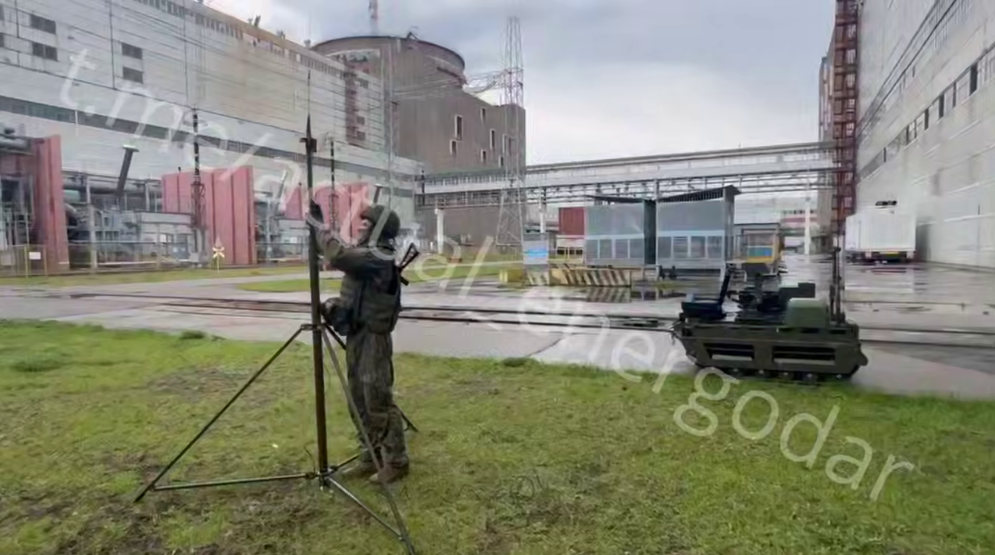
Meanwhile, the Telegram channel @actual_energodar continues to publish photos and videos documenting the presence of Russian military personnel, specialized equipment, and military vehicles at the ZNPP site. On August 1, a video was published showing tests of the Russian Kurier unmanned ground vehicle, reportedly near Unit 3 (the date of filming was not specified).
Ukraine’s Permanent Mission in Vienna notified the IAEA of this and several other materials, reiterating that Russia continues to use the territory of the occupied Zaporizhzhia NPP and its associated infrastructure for military purposes.
Since March 2026, the Zaporizhzhia NPP’s main 750 kV Dniprovska power line has remained disconnected. The line was repaired in June, but it has still not been possible to reconnect it to the plant due to severe damage to an associated electrical substation located more than 100 km northwest of the ZNPP. As a result, the ZNPP continues to receive external power through the single 330 kV Ferosplavna-1 line.
On August 1 and 4, and then for the third time in a week on August 8, the ZNPP briefly lost all off-site power after losing its connection to the 330 kV Ferosplavna-1 line.
On August 20, the plant lost all off-site power for the fourth time that month. The line was reported to have been damaged on the northern bank of the Dnipro River. This time, power was not quickly restored, and the plant remained without off-site power for about three weeks.
Compounding the situation, difficulties arose with supplying the ZNPP with diesel fuel. Russian representatives told the IAEA experts that the last delivery of diesel fuel to the storage facility at the plant site had taken place in March 2026. (The IAEA notes that the Agency team at the ZNPP has not been able to visit this fuel storage facility since March 2025, with the ZNPP citing security reasons.)
The next delivery was planned for May but did not take place due to military activity in the area around the plant.
Russian representatives told the IAEA team that the fuel reserves at the site would be sufficient to operate the emergency generators for approximately 10 days.
Immediately after the loss of off-site power, all emergency diesel generators started automatically. (The IAEA had previously reported that the ZNPP had 20 such generators.) Later, only seven were kept in operation. Subsequently, to minimize diesel fuel consumption, the number of emergency diesel generators in operation was reduced to four and then to two.
The ZNPP began operating the cooling system pumps intermittently, maintaining the required temperatures in the reactors’ primary circuits and spent fuel pools while limiting electricity consumption.
Also in August, the water levels were raised in the spent fuel pools of all six reactors. The plant’s Russian-appointed management made this decision due to difficulties in replenishing diesel fuel supplies, with the aim of increasing the time before the water could begin to boil if fuel cooling could not be maintained in the event of a loss of power.
On August 27 and 28, the IAEA team observed the transfer of several dozen metric tons of diesel fuel to the plant from two different off-site locations near the ZNPP. The team’s presence was necessary both to assess the nuclear safety situation at the plant and to provide security assurances during the transfers.
On August 31, Rosatom Director General Alexey Likhachev said that Rosatom intended to arrange a fuel delivery and expected IAEA personnel to accompany the convoy.
On September 1, the IAEA team observed the transfer of backup safety equipment from the transport department in the industrial area to the plant site. The equipment included a mobile diesel generator and a mobile diesel-driven pump for the spent fuel pool of one of the reactor units, as well as spare parts, lubricating oil, and antifreeze.
Repair work began on September 5, after another localized ceasefire was agreed around the damaged line. Ukrainian technicians carried out the work in the presence of the IAEA team. The line was reconnected on September 7.
Energoatom, the operator of Ukraine’s nuclear power plants, said that frequently operating the emergency diesel generators for short periods places significant strain on the equipment and causes wear, increasing nuclear and radiation safety risks.
In its statements on the situation in Ukraine in August, the IAEA reported that air raid alarms and drone activity continued to be recorded at other Ukrainian nuclear facilities.
The IAEA reported that in late August, one of Ukraine’s operating nuclear power plants lost one of its off-site power lines due to military activity, causing one reactor unit to reduce power. The line was recovered within a day, after which the reactor returned to nominal power. The same plant later experienced another loss of one of its off-site power lines due to military activity, resulting in the disconnection of one reactor unit from the grid.
On August 3, Ukrenergo reported the completion of the eighth IAEA mission since September 2024 to assess the condition of electrical substations that are critical to nuclear safety in Ukraine. The IAEA team visited 13 electrical substations to assess and document damage caused by military activity, including damage sustained since previous IAEA visits.
Repair of the Chernobyl NPP New Safe Confinement. On July 31, the Chernobyl NPP and UTEM-ENGINEERING signed a contract to carry out priority temporary works to address the consequences of the February 2025 drone strike on the New Safe Confinement (NSC). The contract is worth approximately €6.9 million, with completion scheduled for July 13, 2027.
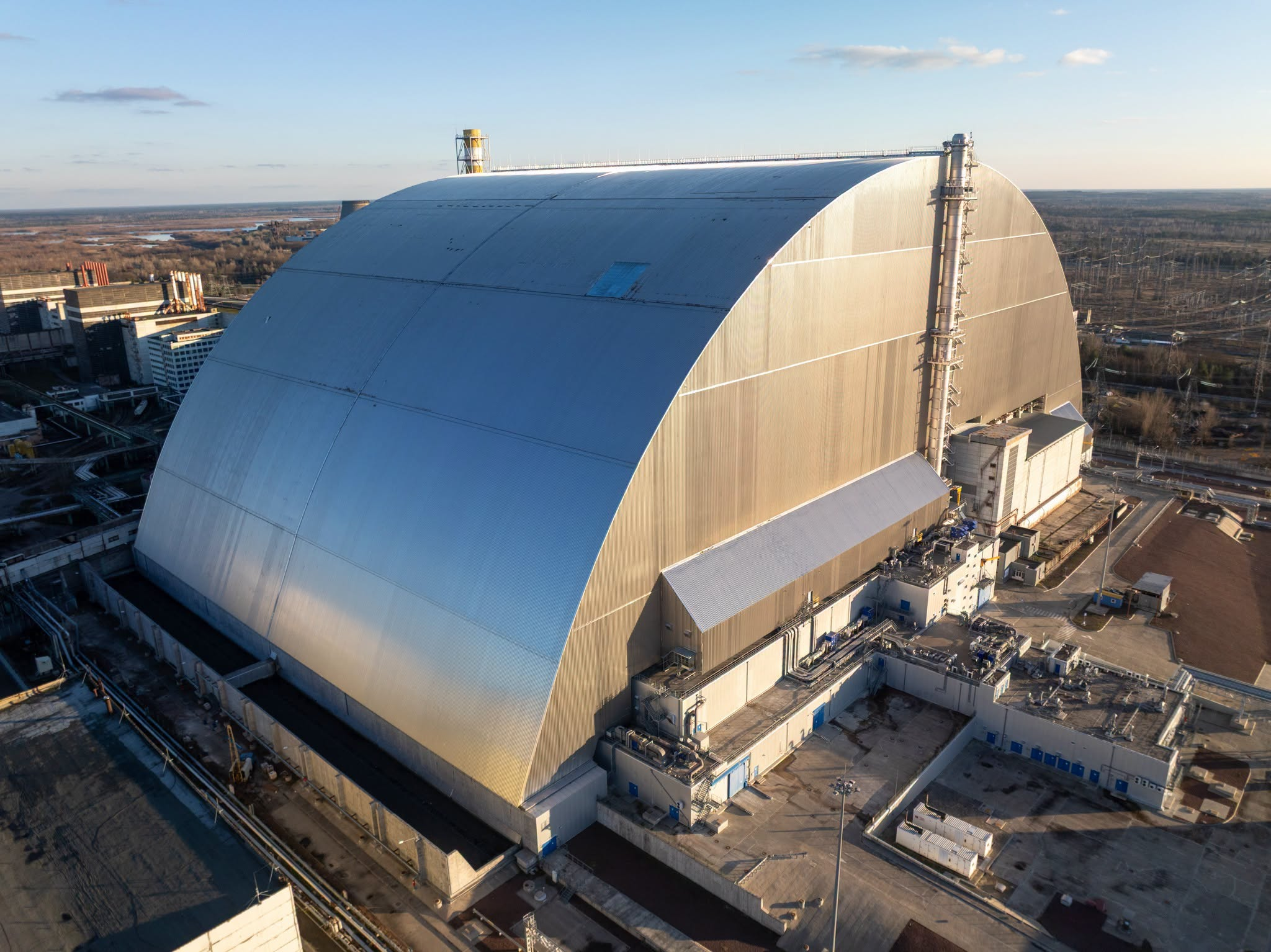
This will be the second stage of temporary repair works. The first was completed in October 2025, when the largest opening was sealed, helping to prevent further deterioration of the confinement structures. During the firefighting operation, emergency crews also made 340 smaller access openings needed to extinguish the fire. The next stage will involve the temporary restoration of all damaged sections of the NSC’s external cladding and sealing membrane.
More information is available in the InfoAtom article, “Chernobyl NPP NSC after the strike: From temporary repairs to full restoration.”
«The Zaporizhzhia NPP remains a unique feature of this war. Europe’s largest nuclear power plant is effectively located in a combat zone and is being used for military purposes by Russian armed formations. Ukrainian drone strikes on facilities and areas around the plant therefore appear to be a natural consequence of its location on the front line. As long as the war continues, it is virtually impossible to rule out such strikes entirely.
At the same time, an important contradiction is becoming apparent. Despite the military value of the ZNPP and the surrounding area, both sides, judging by their actions, appear to be trying to avoid the plant permanently losing its potential energy and political value. This suggests that the ZNPP is viewed not only as a source of nuclear risks, but also as a potential asset in future negotiations.
If room for political bargaining between Moscow and Kyiv emerges again, the question of control over the plant, its future operation, and the distribution of the electricity it generates could become part of a broader deal. In this sense, keeping the ZNPP in a relatively operable condition takes on additional significance: a destroyed facility cannot be used as a bargaining chip, while a plant that remains viable retains a certain political and economic value.
There is currently an active public debate over the possibility of an energy ceasefire between Kyiv and Moscow. So far, the discussion has focused primarily on mutual restrictions on strikes against infrastructure related to the processing, transportation, and storage of petroleum products. At the same time, the far more sensitive issue of mutual restrictions on threats to nuclear facilities has received virtually no attention in the public debate. Public attention remains focused primarily on the situation around the Russian-occupied Zaporizhzhia NPP.
This distinction is fundamental. Nuclear infrastructure represents a qualitatively different level of potential escalation. At this stage, the military and political confrontation does not yet appear to have reached the point where nuclear facilities are systematically regarded by the parties as a distinct instrument of military pressure, threats, or blackmail. However, any further expansion of such practices would mean a shift to a significantly more dangerous level of conflict. In an extreme scenario, threats to the physical safety of nuclear facilities could become an intermediate step between conventional military escalation and the direct use of the nuclear factor.
At the same time, it would be a mistake to reduce the threats to a nuclear power plant solely to direct strikes on its territory. A nuclear power plant is part of a complex energy system, and its operation depends on external infrastructure — above all, power lines, substations, and other components of the power grid. Disabling facilities outside the plant can therefore have direct consequences for its safe operation, even if the nuclear power plant itself is not formally the target of an attack.
This is where the most dangerous area of uncertainty emerges. Strikes on external infrastructure may simultaneously pursue military or energy-related objectives while creating additional nuclear safety risks. Under certain circumstances, such tactics could disrupt the normal power supply to the plant’s own systems, complicate the operation of safety systems, and increase the likelihood of a radiological incident. As a result, the line between an attack on energy infrastructure and a threat to a nuclear facility becomes considerably less clear.
The political consequences of such actions would also extend well beyond those of conventional strikes on energy infrastructure. Any serious deterioration in nuclear safety would inevitably attract the attention of the IAEA, other international organizations, and states directly interested in preventing nuclear incidents. This would create additional international pressure on the parties to the conflict and raise the cost of further escalation.
The issue of mutual restrictions concerning nuclear facilities should therefore be considered not as a narrow component of a potential energy ceasefire, but as a separate level of measures to prevent nuclear and radiological risks. The absence of direct attacks on nuclear power plants does not in itself mean that there is no threat: critical infrastructure needed for the safe operation of a plant may become a target long before the nuclear site itself.
In this sense, protecting nuclear facilities should include not only a ban on direct strikes against nuclear power plants, but also restrictions on actions targeting the external infrastructure on which nuclear safety depends. Otherwise, formal compliance with a ban on attacks against nuclear power plants could coexist with actions that in practice create comparable or even more difficult-to-control risks for them.
Thus, the Russian-Ukrainian war has shown that civilian nuclear infrastructure acquires a specific military and political significance in an armed conflict, even if it formally retains its civilian status. The civilian nature of a nuclear facility no longer means in itself that it remains outside the military logic of the conflict. On the contrary, its location, technological characteristics, the potential consequences of damage, and its importance for the energy system and public safety can turn such a facility into a distinct factor of military and political pressure.
This raises a fundamentally new question for experts at various levels, one that requires separate study: what happens to a civilian nuclear facility when war reaches it directly, or when the facility itself begins to be used as an element of military strategy? In such a case, it is not only the level of threat to the facility that changes; its role in the conflict itself changes as well. From a potential victim of military action, it can become an instrument of pressure, an object of control, a source of strategic risks, or a factor constraining the actions of the opposing sides.
The Russian-Ukrainian war has demonstrated this transformation particularly clearly. The Zaporizhzhia NPP, the Chernobyl Exclusion Zone, nuclear research facilities, and other elements of nuclear infrastructure have become directly embedded in the reality of war. This creates a need to reconsider the traditional view of nuclear infrastructure as clearly divided into civilian and military categories.
There is no doubt that war poses a threat to civilian nuclear facilities, but in some cases nuclear facilities themselves begin to become a factor in the war — influencing military planning, political decisions, the use of force, and the limits of acceptable risk.
In other words, in a modern conflict, nuclear infrastructure can occupy an intermediate position between a civilian facility and an element of military strategy without any change in its formal status.»

Aleksander Nikitin
Special Nuclear Advisor
On August 1, Ukrainian President Volodymyr Zelenskyy said that Ukrainian forces had struck the sanctioned Russian container ship Yanina in the Black Sea. He noted that Ukrainian forces were targeting assets that support Russia’s war effort.
The vessel sank after being struck by maritime drones approximately 240 km from Novorossiysk. All crew members were rescued.
The Yanina container ship, owned by Rosatom’s logistics company FESCO, was sailing from India as part of a regular container service.
Although the Yanina itself (IMO 9301304) was not individually designated under sanctions, its owner, FESCO, is subject to sanctions imposed by Ukraine, the UK, the EU, and several other countries.
On August 4, FESCO announced that it was temporarily suspending the acceptance of new bookings for shipments via the Black Sea until solutions could be developed that take existing risks into account. On August 6, Kommersant reported that shipping lines serving the Turkey–Novorossiysk route had begun introducing war-risk surcharges amid rising vessel insurance costs in the Black Sea.
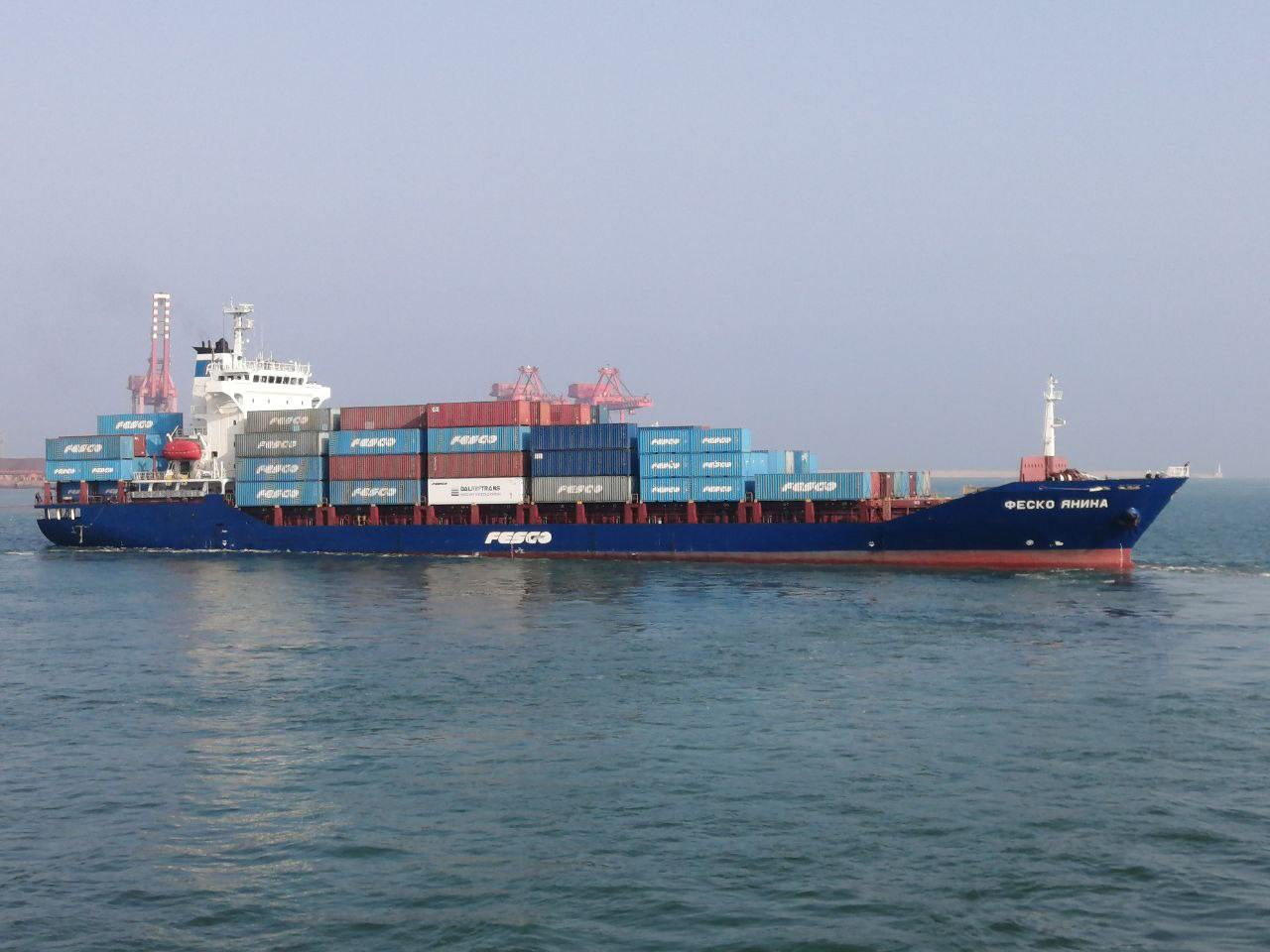
On August 24, the company said that, in response to the situation in the Black Sea, FESCO would expand alternative rail and intermodal routes for cargo deliveries to southern Russia via Vladivostok and St. Petersburg.
On the same day, FESCO launched its first service from St. Petersburg to Turkey, with calls at the ports of Ambarli (Istanbul) and Gebze.
Kommersant later reported that by the end of August, foreign container lines had begun suspending services to Russia due to shipping risks in the Black Sea. Some operators began rerouting cargo flows through St. Petersburg or via alternative routes, transporting cargo from the Black Sea region overland to ports in other maritime regions.
On August 21, Kazakhstan’s uranium mining company Kazatomprom announced that it had reached agreements to sell natural uranium concentrate (U₃O₈) to Russia’s Uranium One Group, part of Rosatom, and China’s State Nuclear Uranium Resource Development Company (SNURDC). The parties have agreed on draft contracts, but the transactions have been submitted for approval at an extraordinary general meeting of Kazatomprom shareholders, with voting to take place from September 22 to October 6. The results are expected to be announced on October 7.
The contract for the supply of natural uranium to Uranium One is classified as a major transaction, while the spot-term contract for the sale and purchase of natural uranium with SNURDC is classified as a major transaction when taken together with interrelated transactions.
The volumes, pricing, and delivery schedules have not been disclosed. Uranium for Uranium One is expected to be delivered to the Siberian Chemical Plant in Russia, while deliveries for SNURDC are to be made to the Alashankou railway station in China.
Uranium One already produces uranium in Kazakhstan through stakes in several joint ventures with Kazatomprom, including Karatau, Akbastau, and the Southern Mining and Chemical Company. In 2025, Rosatom companies produced 5,600 metric tons of uranium outside Russia, with Kazakhstan accounting for almost all of this volume.
«Rosatom already has a very strong position in Kazakhstan’s uranium mining sector, accounting for almost a quarter of all uranium produced in the country. If the proposed sale of additional uranium produced by Kazatomprom to Uranium One Group is approved, the total volume of uranium Rosatom obtains from Kazakhstan will increase further.
On the one hand, Rosatom is compelled to strengthen its uranium supply chains because it cannot meet all the needs of its domestic and international projects with uranium mined in Russia.
Outside Russia, apart from Kazakhstan, Rosatom currently has no active uranium mining projects. Moreover, its position in the global natural uranium supply market is relatively modest compared with its share of the uranium enrichment services market (see the chapter on Rosatom’s annual results).
On the other hand, redirecting some of the uranium produced by Kazatomprom to Russia and China could reduce the opportunities for Western companies to purchase Kazakhstan’s uranium. Thus, despite the lack of details on the potential deal, it can be said that it is likely to strengthen Russia’s position in the global uranium market.»

Dmitry Gorchakov
Nuclear advisor
On August 31, Rosatom published its public annual report for 2025 (available in Russian). According to Rosatom, in 2025 the corporation ranked:
Without providing further details, Rosatom notes that Russian nuclear fuel met the needs of customers’ reactors in Slovakia, Belarus, Hungary, Finland, India, Turkey, and China. In 2025 specifically, fuel was supplied to India, China, Vietnam, Belarus, Armenia, and Hungary.
Enriched uranium was supplied to 23 customers in 13 countries. The ten-year order portfolio remained broadly at the level of previous years. The report states that Rosatom concluded nine new deals for the supply of enriched uranium in 2025.
In 2025, Rosatom’s overseas uranium mining companies produced approximately 5,560 metric tons of uranium on an attributable basis, with the entire overseas volume coming from Kazakhstan. Combined with the output of uranium mining companies in Russia itself — 2,620 metric tons — this placed Rosatom third globally in uranium production. Its uranium mineral resource base under international standards stood at 258,100 metric tons at the end of 2025.
Services were provided at overseas NPPs with operating or under-construction Russian-designed power units — 48 units in total in Armenia, Bangladesh, Belarus, Bulgaria, Hungary, Egypt, India, China, Slovakia, Turkey, Finland, and the Czech Republic. Rosatom states that it holds leading positions in this segment in China, Bulgaria, and Armenia. In 2025, long-term contracts were signed for the supply of equipment, spare parts, tools and accessories, as well as for services at overseas NPPs in China, Belarus, Bulgaria, and the Middle East.
As for financial performance, the report states that the corporation’s revenue under IFRS increased by 7.9% to RUB 3.3311 trillion. The increase compared with 2024 was driven primarily by higher revenue from sales of generated electricity, heat and capacity, purchased electricity, uranium-containing products and enrichment services, as well as nuclear fuel. Rosatom paid RUB 477.7 billion in taxes to budgets at all levels.
At the same time, Rosatom’s foreign revenue decreased by 4.1% in 2025 to approximately $17.2 billion.
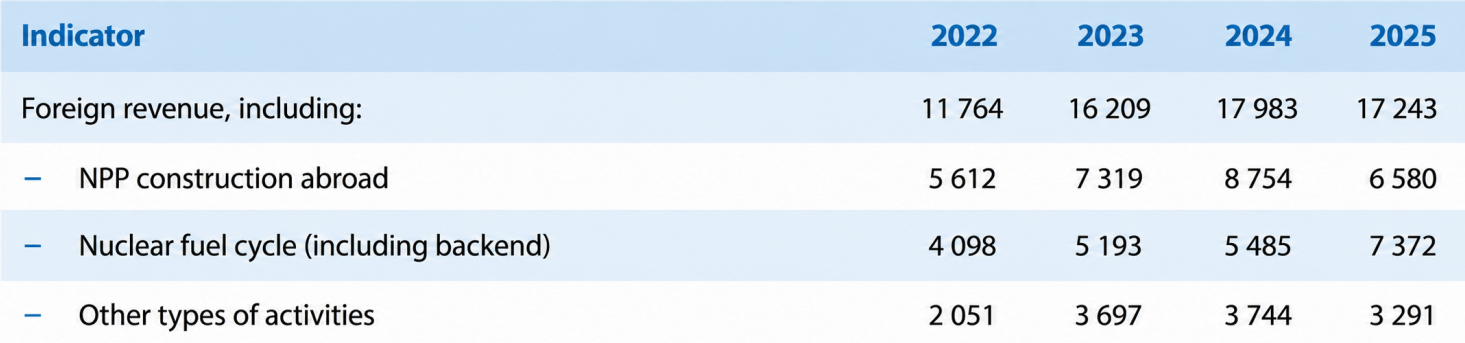
The total life-cycle portfolio of overseas projects grew by 2.9% compared with 2024, reaching $206.2 billion, while the ten-year portfolio stood at $128.6 billion, virtually unchanged from the previous year. According to the report, Rosatom’s overseas portfolio of NPP construction projects includes 35 large-capacity and six small-capacity power units in 11 countries.
As for its strategic plans through 2030, Rosatom aims to increase its share of international markets by strengthening its position in traditional nuclear energy markets — NPP construction and nuclear fuel cycle products — and expanding internationally into new business areas.
«One important figure in the annual report is Rosatom’s acknowledgment that its foreign revenue declined to $17.2 billion in 2025, from $18 billion a year earlier. The decline came after 10 years of uninterrupted growth, with foreign revenue increasing by more than 20% annually over the past five years.
As we noted earlier in our annual report on Rosatom’s activities in 2025, this decline was not caused by problems with nuclear fuel cycle supplies, as the data in Rosatom’s report also confirm. According to our estimates, supplies in this segment increased across almost all geographic destinations: to around $1 billion in the US (an increase of almost 70% year on year), to a record of around $1.5 billion in China (an increase of around 60%), and even in the EU, combined supplies of enriched uranium and nuclear fuel increased by almost 10%, to around €780 million in 2025.
According to Rosatom’s report, the decline in foreign revenue was due to lower revenue in the NPP construction segment. This may be due both to the natural decline in the volume of work on some projects as they reach the final stages of commissioning — as in Bangladesh or at Unit 1 of the Akkuyu NPP in Turkey — and to difficulties and additional costs associated with sanctions pressure, the need to find alternative ways to transfer funds abroad, and changes in suppliers.»
Dmitry Gorchakov
Nuclear advisor
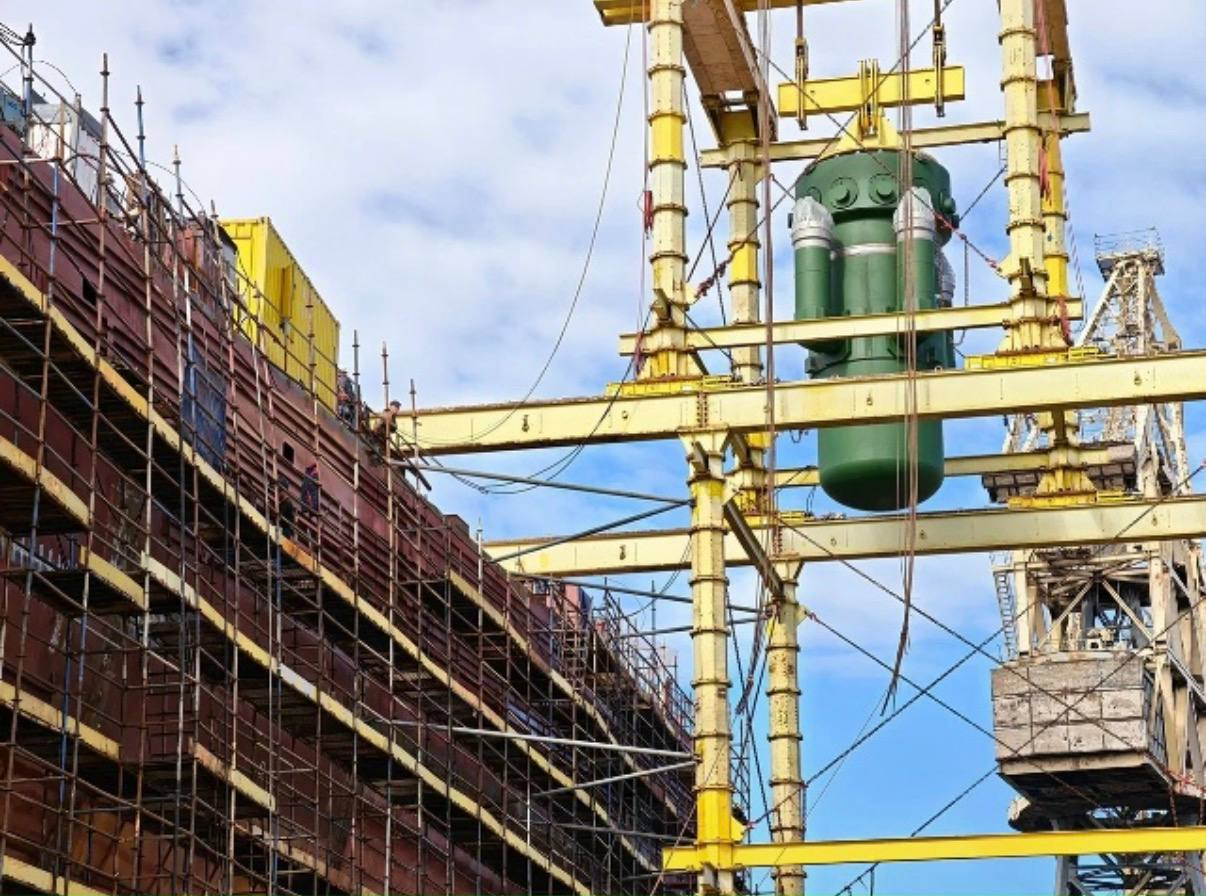
Nuclear-powered icebreaker Leningrad. On August 17, two RITM-200 reactors were installed on the universal nuclear icebreaker Leningrad, currently under construction at the Baltic Shipyard.
Floating NPP Akademik Lomonosov. On August 17, Rosatom reported that fresh nuclear fuel had been delivered to the Akademik Lomonosov floating nuclear power plant in Pevek, Chukotka, for reactor unit No. 1. Fuel reloading was completed by August 26.
Unlike large power reactors, the icebreaker-type KLT-40S reactor units used at the floating NPP are refueled every few years, with the entire reactor core unloaded and replaced with fresh fuel. Reactor No. 1 was refueled for the first time in late 2023, followed by reactor No. 2 in 2024. The next refueling of reactor No. 2 at the floating NPP is scheduled for 2027.
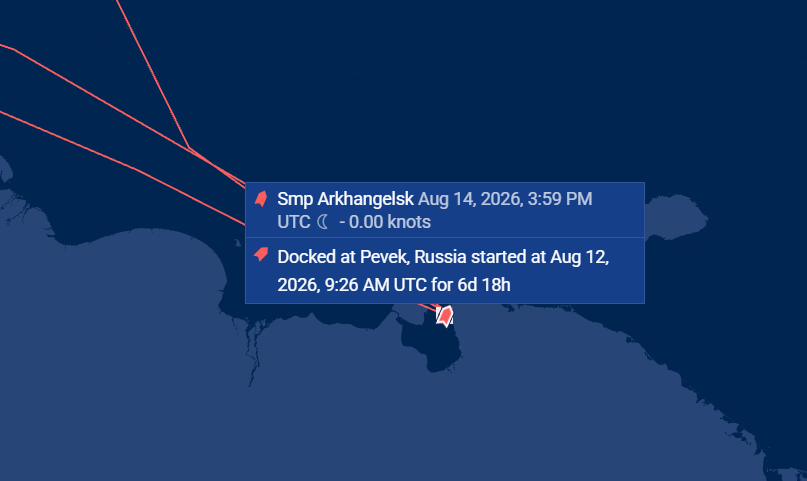
The Barents Observer notes that the route and method used to deliver the fuel to Pevek remain unknown. Rosatom did not respond to the publication’s inquiry, while transporting nuclear fuel by sea requires vessels that meet specific international requirements.
During the first fuel delivery in 2023, experts raised concerns because the fuel was transported along the Northern Sea Route aboard the general cargo ship SMP Arkhangelsk, which has a relatively low ice class and a history of technical violations.
It is worth noting that the vessel has been used for several years to deliver special cargo to the Akademik Lomonosov floating NPP under a contract between the Northern Shipping Company and Atomspetstrans. According to data from the Global Fishing Watch and MagicPort vessel-tracking platforms, SMP Arkhangelsk was in Pevek from August 12 to 18, 2026, having arrived from Murmansk.
Construction of new floating power units. According to Vedomosti, the United Shipbuilding Corporation (USC) is in talks with Rosatom over the possible involvement of the Sevmash shipyard in Severodvinsk in the construction of floating power units (FPUs).
Sevmash could participate under a “distributed shipyard” model. Under this concept, construction of a power unit is divided among several enterprises, while final assembly and delivery to the customer are carried out by the lead shipyard.
Rosatom currently plans to build four floating power units to supply energy to the Baimskaya mining zone in Chukotka. Because Russian shipyards are operating at full capacity, the hulls are being built in China, while the nuclear equipment will be installed at the Baltic Shipyard. The first FPU hull arrived in St. Petersburg from China in April 2026.
It is worth noting that Sevmash was involved in the construction of the Akademik Lomonosov floating nuclear power plant: Russia’s first floating power unit was laid down at the shipyard on April 15, 2007. However, in August 2008, following repeated delays to the construction schedule, the work was transferred to the Baltic Shipyard.
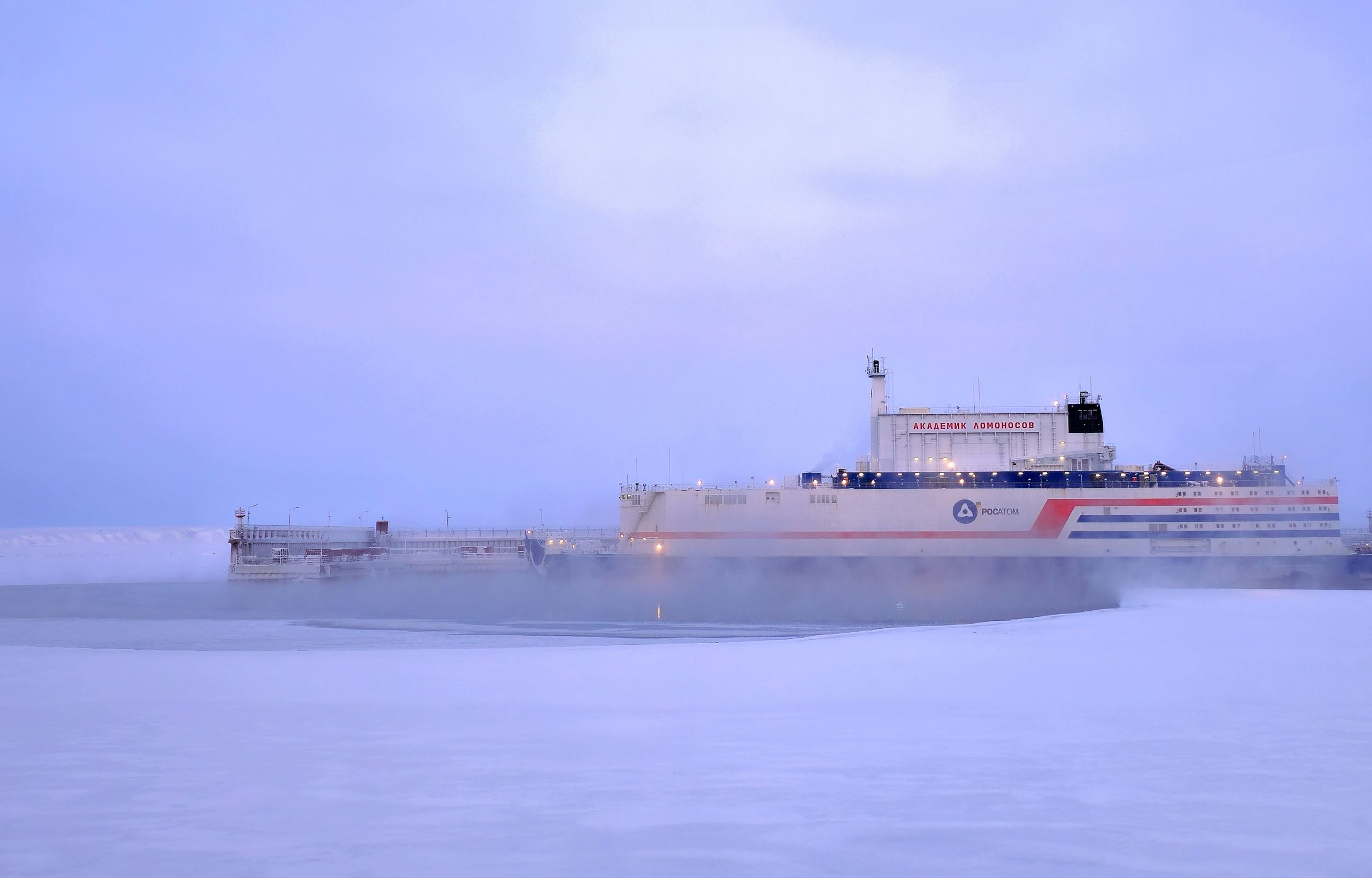
In addition, Rosatom CEO Alexey Likhachev said that the corporation is considering building a shipyard in Murmansk, at a cost of several tens of billions of rubles, to complete the construction of floating power units. The project had already been reported in March 2025. At the time, RBC sources said that design and survey work had already begun at a site adjacent to Atomflot’s base and was planned for completion in the fall of 2026, with construction planned to begin in 2027. However, they noted that the main challenge facing the project was the lack of affordable financing in Russia.
El Dabaa NPP, Egypt. On August 7, concreting of the fourth tier of the reactor building’s inner containment was completed at Unit 1 of the El Dabaa NPP. Sherif Helmy, Board Chairman of Egypt’s Nuclear Power Plants Authority (NPPA), noted that the NPPA continues to oversee the progress of the work, ensuring compliance with high standards of quality and nuclear safety.
On August 17, Politico reported that it had obtained a package of documents concerning the El Dabaa NPP under construction. One of them was a confidential letter dated June 4, sent by the NPPA to a Rosatom executive. The letter referred to “defects” affecting several units and violations of “nuclear safety culture” during construction of the El Dabaa NPP. It also referred to “deliberate negligence” by one of the project officials.
In addition, Politico obtained confidential documents describing construction delays and engineering and technical problems identified by Rosatom during its own reviews of the project.
Politico writes that one of Rosatom’s draft audits for 2025 warned of a “significant risk of failure to fulfill” the company’s contractual obligations and forecast that the preliminary construction schedule for Unit 1 could slip by 18 months, from September 2028 to March 2030.
The NPPA called Politico’s report “inaccurate and unbalanced,” saying that identifying and correcting non-conformities during construction is standard practice for a project of this scale. Rosatom declined to comment on whether such a letter had in fact been sent to the company, stating that it adheres to the highest nuclear safety standards throughout construction.
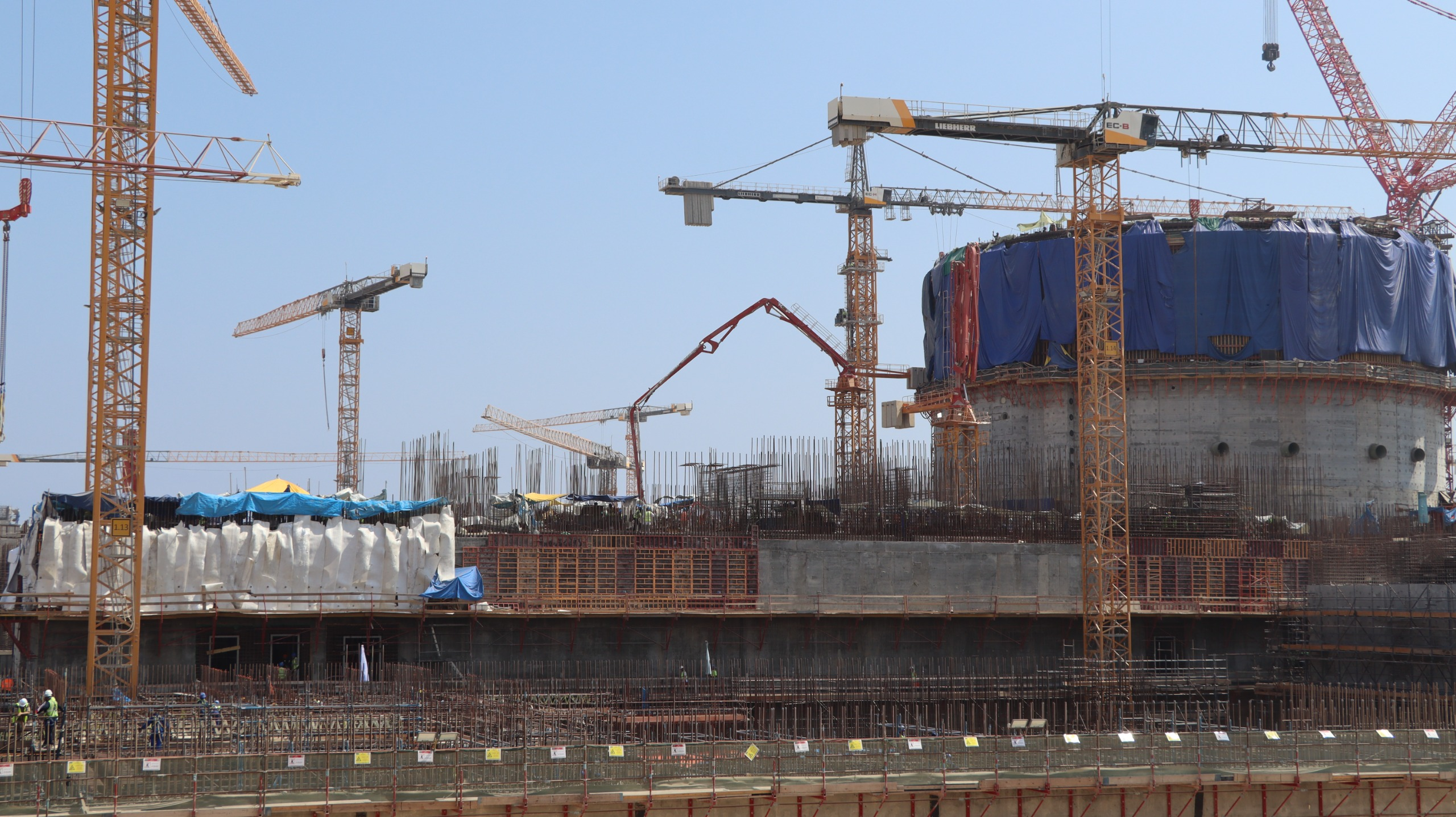
On August 25, Rosatom CEO Alexey Likhachev met with Egypt’s Minister of Electricity and Renewable Energy Mahmoud Esmat in Nizhny Novgorod. Following the meeting, Likhachev said that Rosatom and Egypt were beginning discussions on a second phase of the El Dabaa NPP project, potentially involving the construction of two additional units. He noted that Unit 1 is scheduled to be connected to the grid in 2028, with the first nuclear fuel to be delivered in 2027.
The meeting also covered the creation of a nuclear medicine center based on a research reactor, small nuclear power plants, and the construction of an additive technology center in Egypt.
«More details on the developments surrounding the El Dabaa NPP can be found in Bellona’s article, “Egypt complained about Rosatom’s nuclear work. Now it wants two more reactors,” by Charles Digges, with comments from Nuclear Project experts.»
Dmitry Gorchakov
Nuclear advisor
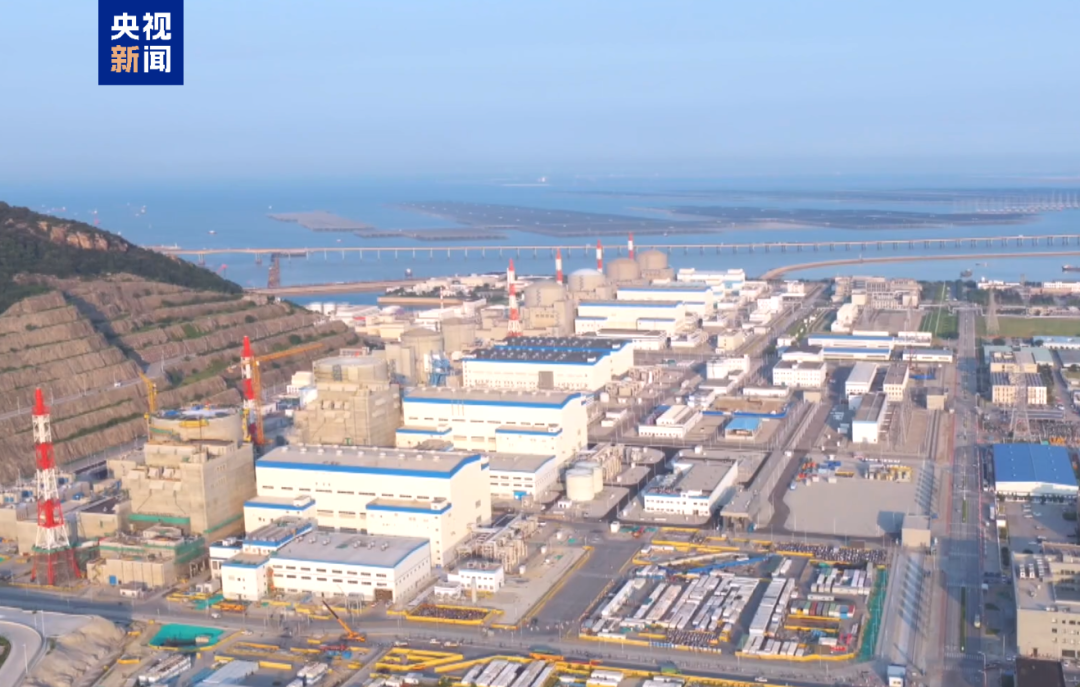
Tianwan NPP, China. On August 3, cold functional testing was completed at Unit 8. On August 12, Unit 7 entered the physical start-up stage, with the first fuel assemblies loaded into the reactor. Unit 7 is scheduled to be commissioned in 2026, followed by Unit 8 in 2027.
Paks II NPP, Hungary. In late July and early August, amid intense heat and extremely low water levels in the Danube, the Paks NPP was forced to sharply reduce its output and came close to a complete shutdown.
Against this backdrop, on August 7, Hungarian Prime Minister Péter Magyar said that, according to experts, the permit for the Paks II NPP in its current form was untenable and the project needed to be reconsidered. He said the government was conducting a comprehensive review of the project, after which it would be possible to answer, among other questions, whether Rosatom would be able to continue implementing it.
On August 13, Rosatom CEO Alexey Likhachev said that Rosatom had established working contacts with the new management of the Hungarian customer and that work on the Paks II NPP was proceeding according to plan: concrete preparation for the foundation slab of Unit 5 was more than 80% complete, while excavation of the Unit 6 foundation pit was progressing at the planned pace. Equipment manufacturing was also underway. Likhachev noted that the company was open to dialogue and ready to answer questions from the Hungarian side, but that no such questions had yet been received.
The same day, Magyar commented on Likhachev’s statement, saying that under the original contract, the Paks II NPP was supposed to have begun operation by 2024. According to Magyar, around 1 trillion forints (€2.8 billion) had been spent on the project by that point, while the site still had only depots and “two large concrete pits.” He said that the Hungarian government would respond to Rosatom after completing its comprehensive review of the project.
In late August, the Hungarian government proposed increasing the budget funding allocated to the Paks II project for 2026 from 95 billion to 206.6 billion forints — an increase of 111.6 billion forints (around €310 million). According to Népszava, citing materials prepared by Hungary’s Fiscal Council on the proposed budget amendments, the additional funds are intended to increase the capital of Paks II Zrt, the company responsible for the construction of the Paks II NPP. The materials explain that the additional funding is needed following the company’s request for more funding, submitted earlier this year.
«Apparently, the new government has not yet fully formulated its concerns about the Paks II project, and these are likely to take shape only after the comprehensive review is completed, despite periodic high-profile statements and exchanges between the country’s new authorities and the head of Rosatom. At the same time, judging by the continued funding of the project by the Hungarian side, a complete withdrawal from the project does not appear to be under consideration.
Under these circumstances, in addition to the previously raised financial questions about the cost of the project, the problems faced by the operating Paks NPP due to the heat and low water levels in the Danube also raise the question of whether the project’s environmental parameters should be reconsidered. In particular, its cooling system.
The operating NPP already places a significant thermal load on the Danube, while the limits on the temperature of water discharged from its cooling systems were already raised by Hungary in 2025. Against this backdrop, adding around 9.5 GW of thermal capacity from the two planned Paks II units to the approximately 6 GW of thermal capacity of the four existing Paks units appears difficult to implement. This is particularly the case given the possibility that climate change could make events such as the low river levels seen this year in Europe, and on the Danube in particular, more frequent in the future.
At the same time, instead of large cooling towers that could reduce the thermal pollution of the Danube, the current Paks II design provides only for a peak cooling system consisting of relatively small cooling cells along the hot water discharge channel. This issue deserves closer attention as part of the negotiations and any review of the project.»
Dmitry Gorchakov
Nuclear advisor
On August 13, Reuters published comments by Urenco CEO Boris Schucht on how uncertainty over EU policy toward Russian nuclear fuel is affecting investment in European uranium enrichment capacity. The article contrasts the EU’s approach with that of the US, which has already adopted a ban on Russian uranium imports, while the European Union, despite its stated plans to phase out Russian supplies, has yet to introduce corresponding restrictions.
The National Interest article “A Rosatom Maintenance Shock Could Be Coming. Here’s How the West Can Prepare” examines the risks associated with the reliance of foreign nuclear power plants with VVER reactors on Russian maintenance services and equipment supplies amid the war and sanctions. The authors propose developing an alternative VVER maintenance system based on Czech and Ukrainian expertise, with support from other Western countries, to reduce operators’ dependence on Rosatom.
A monthly analytical review offering expert insight into key developments in nuclear policy, economics, safety, and technology related to the activities of Rosatom in Russia, Ukraine, and other countries
A monthly analytical review offering expert insight into key developments in nuclear policy, economics, safety, and technology related to the activities of Rosatom in Russia, Ukraine, and other countries
A monthly analytical review offering expert insight into key developments in nuclear policy, economics, safety, and technology related to the activities of Rosatom in Russia, Ukraine, and other countries
A monthly analytical review offering expert insight into key developments in nuclear policy, economics, safety, and technology related to the activities of Rosatom in Russia, Ukraine, and other countries