Monthly Highlights from the Russian Arctic. December 2025
In this news digest, we monitor events that impact the environment in the Russian Arctic
News
Publish date: 17/03/2026
News
Ensuring complete and reliable access to environmental information in Russia has never been fully guaranteed. Following the Russian invasion of Ukraine on February 24, 2022, it became even more difficult. Some information ceased to be published altogether, such as daily oil production data and annual reports from certain industrial companies. Independent environmental organizations have been banned or closed.
The Arctic region plays a crucial role in comprehending the process of global climate change. Russia owns approximately one-third of its territory, including the exclusive economic zone of the Arctic Ocean. To understand and examine trends, we monitor new legislation, the plans of industry, the Northern Sea Route, international economic sanctions, accidents, and emergencies in the Russian Arctic, as well as provide commentary on the news. Subscribe to our mailing list to make sure you don’t miss the next digest.
Our previous monthly highlights for December can be found here.
NORTHERN SEA ROUTE AND SHIPPING
1. Overview of shipping on the Northern Sea Route in January
2. Cargo traffic along the Northern Sea Route decreased by 2.3% in 2025, while cargo turnover at Arctic basin seaports declined by 6.3%
THE INTERNATIONAL SITUATION IN THE ARCTIC AND SANCTIONS ON RUSSIA’S ACTIVITIES IN THE ARCTIC REGION
3. South Korea announced plans to conduct a trial voyage along the Northern Sea Route in September 2026
4. French military forces took control of the tanker Grinch, which was sailing from Murmansk carrying Arctic oil
5. Germany for the first time blocked a shadow fleet tanker, Tavian, with a falsified IMO number from entering its territorial waters
6. The EU has formally established a phased ban on imports of Russian gas, including both pipeline gas and LNG
7. In 2025, exports of salmon smolts from Norway to Russia almost doubled, reaching €18.5 million
8. Russia has announced the suspension of its participation in several working groups of the Joint Norwegian–Russian Fisheries Commission
9. Sweden and Finland have called on the European Union to tighten sanctions against Russian Arctic shipping
10. Fourteen European countries published a joint statement calling for action to address security threats posed by Russia’s shadow fleet
HEIGHTENED INDUSTRIAL ACTIVITY IN THE RUSSIAN ARCTIC
11. A partner has withdrawn from Norilsk Nickel’s project to build a copper plant in China, putting the entire project at risk
12. Norilsk Nickel has summarized its results for 2025
13. Rosneft has begun the winter delivery of cargo for construction at the fields of the Vostok Oil project
PERSECUTION OF SCIENTISTS ENGAGED IN ARCTIC RESEARCH IN RUSSIA
14. Scientist Alexey Dudarev was arrested on charges of “treason” for publications in a journal of the Arctic Council, of which Russia is a member
ENVIRONMENTAL AND CLIMATE ISSUES IN THE ARCTIC
15. Climate change may reduce the risk of radiation spreading from the sunken submarine Komsomolets, according to the Norwegian Radiation and Nuclear Safety Authority
16. A large industrial waste dump has been surveyed at the UNESCO World Heritage site Putorana Plateau
ACCIDENTS AND INCIDENTS IN THE NORTHERN SEA ROUTE
17. Oil product spills in the Murmansk region and Yakutia
In January, the Northern Sea Route continued to operate under winter navigation conditions. The main Arctic projects maintained stable exports of LNG and oil.
The Yamal LNG project in Sabetta carried out 25 LNG shipments in January, totaling about 1.69 million tonnes. Deliveries were made roughly every 1–1.5 days. Most shipments (23 cargoes) were sent directly to European countries — France, Spain, the Netherlands, and Belgium. Transportation was carried out by Arc7 ice-class Yamalmax LNG carriers, with a transit time of 6–9 days.
The remaining two cargoes were sent to China via the Suez Canal on conventional Arc4 tankers with icebreaker escort while transiting the Arctic seas. Delivery times were 44 and 58 days respectively. Ship-to-ship transshipment near Kildin Island did not take place in January; all shipments were carried out directly from Sabetta.
The Arctic LNG 2 project used an established LNG transshipment scheme through the Kola Bay in January. Arc7 ice-class LNG carriers delivered LNG to the floating storage facility Saam FSU near Murmansk, where it was transshipped for onward transportation to China via the Suez Canal.
The LNG carrier Christophe de Margerie loaded at the Arctic LNG 2 terminal on January 6, 14, and 22. At the end of the month, a new Russian LNG carrier, Alexey Kosygin, commissioned on December 25, 2025, joined operations. On January 29 it loaded at the Arctic LNG 2 terminal and left the Ob Bay escorted by the nuclear icebreaker Arktika. After transshipment at the Saam FSU, LNG cargoes were taken by shadow fleet LNG carriers, including Buran, Voskhod, Iris, Zarya, Arctic Pioneer, and others.
On January 26, the first LNG cargo of the year from the Arctic LNG 2 project was unloaded at the Beihai LNG terminal in China. It was delivered by the LNG carrier Buran, which had loaded at the Saam FSU floating storage facility near Murmansk.
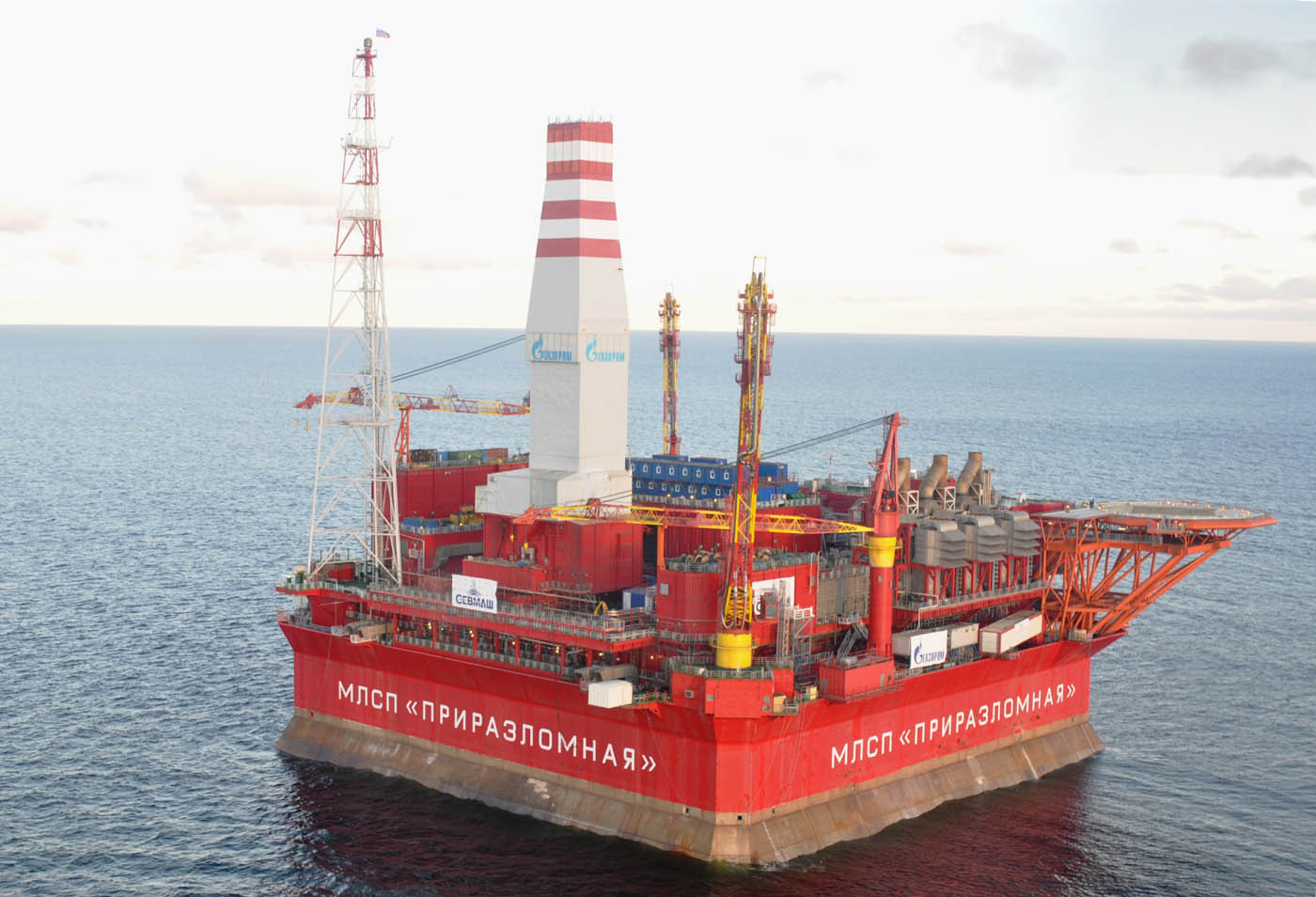
The Arctic oil projects Varandey, Prirazlomnaya, and Novy Port also continued oil shipments during the winter. Cargoes were loaded onto specialized icebreaking tankers, which delivered crude oil to the Murmansk hub for ship-to-ship transfers to shadow fleet vessels and further export to China and India. According to Global Fishing Watch data, the Novoportovskoye field operated by Gazprom Neft was the most active. Shuttle tankers of the Shturman series (Shturman Albanov, Shturman Malygin, Shturman Ovtsyn, Shturman Koshelev, Shturman Skuratov, Shturman Shcherbinin, Mikhail Lazarev) made at least 12 voyages in January, loading at Mys Kamenny.
Tracking the exact number of shipments from the Varandey terminal (Lukoil) and the Prirazlomnaya platform (Gazprom Neft) is more difficult than for other projects due to the systematic disabling of AIS signals during operations. Nevertheless, analysis of tracks in Global Fishing Watch indicates clear activity of shuttle tankers near both facilities in January. Among them are the tankers Kapitan Gotskiy, Timofey Guzhenko, and Vasiliy Dinkov, operating at the Varandey terminal, as well as Mikhail Ulyanov, Kirill Lavrov, Antey, and Hermes, operating with the Prirazlomnaya platform. All of the listed tankers are under international sanctions. Despite this, shipments continued, and operations at the Varandey terminal were cited as one of the factors behind the growth of transshipment volumes in Arctic ports.
Norilsk Nickel also remained active on the Northern Sea Route and the Yenisei River. In January, six core vessels serving the project (Arc7 container ships Norilsk Nickel, Talnakh, Nadezhda, Monchegorsk, Zapolyarny, and the tanker Yenisei) made at least 23 port calls, including 9 calls at the port of Dudinka, 4 in Murmansk, 4 in Arkhangelsk, and other destinations.
On January 4, the container ship Norilsk Nickel completed a call at Pevek — the easternmost port on the Northern Sea Route. This was the last voyage before navigation in the port closed on January 14. Pevek became the last port in Chukotka to end the navigation season. The vessel delivered a cargo of construction materials and equipment for the construction of the Baimsky mining and processing plant at the Peschanka deposit in Chukotka. After unloading, the nuclear icebreaker Sibir of Rosatomflot took the vessel under escort and ensured its passage to Dudinka.
On the eastern section of the Northern Sea Route in the Bering Sea area, the cargo vessel Maria became trapped in ice. On January 4, after completing the delivery of coal to one of the settlements in Chukotka, the vessel was caught in heavy ice and was unable to move independently for more than 10 days. The military diesel-electric icebreaker Evpatiy Kolovrat was deployed to free the vessel. The operation began on January 12, and by January 14 Maria had been released. After that, the vessel resumed operations delivering cargo to southern Chukotka.
Cargo traffic along the Northern Sea Route reached 37.02 million tonnes in 2025, which is 2.3% lower than the previous year. The previous decline in cargo traffic occurred in 2022 following Russia’s invasion of Ukraine. The cargo structure remained unchanged: 58% LNG, 24% crude oil and petroleum products, 11% general cargo, 4% gas condensate, with the remainder consisting of coal, ore concentrate, bulk cargo, and fish.
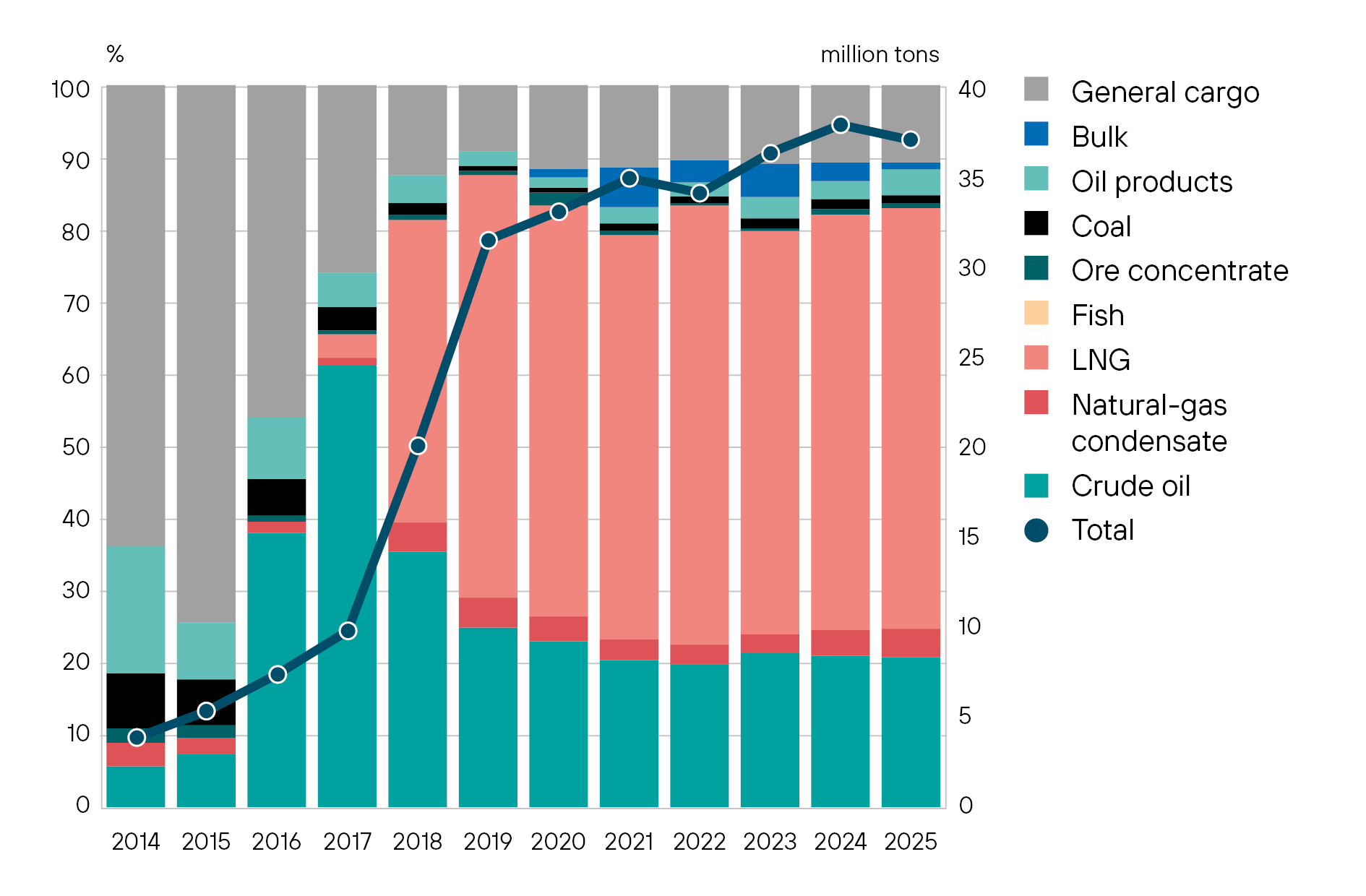
The decline in cargo traffic was mainly due to reduced LNG production at the Yamal LNG plant as a result of maintenance. Increased shipments from the Arctic LNG 2 project partially offset the losses, but not completely.
On January 16, the Association of Commercial Sea Ports published statistics on cargo turnover at Russian ports for 2025. According to the data, cargo turnover at Russia’s Arctic basin seaports amounted to 87.1 million tonnes, which is 6.3% lower than in 2024.
These statistics do not include cargo turnover at the small port of Mezen and the port of Dikson (0.9 million tonnes), as well as oil shipments from the Prirazlomnaya platform (3.7 million tonnes). Taking these into account, the total cargo turnover of marine terminals amounted to 91.7 million tonnes.
A decline in cargo turnover was recorded at all major Arctic ports:
Murmansk — 47 million tonnes (−9.8%),
Sabetta — 29.1 million tonnes (−0.4%),
Varandey — 4.6 million tonnes (−10.3%),
Arkhangelsk — 2.2 million tonnes (−14.6%).
The main contribution to this decline came from a reduction in dry cargo handling by 18.3%, to 21.3 million tonnes. This primarily concerns coal, containerized cargo, and mineral fertilizers. Turnover of liquid bulk cargo decreased by 1.6%, to 65.8 million tonnes.
According to Pavel Oleinik, director of the Murmansk Commercial Sea Port, the decline in cargo turnover in Murmansk is linked to a drop in coal transshipment, which accounts for more than 77% of the port’s throughput. Among the reasons are the long transportation distance and high railway tariffs, which make exporting coal through Murmansk less profitable compared with other ports. Even the growth in iron ore concentrate transshipment does not compensate for the decline in coal volumes.
«The decline in cargo traffic along the Northern Sea Route in 2025 highlights the strong dependence of Russian Arctic shipping on major resource extraction projects. Any reduction in LNG production at Yamal LNG or in oil shipments immediately affects overall traffic. Under such conditions, if European countries stop purchasing LNG from Yamal, it would significantly slow Russia’s plans for Arctic development and for increasing shipping along the Northern Sea Route.
Investments in maritime infrastructure along the Arctic coast directly depend on the success of global market sales by companies engaged in Arctic oil and gas production — Novatek, Gazprom Neft, and Rosneft. The stronger the international sanctions against these companies, the fewer resources Russia has to expand Northern Sea Route infrastructure, and therefore the lower the likelihood of increased shipping, which under current Russian conditions is a positive factor for the Arctic environment and the global climate.»
On January 5–6, Acting Minister of Oceans and Fisheries Kim Seong-beom announced at a press briefing in Busan plans to conduct a trial container voyage along the Northern Sea Route. A vessel with a capacity of 3,000 TEU is expected to sail from Busan to Rotterdam around September, when ice coverage is expected to be at its lowest.
The project involves holding a competition among Korean shipping companies that possess the competencies to operate in Arctic conditions.
The state plans to allocate up to 11 billion won (approximately $7 million) to support shipping companies in the construction of icebreakers and other ice-class vessels for polar navigation, as well as to provide various benefits, including reduced fees for the use of port infrastructure.
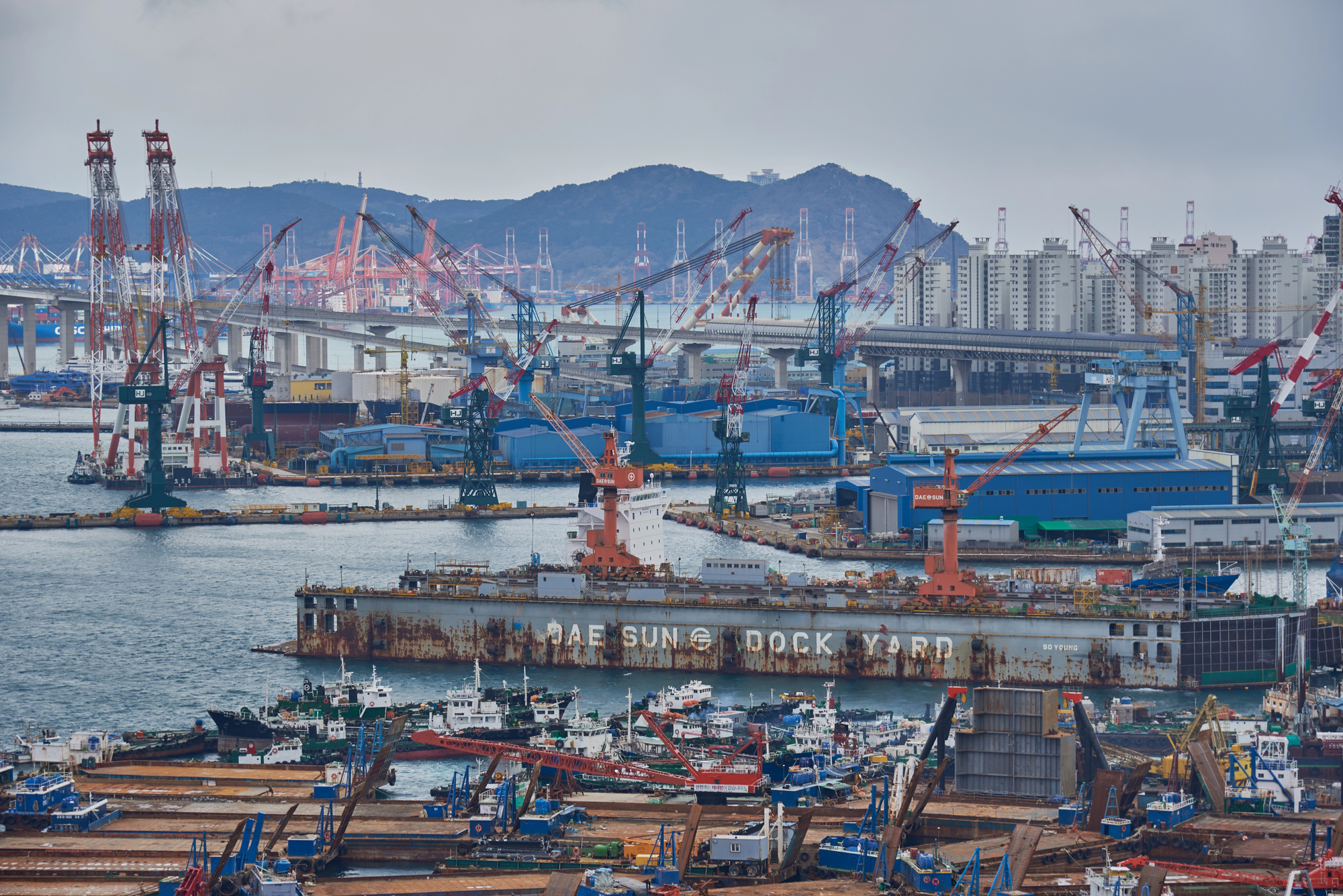
Earlier, in late December, the Ministry of Oceans and Fisheries of the Republic of Korea included the development of Arctic shipping routes among its priorities for 2026.
In recent years, however, leading shipping companies have instead avoided using the Northern Sea Route, citing geopolitical, economic, and environmental risks. Among the companies that have officially refused the route or declared it unacceptable are Maersk, CMA CGM, Evergreen, Hapag-Lloyd, and MSC.
«South Korea, following China, announced this year a transit voyage along the Northern Sea Route to Europe. The desire not to lose to China in the construction of high ice-class vessels, as well as domestic political competition for the votes of residents of the Busan region, where port infrastructure is expected to be significantly expanded if Arctic shipping increases, are pushing Korea to join the “race for the Northern Sea Route” without proper analysis of climate and environmental risks and while ignoring Russia’s aggressive war in Ukraine.
As a result, instead of tightening environmental standards for shipping in the Arctic and restricting the existing unsustainable practices carried out by Russia, South Korea, China, Japan, and other countries may focus their efforts on a false objective — the development of the Northern Sea Route — which would require enormous resources but will most likely produce questionable economic results and strengthen Russia’s geopolitical position in the Arctic.»
On January 22, the French Navy conducted an operation to intercept the oil tanker Grinch in the Mediterranean Sea between Spain and Morocco. The 250-meter vessel departed from Murmansk in late December 2025 and was carrying 730,000 barrels of oil produced at Russia’s Arctic fields.
The purpose of the detention was to verify the legality of the flag used by the tanker. The vessel was escorted to an anchorage off the French coast for inspection. A preliminary investigation confirmed the use of a false flag, and the case materials were forwarded to the Marseille prosecutor’s office.
The investigation showed that the tanker, formally sailing under the flag of the Comoros, had changed its flag at least five times in recent years. Since the beginning of 2025, Grinch has been under sanctions imposed by the United States, the EU, and the United Kingdom. The tanker’s owner, Cube Ventures Shipping SA, is also under sanctions. In February, the tanker was released after the owner paid a multi-million fine.
On the same day, January 22, within several hours after the incident with Grinch, two other tankers that had departed from Murmansk carrying Russian oil changed course and headed back to Murmansk. These were the vessel Huihai Pacific, which had been heading toward the North Sea, and Adonia, which was near Norway’s North Cape.
On January 10, German authorities denied the oil tanker Tavian passage through the Baltic Sea. During an inspection using a helicopter and document checks, the authorities identified a falsified IMO number and false vessel registration. This precedent became the first case in which a European country prohibited a vessel from Russia’s shadow fleet from passing through its waters.
In shipping databases, the vessel was listed as a new tanker flying the flag of Tanzania, but in fact it turned out to be the 28-year-old tanker Arcusat under the flag of Cameroon. A month earlier, the German newspaper Kieler Nachrichten reported that the vessel was in extremely poor technical condition. Since 2013, it has changed its name 11 times and has been on U.S. sanctions lists since 2021 due to illegal oil trading.
Initially, Tavian was heading to Primorsk in the Leningrad region, likely to load Russian oil, but after Germany refused it passage, the vessel turned around and headed to Murmansk. On January 16, the ship was located near Murmansk in the Barents Sea.
Falsifying an IMO number undermines maritime safety, as authorities cannot identify the real owner or verify the existence of valid insurance, including mandatory coverage for environmental pollution liability. Without verified data, it is impossible to confirm a vessel’s compliance with international safety standards, technical condition requirements, and environmental regulations, which increases the risk of accidents, oil spills, and other incidents.
«The U.S. seizure of Venezuela’s shadow fleet tankers in December 2025 appears to have encouraged European countries to conduct stricter inspections and blockages of oil tankers belonging to Russia’s shadow fleet. It is therefore not surprising that more thorough inspections have revealed violations of maritime law.
Such fraud not only provides economic benefits to authoritarian regimes but also undermines maritime safety. Therefore, stricter controls and efforts by European countries to prevent vessels from Russia’s shadow fleet from passing through their waters can only be welcomed.»
On January 26, the EU formally adopted a regulation under the RePowerEU program aimed at the gradual phase-out of imports of Russian pipeline gas and LNG. According to the new regulation:
The regulation provides for transition periods for already concluded contracts in order to minimize the impact on prices and markets.
By March 1, 2026, EU member states must prepare national plans for the diversification of gas supplies and identify potential challenges related to replacing Russian gas.
Of the 27 EU member states, two — Hungary and Slovakia — voted against the measure, citing their geographic position and lack of access to the sea, as well as their dependence on pipeline supplies and infrastructure problems in neighboring EU countries that prevent them from replacing Russian gas with alternative sources at an acceptable price.
Hungary has announced its intention to challenge the ban in the Court of Justice of the European Union.
Despite the political decision to impose a ban, imports of Russian LNG into the EU remained at a high level in 2025. According to an analysis by the German environmental organization Urgewald, Yamal LNG accounted for 14.3% of the EU’s total LNG imports in 2025. European countries spent about €7.2 billion on purchases from the project. At the same time, 76.1% of Yamal LNG’s total exports in 2025 were directed to the EU (75.4% in 2024). The largest importers were France, Spain, Belgium, and the Netherlands.
Imports of LNG into European countries were paradoxically affected by the ban on the transshipment of Russian LNG through EU ports, which came into force in March 2025. Previously, part of the cargo from Yamal LNG was transshipped in EU ports and then sent to China or India. Now these volumes are being left in Europe and sold directly to European buyers.
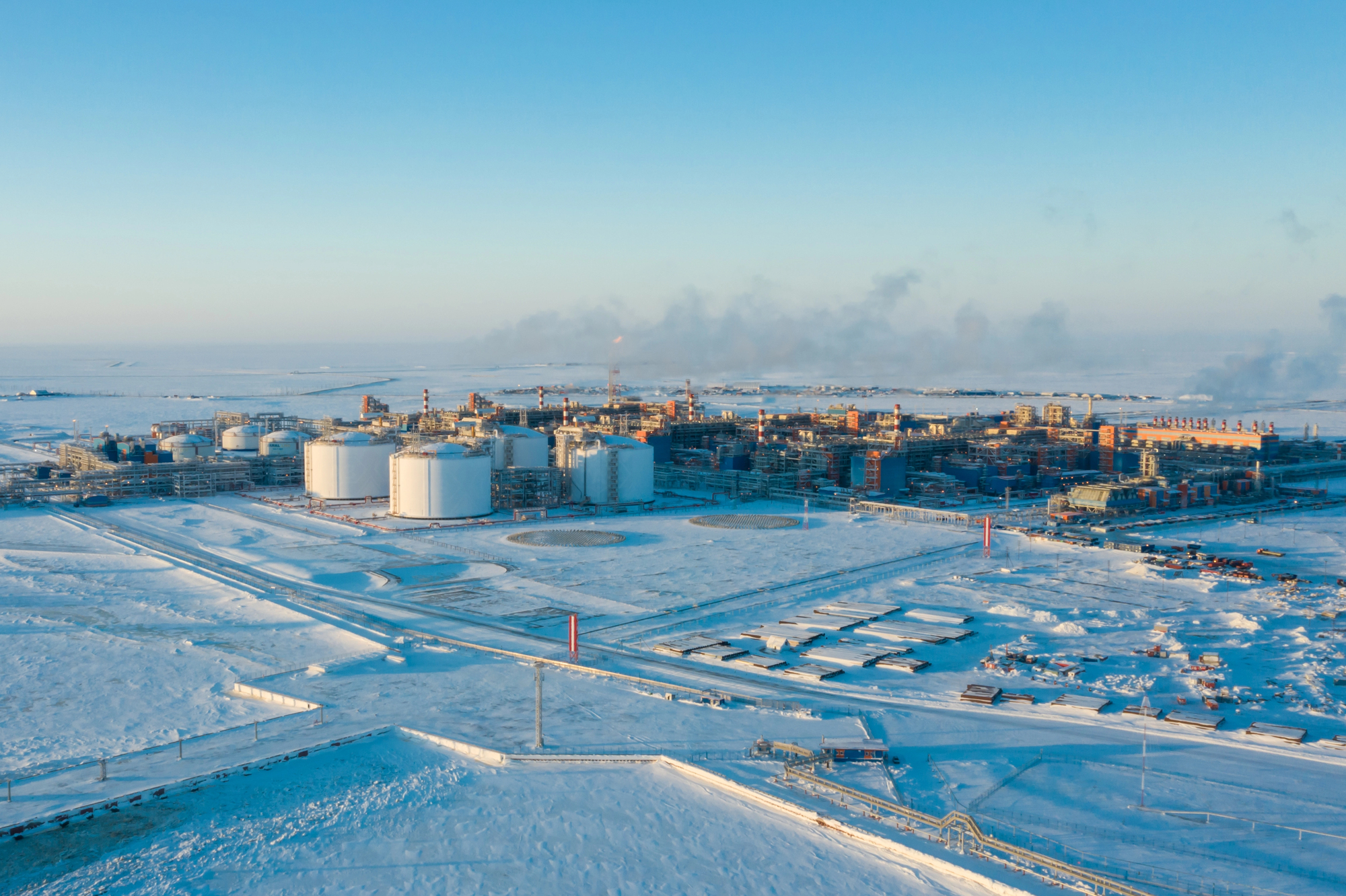
The increase is particularly noticeable at the Belgian terminal in Zeebrugge. In 2024, about 2.7 billion cubic meters of LNG were kept there, while the rest was sent onward. In 2025, imports rose to 5.5 billion cubic meters (or 4.6 million tons), exceeding China’s total imports from Yamal over the same period (3.6 million tons).
This trend continued in 2026. According to Urgewald, in January 92.6% of exports from the Yamal LNG project were delivered to EU countries — France, Spain, the Netherlands, and Belgium. European ports received 23 out of 25 cargoes, with a total volume of about 1.69 million tons. This is 8% higher than in January 2025.
«Ending imports of Russian LNG by European countries is a necessary, albeit significantly overdue step. In the fifth year of Russia’s invasion of Ukraine, France, Spain, Belgium, and the Netherlands have failed to develop plans to phase out Yamal LNG. Therefore, even now, when the EU’s decision on new sanctions appears to have been finalized, there is no certainty that these countries will manage (or be willing) to present their plans on time in order to end all imports from Yamal by the beginning of 2027 without compromising their energy security. For now, their tactic — increasing purchases of Russian LNG “while it is still possible” — does not appear particularly forward-looking.»
In 2025, the Norwegian company Agaqua supplied salmon juveniles to Russia worth about €18.5 million, setting a record for recent years and nearly doubling the figures for 2024.
Agaqua remains the only Norwegian company continuing to export salmon smolts to Russia, supplying them to Russia’s largest salmon producer, Inarctica. At the same time, Norwegian fish feed suppliers Skretting and BioMar completely stopped deliveries to Russia in 2022, and another producer, Ewos, joined them in 2023.
Since 2014, Russian sanctions have been in place banning the import of Norwegian salmon into Russia, but the import of juveniles and feed remains legal and is based on long-standing ties in aquaculture.
At the end of 2024, Agaqua’s subsidiary (Villa Sea) received permission from the Norwegian Food Safety Authority to use the transport vessel Sea Salmon to deliver salmon smolts to Murmansk until October 2029.
«Such examples once again show that without political will, private companies are not inclined to voluntarily abandon “business as usual” and will continue to use established connections to pursue their own benefits without regard for broader social and political consequences.»
Despite the fact that Norway and Russia agreed in December 2025 on the sector’s operations for 2026, Russia has announced the suspension of its participation in several working groups of the Joint Norwegian–Russian Fisheries Commission.
Norway’s Minister of Fisheries and Ocean Policy, Marianne Sivertsen Næss, said in an interview with HNN that the suspension will affect working groups on fisheries management and control, the exchange of statistics, and scientific cooperation. She added that, despite this, the parties have maintained common technical rules on fishing practices and agreed on a joint research program for 2026.
At the same time, the dispute continues over the fishing company Norebo, which controls about 40% of Russia’s cod quota in the Barents Sea. In June 2025, Norway, following the European Union, banned Norebo vessels from accessing its territorial waters and exclusive economic zone, citing suspicions of intelligence activities. This prompted threats from Russia to terminate the fisheries agreement with Norway.
In January 2026, Norebo owner Vitaly Orlov filed a lawsuit against Norway, seeking the removal of sanctions and the restoration of access for the company’s vessels to Norway’s exclusive economic zone for fishing. The first hearing took place on January 26 at the Oslo District Court, where the company requested an interim measure — the extension of its licenses while the main case is under consideration. The court rejected this request, citing the priority of Norway’s national security over the commercial interests of a sanctioned company.
In January, Sweden and Finland called on the European Union to tighten sanctions against Russian Arctic shipping. They propose that the 20th sanctions package introduce a full ban on insurance, transshipment, port calls in European ports, and, most importantly, the repair of vessels transporting oil, gas, and coal. Earlier, in November 2025, the United Kingdom introduced a similar ban, which is expected to take effect during 2026.
European shipyards and insurance services are critically important for Russian Arctic vessels. Without access to them, Arc7 ice-class LNG carriers would face downtime, operate with increased risk, or seek repairs in Asia, which would increase both time and costs.
On January 26, the UK Department for Transport published a joint open statement addressed to the international maritime community, signed by 14 coastal countries of the Baltic and North Seas (Belgium, the United Kingdom, Germany, Denmark, Estonia, Finland, France, Latvia, Lithuania, the Netherlands, Norway, Poland, Sweden, as well as Iceland).
In the statement, they express concern about growing threats to maritime safety originating from Russia. These include manipulation of AIS systems (switching them off or falsifying data) and interference with global satellite navigation systems (GNSS). Such actions endanger maritime navigation, complicate traffic coordination, increase the risk of accidents, and hinder rescue operations. The countries call for recognizing such interference as a security threat, ensuring that crews are trained to operate without GNSS, and developing alternative terrestrial radionavigation systems.

The statement emphasizes the need for all vessels to comply with international conventions (SOLAS, MARPOL, COLREG, UNCLOS, and others). In particular, vessels are allowed to sail under the flag of only one country. The use of multiple flags or changing them at will violates Article 92 of the United Nations Convention on the Law of the Sea (UNCLOS) and is treated as the absence of nationality and a state flag.
Vessels must also carry valid documentation on safety and insurance, safety management systems, incident reports, and pollution prevention plans. Manipulation of AIS, switching off transponders, or falsifying location data is prohibited.
«Although the statement by European countries primarily concerns the Baltic and North Seas, one of the signatories is Norway, which has access to the Barents and Norwegian Seas, through which routes of the shadow fleet from Russian Arctic ports pass. Pressure on the shadow fleet in the Baltic and North Seas could create a precedent for similar measures in the Arctic.»
Norilsk Nickel’s multi-billion-dollar project to build a copper plant in China, announced by the company’s head Vladimir Potanin in 2024, has come close to collapse after the Chinese partner decided to withdraw from the project. Norilsk Nickel did not disclose the partner’s name, but according to Reuters, it may be the company Xiamen C&D.
The new facility, with a capacity of 500,000 tons of copper per year, was planned for the port city of Fangchenggang in the Guangxi Zhuang Autonomous Region. Bloomberg, citing sources, reports that Norilsk Nickel had planned to sign the construction agreement before May 2025, timing it to coincide with Putin’s visit to Beijing.
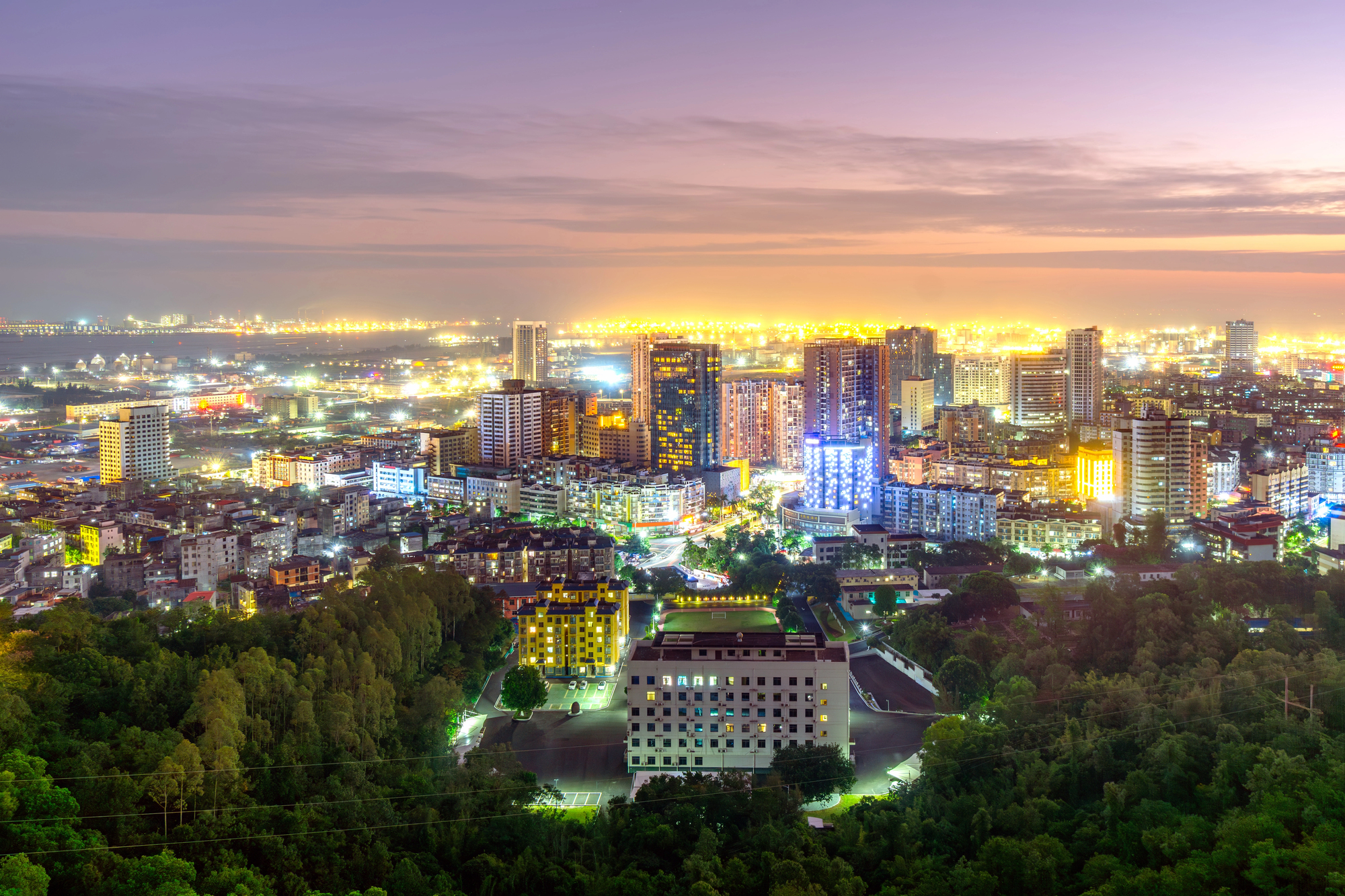
The company is now searching for a new partner. If it fails to find one, it may have to ask the government to extend the operation of the copper plant in Norilsk, which was planned to be shut down in 2027. The Norilsk plant, built in 1935, was originally intended to be modernized to reduce harmful emissions. However, Norilsk Nickel decided that opening a new facility in China would be simpler. In addition, this would help address problems with equipment supplies and bring production closer to customers — after the start of the war, more than 50% of Norilsk Nickel’s sales have been directed to Asia, primarily to China.
Despite statements about a “strategic partnership without limits” and Putin’s visits, China views Russian companies as toxic partners. Chinese banks regularly block Norilsk Nickel’s payments whenever a new sanctions package is introduced, the company’s vice president Anton Berlin previously complained. Relocating production to China could also have helped address this problem.
Overall, the company’s production volumes remained largely unchanged, showing a slight decline, while financial indicators, on the contrary, increased slightly.
Nickel production fell by 3% to 199,000 tonnes compared with the previous year. This was due to a higher share of blended ores and a lower share of high-grade ores in the processed feedstock. Almost all nickel — 198,200 tons — was produced from the company’s own raw materials. Production of premium-grade nickel increased, in particular Nornickel Plating Grade nickel, which rose by 30%.
Copper production amounted to 425,000 tonnes, or 2% lower than a year earlier. Of this, 70,000 tonnes were produced by the company’s Zabaykalsky division.
Norilsk Nickel’s net profit under IFRS for the first half of 2025 increased by 2% to $842 million, compared with $829 million a year earlier.
The implementation of several operational projects continued.
In the Polar Division, construction began on a new level at the Glubokaya shaft of the Skalisty mine in order to maintain declining capacities and develop new mining capacity. The reconstruction of the cobalt production workshop at the Kola site was completed.
«The implementation of Potanin’s idea to relocate the copper plant from Norilsk to China, which he proposed in 2024, has encountered expected difficulties — insufficient interest from Chinese companies. Apparently, Chinese investors do not see clear benefits in such a joint project. This may be explained by the risk of secondary sanctions or simply by the lack of advantages in having Russian companies as partners.
Therefore, the copper plant will most likely continue operating in Norilsk, which means that severe air pollution from sulfur oxides in the city will also persist, as Norilsk Nickel had not planned to extend its sulfur reduction program to this facility and had not allocated funding for it.»
In January, Rosneft reported that its subsidiary RN-Vankor had begun the winter delivery of nearly 1 million tonnes of cargo to the fields of the Vankor and Payakha clusters in the north of the Krasnoyarsk region (both clusters are part of Rosneft’s Vostok Oil project). Deliveries are carried out along the Northern Sea Route during the winter navigation season using six sea vessels and two icebreakers for escort, while overland transport uses winter roads and ice crossings stretching more than 2,000 km.
The main cargo includes construction materials, metal structures, pipes, equipment, machinery, and specialized vehicles required for the construction and operation of oil production facilities and hydrocarbon transportation infrastructure.
The Vankor cluster is an already operating group of fields on the Taimyr Peninsula, including the Vankor, Suzun, Lodochnoye, and Tagul fields. Oil has been produced at the Vankor field since 2009. As part of the Vostok Oil project, an oil pipeline is being built from Vankor to Payakha and further to the Bukhta Sever port in order to redirect flows for export along the Northern Sea Route to Asia.
The Payakha cluster is also part of the large Arctic project Vostok Oil and includes the Payakha, East Taimyr, and West Irkinsky fields. In 2019, the oil reserves of the Payakha group of fields were confirmed at 1.2 billion tonnes. Pilot production began in 2025, and oil is currently transported by truck.
The full launch of the first phase of the Vostok Oil project, with shipments of up to 30 million tonnes of oil per year through the Bukhta Sever port along the Northern Sea Route, has been postponed to 2026.
In St. Petersburg, Alexey Dudarev, Doctor of Medical Sciences and Chief Researcher at the North-West Public Health Research Center of Rospotrebnadzor, has been arrested in a “treason” case. This was reported by the human rights project Perviy Otdel. Dudarev was detained on January 14 on his way to work. A search was conducted at his apartment. The court ordered his detention in custody until March 13, 2026.
According to his family, Dudarev never had access to classified information and did not sign any related confidentiality obligations. As reported by The Barents Observer, Dudarev studied the impact of toxic pollutants on the health of people living in the Far North, including Indigenous communities. The scientist himself has not admitted guilt.
The charges are based on Dudarev’s publications in open international scientific journals of the Arctic Monitoring and Assessment Programme (AMAP), where he was a co-author. Investigators claim that information from these scientific publications could allegedly have been used by Norwegian intelligence.
Since the 1990s, AMAP has operated within the framework of the intergovernmental forum the Arctic Council, whose members include eight Arctic states, including Russia and Norway. After the start of Russia’s invasion of Ukraine, Russia’s activities in the council were suspended, but it has not formally withdrawn and remains a member.
«The persecution of scientists by the Russian authorities has unfortunately become a common occurrence. High-profile targeted criminal cases are intended to intimidate the entire academic community, restrict its contacts with colleagues from other countries — especially those considered “unfriendly” by Russia — and suppress free thinking and the independence of science.
Moreover, this particular case also illustrates the real attitude of the current Russian authorities toward the Arctic Council, for which Alexey Dudarev had prepared materials. For the current leadership of the Russian Federation, the council is an unfriendly body that can be portrayed as a tool for political manipulation. Therefore, the hope expressed by representatives of Norway and Denmark for constructive cooperation with Russia within the Arctic Council to preserve the Arctic is an illusion that has little to do with reality.
Russia has no intention of sharing genuine scientific data on the Arctic, especially when it concerns the impact of industrial pollution on the environment and human health.
Attempts by the Arctic Council to maintain contact with Russian scientists who, turning a blind eye to the war in Ukraine, try to continue their research may at any moment result in criminal charges against them. Moreover, if a Russian scientist living in Russia regularly maintains contacts with the international community, it is most likely that such participation is sanctioned by Russian security services, and their views cannot be considered independent.»
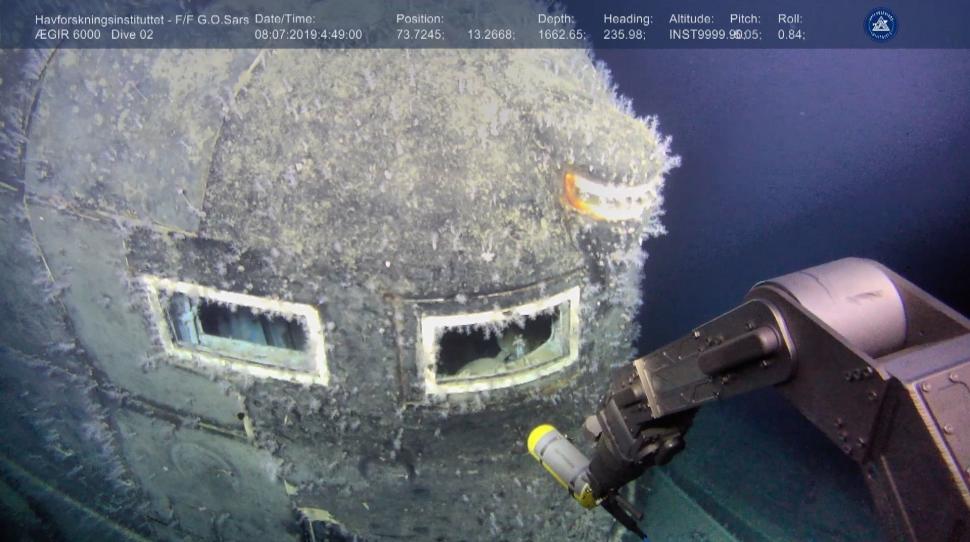
The Norwegian Radiation and Nuclear Safety Authority has published a study on the possible impact of climate change on the spread of radioactive substances from the Soviet nuclear submarine K-278 Komsomolets, The Insider reports. The submarine sank in the Norwegian Sea in 1989 at a depth of 1,673 meters after a fire. Fuel assemblies with nuclear fuel remain in the reactor, and two torpedoes with nuclear warheads are still on board. The total radioactivity is estimated at around 3 PBq.
Scientists conducted computer modeling of various scenarios of radioactive leakage, taking into account projected climate changes. They examined four scenarios: continuous leakage from the seabed, continuous leakage throughout the water column, a one-time release from the seabed, and a one-time release throughout the water column. For each scenario, they calculated the spread of contamination under current conditions and under intensified climate change.
According to the study’s conclusions, global warming will reduce the risk of radiation reaching surface waters. The reason is that rising air temperatures and increased precipitation strengthen the stratification of ocean waters, meaning that the warm upper layers mix less with the colder deep layers where the submarine is located. As a result, radioactive substances are less likely to reach the surface.
The modeling showed that in the event of a leak, radiation would spread mainly within the Norwegian Sea, with some reaching the Barents Sea and the Arctic Ocean. Concentrations along the Norwegian coast — in the areas of the Lofoten Islands, Tromsø, and Kirkenes — would increase gradually over two decades but would remain significantly lower under climate change conditions compared with the baseline scenario.
The study was conducted as part of Norway’s nuclear safety action plan. The agency emphasizes that the work is predictive in nature and does not mean that the submarine currently poses a real threat.
In the early 1990s and in 2007, Russian scientists who examined the Komsomolets using the Mir submersible recorded small leaks of radionuclides from the submarine, including cesium-137 from a pipe near the reactor compartment. In 2019, a Norwegian-Russian expedition measured the concentration of radioactive substances at the leakage sites — it was about 100 Bq/L. Scientists noted that these leaks do not pose a danger to marine ecosystems.
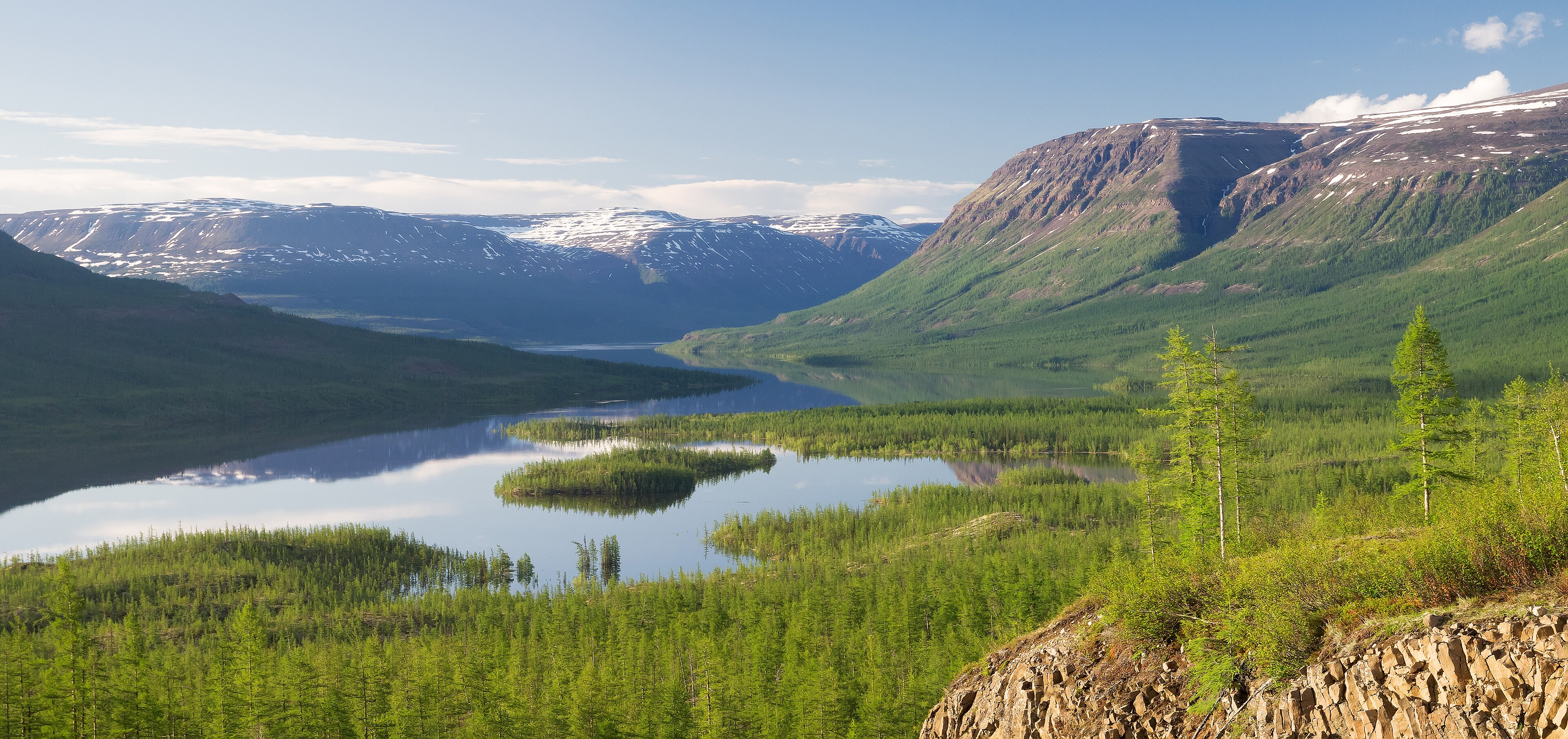
In 2025, the Russian Geographical Society, together with the organization Taimyr Reserves, conducted an expedition to the Putorana Plateau to survey sites where illegal industrial waste has accumulated. The plateau, which is included on the UNESCO World Heritage List, is located in the northwestern part of the Central Siberian Plateau, east of Norilsk and south of the Taimyr Peninsula.
During the survey, three contaminated sites were recorded in the area of Lake Ayan — at the mouths of the Amnundakta and Gulemi rivers, as well as near the Yuzhny Ayan ranger station.
Most of the waste consists of old scrap metal: more than 700 barrels, metal structures, buckets, and wire. Wood waste, glass, textiles, rubber, and petroleum products were also found. The most difficult situation was recorded at the mouth of the Gulemi River, where 16 sealed barrels containing petroleum products were discovered.
The greatest risk is the potential contamination of soil and water by petroleum products, corrosion products, and the movement of waste during floods.
A cleanup plan is currently being developed. The timeline for its implementation has not yet been announced.
On January 11, a gasoline spill occurred at a Rosneft oil depot in Olenegorsk in the Murmansk region. About 80 tonnes of AI-95 gasoline leaked onto the ground after a pipeline rupture.
On January 26, about 100 cubic meters of oil products were spilled during pumping from a storage tank at a regional Emergency Ministry (EMERCOM) oil depot in the settlement of Tiksi in Yakutia. Part of the fuel reached the ice of Neelova Bay. A state of emergency was declared in the area.
In this news digest, we monitor events that impact the environment in the Russian Arctic

In this news digest, we monitor events that impact the environment in the Russian Arctic

In this news digest, we monitor events that impact the environment in the Russian Arctic

In this news digest, we monitor events that impact the environment in the Russian Arctic. Our focus lies in identifying the factors that contribute to pollution and climate change