
Bellona Nuclear Digest. November 2025
A monthly analytical review offering expert insight into key developments in nuclear policy, economics, safety, and technology related to the activities of Rosatom in Russia, Ukraine, and other countries
News
Publish date: 12/02/2026
News
After Russia’s full-scale invasion of Ukraine in February 2022, Bellona ceased its activities in the aggressor country. On 18 April 2023, Russia’s Prosecutor General’s Office declared Bellona an undesirable organization in the Russian Federation.
Nevertheless, we continue to systematically monitor and analyze developments related to Rosatom’s activities that we believe are of interest to an international audience. The aim of this review is to assess the scale of Russia’s international influence in the nuclear sector, as well as the associated political, economic, and environmental risks.
This digest covers events from December 2025.
You can follow the links to read the three most recent digests covering November, September-October and August 2025. Subscribe to our mailing list to stay informed about future issues. Download a PDF of this digest here.
NUCLEAR EVENTS IN UKRAINE AND THE WAR
1. The Zaporizhzhia NPP and other nuclear facilities in Ukraine. Event timeline for December 2025
1.1. Nuclear diplomacy events
– Russia continues integrating the ZNPP into Russia’s legal framework; Ukraine contests the legality of these actions
– The future of the ZNPP remains disputed in peace settlement talks
1.2. Military threats at the ZNPP and other nuclear facilities of Ukraine
– IAEA assessment of the condition of key substations serving Ukraine’s NPPs
– Disruptions to off-site power supply at Ukrainian NPPs due to attacks
1.3. Operational status of the ZNPP and IAEA walkdowns of site facilities
2. Events in Ukraine’s Nuclear Sector
– Progress in the localization of Westinghouse fuel manufacturing in Ukraine
– Formation of a new independent Supervisory Board of NAEK Energoatom
INTERNATIONAL NUCLEAR EVENTS AND THEIR CONNECTION WITH RUSSIA
3. Framatome Prepares to Manufacture VVER Fuel in France
4. Hungary Receives Its Final 2025 Fuel Shipment for the Paks NPP
EVENTS IN THE RUSSIAN NUCLEAR SECTOR AND IN ROSATOM PROJECTS ABROAD
5. Events at Russian Nuclear Power Plants
– All units at the Bilibino NPP have been shut down
– A license has been issued for the decommissioning of Unit 1 at the Leningrad NPP
– A possible Chinese supplier of turbine equipment for Units 3–4 of the Leningrad NPP-2 has been reported
– Unit 1 at the Kursk NPP-2 has been synchronized with the grid
6. Events in Nuclear Shipbuilding
– Penalty imposed on the Baltic Shipyard for delayed delivery of the nuclear-powered icebreaker Yakutia
– Lead Lider icebreaker: nuclear fuel manufactured, delivery delayed
7. Rosatom Expands Cooperation with Kazakhstan, India, Niger, and Ethiopia in Nuclear Energy and Uranium Mining
8. Rosatom Delivers Fuel for a Research Reactor in Uzbekistan
9. Locations of Submerged Vessels and Radioactive Waste Containers Identified in the Arctic
10. Rosatom’s Projects Abroad in Brief
On December 3, Russian representatives at the Zaporizhzhia NPP reported that a scheduled rotation of IAEA experts had taken place.
On December 4, the Russian press service announced that the ZNPP had completed its transition to a standard organizational structure used at Russian NPPs. All staff underwent certification to work in accordance with the norms, standards, and requirements of Russian Federation legislation. The move was described as a planned step in the integration of the ZNPP “into Russia’s legal, economic, and technological framework.”
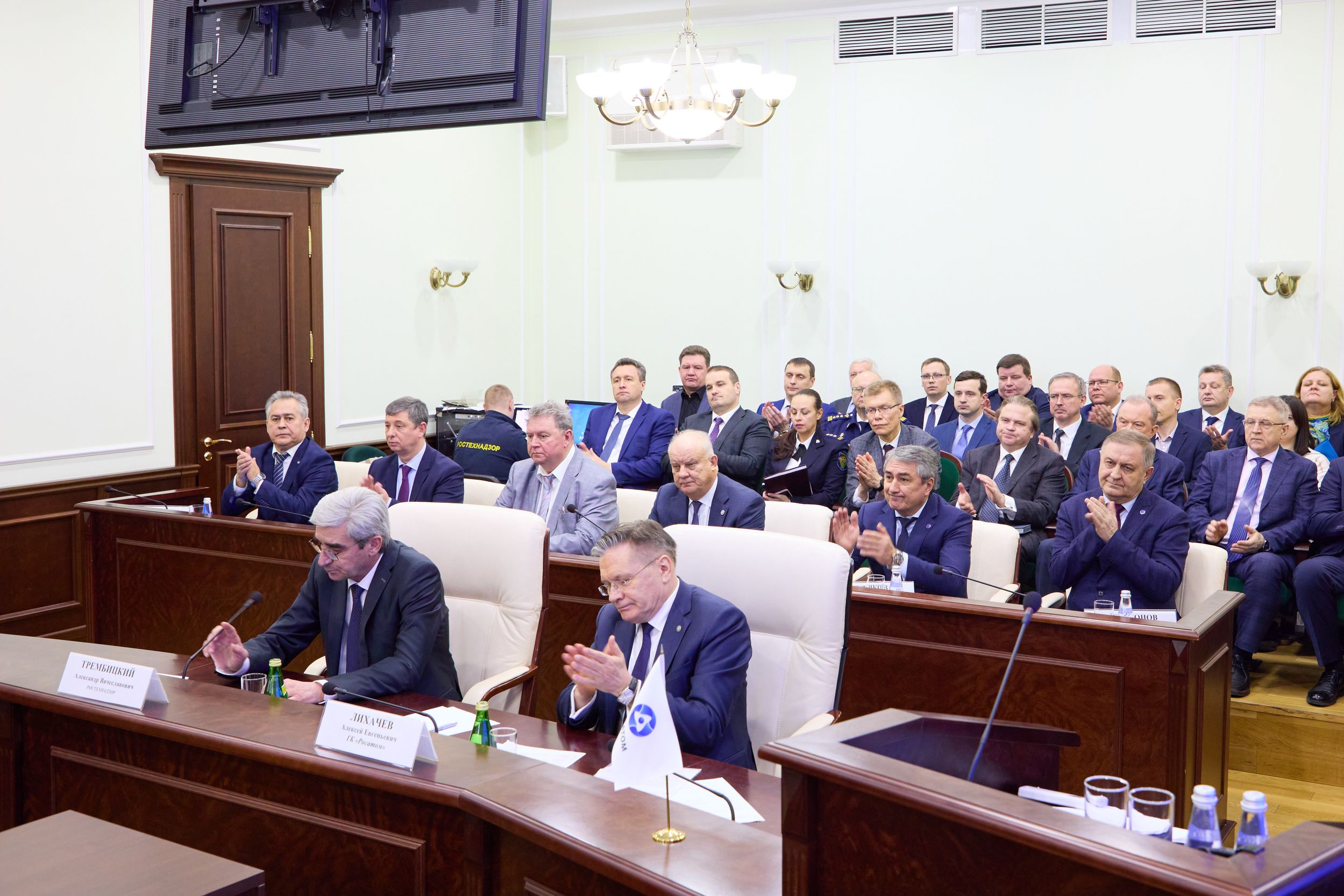
On December 23, a formal ceremony took place at Rostekhnadzor, marking the issuance of an operating license for Unit 1 of the ZNPP. The event was attended by Director General of Rosatom Alexey Likhachev, First Deputy Director General for Nuclear Energy Andrey Petrov, Director General of Rosenergoatom Alexander Shutikov, and Director General of JSC EO ZNPP Ramil Galiev.
The Russian side also described the event as a step in the integration of the seized Ukrainian nuclear power plant into the legal framework of the Russian Federation. The issuance of licenses for Units 2–6 is planned for 2026–2027.
Ukraine once again expressed its concerns to IAEA Member States regarding this activity by the Russian side, as well as public statements indicating an intention to extend such decisions to other units in the future. It was emphasized that such actions by Russia are legally invalid, as “the armed occupation of part of Ukraine’s territory does not create any legal grounds for changing the status of nuclear installations or for applying the national legislation of the occupying power to them.”
The statement stressed that attempts to impose unilateral “national regulation” on a nuclear installation belonging to another state in the context of armed aggression and occupation create serious risks to the global nuclear safety and security regime. Such actions also undermine confidence in the international safeguards system established under the Treaty on the Non-Proliferation of Nuclear Weapons and run counter to the Treaty’s goals and principles.
In December, discussions continued on possible parameters of a peace agreement between Ukraine and Russia mediated by the United States. The United States proposed a 28-point peace plan for Ukraine, which Kyiv later reduced to 20 points. The future of the ZNPP remains one of the key issues in the negotiations, on which the sides have so far been unable to reach agreement.
The United States proposed a “33%–33%–33%” arrangement, envisaging a leading role for itself in the joint management of the ZNPP. In late December, Ukraine responded by proposing to exclude Russia from the joint management arrangement and to operate the plant under a “50–50” scheme, under which 50% of the electricity would go to Ukraine, while the remaining 50% would be distributed by the United States at its discretion. Ukraine also proposed establishing a demilitarized free economic zone in Enerhodar.
As for the Russian side, according to Kommersant, the Russian president has stated that Russia and the United States are discussing the issue of joint management of the ZNPP without Ukraine’s participation. It is also reported that the United States is interested in organizing cryptocurrency mining at the plant.
Between December 1 and 12, the IAEA conducted an inspection mission to assess the condition of electrical substations critical to nuclear safety and security in Ukraine. More than ten substations linked to the operation of nuclear power plants were examined. The inspections assessed damage caused by Russian attacks as well as progress in repair efforts. The mission also sought to identify practical measures to enhance the resilience of NPPs’ off-site power supply.
The IAEA began conducting such missions in September 2024, emphasizing that access to reliable off-site power supply beyond NPPs is one of the Seven Indispensable Pillars for maintaining nuclear safety and security during armed conflict, outlined by the Agency’s Director General, Rafael Mariano Grossi, in March 2022.
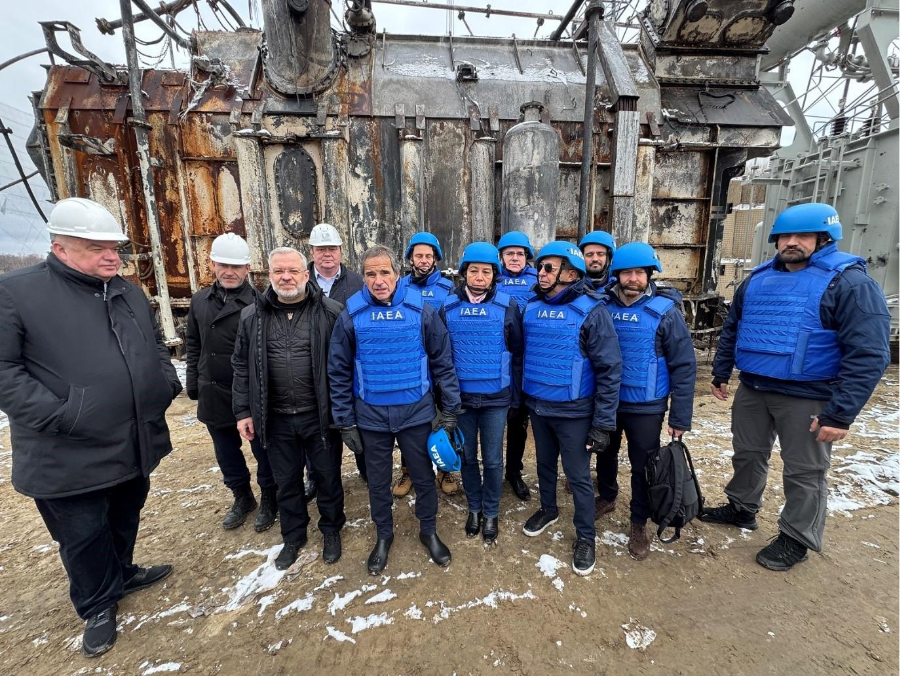
Following the current mission, the IAEA team concluded that the situation in Ukraine’s electrical grid is the worst since monitoring began. Experts confirmed that continued and deliberate attacks on critical grid infrastructure have a cumulative effect, negatively affecting both the operation of nuclear power plants and the working conditions of personnel.
Grossi noted that attacks on Ukraine’s electrical grid appear to be coordinated and aimed at maximizing disruption, and that the overall stability of the grid continues to deteriorate.
At the same time, in December Russia continued large-scale attacks on Ukraine’s grid infrastructure, including high-voltage substations critical to the operation of NPPs.
The IAEA reported that on December 6 Russian strikes on Ukraine affected the electrical grid and the off-site power supply to the three operating NPPs, resulting in fluctuating power outputs, temporary disconnections, and forced outages of some units. In several cases, units were taken off-line or operated at reduced capacity to maintain grid balance and prevent equipment damage following the activation of protection systems.
At the same time, the ZNPP completely lost off-site power, with both available power lines disconnected early in the morning. The plant automatically switched to emergency diesel generators, supplying power to reactor cooling pumps and other essential nuclear safety and security functions.
The loss of off-site power lasted for approximately half an hour. Connection to the backup 330 kV Ferrosplavna-1 line was restored first. The main 750 kV Dniprovska line was restored nine hours later.
On December 13, another large-scale attack on Ukraine followed.
The IAEA reported that on December 13–14 disruptions to Ukraine’s electrical grid again led to fluctuating power outputs and temporary disconnections of power lines at the Khmelnytskyi, Rivne, and South Ukraine NPPs. In several cases, units operated at reduced capacity to maintain grid stability and prevent equipment damage.
On December 13, the ZNPP again completely lost off-site power for more than two hours. All available emergency diesel generators were automatically started. Both external power lines were later restored, and the diesel generators were returned to standby mode.
On December 15, another incident highlighted the vulnerability of the ZNPP’s power supply system: power transmission between the plant’s switchyard and the Zaporizhzhia thermal power plant switchyard was interrupted. This connection provides a transmission route from a 330 kV power line. Following the interruption, the plant was left with only one of its two available off-site power lines connected. IAEA experts were informed that the power line between the autotransformer and the Zaporizhzhia thermal power plant switchyard was damaged, reportedly due to military activity.
On December 23, electrical substations critical to the operation of Ukraine’s operating NPPs were again affected by Russian military actions, leading to reduced power output at the Khmelnytskyi and Rivne NPPs.
On December 28–29, during a local ceasefire agreed with IAEA mediation, repair work was completed that, after two weeks, enabled the restoration of power transmission between the switchyards of the ZNPP and the nearby Zaporizhzhia thermal power plant. The work fully eliminated damage to the power line as well as a separate issue with the ZNPP switchyard’s autotransformer. The repairs were monitored by the IAEA team permanently present at the ZNPP.
On December 5 at the ZNPP, the IAEA team observed a test of an emergency diesel generator. At the full-load stage, a cloud of smoke and flames up to a few meters high were emitted from the exhaust stack of the diesel generator building; the flames subsided after a few minutes.
According to information received by the IAEA, the fire was caused by the ignition of soot that had accumulated in the exhaust system during the prolonged operation of the diesel generator while off-site power was unavailable in October–November.
After the test was completed, Agency experts were informed that it had been successful and that the diesel generator had been returned to standby mode. The IAEA team later inspected the building and did not notice any issues with respect to nuclear safety.
«Nothing has changed. The war continues, and as a result all of Ukraine’s nuclear facilities remain in a high-risk zone — a risk that extends beyond Ukraine’s territory to neighboring countries. According to Rafael Mariano Grossi, Ukraine remains the epicenter of the world’s most significant nuclear risks, and the situation is not improving.
The Zaporizhzhia NPP is effectively in a “political decision–pending” mode. According to media reports, the future of the ZNPP—along with the status of the Donbas territories—remains the main unresolved issue in political negotiations between Ukraine, Russia, and the United States. The ZNPP units remain in a cold shutdown state; however, power lines supplying electricity for fuel cooling and other plant needs are repeatedly disconnected, despite the need to maintain power supply to minimize accident risks.
At the Zaporizhzhia NPP, Rosatom has stepped up certain organizational and technical efforts, thereby signaling concern for preserving the plant’s equipment and its expectation that the ZNPP will remain under Russian ownership. The Russian nuclear regulator, Rostekhnadzor, intends to issue licenses, first and foremost for those units loaded with Russian fuel. Information from the Russian management of the ZNPP regularly refers to ongoing repair and maintenance work on plant equipment. Alexey Likhachev and other Rosatom executives repeatedly emphasize that obtaining licenses would allow them to consider the possibility of resuming electricity generation in the future.
The Ukrainian side expresses strong skepticism regarding these actions and statements by Russia, stressing that Rosatom will not be able to carry out full-scale maintenance of safety-critical equipment—particularly reactor control and protection systems—since all such systems at the ZNPP are of Ukrainian manufacture. How accurate this assessment is remains difficult to determine; however, it represents one of the fundamental issues when considering the potential risk of a nuclear accident.
The issue of personnel currently working at the ZNPP also remains unresolved. At present, around 3,000 former ZNPP employees have signed contracts with Rosatom, and several hundred specialists have arrived from other Russian NPPs. However, in the nuclear industry, the key factor is not the number of staff, but their competence and reliability. In this context, it can hardly be argued that the personnel issue at the ZNPP has been reliably resolved.
Ukraine’s three other operating NPPs continue to operate under heightened threat conditions caused by Russia’s ongoing attacks on Ukraine’s grid infrastructure, while at the same time supplying around 70% of the electricity consumed by Ukrainian consumers.
The IAEA continues to monitor the situation at Ukraine’s NPPs through its on-site presence. However, monitoring and calls to adhere to the Agency’s Five Concrete Principles are essentially all that the IAEA can do at present. Russia’s actions related to the seizure of the ZNPP and attacks on Ukraine’s energy facilities, including NPPs, are classified by the international community as nuclear terrorism.
Ultimately, decisions will be made at the political level; however, at this stage, the parties to the conflict are not ready to compromise on the ZNPP.»

Aleksander Nikitin
Special Nuclear Advisor
On November 19, NAEK Energoatom signed an agreement with Westinghouse Electric Sweden AB to procure equipment for manufacturing fuel assemblies for VVER-1000 reactors, valued at $21.10 million. Delivery is scheduled by the end of 2028. The equipment will be used at a fuel fabrication facility currently being established in Ukraine based on Westinghouse technology.
Earlier, in summer 2025, contracts were also signed for technology transfer, valued at $27.7 million, and for a license covering the design and manufacturing technology of VVER-1000 fuel assemblies, valued at $3 million.
On December 31, the independent members of the new Supervisory Board of NAEK Energoatom were approved. They are:
On December 17, Politico published an article addressing plans by the French company Framatome to manufacture fuel assemblies for European VVER reactors of Soviet design under a license from Rosatom’s fuel company TVEL.
Framatome applied for a permit to manufacture hexagonal fuel assemblies for VVER-1000 reactors at its facility in Lingen, Germany, as early as March 2023. However, the license has still not been issued due to concerns on the German side related to Russia’s involvement in the project. According to Politico, the project remains under review by Germany’s Ministry for the Environment and national security agencies. A decision on whether to approve or deny the license is expected in the coming weeks.
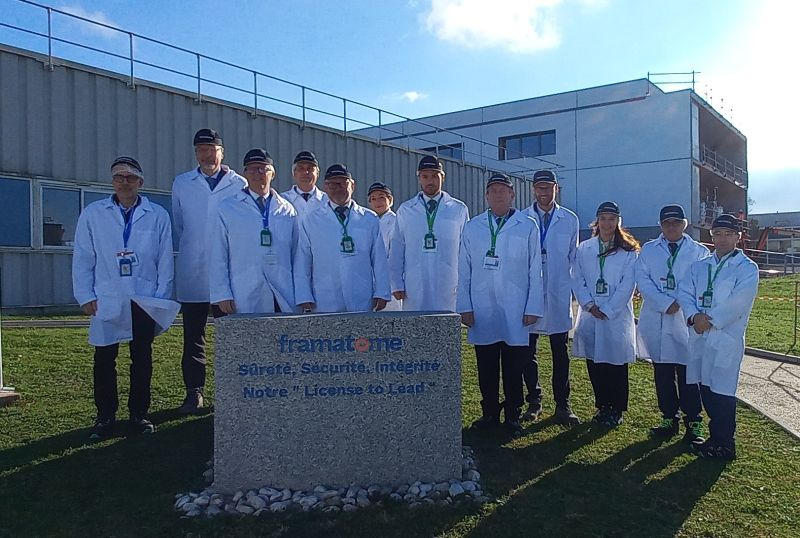
At the same time, according to Lionel Gaiffe, Senior Executive Vice President of Framatome’s Fuel Business Unit, regardless of how the situation in Lingen develops, the company plans to begin fuel production under a Russian license for VVER-440 reactors at its facility in Romans-sur-Isère, France. Starting in 2027, Framatome expects to begin supplying fuel assemblies to Slovakia and Hungary.
On December 11, Hungary’s Minister of Energy Csaba Lantos mentioned that he had visited a French facility where fuel production based on a Russian design is planned. Framatome also reported a visit by a Hungarian delegation to its facility in Romans-sur-Isère, during which preparations for manufacturing fuel for VVER reactors were presented.
On December 7, Hungary’s Minister of Foreign Affairs and Trade Péter Szijjártó said that Hungary had received its final shipment of Russian nuclear fuel for 2025 for the Paks NPP. Fuel inventories are now sufficient to keep the plant operating until November 2028.
Szijjártó noted that nuclear fuel deliveries in 2025 were complicated by the geopolitical situation and the refusal of some European countries to facilitate transit, which required the delivery route to be modified several times, including the use of air and rail transport.
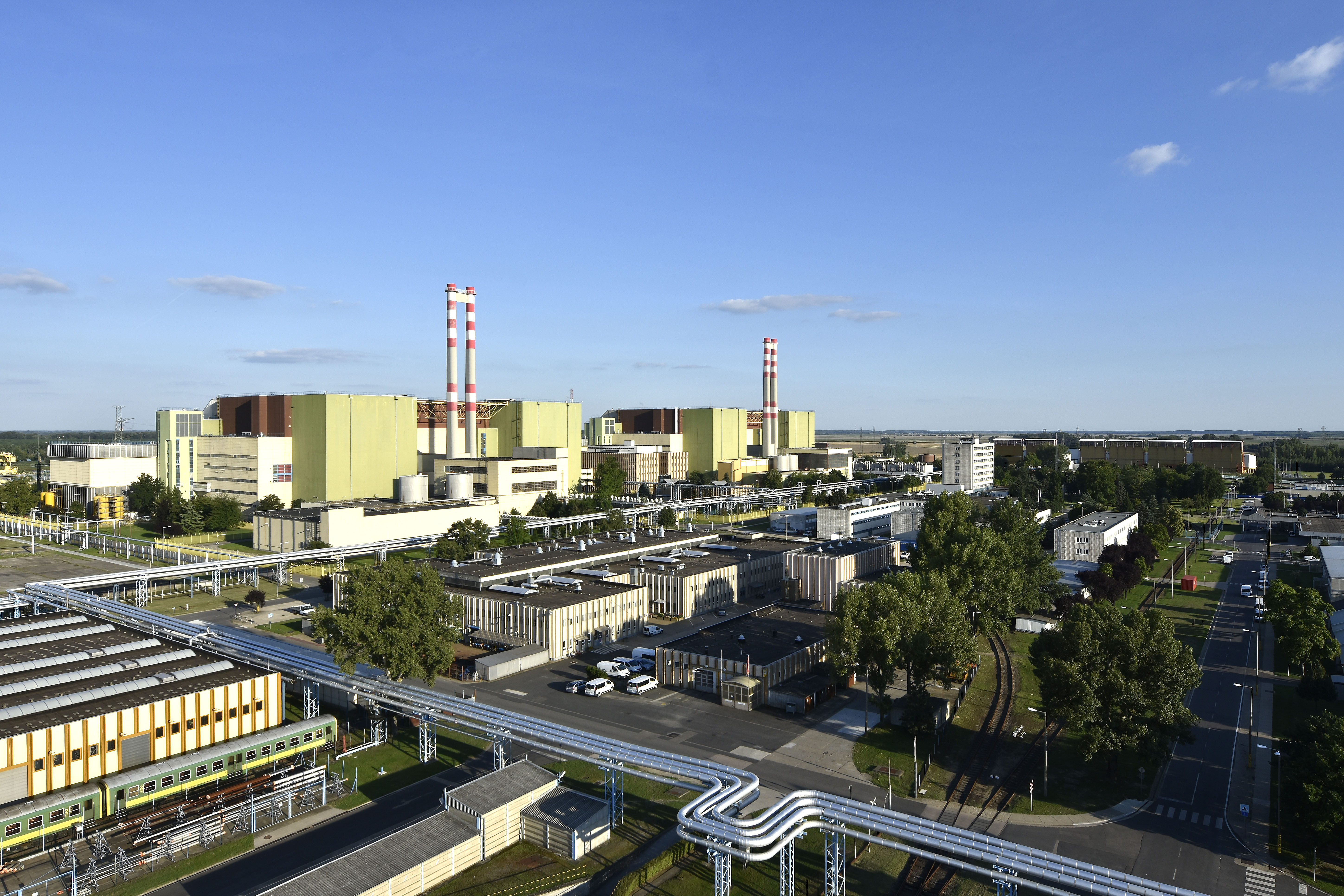
Following Russia’s invasion of Ukraine in 2022, Russian fuel that had previously been delivered via Ukrainian territory began to be transported to Hungary through Bulgaria and Romania: shipped from Russia across the Black Sea to the Bulgarian port of Varna, and then carried by rail through Bulgaria and Romania to Hungary.
On December 11, Hungary’s Minister of Energy Csaba Lantos said that after 2028, the Paks NPP will use three quarters of fuel supplied by Framatome, produced at a European joint venture with Rosatom under a Russian license, and one quarter supplied by the US company Westinghouse. (The interview in Hungarian is available via the link.)
«Framatome’s rollout of a production line in France for licensed Russian-designed fuel assemblies for VVER reactors at its Romans-sur-Isère facility is an expected step given the difficulties in obtaining licenses for similar activities at the Lingen facility in Germany. Preparations there are currently under way to produce assemblies for VVER-440 reactors. However, it can be expected that, should a license for assembling fuel for VVER-1000 reactors be denied in Lingen, this production may be relocated to France.
At the same time, it appears that delivery timelines for Framatome fuel for VVER-1000 reactors to the Czech Republic and Bulgaria have either already been missed or are at serious risk due to delays in launching production in Germany. Earlier information indicated that such deliveries were expected to begin as early as 2025 (to Bulgaria) and 2026 (to the Temelín NPP in the Czech Republic).
It appears that, if these deadlines are missed, the affected units will be forced to continue using Russian fuel instead of French fuel, while Westinghouse deliveries for the units planned to be converted to its fuel are proceeding largely on schedule.
The development of Framatome’s own fuel manufacturing technology for VVER reactors is also facing delays. As a result, even if deliveries of fuel assembled under a Russian license do begin in 2027, it remains unclear how long they would continue before it can be said that Framatome’s fuel has fully eliminated the Russian footprint.
All of these nuances are important to take into account when preparing and discussing future restrictions on imports of Russian nuclear fuel into the EU.»

Dmitry Gorchakov
Nuclear advisor
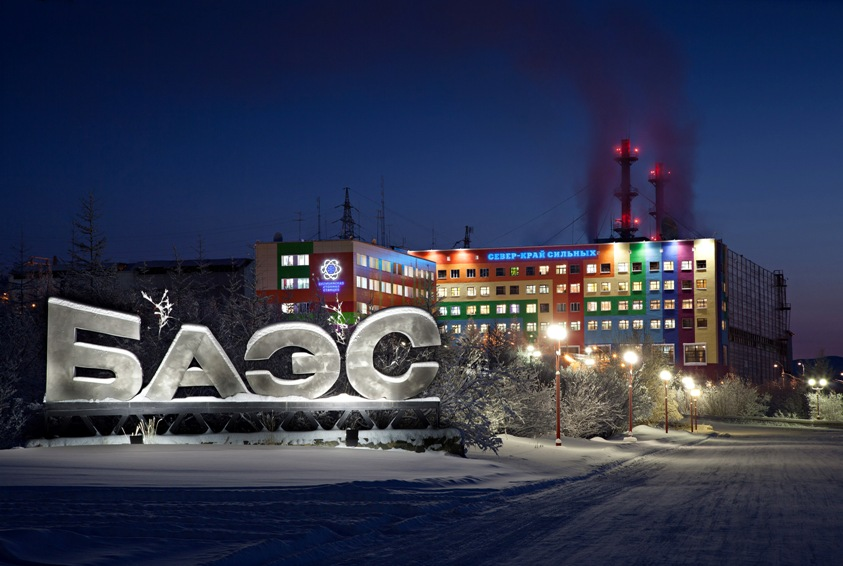
Shutdown of the Last Units at the Bilibino NPP. On December 1, the Bilibino NPP in Chukotka began the phased shutdown of its three EGP-6 reactor units (energy heterogeneous loop reactors with six coolant circulation loops). The plant is concluding operations after 51 years of service.
This is the first nuclear power plant in Russia to be fully decommissioned. Unit 1 was shut down back in 2018, with its spent nuclear fuel (SNF) stored in the spent fuel pool. On December 1, 2025, Unit 2 was shut down, followed later by Unit 3. Unit 4 was disconnected from the grid on December 30.
Over the next two years, SNF from Units 2–4 will also be transferred to the on-site spent fuel pools. After that, over an estimated 20-year period, the spent fuel is planned to be transported by road and sea to the Mayak Production Association.
Under the preliminary scheme, the SNF will be hauled by road to a transfer point near Mys Naglëyngyn, using a road currently under construction for the Baimsky mining and processing plant (Baimsky GOK). The containers will then be shipped along the Northern Sea Route to Murmansk, and from there transported by rail to Ozersk.
After the nuclear materials have been removed, all planned activities completed, and the decommissioning project prepared, the NPP will need to obtain a decommissioning license from the Federal Service for Environmental, Technological and Nuclear Supervision (Rostekhnadzor), expected around 2047.
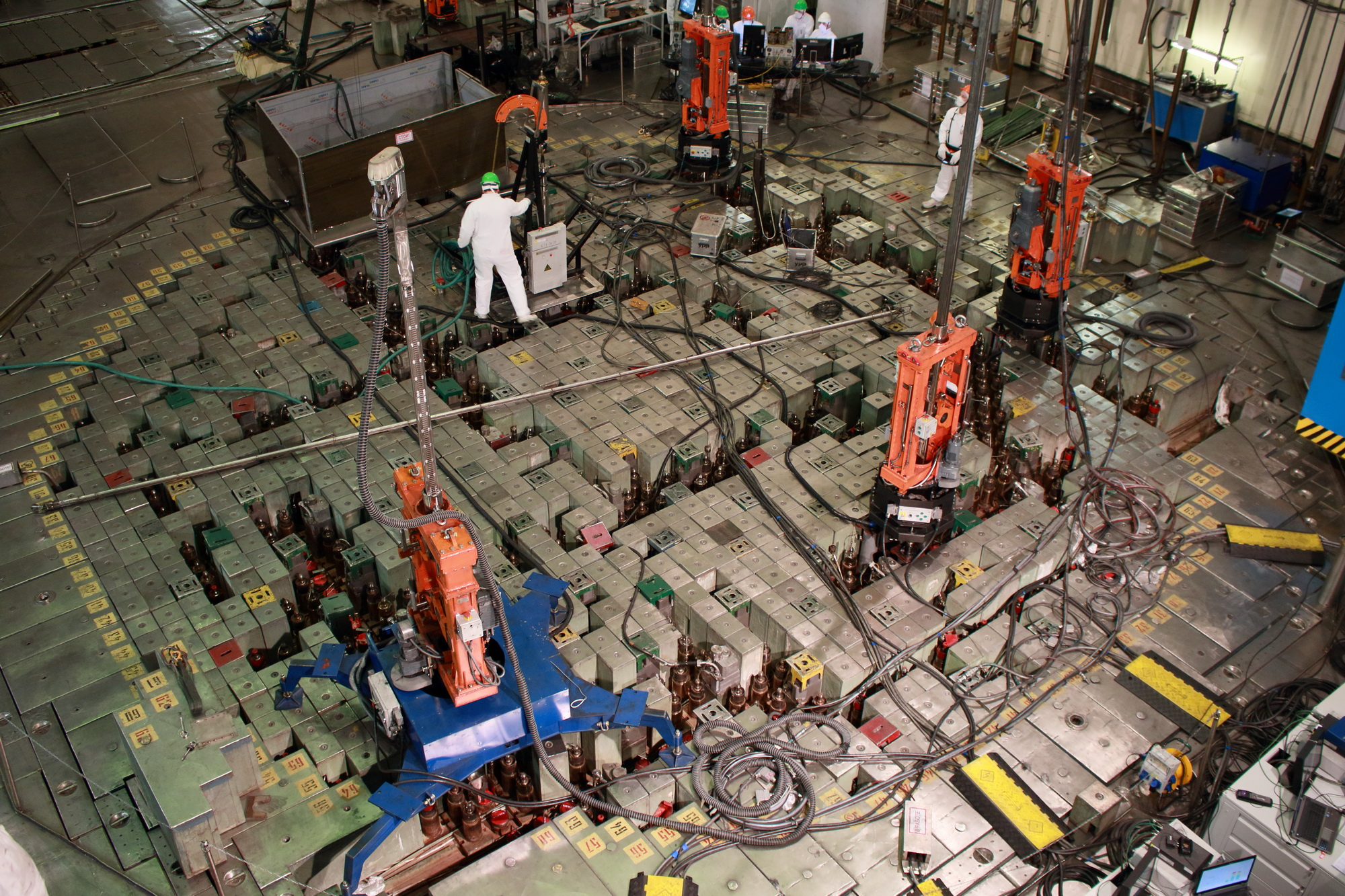
Decommissioning of Unit 1 at the Leningrad NPP. On December 26, Rostekhnadzor issued a license for the decommissioning of Unit 1 at the Leningrad NPP, which is equipped with an RBMK-1000 reactor.
The Leningrad NPP has four units equipped with RBMK-1000 reactors. Unit 1 was shut down in December 2018 after 45 years of operation. Unit 2 was also shut down in November 2020. The removal of spent nuclear fuel (SNF) from these reactors was completed by 2024.
Operation of the two remaining units with second-generation RBMK-1000 reactors (not of the Chernobyl type) has been extended to a 50-year service life and will continue until 2030. Unit 3 received its license in January 2025, and Unit 4 in January 2026.
Unit 1 will become the first site in Russia for testing a decommissioning model for NPPs with RBMK-1000 reactors. Dismantling is expected to take around 30 years and continue until 2055. An “immediate dismantling” concept has been adopted for this unit. During the first eight years, the necessary decommissioning infrastructure will be established, and decontaminated and lightly contaminated equipment will be dismantled and removed.
Dismantling of the reactor facility will take place at the final stage of decommissioning. Owing to technological constraints, the work will be carried out using specially designed robots. The dismantled and size-reduced components will be placed in special containers and then transferred for long-term storage.
Turbine Generators for Units 3–4 of the Leningrad NPP-2. On December 11, Kommersant, citing unnamed sources, reported the possible supply of turbine generators for the under-construction Units 3 and 4 at the Leningrad NPP-2 by China’s Dongfang Electric Corporation.
Previously, equipment of this type was supplied by Power Machines. It is noted that the Chinese turbine generator would be cheaper (the Russian option may cost up to 9 billion rubles). The choice of a Chinese supplier is also linked to pose potential delivery delays on the part of Power Machines.
According to current plans, the commissioning of the new Leningrad NPP-2 units is expected in 2030–2032, while Power Machines has recently faced widespread delivery delays on other projects. Rosatom and Power Machines declined to comment on the supplier information.
On December 22, Kommersant reported that Rosatom is considering establishing its own production of low-speed turbine generators for NPPs with VVER-TOI reactors. The project is expected to be implemented in partnership with China’s Dongfang Turbine Co., Ltd, which manufactures steam turbines for nuclear power plants under a French Arabelle license.
An unnamed source cited by the newspaper believes that the initiative is intended to support plans for new NPP construction in Russia and to serve as a backup option for export projects.
Rosatom told the newspaper that it does not comment on rumors but noted that it is exploring the possibility of establishing production of turbine generators, with the relevant projects currently at an early stage.
Energy Start-Up of Unit 1 at the Kursk NPP-2. On December 31, Unit 1 with a VVER-TOI reactor at the Kursk NPP-2 was synchronized to the grid and reached a capacity of 240 MW.
«The developments outlined above clearly illustrate the aging of Russia’s nuclear power fleet: older units are being shut down en masse, while replacement capacity has not been sufficient to fully offset these losses. Since 2020, three large gigawatt-scale RBMK-1000 units at the Kursk and Leningrad NPPs have been closed. In their place, only one VVER-1200 unit—Unit 2 at the Leningrad NPP-2—entered operation in 2020, followed five years later, at the end of 2025, by the connection to the grid of Unit 1 at the Kursk NPP-2 with a VVER-TOI reactor.
As a result of this lag in replacement capacity, electricity generation at Russia’s nuclear power plants has declined since 2022, throughout 2023 and 2024, with only a modest increase expected based on 2025 results.
At the same time, Rosatom intends to pursue large-scale construction of new nuclear power plants in Russia in the coming years to meet the presidential directive to increase the share of nuclear power in the country’s energy mix to 25%. By 2042, according to the government’s general scheme for power facility deployment, at least 30 new NPP units, with a total capacity of around 29 GW, are planned to be commissioned.
Moreover, of the planned new units, at least 20 are expected to have capacities of 1,000 MW or more, which will require high-capacity turbine generators. For overseas NPP projects, Rosatom typically offers customers a choice of equipment suppliers and often equips these projects with French-made Arabelle turbine generators, as is the case for VVER-1200 projects in Turkey, Egypt, and Hungary.
Within Russia, however, Rosatom prefers to rely on domestically produced equipment (prior to the war, it also occasionally used Ukrainian turbines). At the same time, Russian turbines and generators produced by Power Machines have proven to be of inconsistent quality: in recent years, they have experienced serious technical issues and failures. The company has also faced persistent delays in meeting delivery schedules.
It is therefore not surprising that, ahead of large-scale NPP construction in Russia, discussions have emerged about the possible supply of Chinese turbines for Russian nuclear power plants. Such experience already exists in China, where Chinese turbines are planned to be supplied for the construction of Tianwan NPP units based on Russian VVER-1200 designs. From a technical standpoint, this makes such a solution feasible.
However, the use of this equipment within Russia would be a clear signal that Rosatom is unable to independently supply its projects with domestic equipment. Whether these plans to supply Chinese turbines to Russia will ultimately be implemented, or whether the discussions are merely being used to stimulate domestic equipment production, remains to be seen.
It is also worth noting that the grid connection of Unit 1 at the Kursk NPP-2 came as a surprise to outside observers, as Rosatom had provided no detailed updates on progress at the site in the preceding months. There had also been no official announcements regarding the first criticality of the reactor or its startup to the minimum controllable power level—key procedures that normally precede grid connection.
In previous practice, such an approach was unprecedented: each major milestone in the commissioning of new units was typically widely reported in the media as a significant achievement. The current change may be linked to the location of the Kursk NPP-2, which lies close to the Ukrainian border and relatively near the zone of active hostilities. In this context, the lack of transparency may reflect an information policy shaped by wartime considerations and military-related information control.»
Dmitry Gorchakov
Nuclear advisor
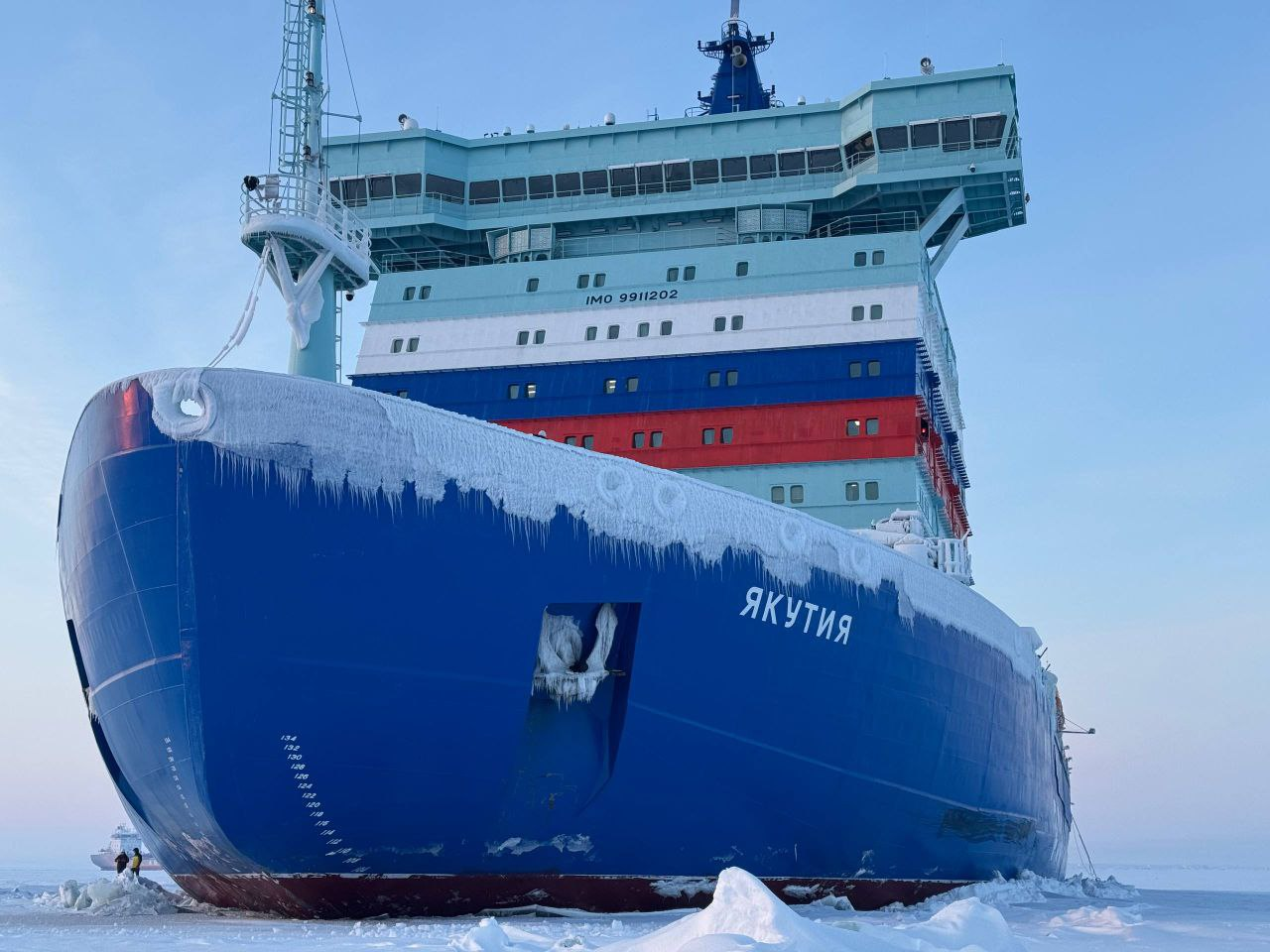
Penalty for Delayed Delivery of the Icebreaker Yakutia. In late November, an arbitration court ruling was published following a claim filed by FSUE Atomflot against JSC Baltic Shipyard seeking penalty payments for the delayed delivery of the icebreaker Yakutia.
Under the contract, the vessel was to be handed over to the customer on February 20, 2025, but it was actually delivered on March 26, 2025, meaning the deadline was missed by more than a month.
The Baltic Shipyard contested the claim, citing objective difficulties encountered during construction, including supply disruptions, import substitution requirements, and technical challenges, which the defendant argued should be treated as force majeure.
While the court ruling does not state this explicitly, it can be assumed that many of these difficulties arose as a result of Russia’s invasion of Ukraine, which led to economic sanctions against Russia. For example, equipment supplies from the Finnish group Wärtsilä were cancelled, resulting in ongoing legal disputes involving the Baltic Shipyard and several other companies. The Baltic Shipyard itself is subject to sanctions imposed by the European Union, Canada, and the United States.
The court rejected the Baltic Shipyard’s arguments that force majeure circumstances were present, stating that supplier issues and import substitution fall under commercial risks, while the technical difficulties were known to the shipyard in advance and could have been taken into account when planning the delivery schedule. Additional certificates signed during construction did not change the contractually agreed delivery date and did not constitute handover of the vessel to the customer.
The original claim amounted to approximately 92 million rubles. However, the court found that the calculated penalty was excessive and reduced it by half. As a result, 46.1 million rubles in penalty payments were awarded against the Baltic Shipyard in favor of Atomflot. The decision may be appealed.
Construction of the Lider Icebreaker. On December 24, Rosatom’s fuel company TVEL reported that nuclear fuel had been manufactured for the RITM-400 reactor installation of the lead nuclear-powered icebreaker Rossiya, part of Project 10510 Lider.
Earlier in December, Konstantin Knyazevsky, Deputy Director General for Fleet Construction and Head of the Atomflot representative office in St. Petersburg, said that the vessel’s technical readiness currently stands at 26.9%, and that under the revised schedule the launch of the Lider icebreaker is planned for February 2028.
Under the Northern Sea Route development plan through 2035, adopted in 2022, construction of the lead Lider icebreaker was originally scheduled to be completed in 2027. However, in 2024, it was already stated that the delivery date for the Lider would be postponed to 2030.
Kazakhstan. On December 3, Rosatom and Kazakhstan’s Institute of Nuclear Physics signed a memorandum of understanding setting out their intention to jointly explore a project to build a multipurpose research reactor and a laboratory complex in Kazakhstan.
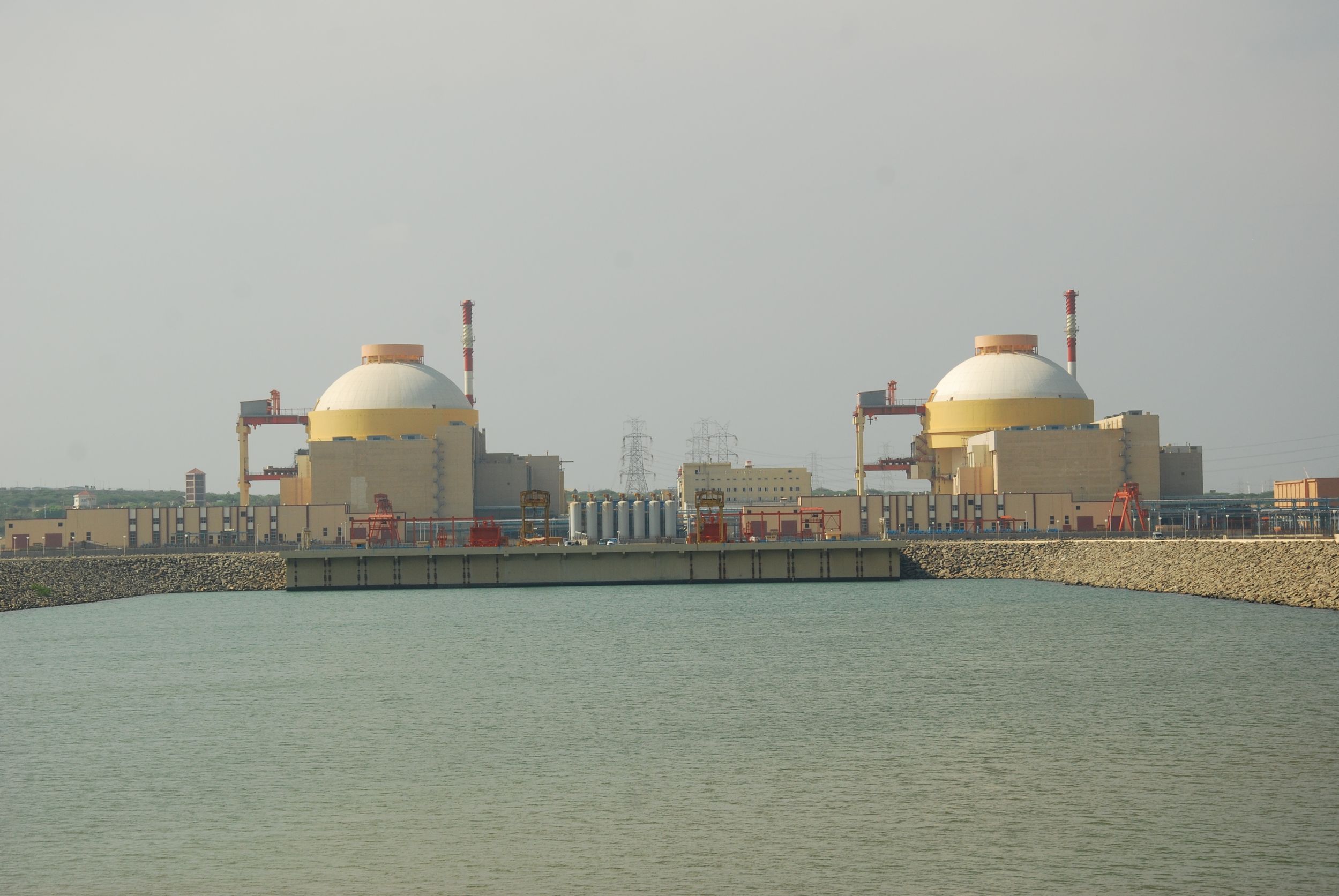
India. On December 5, the President of the Russian Federation paid a state visit to India. The joint statement following the meeting with Indian Prime Minister Narendra Modi includes provisions on Russia–India cooperation in nuclear energy (paras. 23–26). The sides reaffirmed their intention to expand cooperation, agreed to adhere to the schedule for equipment and fuel deliveries for the under-construction Kudankulam NPP, and agreed to continue discussions on allocating a second site in India for NPP construction in line with previously concluded agreements.
In addition, Likhachev said that Rosatom and India’s Ministry of Ports, Shipping and Waterways have established a dedicated working group to discuss expanding cooperation on floating NPPs. Rosatom is also discussing with Indian partners the possibility of localizing NPP fuel production in India.
Niger. On December 9, Niger’s state-owned Timersoi National Uranium Company and the Russian uranium mining company Uranium One Group JSC (part of Rosatom) signed a memorandum of cooperation in uranium mining. According to reports, the partners plan to obtain the necessary permits, conduct geological exploration at prospective deposits, and ultimately establish new uranium mining operations at those sites.
Timersoi National Uranium Company was established in September 2024, a year after the coup in Niger. The new military government stated its intention to review foreign concessions in the mining sector.
Ethiopia. On December 18, Rosatom and the Ethiopian Atomic Energy Commission held talks in Moscow on the prospects for implementing a large-capacity NPP project. The project was publicly announced in September 2025. According to Rosatom, the talks confirmed the parties’ commitment to continuing joint work.
On December 17, Rosatom’s fuel division, TVEL, reported the delivery of modified fuel for the WWR-SM research reactor at the Institute of Nuclear Physics of the Academy of Sciences of the Republic of Uzbekistan.
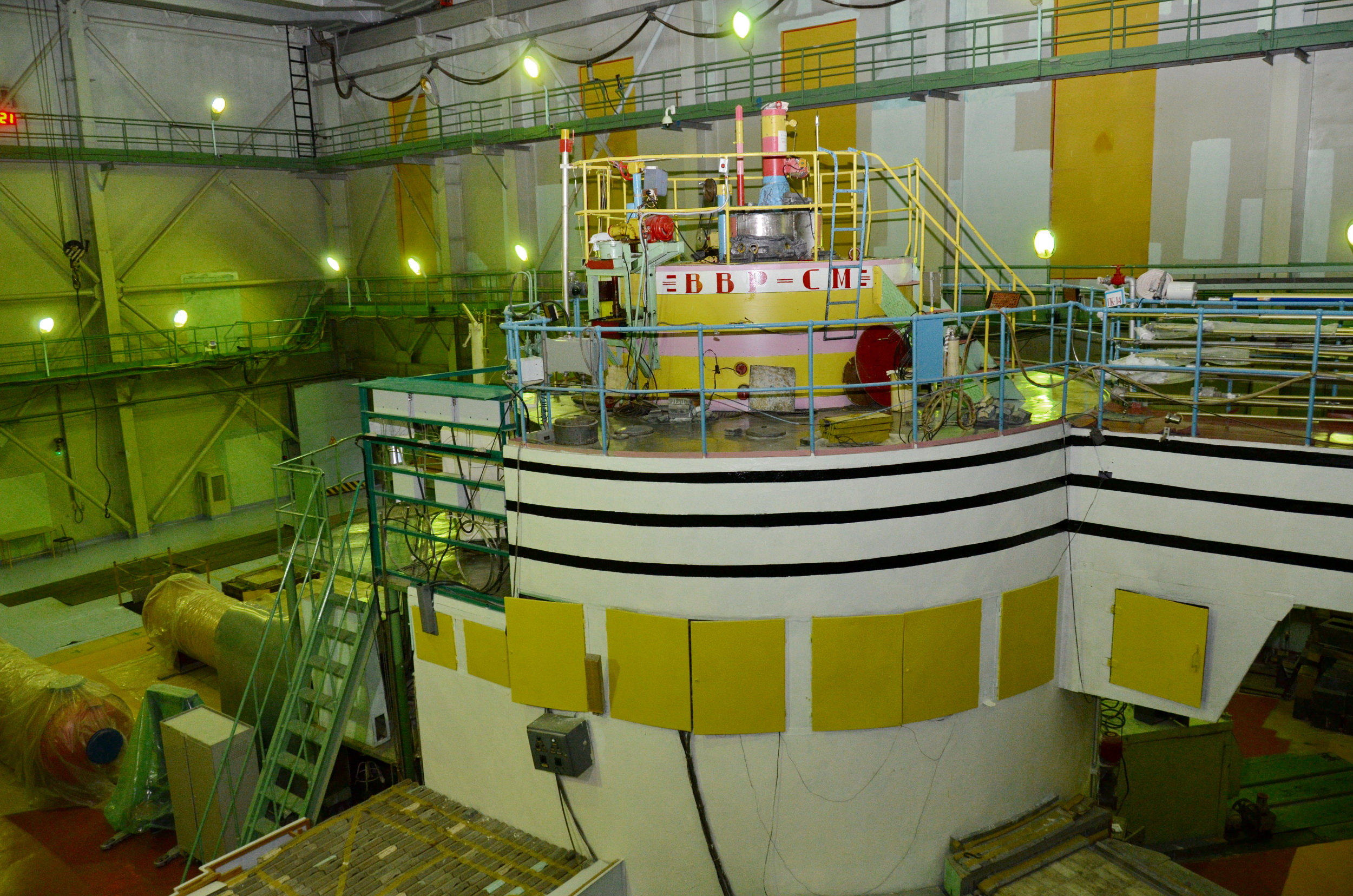
The research reactor in Ulugbek, near Tashkent, was commissioned in September 1959. In 2008, with IAEA support, the reactor was converted from highly enriched uranium to low-enriched fuel, and its operation was suspended in 2016. However, in February 2017 a decision was taken to modernize the reactor and resume its operation.
The facility is used for research in nuclear physics, radiation materials science, activation analysis, mineral irradiation, as well as for the production of radioisotopes for medical and industrial applications.
In December, the press service of the Shirshov Institute of Oceanology of the Russian Academy of Sciences reported that during the 70th expedition of the research vessel Akademik Ioffe to the Kara and Barents seas—conducted jointly with the Kurchatov Institute—scientists were able, for the first time in nearly 20 years of searches, to determine the exact locations of two submerged vessels carrying solid radioactive waste on board and to identify a previously unknown complex radioactive waste disposal site in Techeniy Bay. The press release was widely circulated by Russian media outlets.
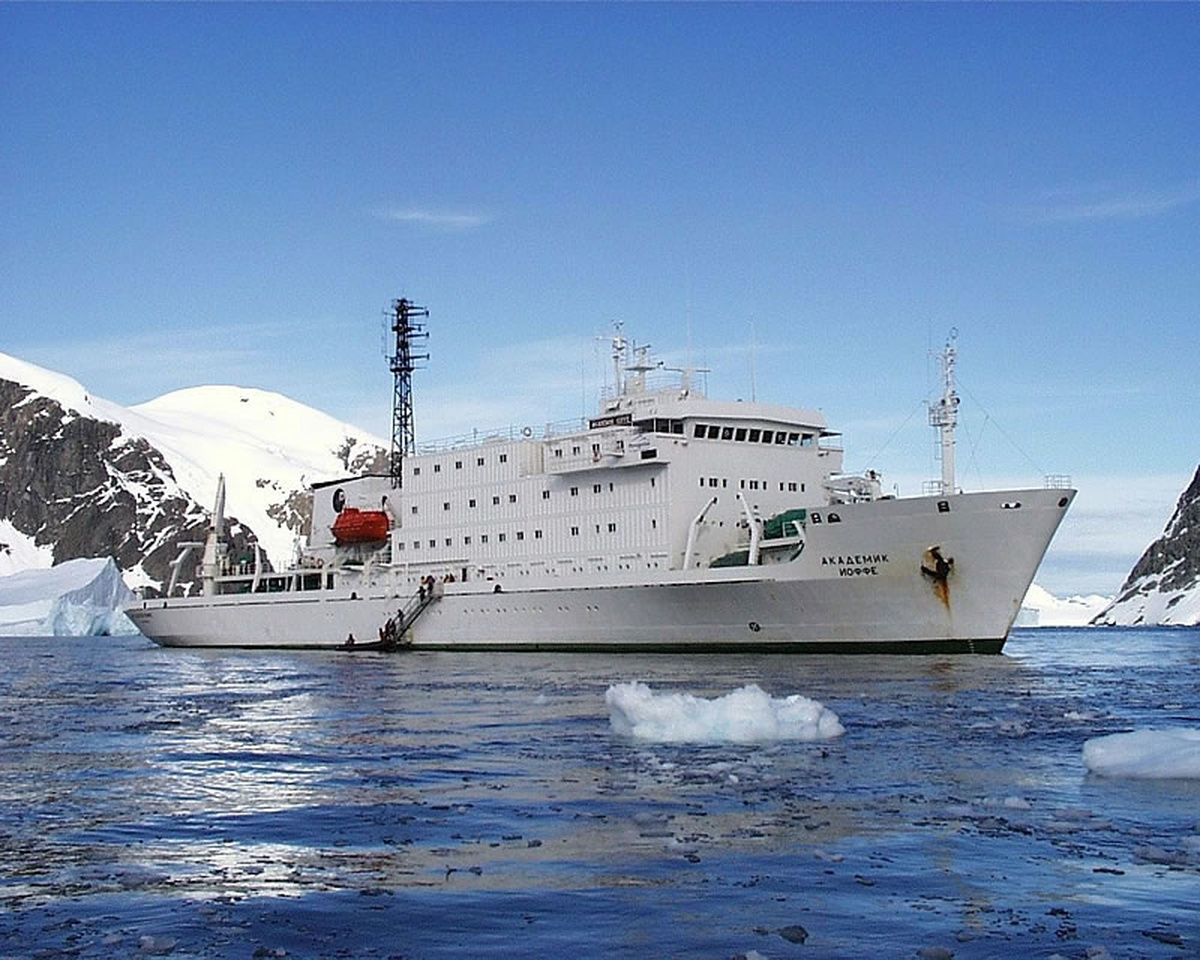
The expedition was organized to carry out research aimed at monitoring the condition of underwater radiation-hazardous objects at several sites in the Barents and Kara seas.
Accounts of the expedition’s work note that in the Barents Sea, researchers carried out mapping of a site discovered in 2024 and believed to be the location where a Nickel-type barge carrying solid radioactive waste had been submerged. It is noted that earlier surveys at the location indicated in archival sources had found nothing.
The research also focused on the “TRO-8” complex disposal site of solid radioactive waste in the Techeniy Bay area (Novaya Zemlya). According to archival data, in the 1980s a total of 146 containers with solid radioactive waste—generated during the operation and maintenance of nuclear power units on nuclear submarines and icebreakers—were submerged in the study area, along with the barge Likhter-4. The barge carried two reactor compartments from the K-22 nuclear submarine, with the fuel unloaded and enclosed in lead shielding. However, earlier expeditions found nothing at the coordinates indicated in archival records.
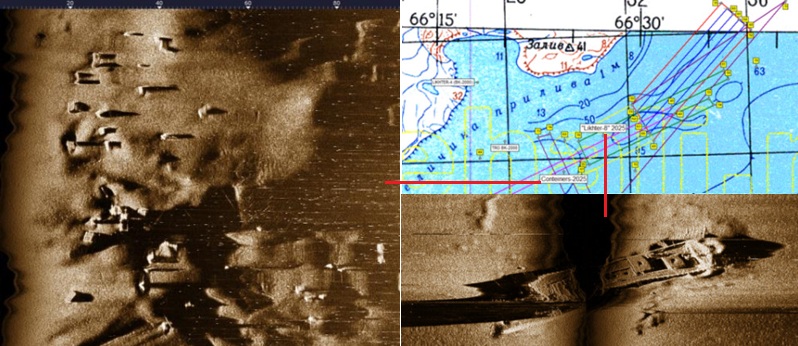
Based on the assumption that the containers and the barge had been submerged at a location different from, but close to, the coordinates cited in archival records, a dedicated survey route system was developed. As a result, clusters of solid radioactive waste containers were discovered, confirming the hypothesis that the search area had shifted. The submerged vessel was subsequently located. Analysis of the data obtained indicates that the vessel found is the barge Likhter-4.
Following identification of the vessel, a radiation survey was carried out. Measurement data indicate that the protective barriers remain intact and that the active components of the disposal are reliably isolated from the surrounding environment.
«The Arctic and developments in the region attract close attention not only from specialists and relevant agencies but also from the Russian media. This appears to have been one of the main reasons why the press service report by the Shirshov Institute of Oceanology on the expedition of the research vessel Akademik Ioffe to the Kara and Barents seas, which took place in late November 2025, was so widely circulated by Russian media outlets.
As for the submerged and sunken nuclear and radiation-hazardous objects examined and clarified during the expedition, all of them are already well documented and described in published sources, including Bellona reports. In 2015, the Nuclear Safety Institute of the Russian Academy of Sciences (IBRAE RAS), under the leadership of Academician A. A. Sarkisov, published a comprehensive study that systematized information on nuclear and radiation-hazardous objects submerged and sunken in the seas of the northwestern Arctic, the radioecological conditions at their disposal sites, and projections of how those conditions may evolve.
The Akademik Ioffe expedition results essentially confirmed the information already available, clarifying only that some containers and small vessels filled with solid radioactive waste were submerged at locations slightly different from those indicated in archival sources.
For Bellona, this information comes as no surprise. As early as 1996, during work on the Northern Fleet report, discussions with a senior Northern Fleet officer —who oversaw the submerging of nuclear and radiation-hazardous objects in the 1970s–1980s—gave the impression that disposal locations were sometimes recorded in archival documents in a fairly formal and approximate manner. As a result, expeditions to this day continue to identify discrepancies between the actual locations where objects were submerged and the archival records created and maintained by the Soviet Navy.
The Akademik Ioffe expedition also clarified that the condition of the environment and submerged objects in the Novaya Zemlya Trough in the Kara Sea—where radioactive waste was disposed of between 1967 and 1991 by submerging vessels (12 units) carrying solid radioactive waste, containers (4,834 units), and individual components (306 units)—is characterized by the absence of concentrations of 137Cs in the water column above background levels. This is hardly a new finding, let alone a sensational one. Solid radioactive waste submerged at great depths fifty years or more ago is unlikely to be a source of radioactive contamination in the Arctic Ocean’s water column today.
It appears that another—and possibly the main—task of the expedition was research in the area where the K-27 nuclear submarine was submerged. Its nuclear power unit includes two nuclear reactors with a liquid-metal coolant based on a lead–bismuth eutectic. Experts, including Bellona, consider K-27 to be the most potentially nuclear-hazardous object submerged in the world’s oceans, requiring regular monitoring of the condition of its protective barriers as well as the development of a project and technical means for its recovery. For this reason, joint expeditions by the Shirshov Institute of Oceanology, the Kurchatov Institute, and Russia’s Ministry of Emergency Situations have been conducting regular studies of the condition of the submarine’s mothballed nuclear power unit.
As on previous occasions, analysis of the results of direct radioactivity measurements recorded on the deck of the K-27 nuclear submarine showed that no release of radioactivity from the submarine’s reactors into the interior of the reactor compartment—and, consequently, into the surrounding marine environment—is occurring. At the same time, all expeditions conducted to date, including the most recent one, have detected the presence of technogenic radionuclides of cesium (¹³⁷Cs) in the measured spectra on the surface of the K-27 hull. Experts believe this reflects historical contamination not associated with any release of radionuclides from the reactor.
This may indeed be the case. However, in the view of many experts, including Bellona, recovery of the K-27 and K-159 nuclear submarines should be expedited, as the condition of the vessels continues to deteriorate and recovery operations may eventually become so difficult that leaving them on the seabed could be considered the lowest-risk option.»
Aleksander Nikitin
Special Nuclear Advisor
Kudankulam NPP, India. On December 29, Rosatom’s fuel division, TVEL, completed delivery of nuclear fuel for the initial core loading of the VVER-1000 reactor at Unit 3 of the plant.
China. China National Nuclear Corporation (CNNC) reported that on December 12, cold functional tests were completed at Unit 3 of the Xudapu NPP, which is being built jointly with Rosatom under a Russian design. The tests verified the performance of systems and equipment under low-temperature and high-pressure conditions. The milestone marks the transition of the unit from the installation phase to the commissioning stage.
On December 30, hot functional tests were completed at another joint project—Unit 7 of the Tianwan NPP—preceding the loading of nuclear fuel.
Akkuyu NPP, Turkey. Summing up the past year in early January 2026, Rosatom Director General Alexey Likhachev said that the corporation’s Turkish project had faced the greatest sanctions pressure: Siemens withdrew from supplies, $2 billion in investments were frozen, and the payment system was disrupted. Turkey’s Minister of Energy, Alparslan Bayraktar, also said in December that these factors had prevented Unit 1 from being launched in April 2025. Both nevertheless emphasized that the project continues to move forward.
Later in the month, Bayraktar stated that Russia had provided new financing of $9 billion for the construction of the Akkuyu NPP and that the plant is expected to be commissioned in 2026.
It should also be noted that on December 27 the Russian government adopted two resolutions (1, 2) on granting state guarantees to Rosatom totaling up to $8.75 billion for loans raised from Gazprombank.
A monthly analytical review offering expert insight into key developments in nuclear policy, economics, safety, and technology related to the activities of Rosatom in Russia, Ukraine, and other countries

A survey of events in the field of nuclear and radiation safety relating to Russia and Ukraine

A survey of events in the field of nuclear and radiation safety relating to Russia and Ukraine

A survey of events in the field of nuclear and radiation safety relating to Russia and Ukraine