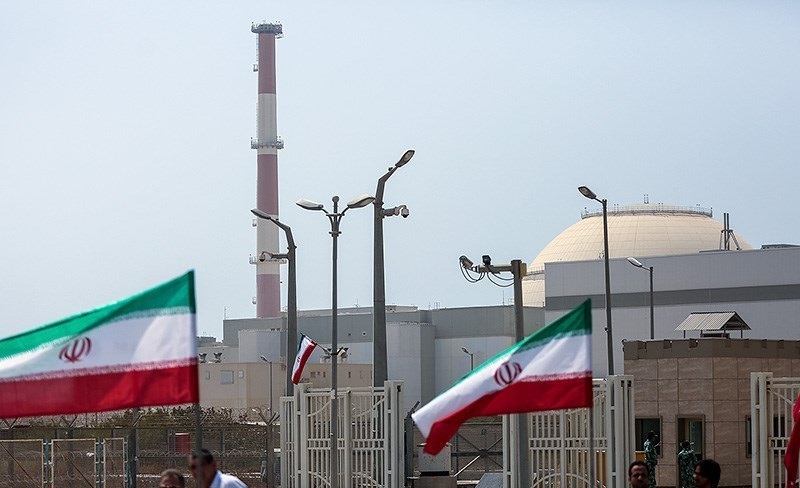
Another Russia-Linked Nuclear Power Plant Is at Risk From War. This Time, in Iran
Alarm bells have started ringing about the Bushehr NPP in southwestern Iran
News
Publish date: 20/03/2026
Written by: Ekaterina Blokova
News
Benjamin Schulte, lead analyst at The American Sunlight Project, presented findings from a study of Russian propaganda surrounding the Northern Sea Route (NSR) in the English-language information space. He analyzed around 4,400 publications from Russian state and affiliated sources across platforms including Pravda Network websites, Telegram channels, WhatsApp, X, and others.
The analysis identified three core narratives:
Schulte also noted a shift in strategy: much of this content now appears aimed less at human readers than at generating large volumes of material for training large language models such as ChatGPT and Gemini. Through repetition, these claims become more likely to be treated as credible by AI systems and incorporated into responses to user queries.
At a plenary session of the Arctic forum, Italy’s foreign minister Antonio Tajani spoke about the promise of Arctic shipping routes without questioning their underlying assumptions—an example of how repeated narratives can gain acceptance even at the highest levels.
Ksenia Vakhrusheva, an expert with Bellona’s Arctic program, explained why these claims are oversimplified and often misleading.
Russian authorities argue that climate change will reduce ice cover and make navigation along the NSR easier. In reality, climate change may increase risks due to higher waves, stronger storms, and coastal erosion. Even during periods of reduced ice, vessels frequently become trapped in drifting ice and may wait weeks for assistance. Navigation along the Northern Sea Route is likely to remain difficult and hazardous despite warming trends.
Vakhrusheva emphasized that the route’s primary function is not international transit but the export of resources from the Russian Arctic. The NSR is активно used to transport oil, gas, and other raw materials, and Russia’s development plans for the region are focused on expanding extraction.
She argued that the international community should not support such activity, as further Arctic hydrocarbon development accelerates climate change and helps finance Russia’s war against Ukraine and hybrid operations against Western countries.
Among possible countermeasures, she cited sanctions on Russian Arctic oil and gas, which would reduce shipping traffic along the route.
Claims that Russia has the technology and infrastructure to ensure safe development of the NSR are also misleading. Effective technologies for cleaning up oil spills in icy Arctic conditions do not yet exist. In addition, search-and-rescue infrastructure in Russia’s Far North is extremely limited and insufficient to guarantee safe navigation. Vakhrusheva pointed to Russia’s poor track record in handling spills—even those occurring near major transport hubs, such as near the port of Murmansk.
Ukrainian investigative journalist Liubov Velychko outlined the mechanisms behind Russian disinformation in the Arctic, highlighting three key methods:
Greenwashing. Companies such as Rosneft promote an image of environmental responsibility—for example, by funding polar bear feeding programs in zoos or supporting small-scale research projects. These symbolic actions do little to protect wild populations or offset the environmental damage caused by oil and gas development but help cultivate a “green” image.
Commissioned research. Major energy companies like Rosneft and Gazprom fund research institutions, creating incentives for scientists to avoid studying the environmental harms of the oil and gas industry.
Leveraging authority. Prominent scientists and institutional leaders often sit on corporate boards, then appear at international conferences and climate summits presenting lobbying positions as independent expert opinion.
Velychko stressed that both journalists and governments must investigate potential conflicts of interest among speakers to understand whose interests they represent.

Sámi activist Andrei Danilov, a member of the International Committee of Indigenous Peoples of Russia, described how authorities seek to project an image of prosperity among Indigenous communities while suppressing independent activism.
A key role is played by the Russian Association of Indigenous Peoples of the North (RAIPON). While it formally represents around 40 Indigenous groups across the North, Siberia, and the Far East, it has lost independence in recent years following leadership changes and now largely reflects the government’s position.
At the same time, RAIPON continues to participate in international institutions such as the Arctic Council and UN forums, creating the appearance of representation and well-being while obscuring widespread human rights violations.
Danilov noted that conditions for Indigenous activists are becoming increasingly dangerous. Those defending environmental rights and opposing extractive industries face systematic pressure from both corporations and the state.
In December 2025, coordinated raids across several regions led to the detention of at least 17 Indigenous representatives on suspicion of involvement in an extremist organization. Human rights advocates say the cases are fabricated, aimed at punishing peaceful activism and participation in international forums, including UN discussions on Indigenous and environmental issues.
Among those detained was Selkup activist Daria Egereva, who had spoken at the UN climate conference COP30 about the destruction of her people’s traditional way of life due to state-backed industrial projects. She was arrested on terrorism charges on December 18 and now faces up to 20 years in prison.
Danilov himself was forced to leave Russia and seek political asylum in Norway due to mounting pressure and risks tied to his advocacy.
In sum, the expanding campaign of climate and environmental disinformation in recent years has hindered sound policymaking, eroded trust in institutions, and deepened social divisions. Much of Bellona’s work is focused on identifying, analyzing, and countering such disinformation to ensure that political decisions are grounded in scientific evidence and reliable facts.
Alarm bells have started ringing about the Bushehr NPP in southwestern Iran
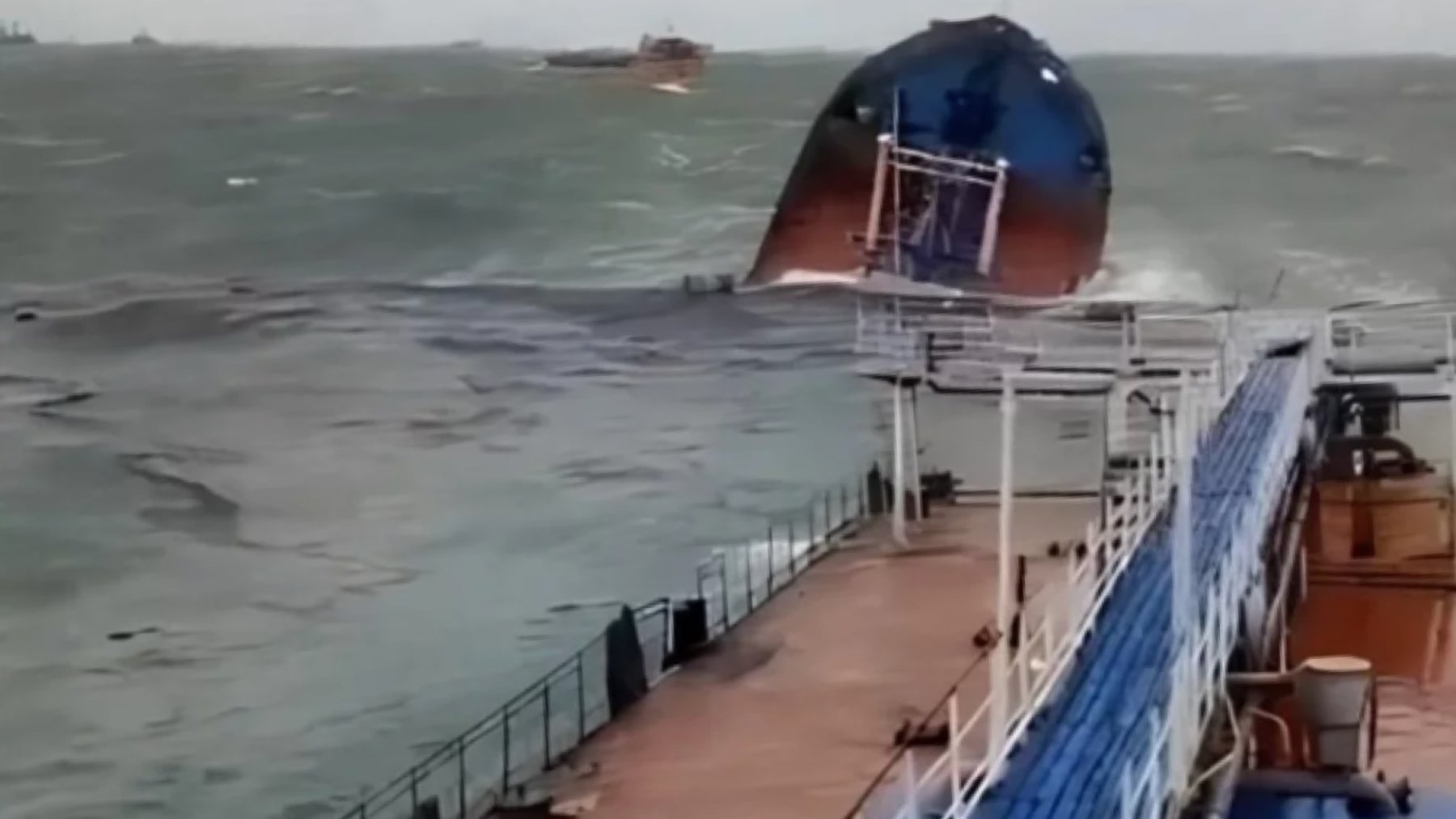
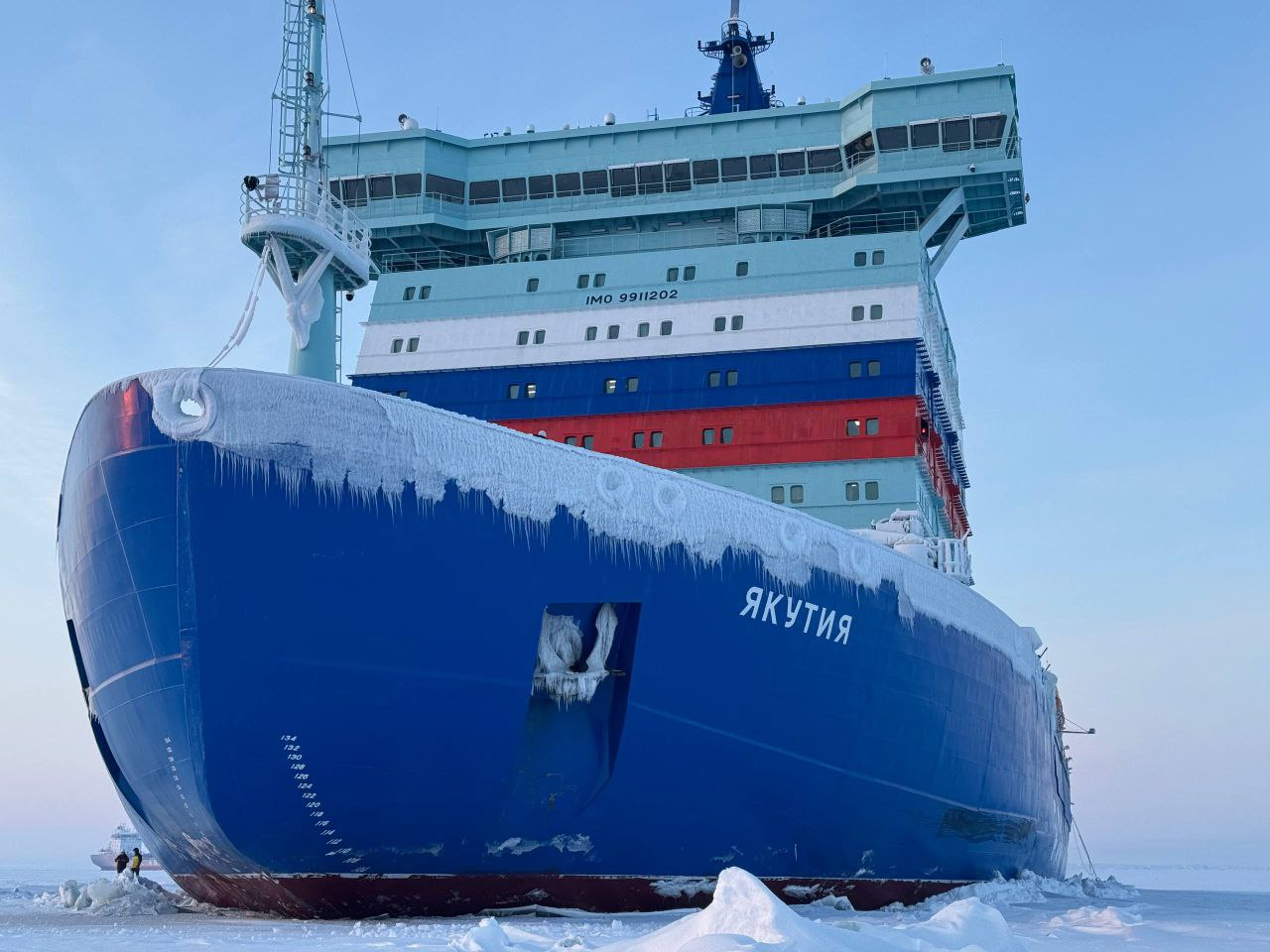
And what that means for Arctic Shipping and the Northern Sea Route
In this news digest, we monitor events that impact the environment in the Russian Arctic
In this news digest, we monitor events that impact the environment in the Russian Arctic